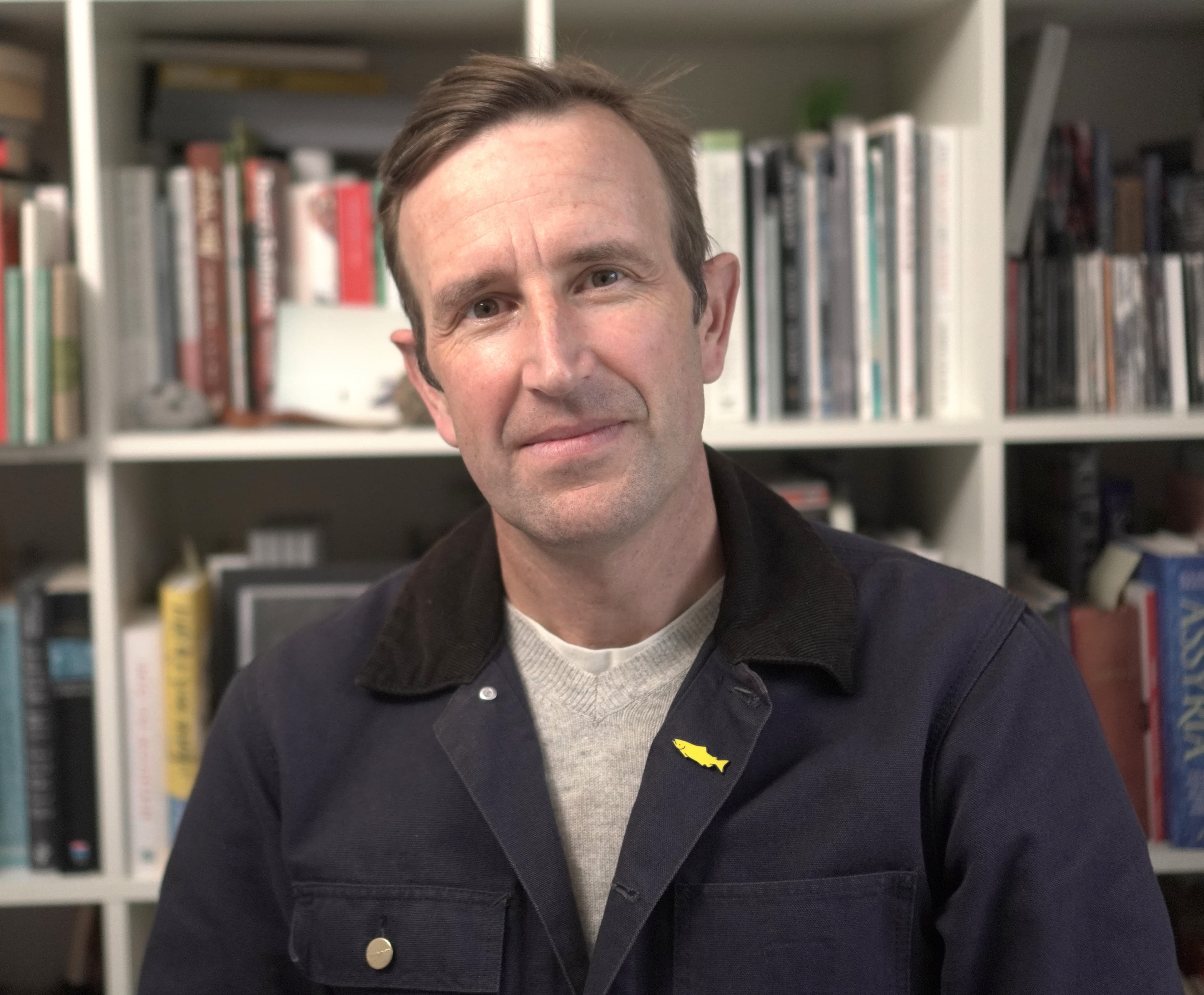
Robert Macfarlane
Professor of Literature and the Environmental Humanities, Writer, University of Cambridge
I am a professor of literature and the environmental humanities at the University of Cambridge, an official fellow of Emmanuel College and one of the directors of studies in English. I am also a writer of books, films, music and operas about nature, climate, landscape, people and place.
Much of my research is concerned with the environmental humanities and covers a range of interests: from geology and literature and environment to phenomenology and virtualization, ideas of nature and wildness to land ownership and the global Rights of Nature movement. I am a fellow of the Royal Society of Literature and the recipient of both the 2017 EM Forster Prize for Literature from the American Academy of Arts and Letters and the 2023 inaugural Weston International Award. I am a 2011 Philip Leverhulme Prize winner. As a writer, I have published books in more than 30 languages. I have collaborated with the artist Jackie Morris to co-create two books of nature poetry and art, and I have written operas, plays and films including River (2022) and Mountain (2017), both narrated by Willem Dafoe. As a lyricist, I have written songs and albums with musicians including Johnny Flynn, with whom I have released two albums, Lost in the Cedar Wood (2021) and The Moon also Rises (2023).
EXPs by Robert Macfarlane
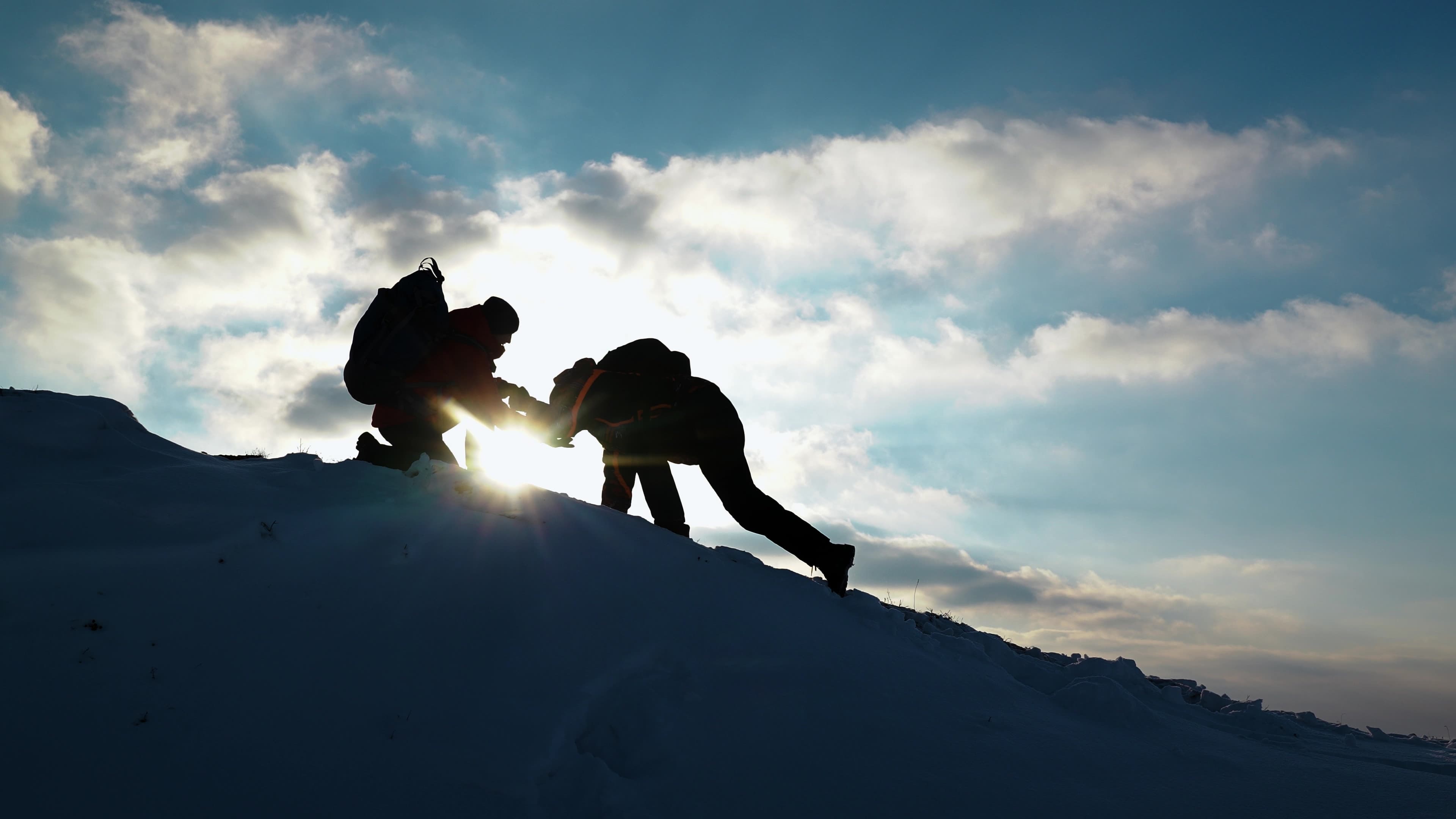
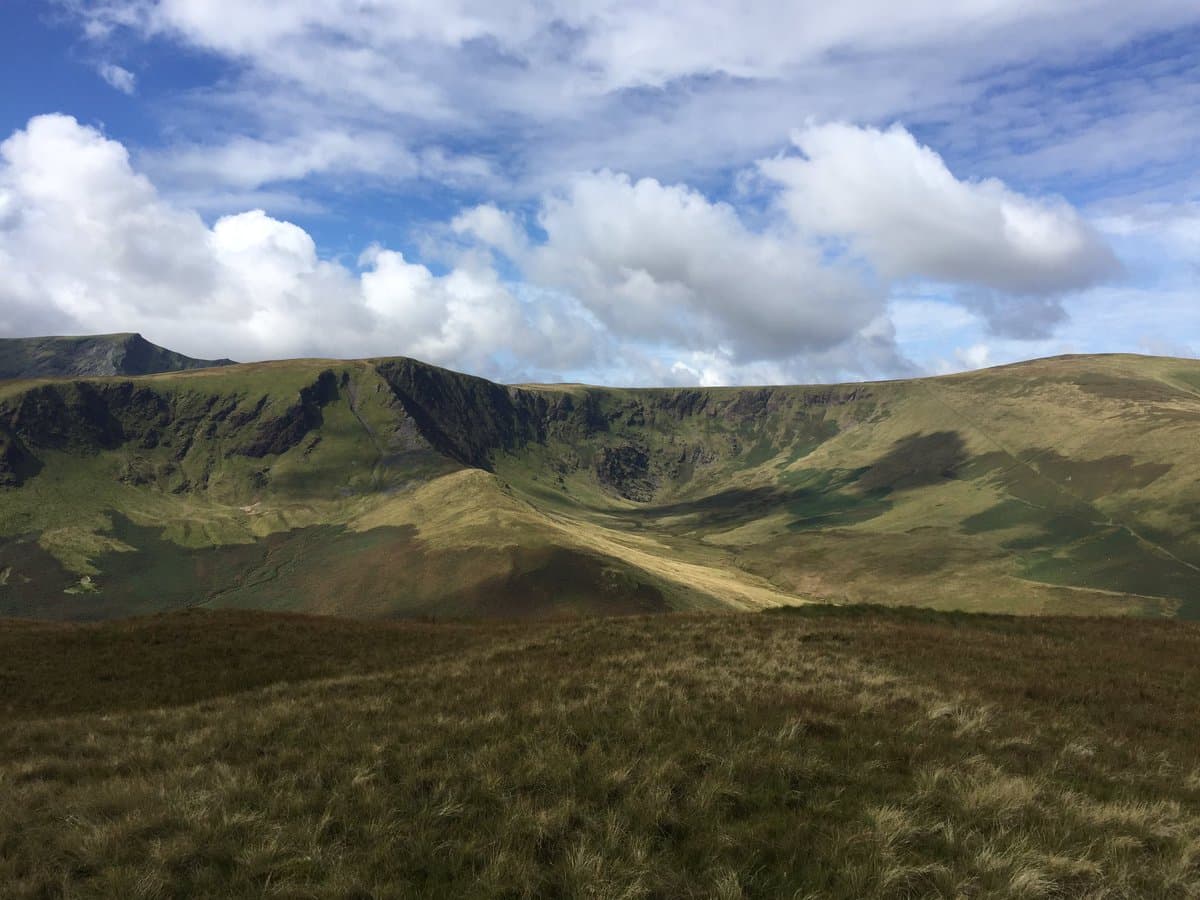
Much of the work I have done, and so many others have done, is delaminating, teasing apart, the relationship between matter, the given world; land, the land of landscape; and scape, the scaping that we do, that we are always doing in our ongoing imaginative, emotional and bodily relationships with land, with place.
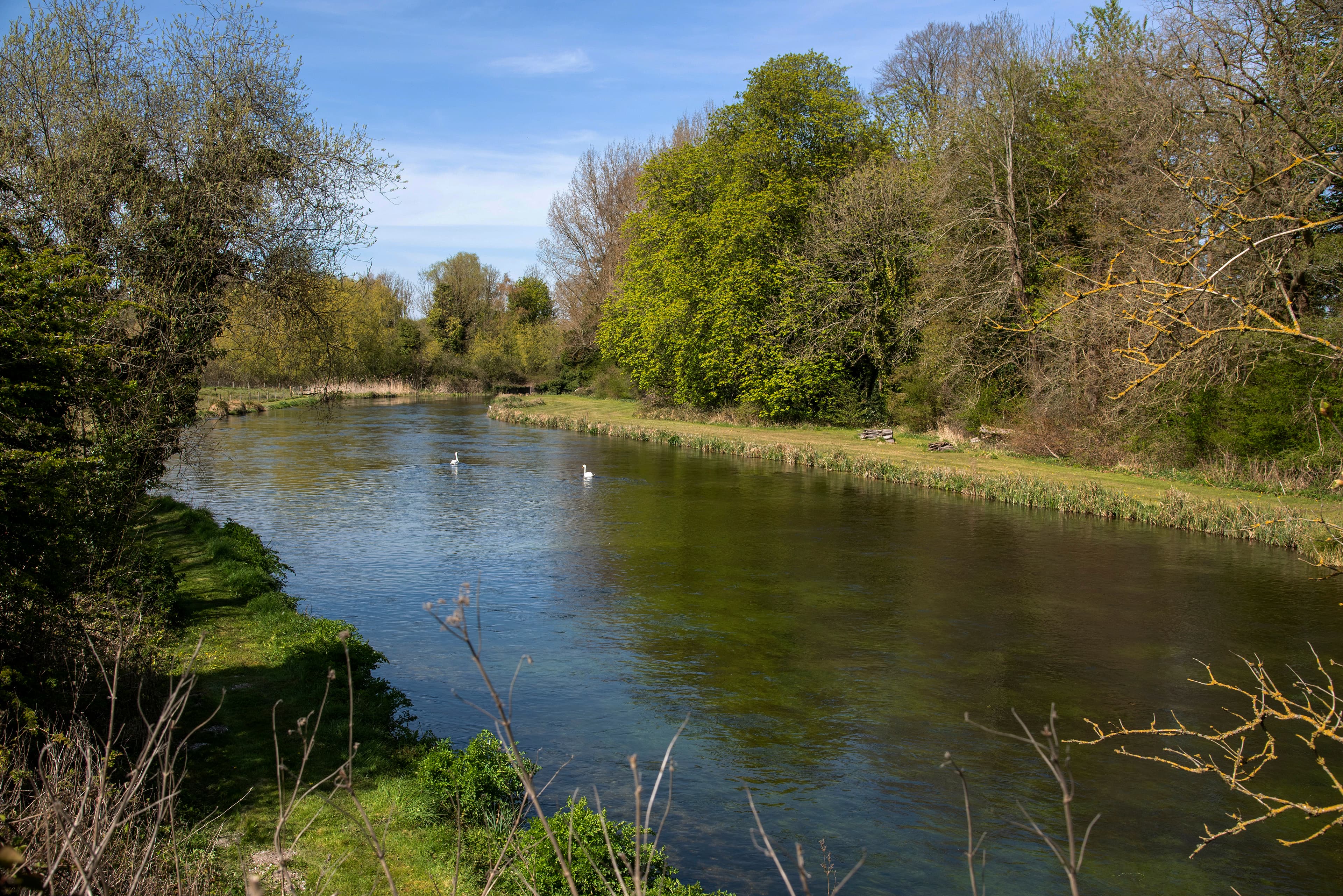
I have been interested in rivers, in the idea of life — what is alive and what is dead — and how the boundary between life and death is policed and patrolled. I have been particularly fascinated by one manifestation of these struggles, which is the idea of the rights of nature.
In English we typically ‘it’ and ‘which’ and ‘that’ the living world, and you would say ‘the river that flows’ or ‘the river which flows’, but I have tended to speak of ‘the river who flows’. It is just a way of recognizing the otherness of the subjects with whom we share our world, not the objects we dominate in our world.