The Living Library of Knowledge
Professor of Cultural History
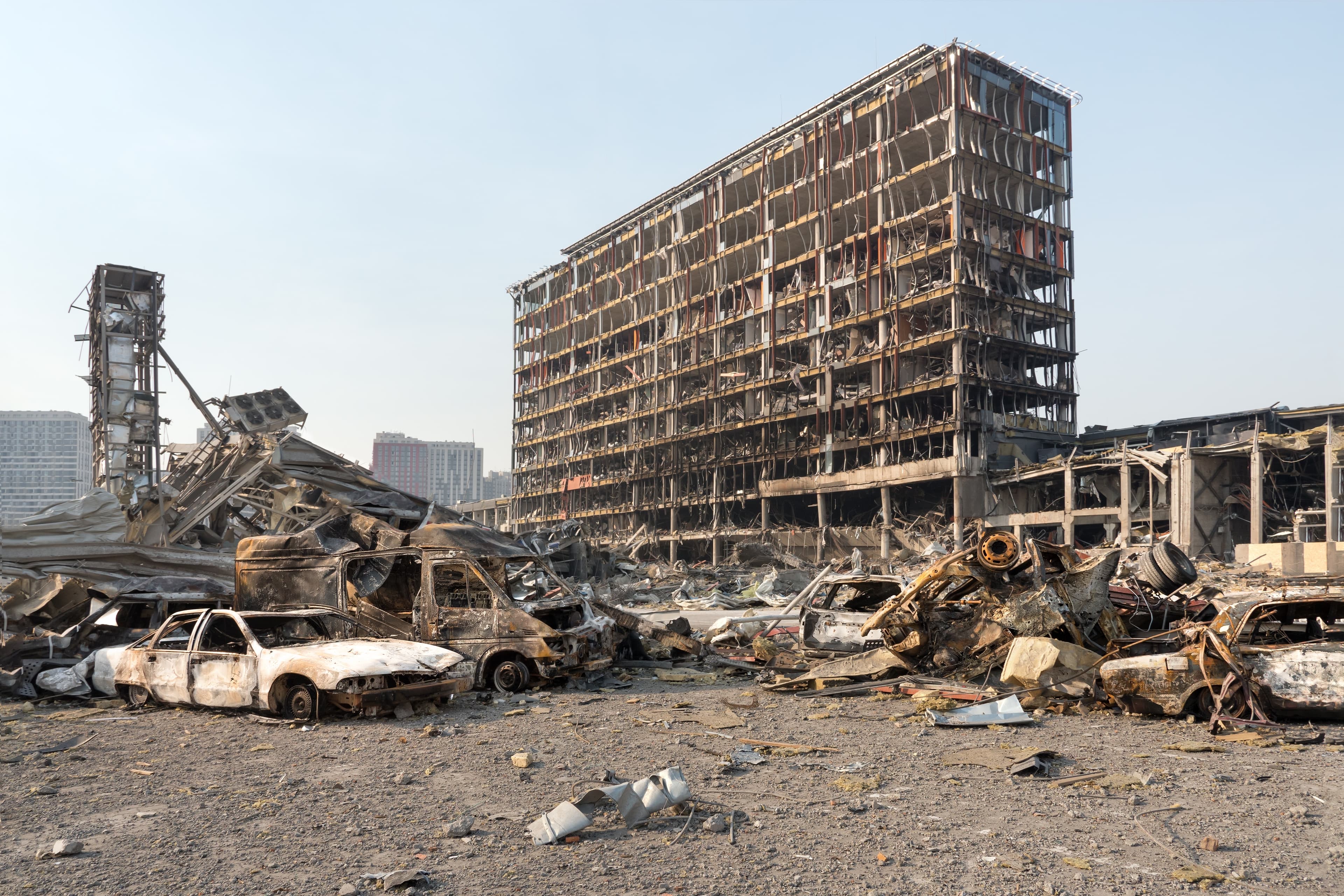
Three bodies of international law are relevant to how wars must be waged: a general prohibition on the use of force, which is enshrined in the Charter of the United Nations; the laws of war, which govern how wars must be waged; and international criminal law for holding individuals to account if they violate the laws of war.
Professor of Global Security
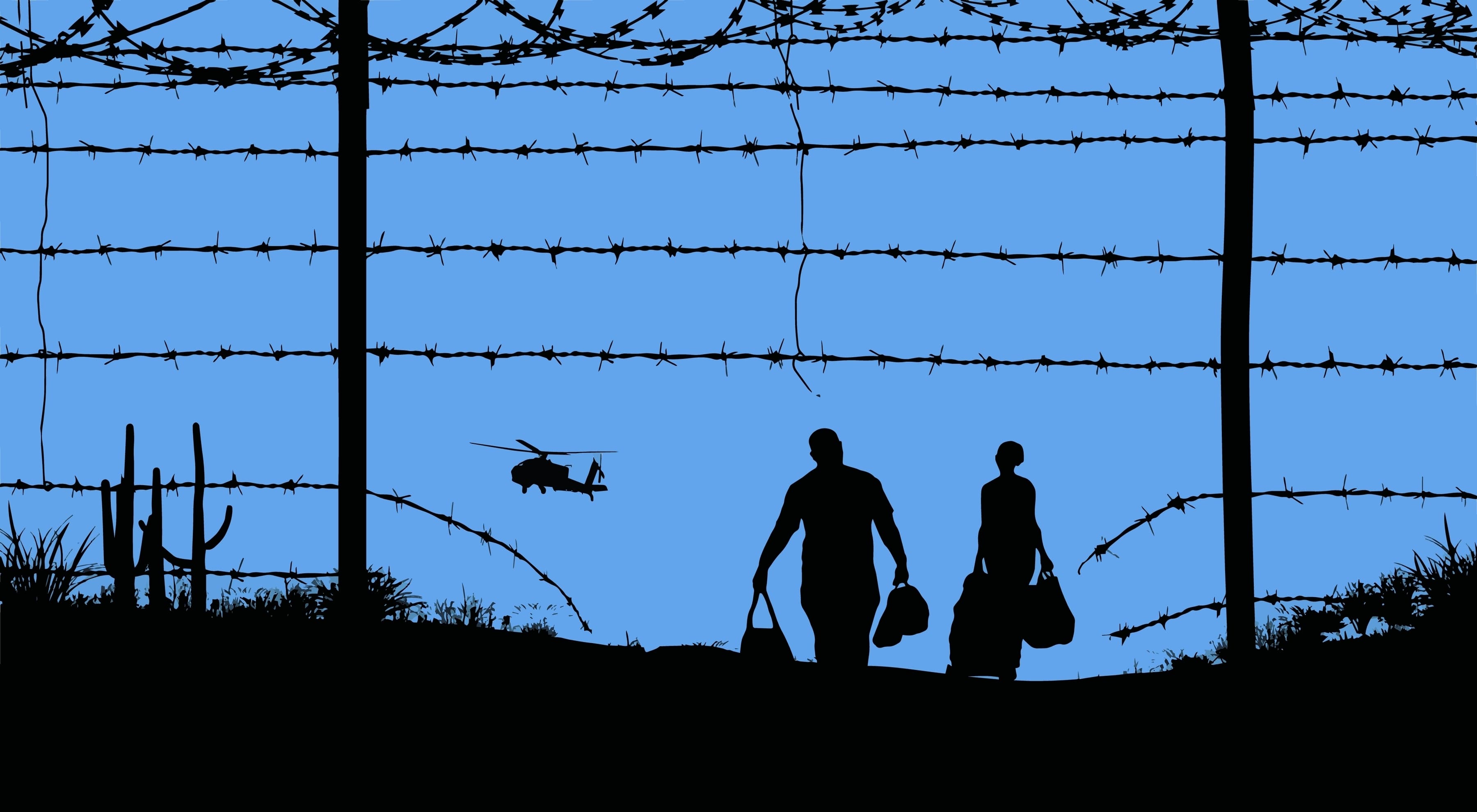
Border workers face significant moral challenges in terms of the work that they do, particularly in terms of the exercise of violence.
The humanitarian archive emergency symbolizes the fragile struggle to preserve evidence, memory, and humanity in times of violence and humanitarian crisis. This conversation opens urgent discussions about reassessing humanitarian law, addressing war crimes, and reaffirming the need for accountability for all those involved.
Professor of Cultural History
The humanitarian archive emergency symbolizes the fragile struggle to preserve evidence, memory, and humanity in times of violence and humanitarian crisis. This conversation opens urgent discussions about reassessing humanitarian law, addressing war crimes, and reaffirming the need for accountability for all those involved.
Professor of Cultural History
Three bodies of international law are relevant to how wars must be waged: a general prohibition on the use of force, which is enshrined in the Charter of the United Nations; the laws of war, which govern how wars must be waged; and international criminal law for holding individuals to account if they violate the laws of war.
Professor of Global Security
The humanitarian archive emergency symbolizes the fragile struggle to preserve evidence, memory, and humanity in times of violence and humanitarian crisis. This conversation opens urgent discussions about reassessing humanitarian law, addressing war crimes, and reaffirming the need for accountability for all those involved.
Professor of Cultural History
It's time for a knowledge expedition
Discover the world's best researchers.
Enjoy conversations with leading academics, scientists and thinkers.
From Biafra and Cambodia to refugee camps and attacks on hospitals, humanitarian medicine raises fundamental questions about care, neutrality, witnessing, global inequality, and the fragile human systems created to respond to war, displacement, and suffering.
Professor of Cultural History
When we accept that we can instrumentalise the human body, whether it’s for reasons of cruelty or in some spurious quest for information, we have given up on a value-based society.
Professor of Human Rights Law
To feel at home in today’s world is a very big demand because the sense of homelessness has always been a place of feeling at home and not feeling at home.
Anne F. Rothenberg Professor of the Humanities
Professor of Cultural History
From the battlefields of the 19th century to today’s wars and humanitarian crises, this conversation opens vital reflections on how modern compassion was invented, organised, and politicised — and why preserving humanitarian archives may be essential to protecting humanity itself.
From Biafra and Cambodia to refugee camps and attacks on hospitals, humanitarian medicine raises fundamental questions about care, neutrality, witnessing, global inequality, and the fragile human systems created to respond to war, displacement, and suffering.
The humanitarian archive emergency symbolizes the fragile struggle to preserve evidence, memory, and humanity in times of violence and humanitarian crisis. This conversation opens urgent discussions about reassessing humanitarian law, addressing war crimes, and reaffirming the need for accountability for all those involved.
Professor of Cultural History
Professor of Cultural History
About EXPeditions
EXPeditions is the open-access digital platform created to bridge the gap between scholars and members of the public.
Our editorial team is dedicated to this purpose, producing high quality digital content designed to satisfy the curiosity of the widest possible audience.
While researchers push the boundaries of knowledge forward, we try to help them push back the borders of ignorance and indifference.
Become a Partner