
EXP for Wikimedia
A collection of short videos on the issues that matter,
EXP for WIKIMEDIA is a collection of short videos (CC-BY-SA-4.0) in which leading scholars featured on EXPeditions introduce key social, cultural or scientific issues. They help us understand and navigate the world we inhabit. These videos serve as an entry point to topics that can be explored more in depth via the EXPeditions library of authors and journeys.
EXPs by EXP for Wikimedia

The COVID pandemic has made us reflect much more on what is meaningful in our lives; what is important and what is less important. Jonathan Wolff is the Alfred Landecker Professor of Values and Public Policy at the Blavatnik School of Government in the University of Oxford. His research is largely about making connections between political philosophy on the one hand, and central questions in public and social policy on the other hand.
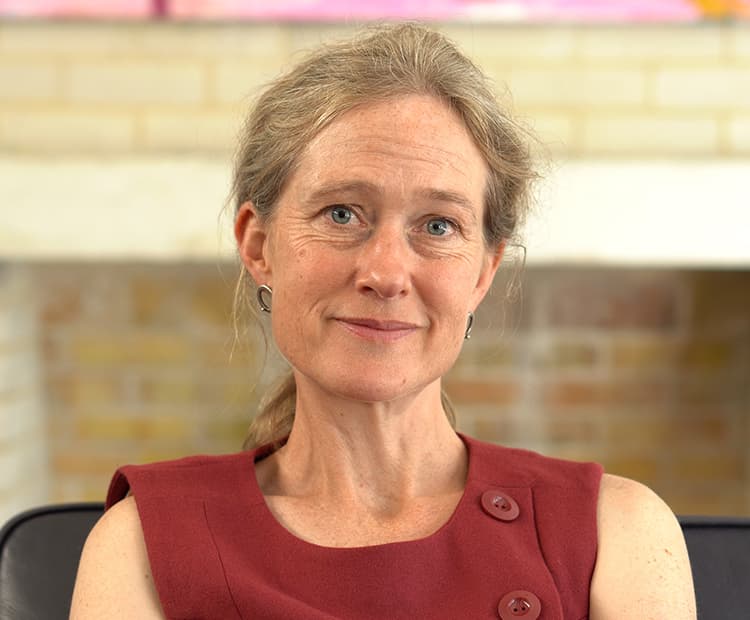
Lucy Delap, historian at the University of Cambridge and fellow of Murray Edwards College, explores the origins of feminism.
Lucy Delap is a Reader in Modern British and Gender History at the University of Cambridge and the Deputy Chair of the History Faculty. She has written books on the transatlantic and global history of feminisms, as well as on women’s domestic labour.
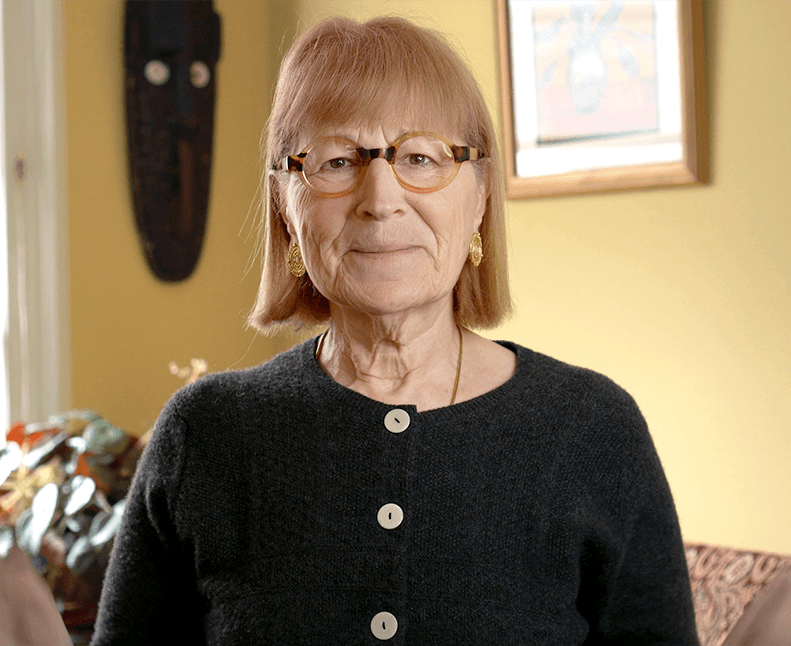
This notion of masculinity being associated with scientific, technical, industrial work had a long history. One of the main things I’ve been concerned with during my career has been the extent to which these inequalities and differences in where women and men work actually affect and shape the kinds of technology we get.
Judy Wajcman is the Anthony Giddens Professor of Sociology at the London School of Economics and a Fellow at the Alan Turing Institute. Her work has broadly been within the area of the sociology of technology, work and employment, and she has been particularly interested in how gender relations are embedded in these fields.
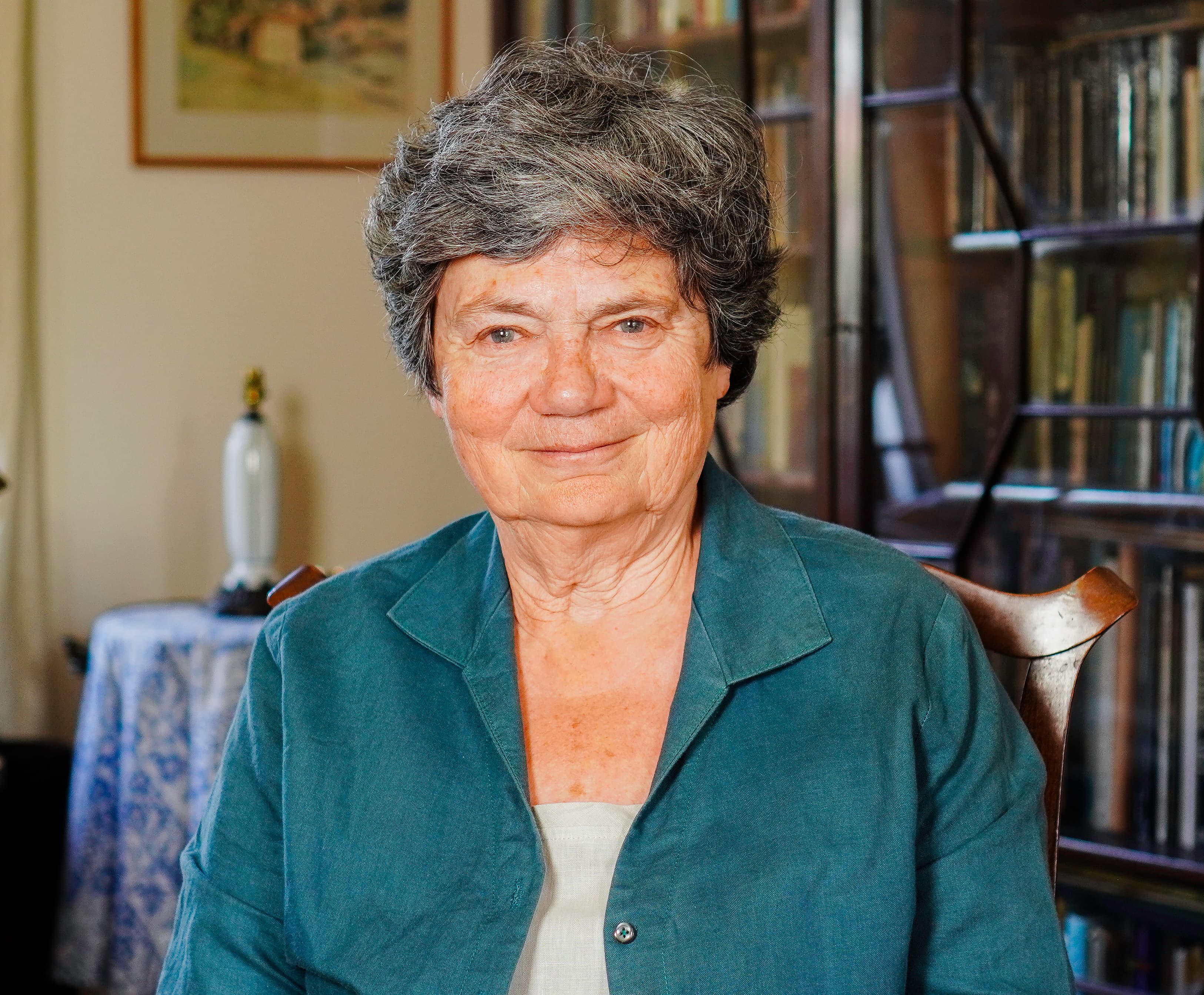
Feminist economics looks at the economy from the point of view of women's lives as much as men's lives, and it differs from mainstream economics, which tends to take men's lives as the norm.
Susan Himmelweit is Emeritus Professor of Economics at the Open University and the coordinator of the Policy Advisory Group of the Women's Budget Group. She is a feminist economist, and this means that her research is on the boundaries between the economy and the family, which is where most gender issues in economics arise.
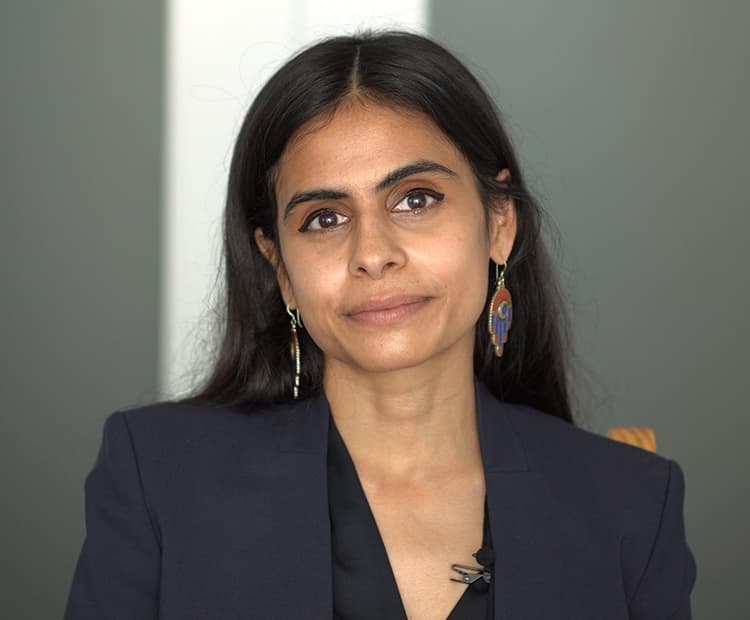
Women’s leadership and feminist political organising have been critical to all kinds of political movements. This is particularly true in relation to minority rights.
Durba Mitra is the Richard B. Wolf Associate Professor of Women, Gender and Sexuality at Harvard University. She is a scholar of the history of sexuality and epistemology in South Asia and the comparative colonial and post-colonial world.
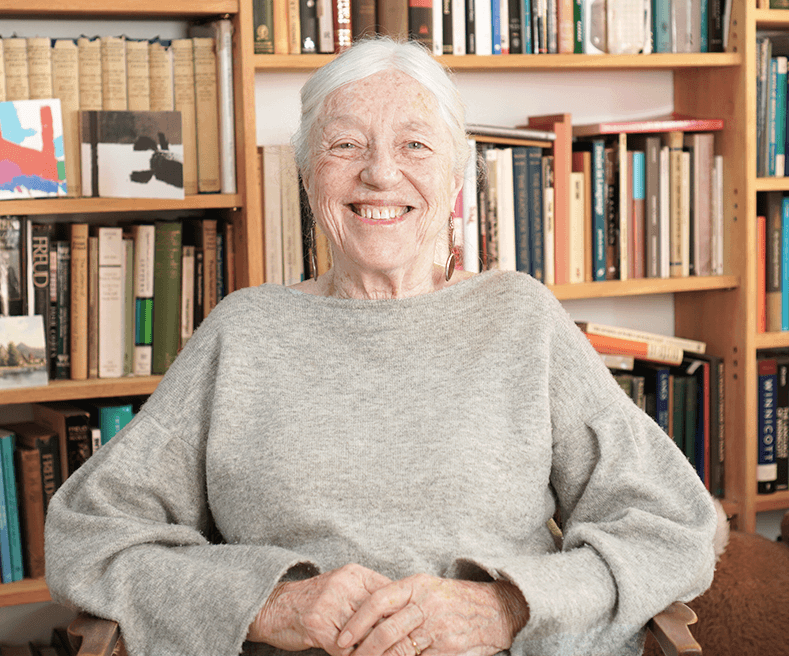
Psychoanalysis is absolutely central to the feminist revolution. The way to use Freud as a feminist is quite simple. It is to say, look, we can take over and use this very complex and detailed analysis of patriarchy. We can make it fair. We can make it our own by seeing what it is that it’s describing.
Juliet Mitchell is a professor emerita of psychoanalysis and gender studies at the University of Cambridge, where she established a Centre for Gender Studies. She is also Founder Director of the Expanded Doctoral School in Psychoanalytic Studies at the Psychoanalysis Unit of University College London. She is not a specialist. She is what people call a polymath, which means she goes across a lot of disciplines. The sorts of subjects she ranges in are sociology, politics, socialist politics and art. She is currently working in the field of contemporary art, Louise Bourgeois particularly, and in English literature, which was her first degree.
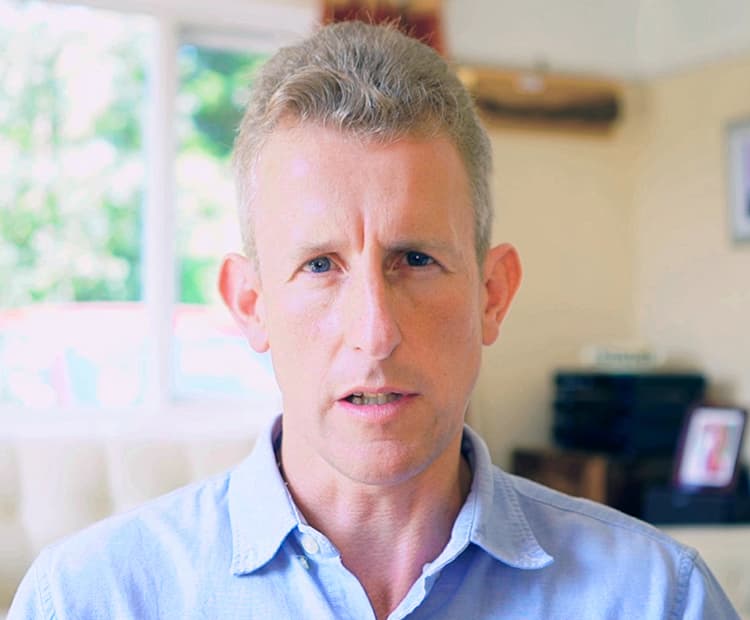
Tim Lenton, Professor of Earth System Science at the University of Exeter, explains climate tipping points, when we may hit them and warning methods.
Tim Lenton is Director of the Global Systems Institute and Professor of Earth System Science at the University of Exeter. His work focuses on the transformation of our planet. Reading Jim Lovelock's books on Gaia ignited his passion for studying the Earth as a whole system. He studies how our remarkable planet came to be the way it is now, how humans are transforming the Earth's system, and how we might create a flourishing future within that system.
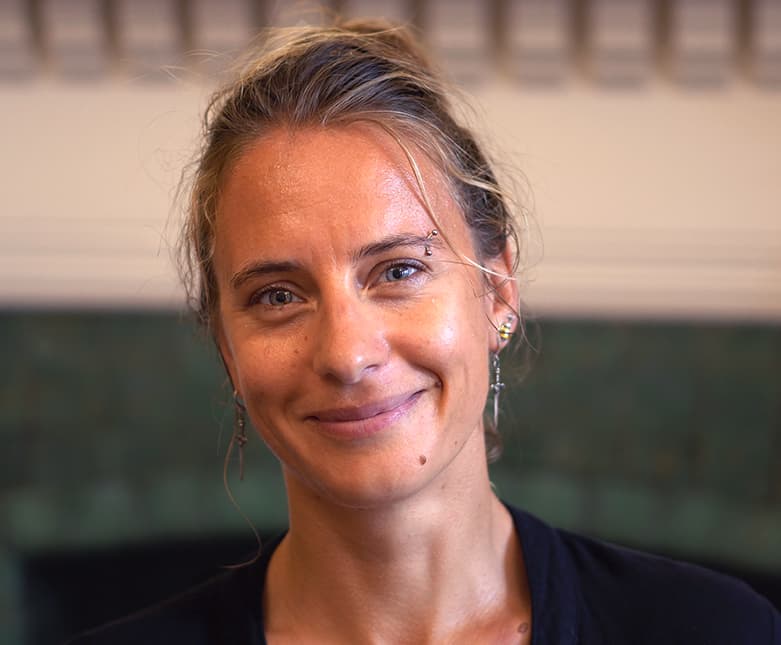
We have 1°C of global warming, but what does that entail? The answer is that the likelihood and intensity of extreme weather events are changing.
Friederike Otto is Senior Lecturer in Climate Science at the Grantham Institute for Climate Change and the Environment, Imperial College London, and Honorary Research Associate of the Environmental Change Institute, University of Oxford. Her work focuses on answering the question of whether and to what extent human-induced climate change alters the likelihood and intensity of extreme weather events and, in particular, how these changes and extreme events affect people across the world.
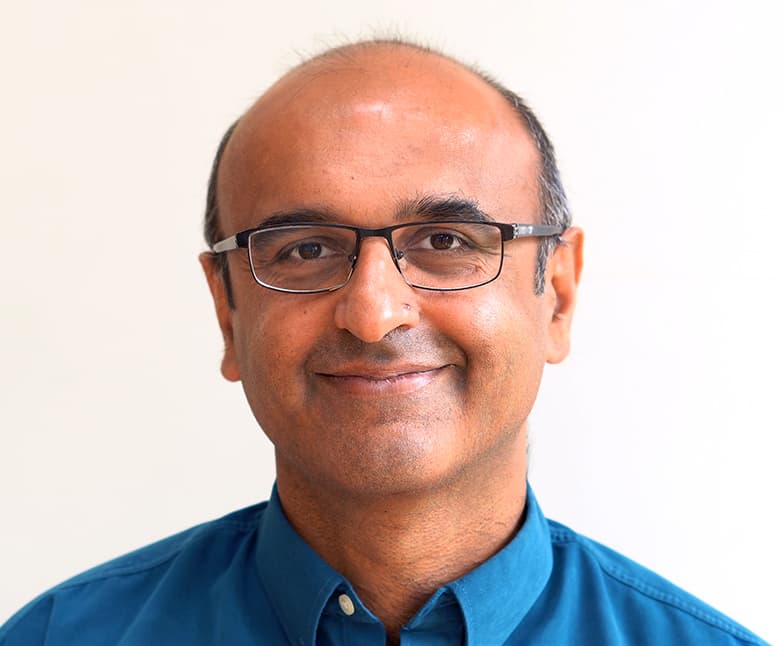
The rate of change in ecosystems has been accelerating. The most significant factor driving this change is the conversion of natural ecosystems into agriculture and cattle land.
Yadvinder Malhi is a Professor of Ecosystem Science at the University of Oxford, where he studies the living world, how it works and how it changes. He is the Director of the Leverhulme Centre for Nature Recovery and was awarded the 2025 Ramon Margalef Prize in Ecology. An ecosystem scientist, he explores the functioning of the biosphere and its interactions with climate change. He has a particular fascination with and love for tropical forests, though he has recently been spotted in ecosystems ranging from savannas, the Arctic, tropical coral reefs, and Oxfordshire's woodlands and floodplain meadows.
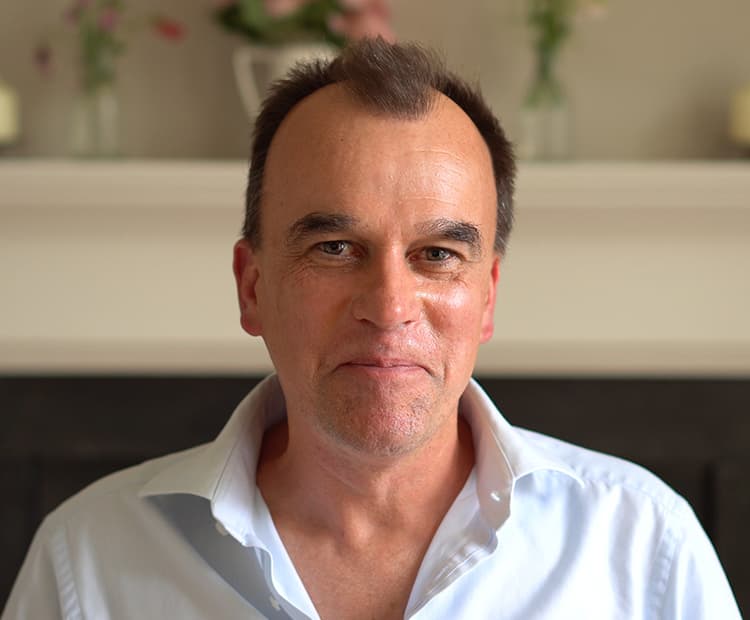
Martin Siegert, Deputy Vice-Chancellor at the University of Exeter and an antarctic glaciologist, examines the changes in the Antarctic.
Martin Siegert is Deputy Vice-Chancellor at the University of Exeter and former Co-Director of the Grantham Institute, Imperial College London. He is an Antarctic glaciologist, he studies how the ice sheets have changed in the past, how they are changing now, and how they will change in the future.
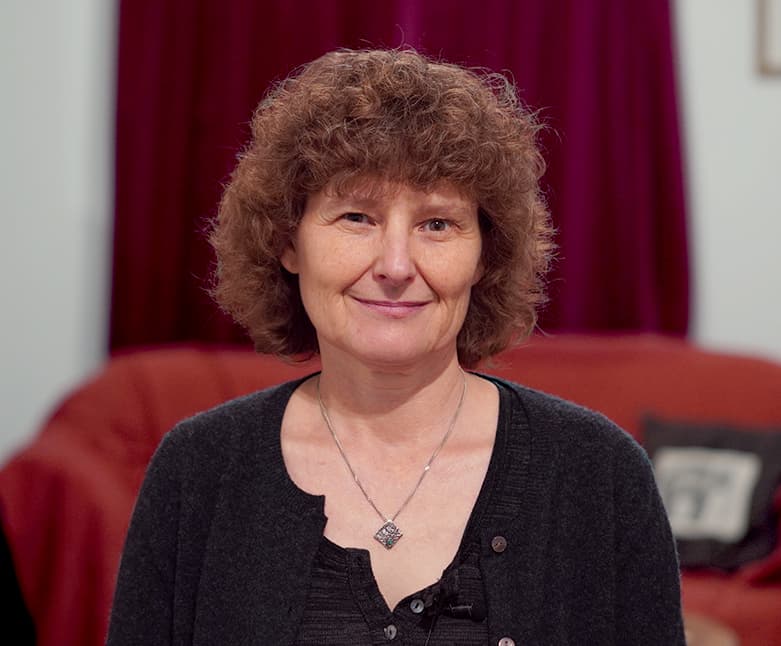
EJ Milner-Gulland, Tasso Leventis Professor of Biodiversity at the University of Oxford, talks about her work with the endangered saiga antelope.
EJ Milner-Gulland is Tasso Leventis Professor of Biodiversity at the University of Oxford and Director of the Interdisciplinary Centre for Conservation Science. Her research focuses on the conservation of nature, and her passion is to find a way for humanity, nature and wildlife to live together sustainably.
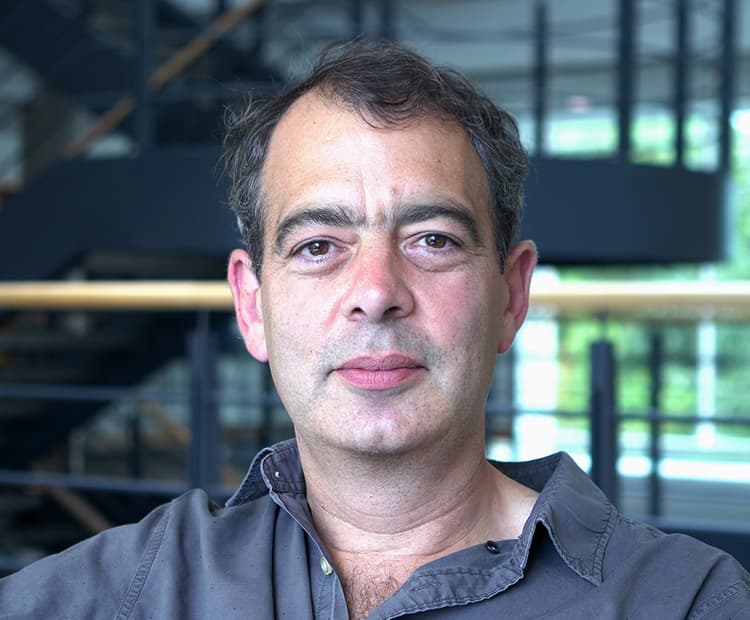
David Runciman, Professor of Politics at Cambridge University, explores the idea of what we call democracy.
David Runciman is a Professor of Politics at Cambridge University and Fellow of the Royal Society of Literature. He explores the history of politics and political ideas, with a particular focus on democracy: where it comes from, how different our democracy is from democracy in the past, and what it might become in the future. Alongside his research, writing and teaching work, he hosted a weekly podcast called Talking Politics, with 300 episodes between 2016 and 2022.
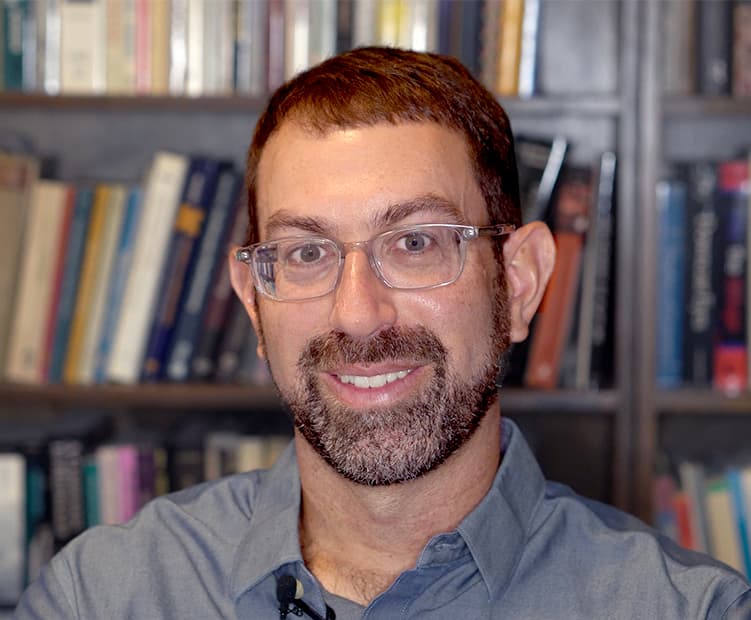
Samuel Moyn, Chancellor Kent Professor of Law and History at Yale University, discusses the first concepts of human rights.
Samuel Moyn is Chancellor Kent Professor of Law and History at Yale University. He is a historian of morality. He has studied where ideas about morality come from and the philosophers who have propounded them. For the past decade or so, he has been interested in movements that try to make the world a better place, such as the human rights movement or the mobilisation to make war less cruel.
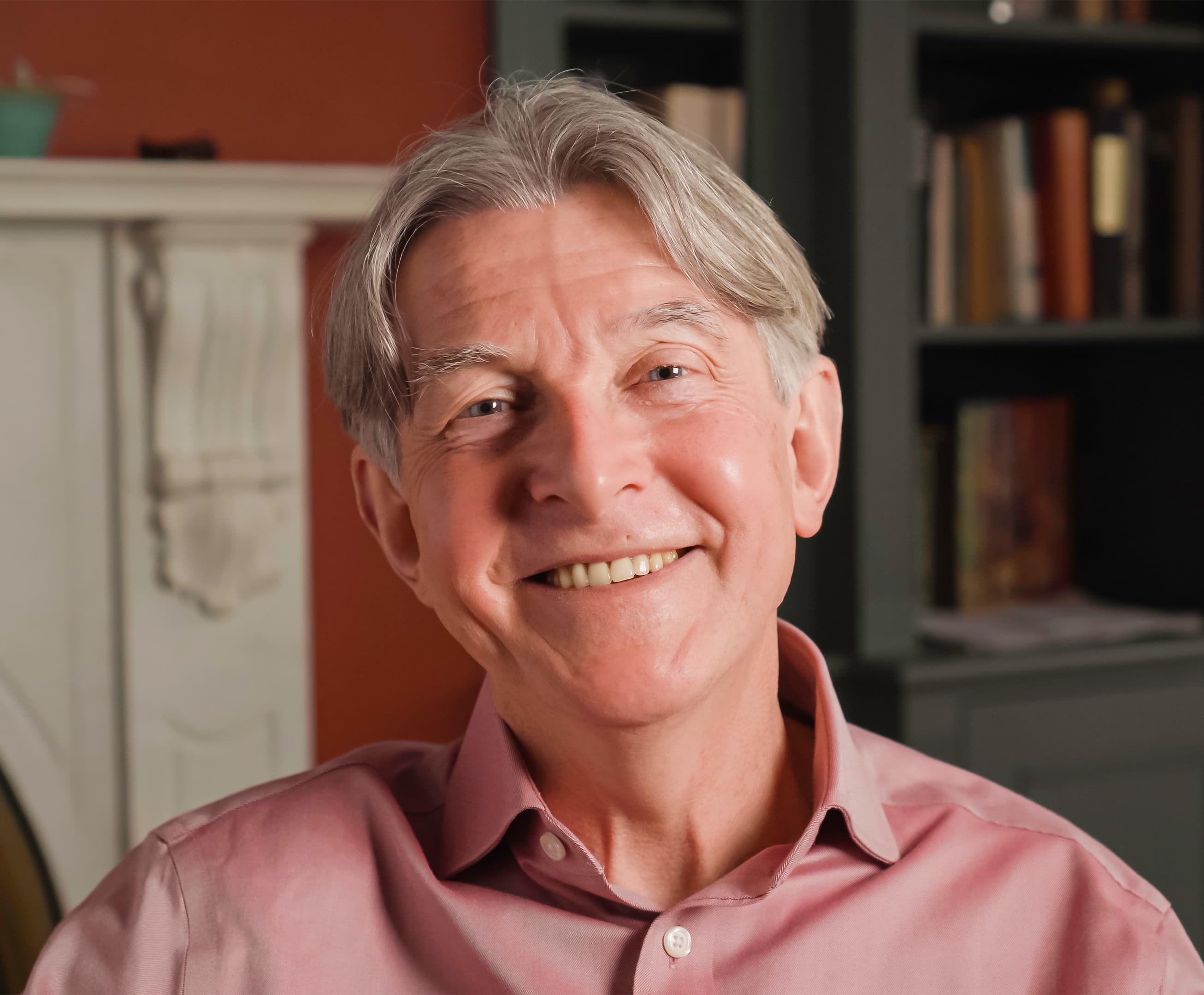
When we accept that we can instrumentalise the human body, whether it’s for reasons of cruelty or in some spurious quest for information, we have given up on a value-based society.
Conor Gearty (1957–2025) was a Professor of Human Rights Law at the London School of Economics, as well as a barrister and a founder member of Matrix Chambers. In addition to his advocacy work, he advised judges, practitioners and public authorities on the implications of the Human Rights Act 1998. He was Director of LSE's Centre for the Study of Human Rights. His books and articles spanned the fields of terrorism, civil liberties and human rights.
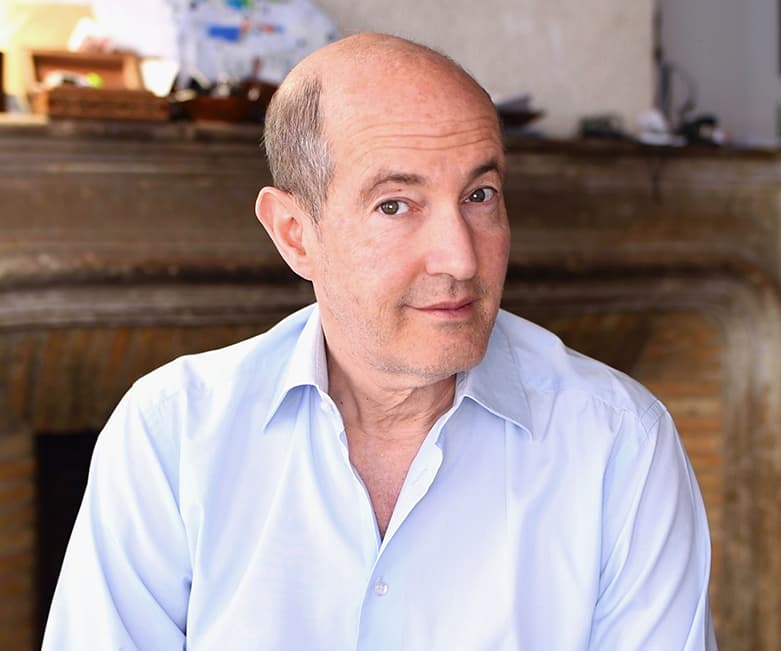
Patrick Weil, Professor at Yale Law School and Senior Research Fellow at the French National Centre for Scientific Research, explores citizenship.
Patrick Weil is a Research Professor at the University of Paris 1 Panthéon Sorbonne and a visiting scholar in law at Yale Law School. In his work, he has often explored the issues of citizenship and immigration laws and policies.
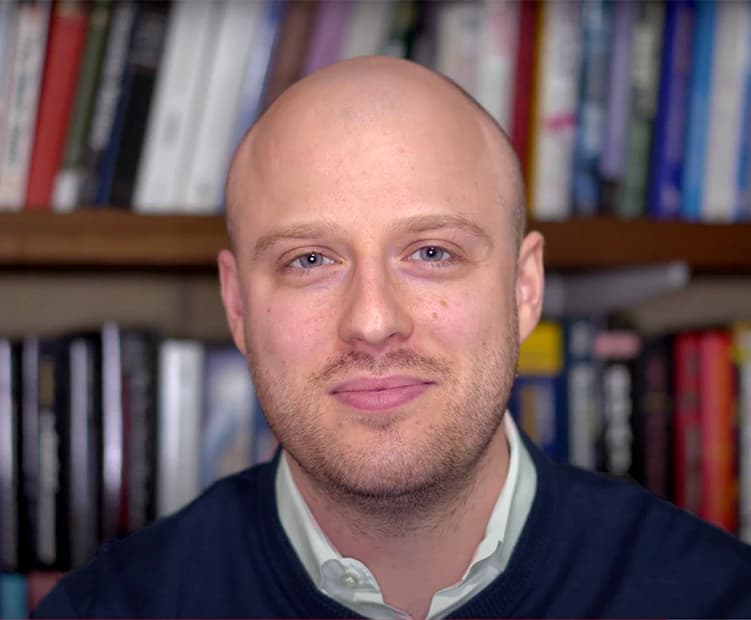
The fact that many countries do not give refugees a straightforward right to work is a complete paradox. I’ve never really understood why a country wouldn’t want all of its residents, whether they’re citizens or not, to participate in economic life.
Alex Teytelboym is an Associate Professor of Economics at the University of Oxford, where he specialises in market design and network economics. His research interests include how best to run complex auctions and how networks shape the diffusion of innovations. He is also interested in applying economic theory to environmental economics and energy markets. He co-founded Refugees.AI, an international collaboration to develop analytical tools to improve refugee resettlement.