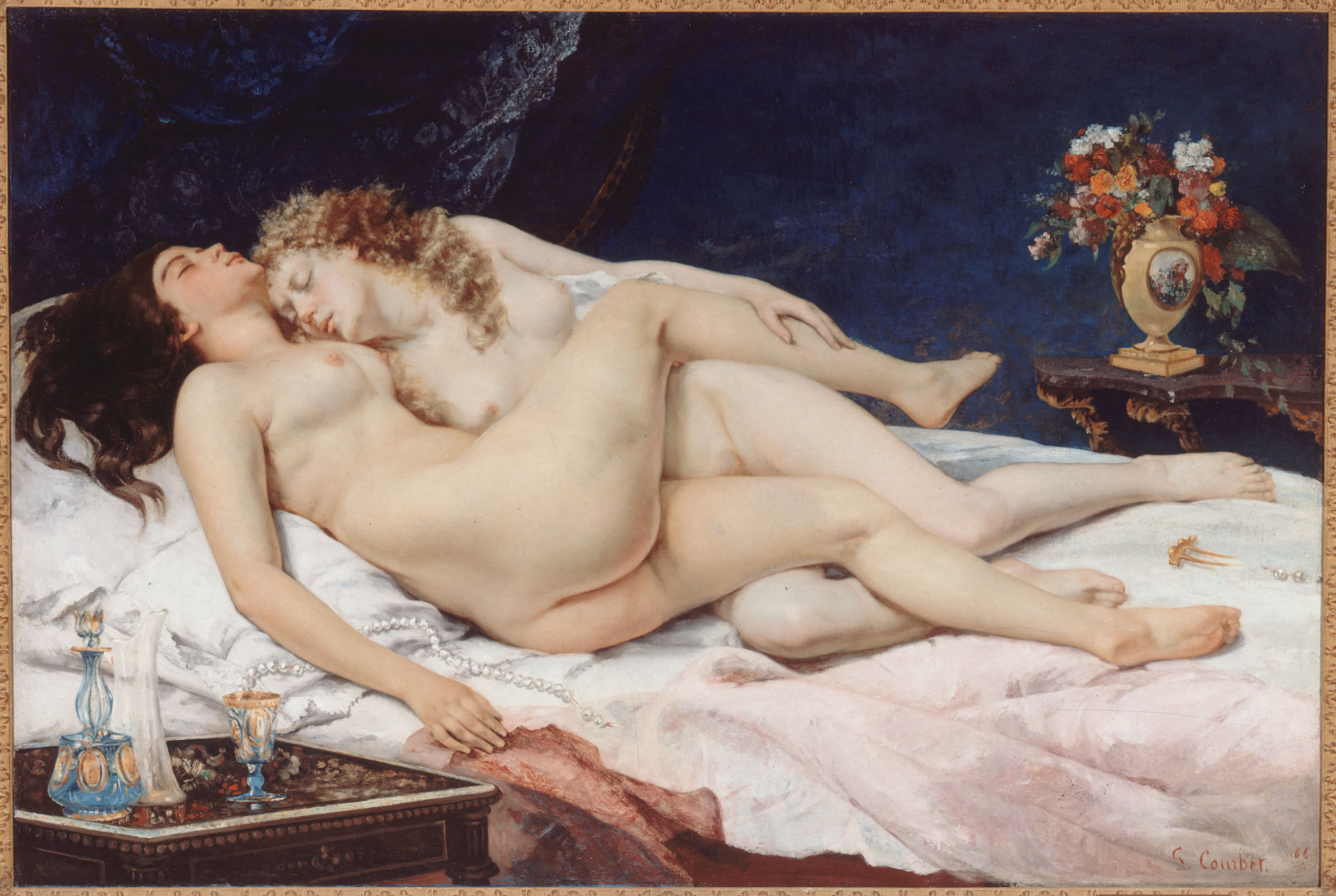
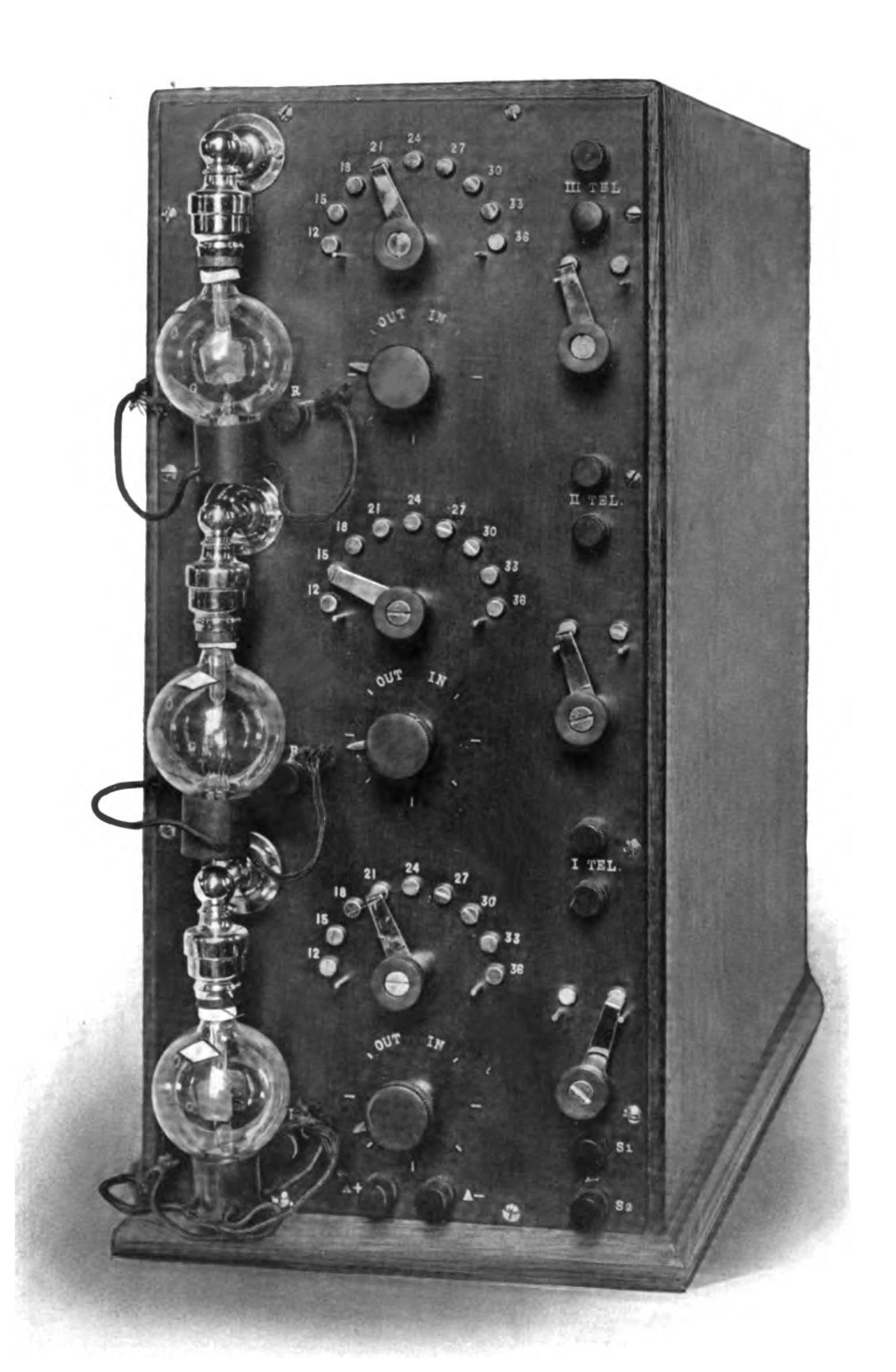
An amplifier is a tool for making music, but it's also a tool for making sound into something that becomes more controllable and accessible and just present for us. The development of the various technologies that have made sound into something that we can access in these different facets of our lives is, on some level, revolutionary — whether that be the telephone or the phonograph. There was a whole host of innovations and inventions in the late 19th and early 20th centuries that paved the way for these transformations. Some of those became very much geared towards listeners and consumers, and some became very much geared towards musicians and other kinds of sound producers. It's precisely the point at which the production of sound and the consumption of sound come together that we see the impact of this sound revolution most powerfully.
The sound revolution
Leverhulme International Professor of Popular Music
Why is music everywhere? From headphones and smartphones to stadium concerts and intimate recordings, the technologies of amplification have transformed how we listen, connect, and experience the world through sound.
- Amplification is far more than a device that makes things louder. It is a transformative phenomenon that has made sound controllable, accessible, and central to modern life, linking the production and consumption of sound in unprecedented ways.
- From the phonograph to smartphones and headphones, amplification has made music ubiquitous. It has blurred the boundaries between public and private space, allowing people to carry music with them wherever they go.
- Amplification does not simply increase volume; it changes the texture and character of sound. Effects such as distortion became the foundation of new musical styles, helping shape the sound of blues, rock, and much of twentieth-century popular music.
- Listening is a cultural act as much as a sensory one. Amplified sound has reshaped our expectations of loudness, silence, intimacy, and collective experience, influencing everything from concert halls and cities to our everyday habits and emotions.
Amplification
The sound revolution, as I understand it, is quite a wide-ranging thing. Some of it has to do very specifically with the ways in which I have been thinking about the importance of amplification technology, which is really at the crux of the current research that I'm doing. I've had to clarify in some settings that what I'm talking about isn't just amplifiers as devices, but amplification as a phenomenon. Amplification as a phenomenon is a very pervasive thing that we find in more aspects of our everyday lives than we are aware of most of the time, from our phones to our TVs to our computers and, of course, to the ways in which we engage with music.
© Wikimedia
Ubiquitous music
There was always music around in various aspects of our lives in an era that well predated amplification, but the extent to which it has become around is the connotation of ubiquitous music. You have music on a portable device, you have music on your phone — a few years ago it was on an iPod, and before that it was on a Walkman, before that it was on your car radio. But in whatever capacity you have it, music is something that you can have within some facet of your daily life. You're not just going out to a concert. In the 19th century, you would have had it through having a piano in your parlor.
© Shutterstock
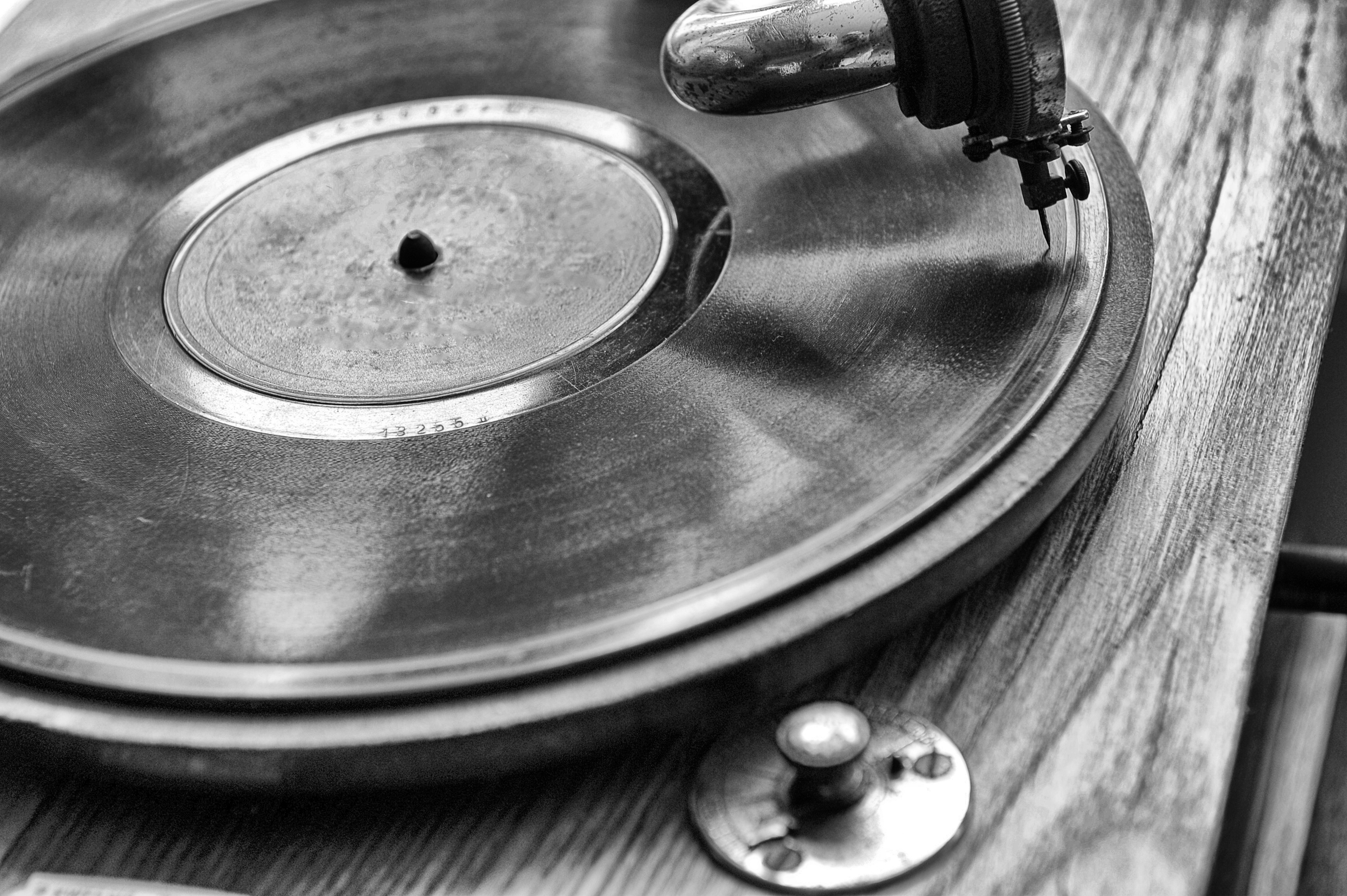
One of the things that the phonograph affords is that you don't just have to listen to yourself or to your friend who's playing the piano. You can listen to any artist who has happened to make a recorded object and have the opportunity to bring that into your home. That's already a form of ubiquitous music — that music is entering the home space. It's blurring the boundaries between public and private. That's one of the things that amplification has enabled, while also enabling listeners to experience sound at levels that they would never have before.
Very commonly, amplification is used as a shorthand for loudness and volume. I'm trying in my work to demonstrate that it has much more significance than just sheer loudness, but sheer loudness matters. It changes the physical experience of listening to sound, of listening to music. It sometimes makes dancing more enervating and exciting. Sometimes it can make a singer's voice seem like it's reaching us that much more powerfully. It can also allow for events to be staged at a scale that was not physically possible in the past, and that has important implications for listeners too, and for the ways in which they experience collectivity through their engagement with music. Those are some of the ways in which amplification has affected what it means to listen to music and listen to sound.
The texture of the sound
With regard to performers and their engagement with amplification, on some level there's a fundamental importance to volume, and the ability to be louder can matter in a lot of different ways. On a metaphorical, but also a literal level, if you're louder, you can be heard more. For instance, for historically marginalized populations — for women artists, for African American artists, for other artists of color who haven't always had a chance to have their voices heard — being able to be louder has a real significance that goes beyond the sheer materiality of the volume being higher.
© Wikimedia
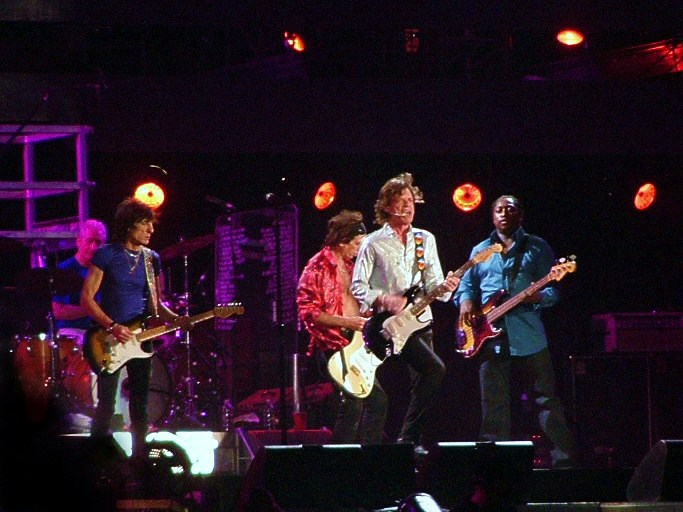
Partly it's about representation, but there's also a more squarely aesthetic dimension to amplification: loudness changes the sound, it changes the texture of the sound. It allows what are called overtones to be more prominent, which gives the sound more of a grain to it. The phenomenon that we call distortion, for instance, is often a byproduct of amplification and something that goes along with it. In an early phase in the history of amplification, distortion was something that was generally to be avoided, and eventually artists and record producers realized that there were instances in which distortion could be desirable. The sound that we recognize as the quintessential rock guitar sound or the quintessential blues guitar sound is a distorted, amplified sound. It was that sound that was the basis for many of the musical innovations of the mid-20th century.
Sentiments and emotions
What amplification has also mattered in the context of performance is that it's not just that artists can be louder, but also that they have more control over the character of the sound and the volume of the sound. As much as amplification makes certain things louder, where we hear them in a very immediate and almost pressing manner, it also allows quieter things to be heard. With regard to singing in particular, that has mattered a great deal. Singers don't have to shout in order to be heard. It enables a different kind of singing, a kind of singing that's quieter, a kind of singing that offers more of a sense of intimacy, which has had an enormous impact on the ways in which pop artists and pop singers have conveyed their sentiments and emotions to their listeners and have made listeners feel like they're having a personal connection with the artists they are listening to, because it's almost as if they are singing directly to them.

© Wikimedia
The experience of listening
Further thinking about how amplification has changed the experience of the listener, I would come back to the way in which amplification has become more and more integrated not just into specialized amplification technologies like an amplifier itself, but into the devices that we encounter in our daily lives. Headphones are a good example. We may not think of a headphone set as an amplifier, but in fact it is. Headphones allow us to have that experience of a certain amount of privacy in public. One of the things that really matters for the listener is the way in which there's a certain sense of public and private blurring together, that you can do things in public that you might not otherwise have felt enabled or empowered to do.

© Shutterstock
This can have some negative repercussions too. It's important to recognize that this isn't all just about the progress of music being made more accessible because, in some instances where our music is carried with us, the people around us may not actually like it being carried with us. The noise that amplification generates can also generate conflict, whether that's on a bus where somebody next to you is listening to their phone without using headphones, or in a neighborhood where there's a live music club that is playing music really loud late into the night, and there may be zoning ordinances that are supposed to prevent that from happening. The sheer fact that we have zoning ordinances is an indication that we've developed the very patterns according to which we live, according to, in part, spaces where we're allowed to be loud and spaces where we're supposed to be quiet. Amplification has been very much implicated in defining which of those spaces are which and where those boundaries ought to be drawn.
Room's acoustics
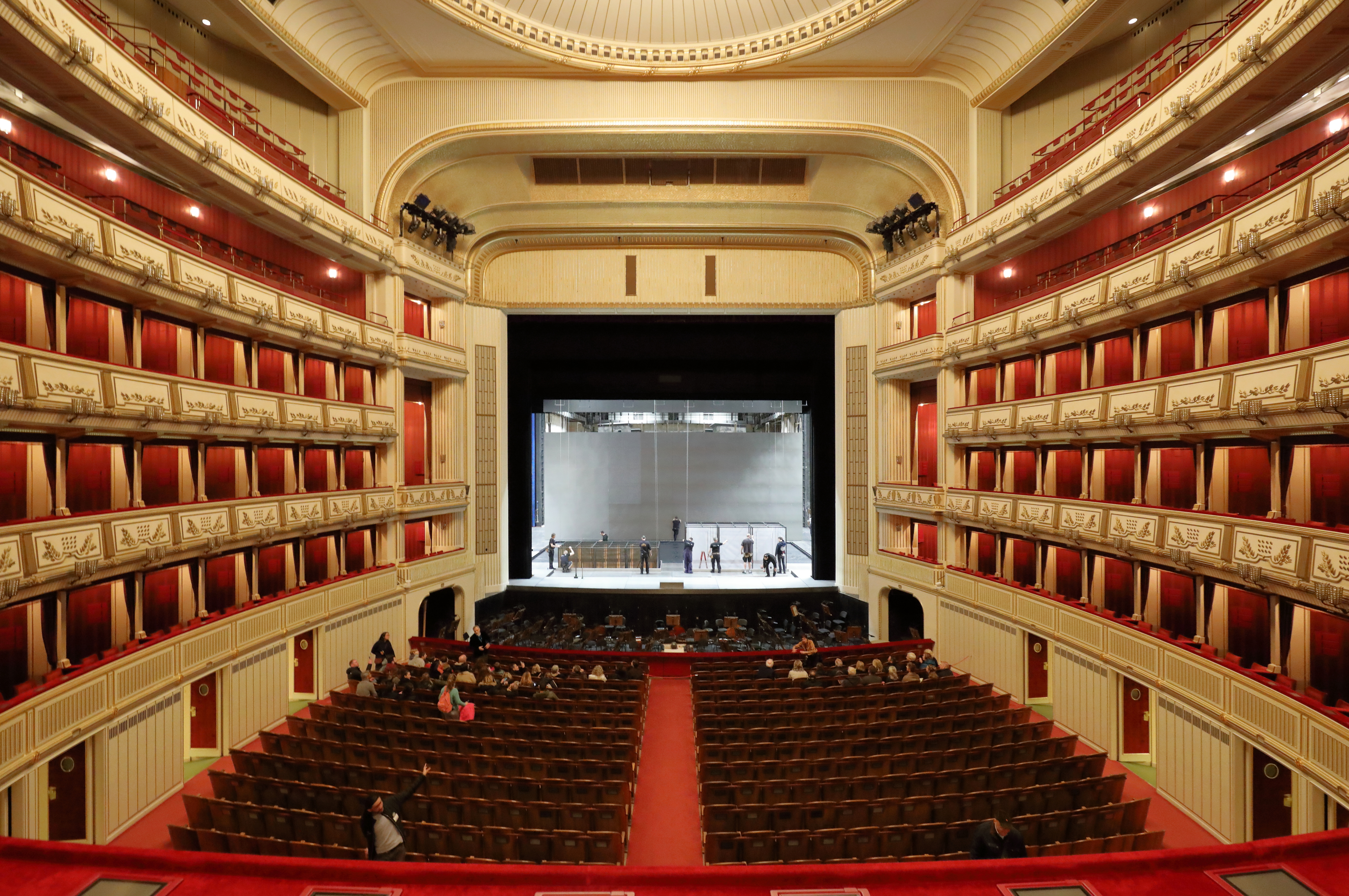
Amplification has had quite a significant impact on the conceptualization and construction of various types of spaces that are designed to present and produce sound. Concert halls themselves historically had to be designed with the priority of being able to amplify, in a sense, voices and other instrumental sounds that were precisely not already amplified. There was a continual refinement to try to figure out the best way to build a room's acoustics in order to fit the imperative of making an artist audible to whatever the desired audience was, whether that was an audience of 200 or an audience of 2,000. Of course, the larger the audience, the harder it would have been to project to the whole crowd at once. When amplification becomes more available and more common, it requires a rethinking of the spatial requirements necessary in order to make something audible.
© Wikimedia
Reverberation
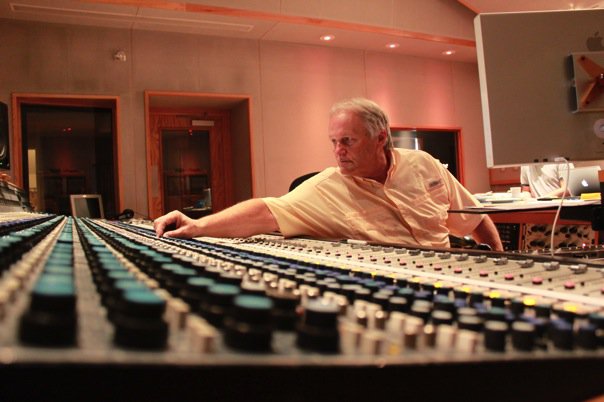
One of the areas where that matters, for instance, is what's called reverberation time. In any given room, you have an amount of reverb — the kind of echo that comes off the walls. It used to be thought that more echo would make for a better acoustic. A more modern type of acoustic sensibility emerged even before amplification that suggested that less reverb was actually better because it allowed for more clarity.
© Wikimedia
When amplification becomes available — through amplifying devices, amplifiers, and loudspeakers — it requires that much more rethinking because when an amplifier and a speaker are working in an enclosed space and the sound is bouncing off the walls, if it's too reverberant, everybody's going to be overwhelmed by the reverberation and you're almost not going to hear the actual sound that you want to hear. You're not going to hear the artist; they're going to be almost drowned out. There was much more of a need to refine the structural design of spaces in order to make sure that the amplification didn't wind up effectively drowning out the performer or, alternately, overwhelming the audience with the reverberations that were resounding around them.
It took several decades for the people who work in audio engineering and sound engineering to figure out the right way to strike a balance. If you read accounts of concerts from the 1920s, 1930s, and 1940s, one of the things that reviewers often talk about is their disappointment with the sound in different venues. Especially, singers had trouble getting heard properly, or if the singer was heard properly, then you sometimes couldn't hear the band properly. There were always problems of balance.
A cultural act
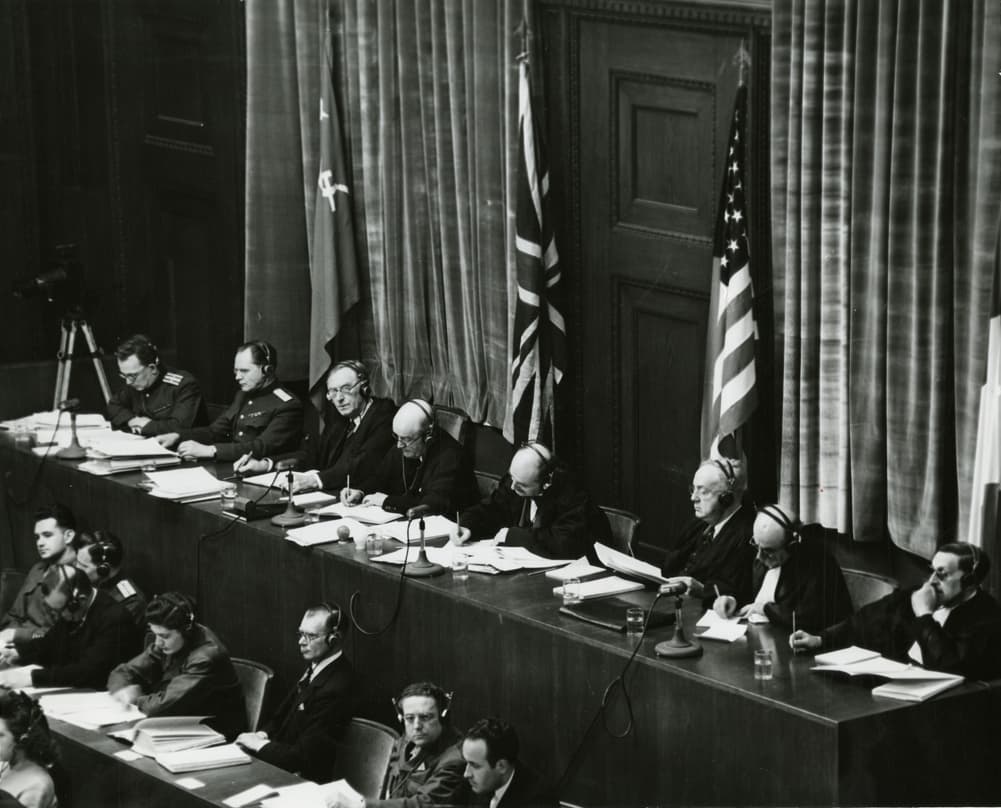
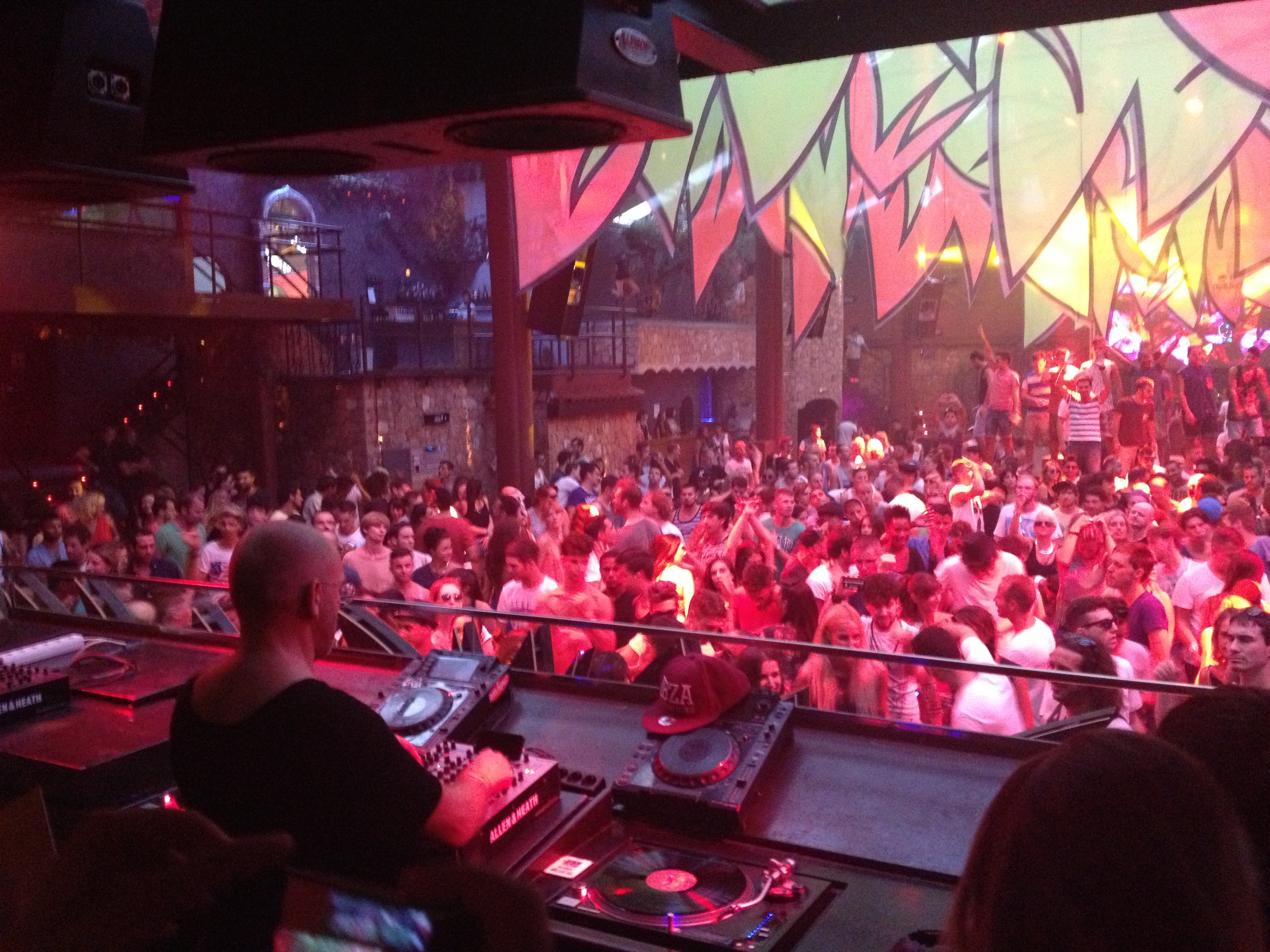
Listening is indeed a cultural and not just a sensory act. Our senses are culturally shaped, and I'm not alone in making that assumption. How we hear and how we see are filtered by what Bourdieu called the habitus that we dwell within. A very basic way in which that is true is that even a fundamental thing like what counts as loud or how we define silence is going to be culturally determined. It's not just a matter of basic hearing. The threshold for loudness has continued to grow and grow and grow over time. As it does, our assumptions about how loud is really loud change.
© Wikimedia
Of course, there are questions about how loud is desirable or how loud is undesirable. By the same token, as we get used to having amplified sounds more integrated into our environments, silence becomes more and more something that isn't a given. I've had students, for instance, who have talked about how they have to have their headphones on all the time because they're afraid of silence. That sense of being afraid of silence is very much a byproduct of the fact that amplified, mediated sound is around us so much of the time. For some of us, it's almost like a security blanket. That's very much a cultural aspect; it has very little to do with the squarely sensory dimensions of listening.
Editor’s note: This article has been faithfully transcribed from the original interview filmed with the author, and carefully edited and proofread. Edit date: 2026
Discover more about
The sound revolution
Waksman, S. et al. (2025-2030), Leverhulme International Professorship Scheme: Amplification Project.
Waksman, S. (2026), Everything Louder than Everything Else: Amplification and the Aesthetics of Volume. Rock Music Studies.
Waksman, S. (2026), Situating Sounds: Musical Instruments and the Sonic Fabric of Pop.