


Some of the complexity of live music also comes from that basic tension that there are people who depend on this event for their livelihood, and then there are others who depend on it in order to give them a sense of cultural and artistic sustenance that gets them through the day — which might include the artists themselves, who are positioned right between those two imperatives.
Live music
Why do live concerts still matter in a digital world? More than entertainment, live music creates communities, shapes identities, breaks down social barriers, and satisfies a deeply human need to share experiences with others.
Leverhulme International Professor of Popular Music
31 Aug 2026
Citation-ready summary
Why do live concerts still matter in a digital world? More than entertainment, live music creates communities, shapes identities, breaks down social barriers, and satisfies a deeply human need to share experiences with others.
Author: Steve Waksman
Last updated: 31 Aug 2026
Canonical URL: https://www.joinexpeditions.com/exps/1434-live-music
Key Points
- Live music is a complex cultural and economic ecosystem that brings together artists, audiences, venues, and industries. It provides both livelihoods and the shared experiences that enrich everyday life.
- Concerts intensify the connections people feel with artists and with one another. They transform personal tastes into collective experiences, creating powerful feelings of identity, community, and belonging.
- Contrary to predictions, recordings, streaming, and online media have not replaced live performance. They often increase the desire for in-person encounters, as people seek shared experiences that digital spaces cannot fully provide.
- Live music brings together people from different backgrounds, cultures, races, genders, and generations. By creating spaces where differences meet, it has often challenged social divisions and helped reshape cultural values.
The creation of live music
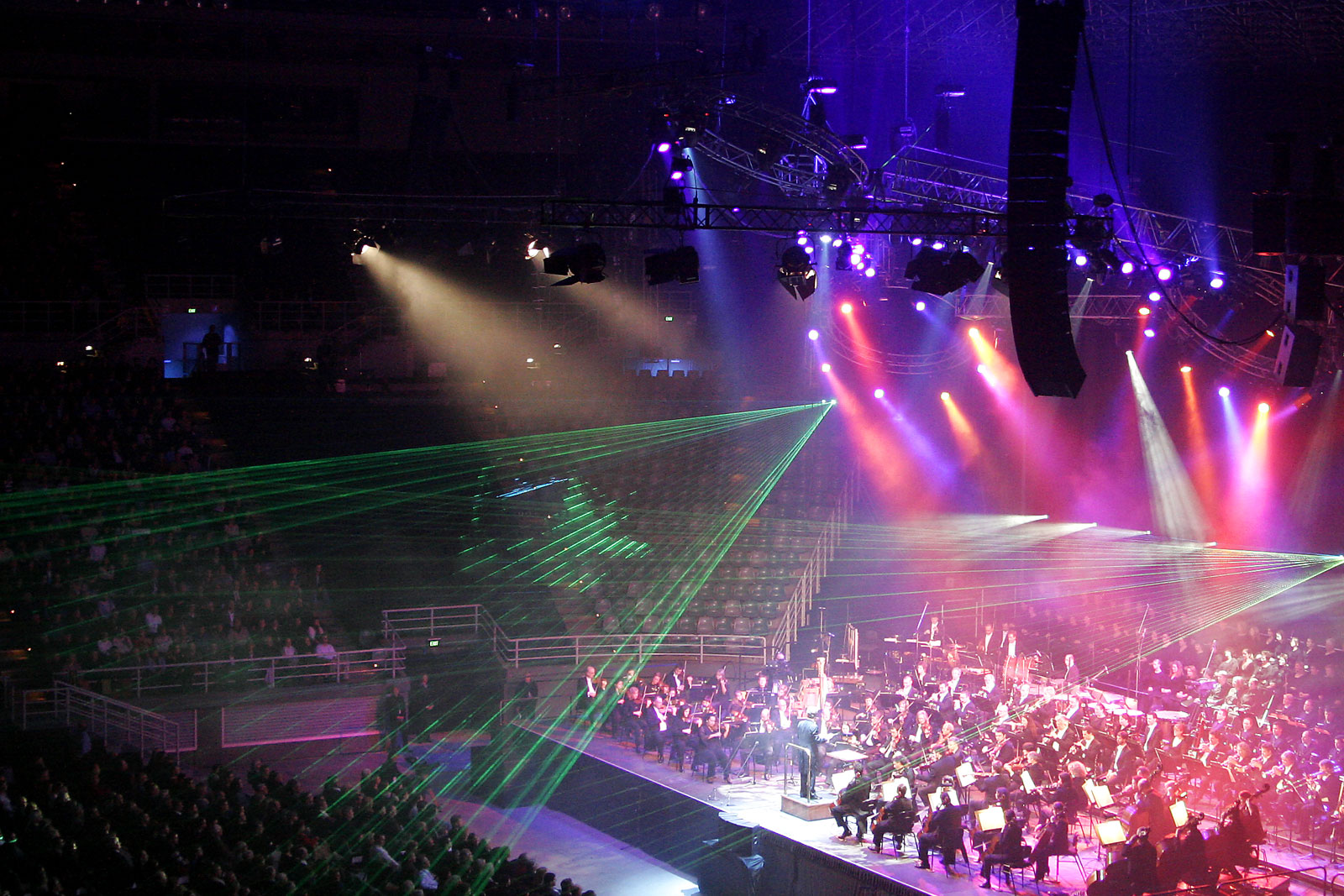
The creation of live music is an incredibly complex phenomenon and has been for centuries. Even just the sheer fact of getting an audience to come into a space and watch and enjoy and listen to a performance takes a significant amount of work. What has made it that much more complex over time is the degree to which there has been an industry and an economy developed around live music performance and production that depends on events happening with a certain amount of regularity and happening at a certain scale. The scale, of course, can be quite variable. Some events are smaller, some events are larger. But in either event, the notion that there are people who depend for their revenue on live music events happening routinely and regularly over days and weeks and months has created a situation where live music is very much a prominent part of our leisure experience and our leisure activity.
© Wikimedia
Live performances

Sound recording allows music to enter into people's homes, and radio does the same thing. Between the two, listeners develop that much more of an intensive relationship to the star artist on an everyday level. As they do so, the aura of the live performance grows that much further. On the one hand, you can have this artist in your home and you can possess their voice and you can treat yourself to that experience anytime you want, but you can't see them. Maybe you can see them on the cover of a record, or you can see them in a reproduction of a poster from a performance, or a photograph. But to actually see them, you have to go to see them live.
© Shutterstock
While there have been some hypotheses that recording and other types of mediated culture are taking away from the experience of live music, it is much more complex than that, and just as often it is the mediation of music that makes us that much more desirous of the opportunity to have the encounter in the live setting.
Identity and a sense of belonging
Live music cultivates a sense of identity on some level, through the basic interrelationship that exists between the artist and the audience. One of the things that the consumer culture that has evolved throughout the 19th and 20th centuries, and up to our present day, has entailed is that more and more ordinary consumers are defining themselves through their taste and through the purchases that they make in a cultural realm. What music you listen to, what books you read, what movies you like, what podcasts you listen to — these are all things that contribute to a sense of self, to a sense of identification.
© Wikimedia
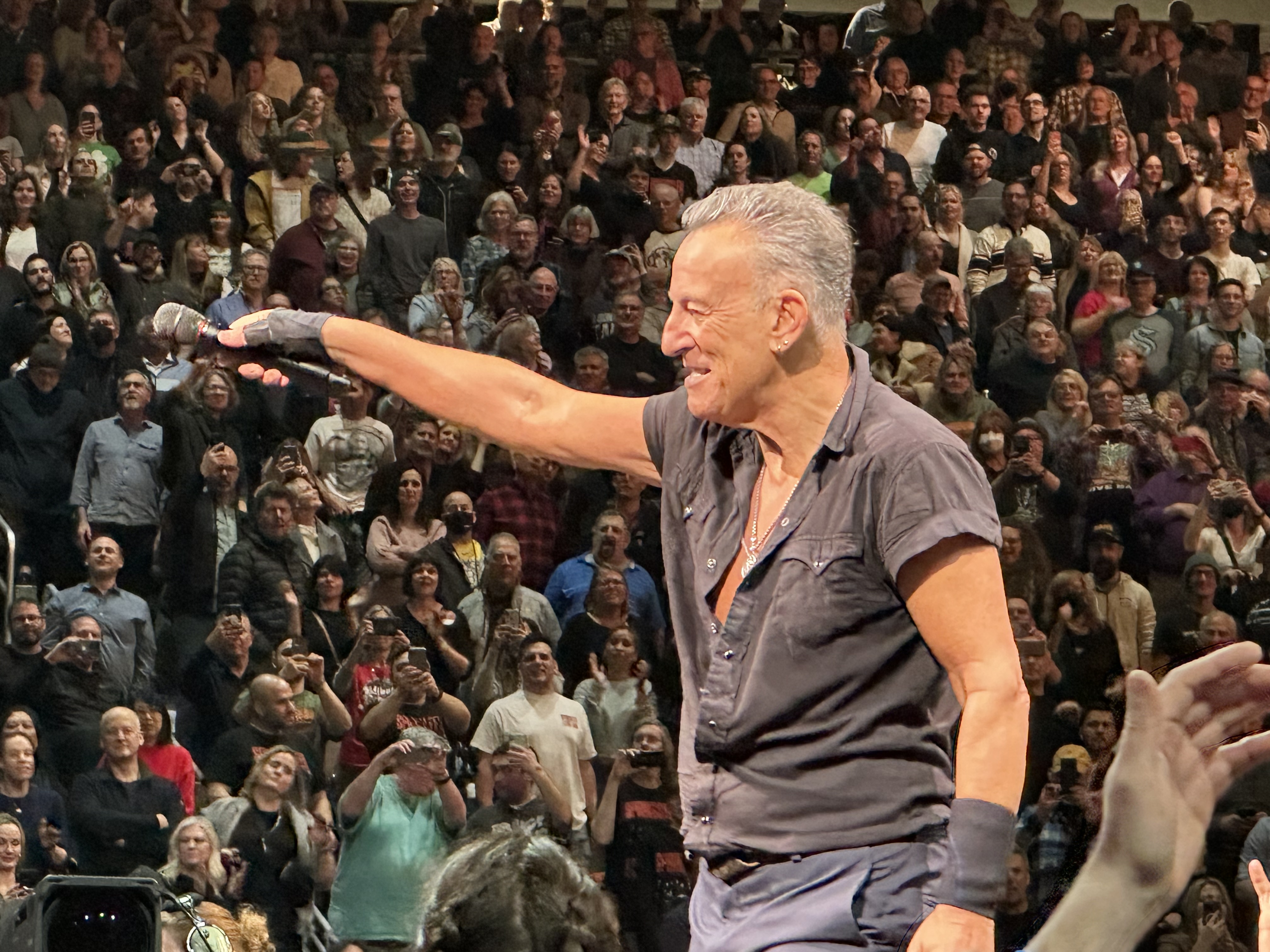
Members of the audience are often specifically looking to engage with artists who might somehow resemble them, give them a kind of mirror image back of themselves — whether that be in terms of gender, whether that be in terms of race — or sometimes it may not be quite so squarely sociological. It might just be a feeling that they can identify with that a given artist is expressing. But all those points of identification that get enacted through our media consumption on a regular basis are heightened and intensified in the context of a live performance where you're in the same room and you're with other people who have at least one thing in common with you, which is that they were motivated to want to see that same event on that same night that you're there.
Live music in the digital age
Live music is, if anything, more important in some ways in the current digital environment that we live in, and that may seem counterintuitive, but in part it is a matter of looking at the evidence. There was a lot of talk at the turn of the 21st century that as more and more music became available online — and we weren't quite at the streaming era yet, but we were certainly in the downloading era — artists were losing revenue from their recording sales left and right, and people were wondering what the future of the music industry was going to be. Some people were saying, "Well, everything's going online now and nobody's going to want to do anything in person anymore." The first thing to say is that this is not a new fear. It is a fear that existed around radio, a fear that existed around television, and a fear that existed around movies to a certain degree. Time and again, we are shown that this is simply not true.
© Shutterstock
Shaking off isolation
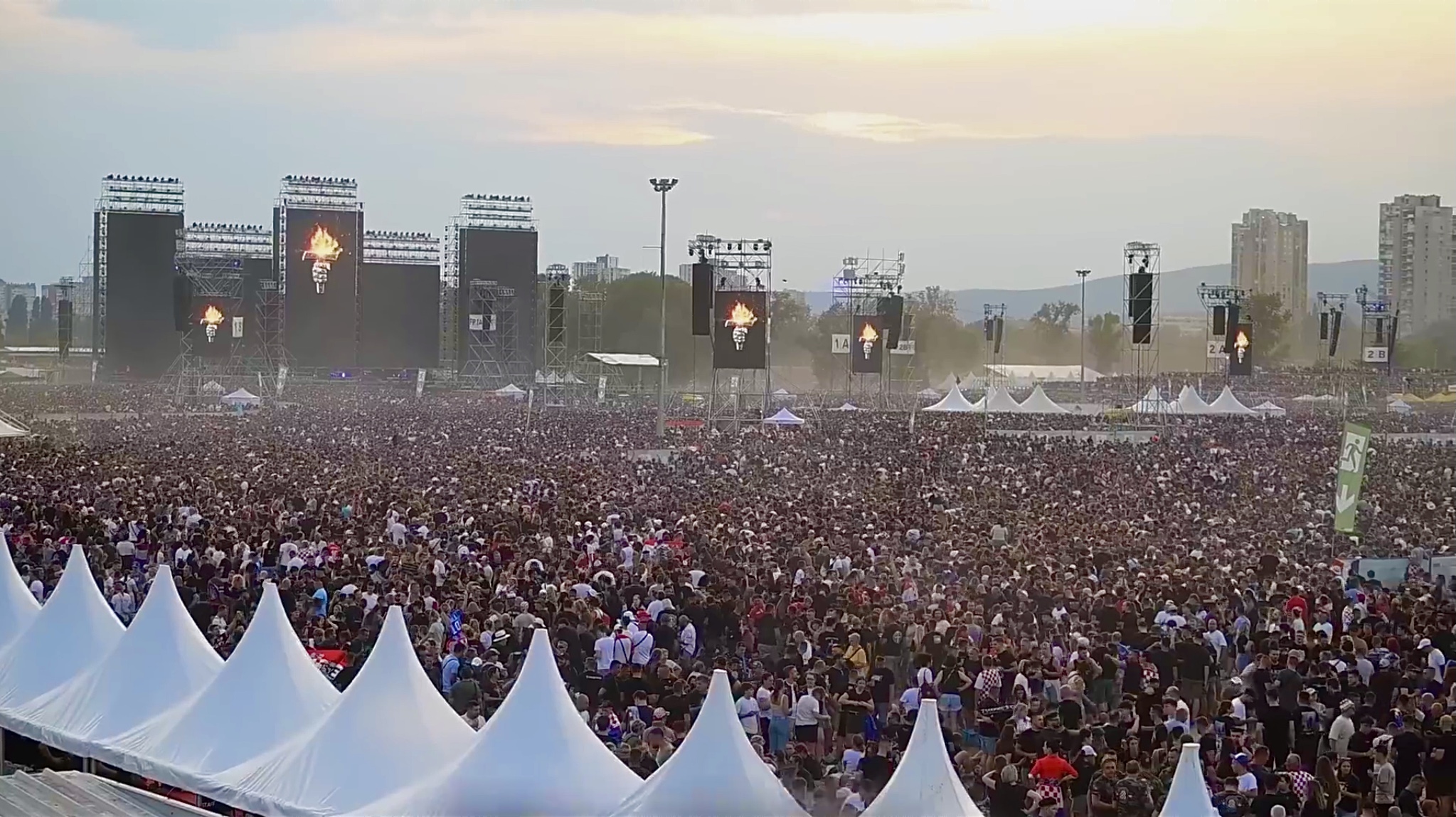
Our relationship to what happens in public changes. I usually don't like to generalize about things at a species level, but this is one of those areas where I'm willing to do that: as a species, we need to be around other people sometimes, not just online.
© Wikimedia
What wound up being the case, as the record industry was completely decentered by the advent of digital downloading and music being made available online roughly for free — nothing's ever really free, but kind of free — was that the live music industry picked up the slack. At the precise moment when record industry revenues crashed completely, live music revenues soared, and this was not accidental. Artists and producers and managers and agents were asking, "Where can we make up the revenue we're losing?" In concert. But they wouldn't have been able to do that if audiences weren't ready to follow them.
The other moment in time that further demonstrates how resilient live music has been in the digital age is the post-pandemic moment. During the pandemic, it was shocking to me how live music simply disappeared, because you couldn't have a bunch of concerts going on during the pandemic. It was not easy to bring it back, so to speak. The success, for instance, of Taylor Swift's Eras Tour, which became far and away the largest-grossing concert tour in history up to this point — and probably will remain so for a while — was a clear indication that one of the ways in which many people wanted to shake off the isolation of the pandemic was by coming back into the experience of live music, and being in a giant stadium full of fans who shared their enthusiasm for an artist and could be in public in a way that an online community simply didn't allow them to be.
Shaping social values
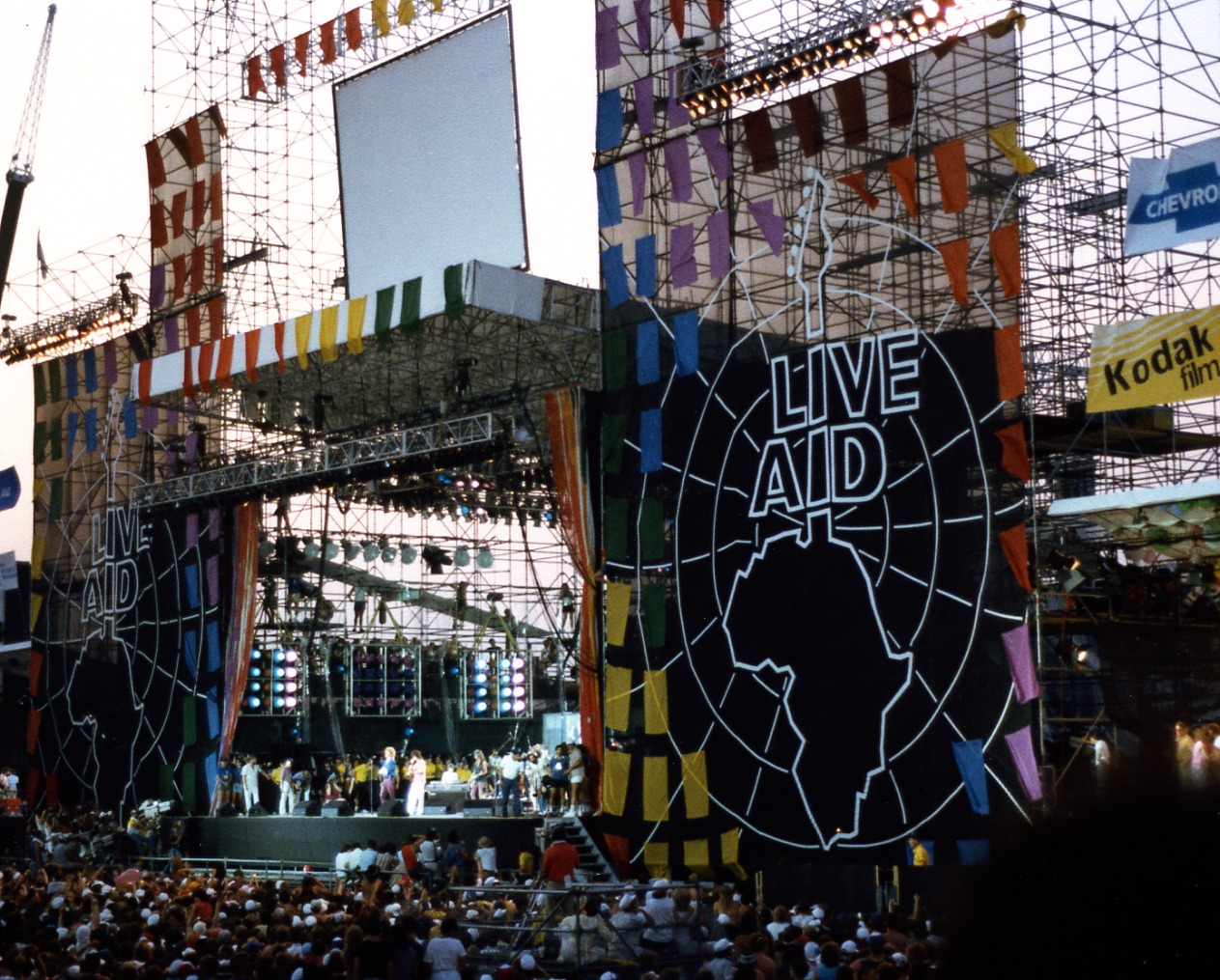
Live music has shaped our social values in more ways than I can concisely enumerate, so I'll just pick a few. For one thing, while audiences are often looking to have their identities affirmed in a live music setting — whether that means being in a space with people who are more like them in gender terms, racial terms, terms of sexuality or class or whatever — live music has just as frequently been a space in which people from different walks of life come into contact with each other, and that is an incredibly important thing to happen in modern cultural life.
© Wikimedia
We see in our current politics that part of what has led to the rise of a kind of new fascism of the far right is the way in which people so often reside in a kind of echo chamber, where they only allow themselves to engage with others who think like them and look like them and act like them. And live music has been a space that has often broken down the ability to stay in your echo chamber, sometimes voluntarily and sometimes not.
New styles of music
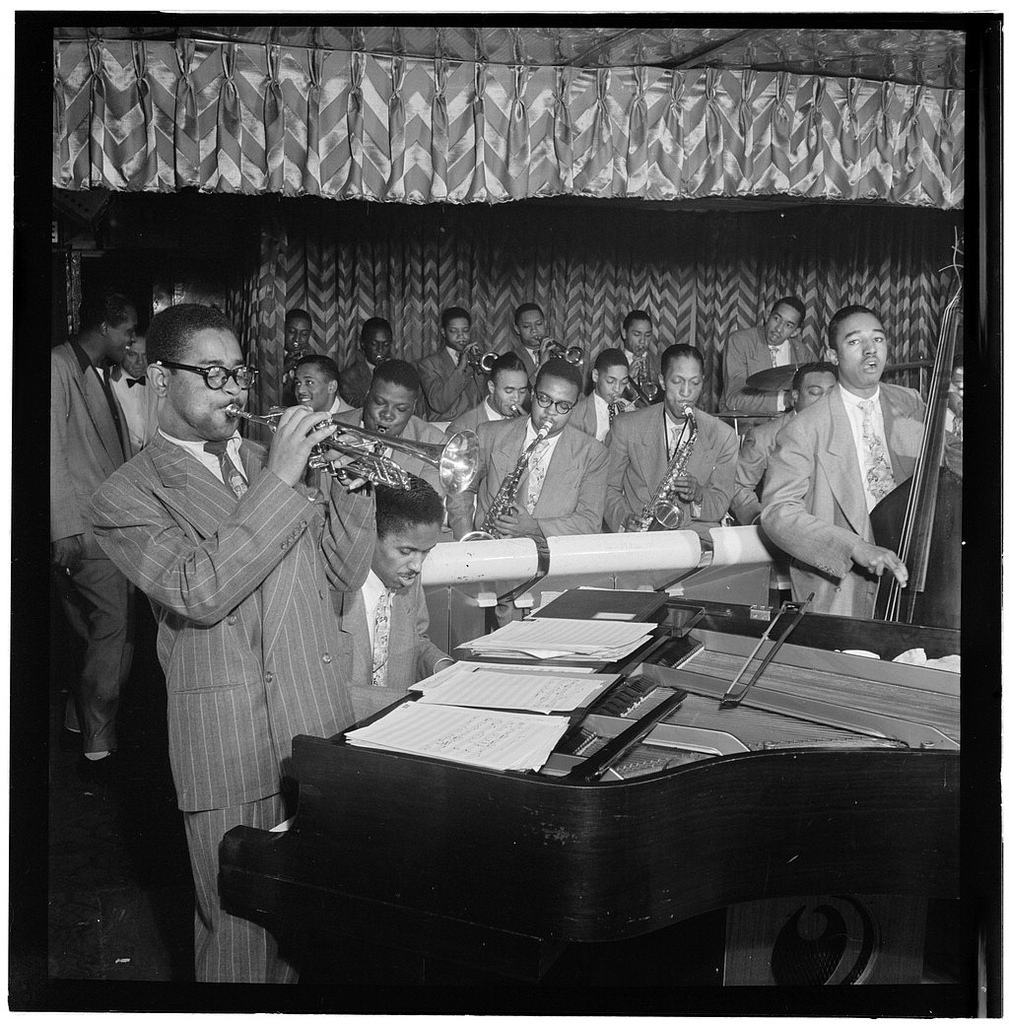
That's been especially important at certain key moments when new styles of music, for instance, have been emerging and where there's a kind of undefined sense of who the real audience for this is, of who the real artists representing this type of music are. I'm thinking about the early history of jazz for one thing, and the early history of rock and roll for another, and especially about the ways in which race was implicated in both of those moments. With jazz, it was the 1910s and 20s; with rock and roll, it was the 1950s and 60s. But on both occasions, you had white and black audiences and white and black artists who saw the music as a vehicle for their pleasure and for their expression and for their identification.
© Wikimedia
But they didn't always understand it in exactly the same ways. A fan, for instance, of the white jazz artist Paul Whiteman in 1924 may or may not have also been a fan of Fletcher Henderson, the black New York-based artist who was one of the more prominent bandleaders of that era. Maybe the fans of those two artists would have stayed separate in many instances, but there would have been moments where they would have come into contact with each other. While segregation was the norm in many parts of the US at that time, there were instances where live music allowed for segregated relationships to be challenged to a limited degree, or sometimes more significantly.
As people through musical performance have had to engage with people who aren't always like them — and sometimes it's about taste, and sometimes it's about class, and sometimes it's about race, and sometimes all those things are wrapped up in each other — they have to expand their comfort zone and they have to expand their sense of what they're willing to tolerate. That has a quite tangible, if often hard to express, impact on our social values. Similar things happened around the popularization of hip hop in the 1980s and 90s, and have happened around various forms of electronic dance music throughout the early decades of the 21st century, in that in all of these instances, a live performance becomes a place where various kinds of difference come into contact with each other, and people have to figure out where they stand and their social values are impacted accordingly.
Women's music movement
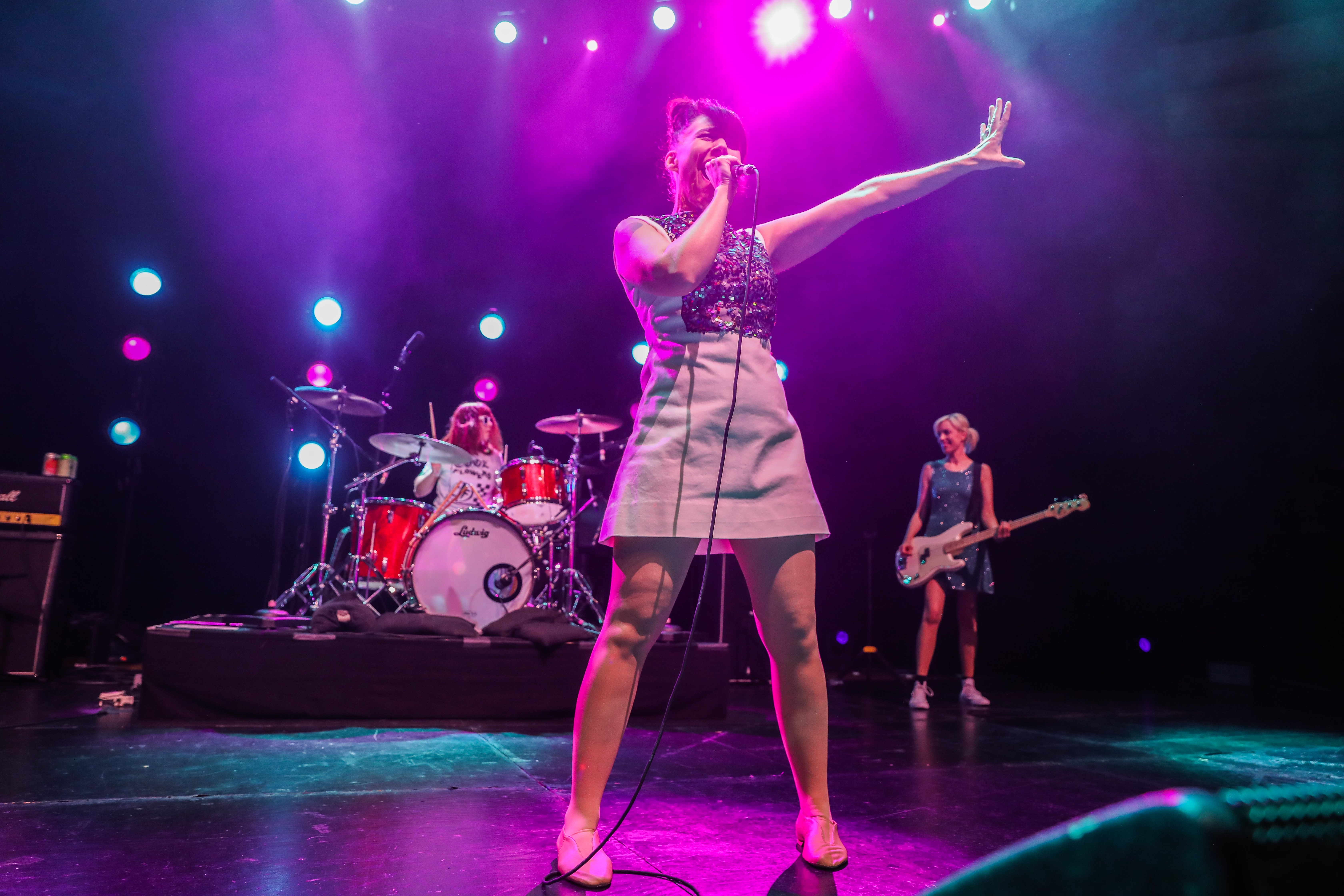
Gender and sexuality are both very much at work in live music settings, and they are not always at work in ways that can be seen as liberatory. The male domination of a lot of live music spaces has been palpable, and that's been true with regard to jazz and rock. At the same time, many women have found a place for themselves there, but it's often been a challenge.
© Wikimedia
There have been movements at different points in time for women to define spaces of their own. The women's music movement of the 1970s is a really interesting and compelling instance, where women felt precisely like they were being kept out of certain musical spaces and musical movements, and they needed to create their own. That, of course, was very much in line with a lot of the principles of second-wave feminism. You saw something similar happen with regard to late 80s, early 90s alternative and punk-oriented music in the US, and in England and parts of Europe. One response to that was the riot grrrl movement. One of the phrases that became popularized through the riot grrrl movement was "girls to the front," which was something that Kathleen Hanna, the singer from Bikini Kill, would say in order to try to get the guys who would always be standing up at the front, taking up all the space and moshing and being really aggressive, to back off and allow women to actually go up and be close to the stage and be close to the performers, and not feel like they had to be so careful and so protective of their own safety in those kinds of spaces.
Editor’s note: This article has been faithfully transcribed from the original interview filmed with the author, and carefully edited and proofread. Edit date: 2026
Discover more about
Live music
Waksman, S. (2009), This Ain't the Summer of Love: Conflict and Crossover in Heavy Metal and Punk. University of California Press.
Waksman, S. (2022), Live Music in America: A History from Jenny Lind to Beyoncé. Oxford University Press.
Waksman, S., Garofalo, R. (2014), Rockin' Out: Popular Music in the U.S.A.
Waksman, S., Bennett, A. (2015), The SAGE Handbook of Popular Music.
Continue exploring




Explore this knowledge network
Continue exploring...
0:00 / 0:00