

It’s special because it's the first when one species, namely human beings, has the power to affect the entire planet's fate. That's because there are more of us on the world than ever before; the world population is now about seven point eight billion, and we're each more demanding of energy and resources. For the very first time, we are affecting the entire planet.
A planet at risk
We need to plan as far ahead as we can, and one of my concerns has been to see if we can make any good, reliable guesses about the future of our environment and our planet and our technology. What really gives me nightmares is that these new powerful technologies can be misused either by error or by design.
Emeritus Professor of Cosmology and Astrophysics
04 Feb 2026
Citation-ready summary
We need to plan as far ahead as we can, and one of my concerns has been to see if we can make any good, reliable guesses about the future of our environment and our planet and our technology. What really gives me nightmares is that these new powerful technologies can be misused either by error or by design.
Author: Martin Rees
Last updated: 04 Feb 2026
Canonical URL: https://www.joinexpeditions.com/exps/1339-a-planet-at-risk
Key Points
- Humanity is living in a uniquely pivotal century, with an unprecedented ability to alter the entire planet through our numbers and demand for resources.
- Climate change and mass extinctions are central risks, as our growing population and land use push the biosphere toward dangerous tipping points.
- Powerful technologies such as biotech and cyber capabilities bring huge benefits but also create grave security risks, since small groups or individuals could cause large scale harm.
- To navigate this century safely we need more resilient systems, reduced global inequalities, and deliberate support for poorer regions like sub-Saharan Africa so they can develop without being left further behind.
A very special century
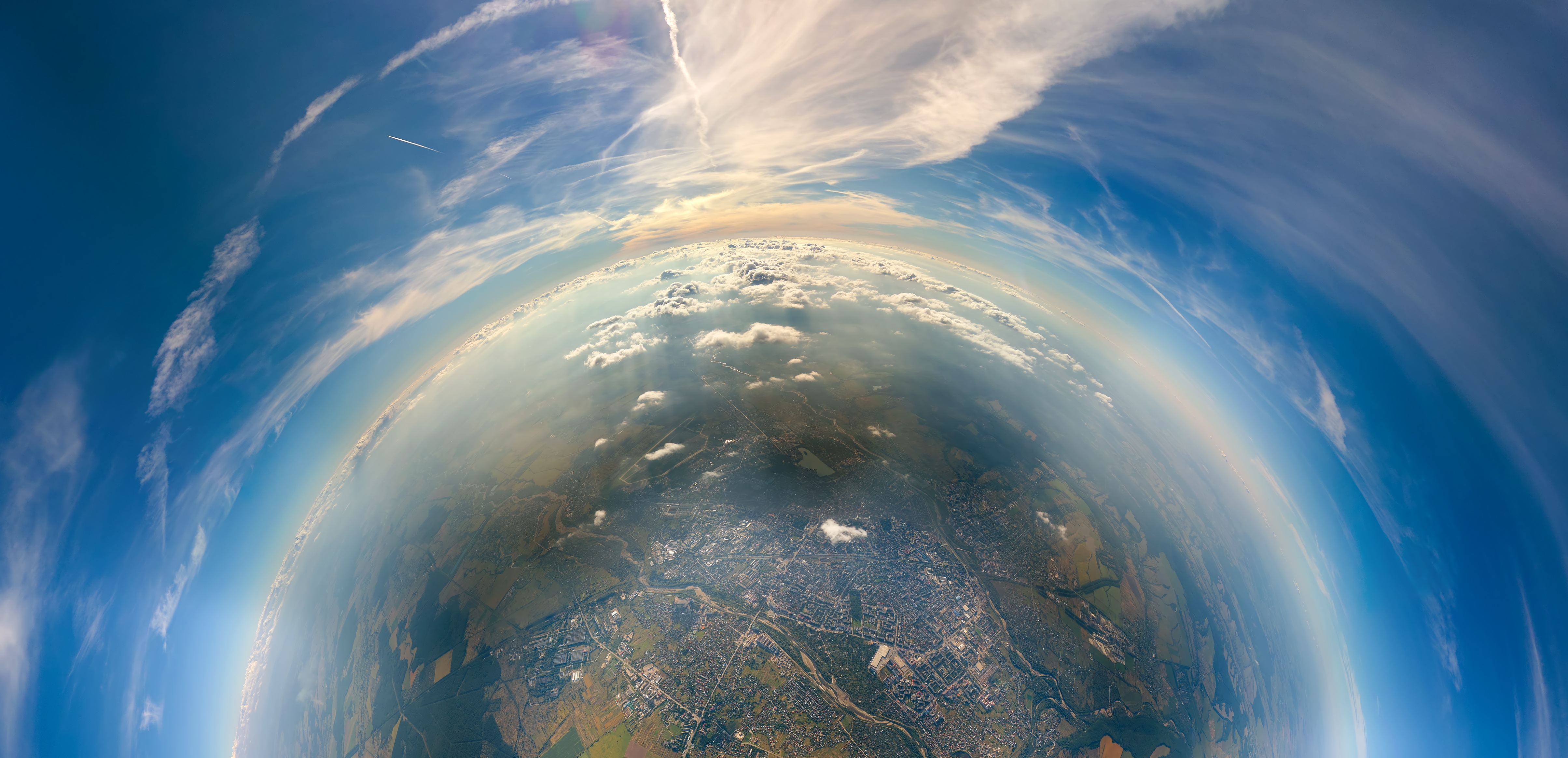
Obviously, we need to plan as far ahead as we can, and one of my concerns has been to see if we can make any good, reliable guesses about the future of our environment and our planet and our technology. To set the backdrop, we know that we are living in a very special century. We know the Earth's been around for 45 million centuries, and that this century is special.
© Shutterstock.
Climate risks and extinctions
One obvious way in which everyone is familiar that pertains to the planet is the changes to the climate – the emission of CO2 through the burning of fossil fuels is warming up the Earth in a way that could lead to dangerous tipping points. One of the things we want to predict is just how serious this will be, how quickly it will happen. This is one of the most important areas of scientific modeling prediction.
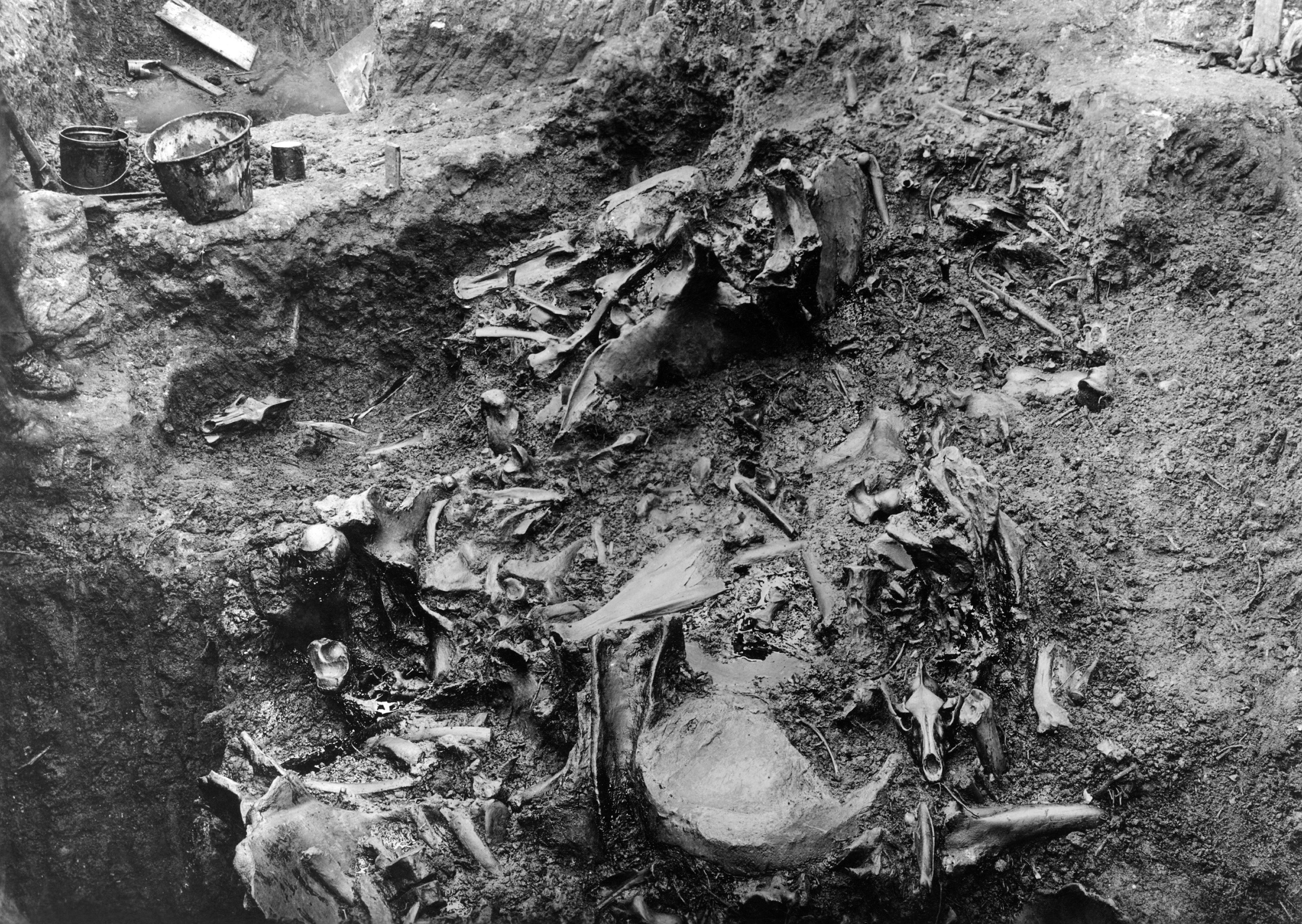
Paleontological research site at Rancho La Brea Tar Pits. © Shutterstock
Another related question is whether we can avoid causing mass extinctions, because the biosphere obviously is a complicated and rather delicate system, and if we encroach too much on it, because we need to use more land to grow food, etc., if we change the climate, then of course that will make conditions suboptimal for the existing plants and animals. One of the big concerns is that we should not only control the change of the climate, but also we should control any despoliation of the natural world by causing mass extinctions. To quote the great ecologist EO Wilson, if our generation causes mass extinction, it's a sin the future generations will least forgive us for.
A rising population
We’ve really got to hope that we can cope with a population which is going to rise even further, almost certainly to nine billion by mid century, without encroaching too much on nature and without burning so much fossil fuels that will lead to dangerous climate change. We can predict that the population will rise to about nine billion. That's because most of the people in the world are in developing countries and they're young. They're going to live longer and they're going to have their own children.
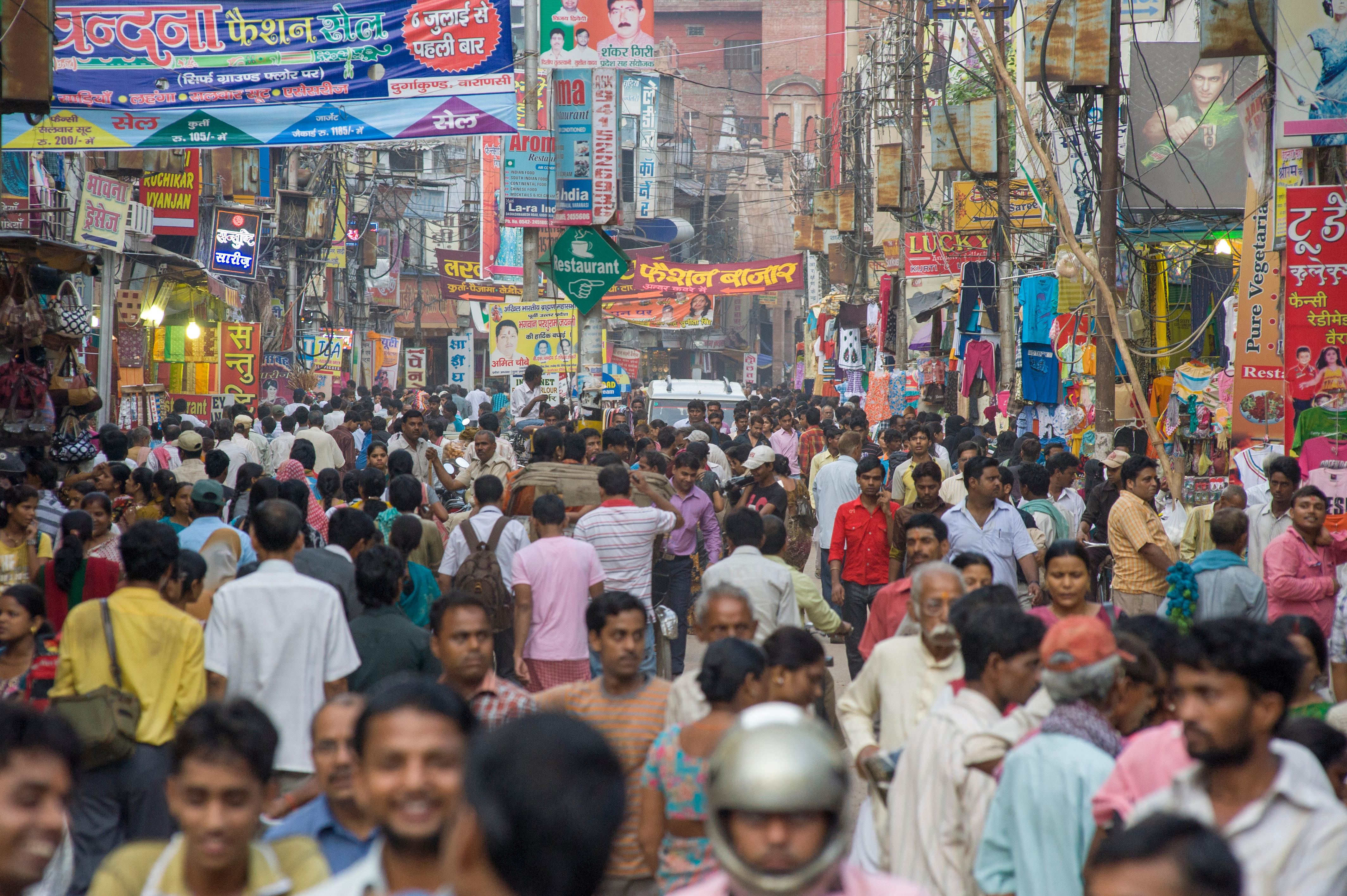
Street in Varanasi, India. © Shutterstock.
Even if the birthrate falls, the population is going to rise for at least the next 20 or 30 years. We can't predict beyond that stage. We hope it'll start falling, but we can't predict what will happen beyond about 2050. Prediction of the climate and of the population can be made about 20 to 30 years ahead.
Unpredicted technologies
The other thing we'd like to predict, obviously, is technology. Here, again, we can predict a decade ahead, but not all that far ahead. If we think of how we depend at the moment so much on information technology, smartphones and the rest, smartphones would have seemed magic as little as 20 years ago, whereas they've spread globally faster than any other prior technology. If we try to think about 2050, which is what I try to do a lot of the time, then we've got to bear in mind that there may be some completely unpredicted technologies which will dominate our lives then, which aren't on our radar at all at the moment.
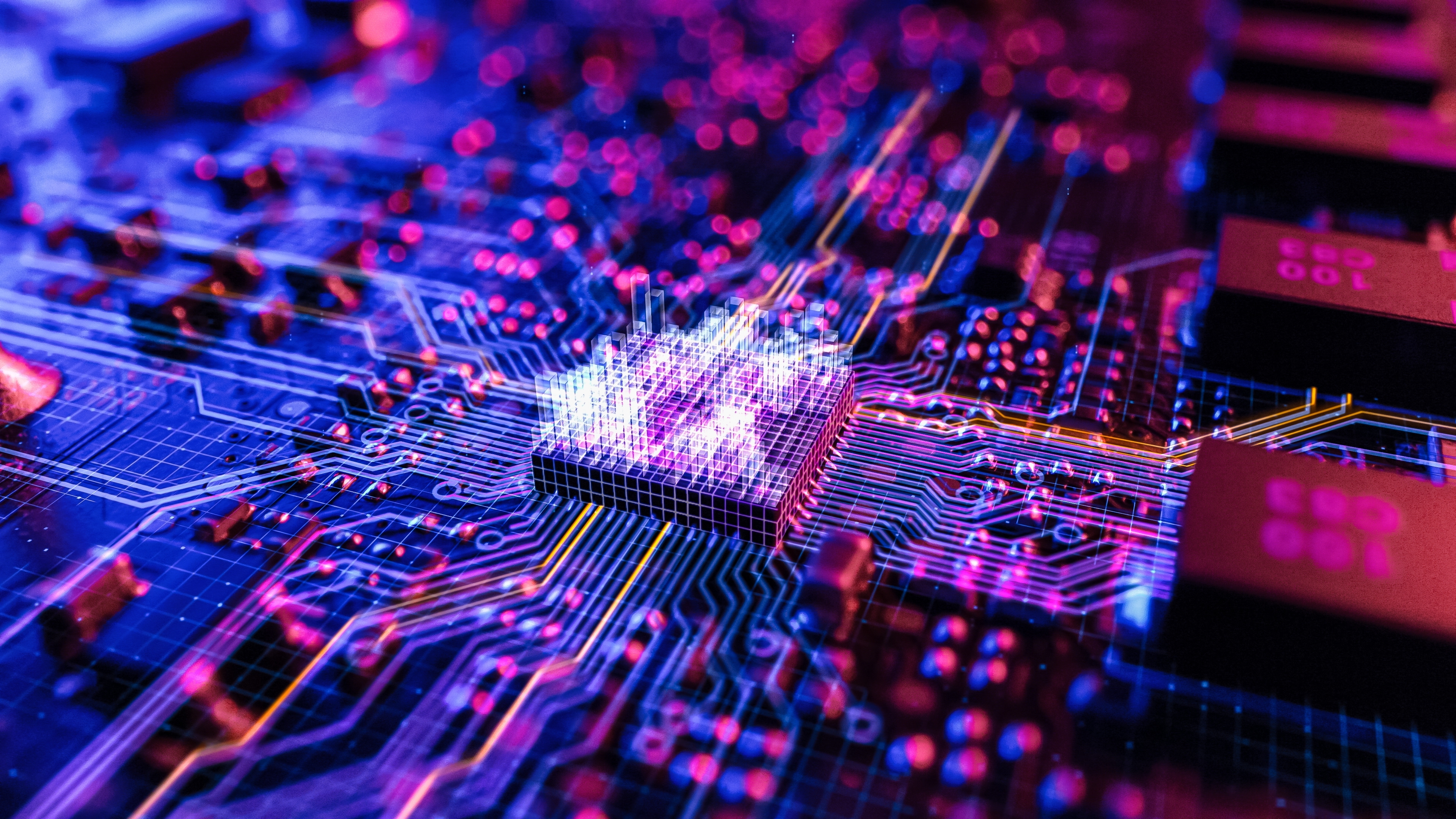
Visualization of Circuit Board CPU Processor. © Gorodenkoff via Shutterstock.
We can't be sure about how technology will develop. We can, of course, be fairly confident that there will be more powerful computers, etc., and we can hope that there will be benefits in medical sciences, which have been accelerated, of course, by COVID-19; we hope we'll be able to cope with diseases, etc., and that we'll understand genetics better, and also that we will be able to make energy without burning fossil fuels. Clean energy and better biotech are two areas of science that we hope will develop.
What gives nightmares
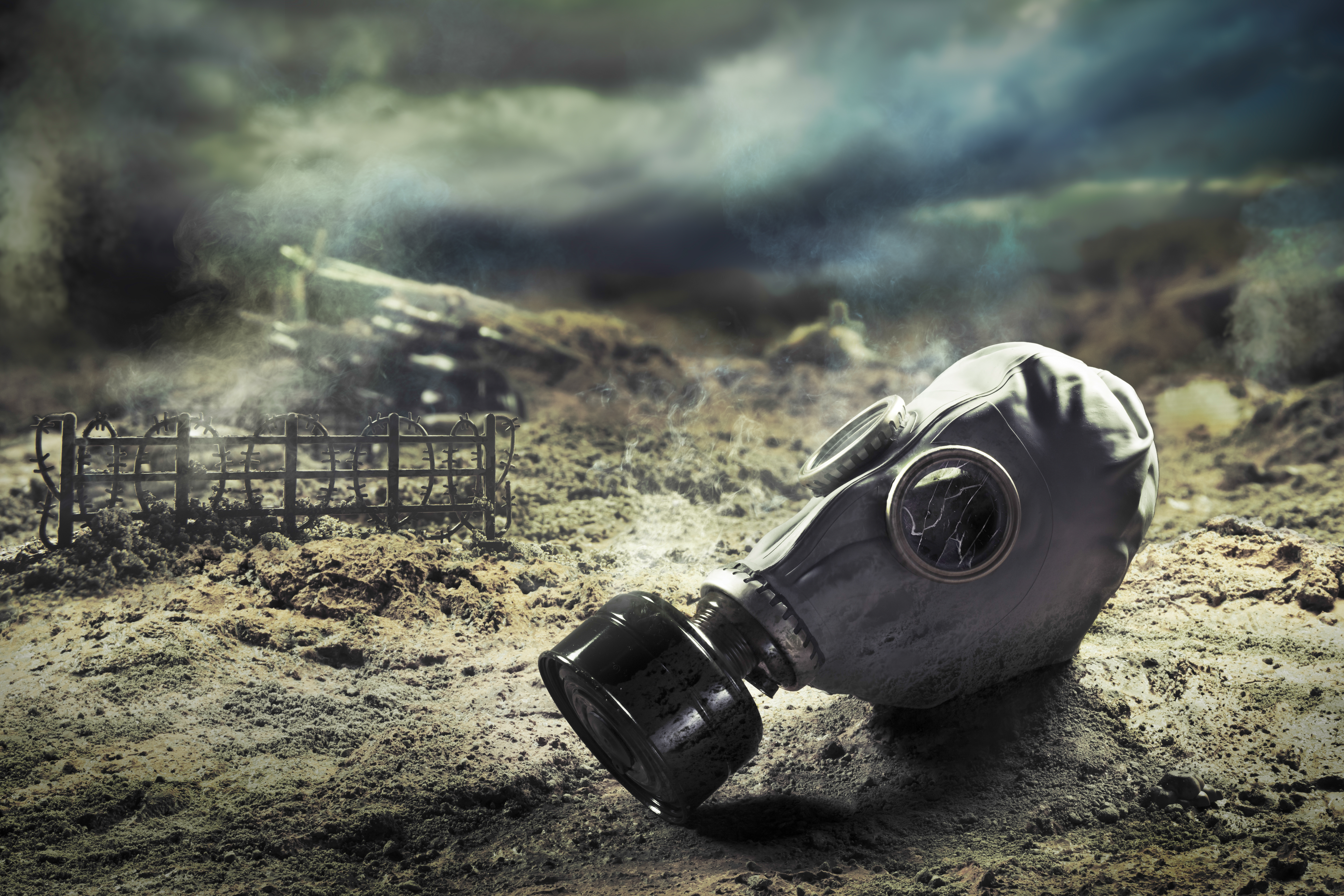
In terms of what we should worry about in the future, then what really gives me nightmares is that these new powerful technologies can be misused either by error or by design. The reason for that is that if we consider the most devastating technology that was invented in the last century, which was nuclear weapons, nuclear weapons can't be made without some huge special purpose facilities.
© Gregory via Shutterstock
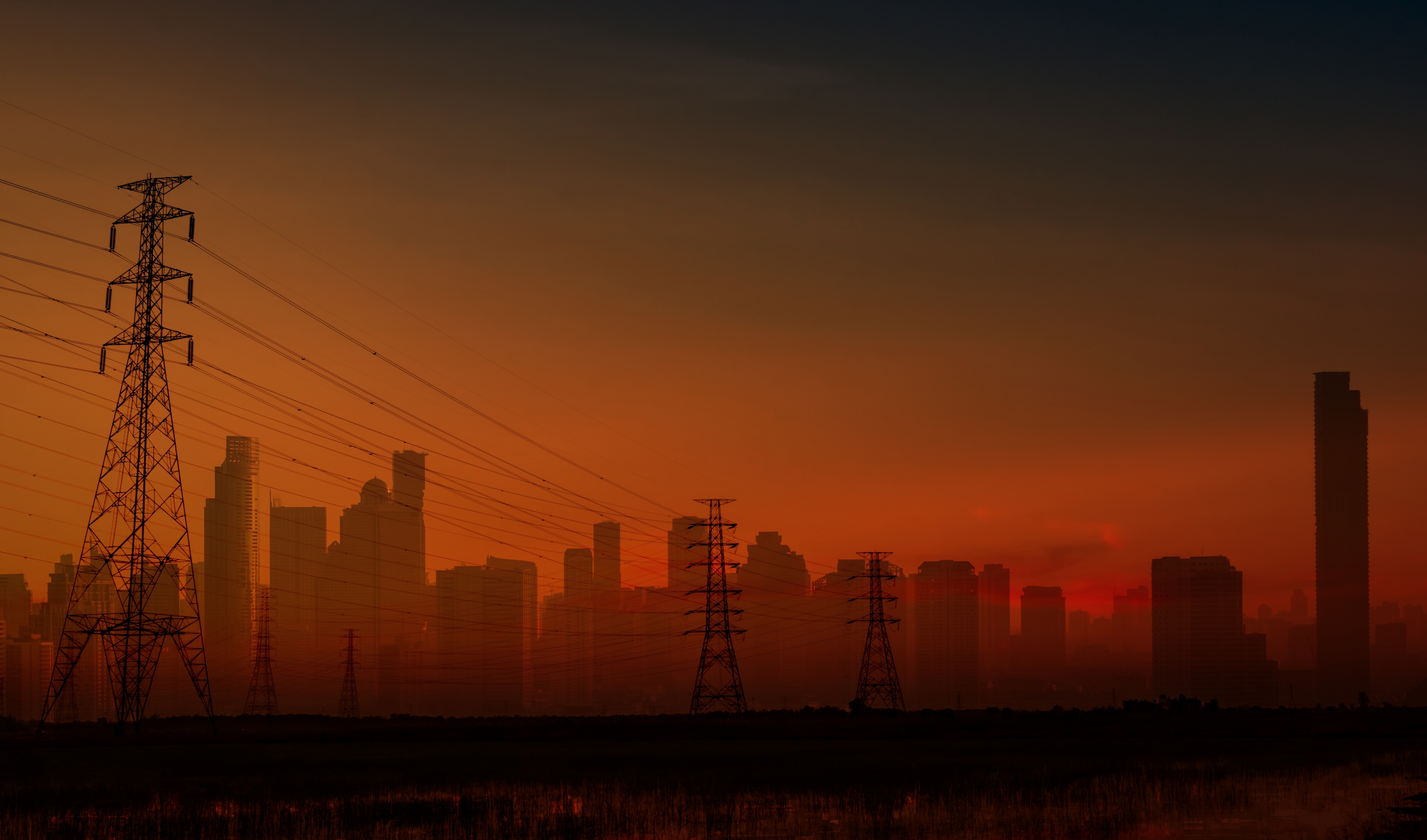
They can't be made in a clandestine way that's hard to monitor. Although we quite rightly worry about nuclear weapons, they are a huge danger overhanging the world still, and we've got to make sure that they're controlled. We can monitor any facilities where nuclear weapons could be made because they’re large, conspicuous and the international topic of energy does this. Biotech, making engineered viruses even more virulent and transmissible than COVID-19, is something which can be done by people using facilities available in many university or industrial labs. Likewise, computer power and computer networks allow a small group or even just an individual to cause a cyber attack that could cause really massive devastation, knocking out the power grid in a large region or causing some other global disaster. One of my worries is how we can control the misuse of these technologies and harness their benefits without feeling too threatened by their downsides.
Privacy, liberty and security
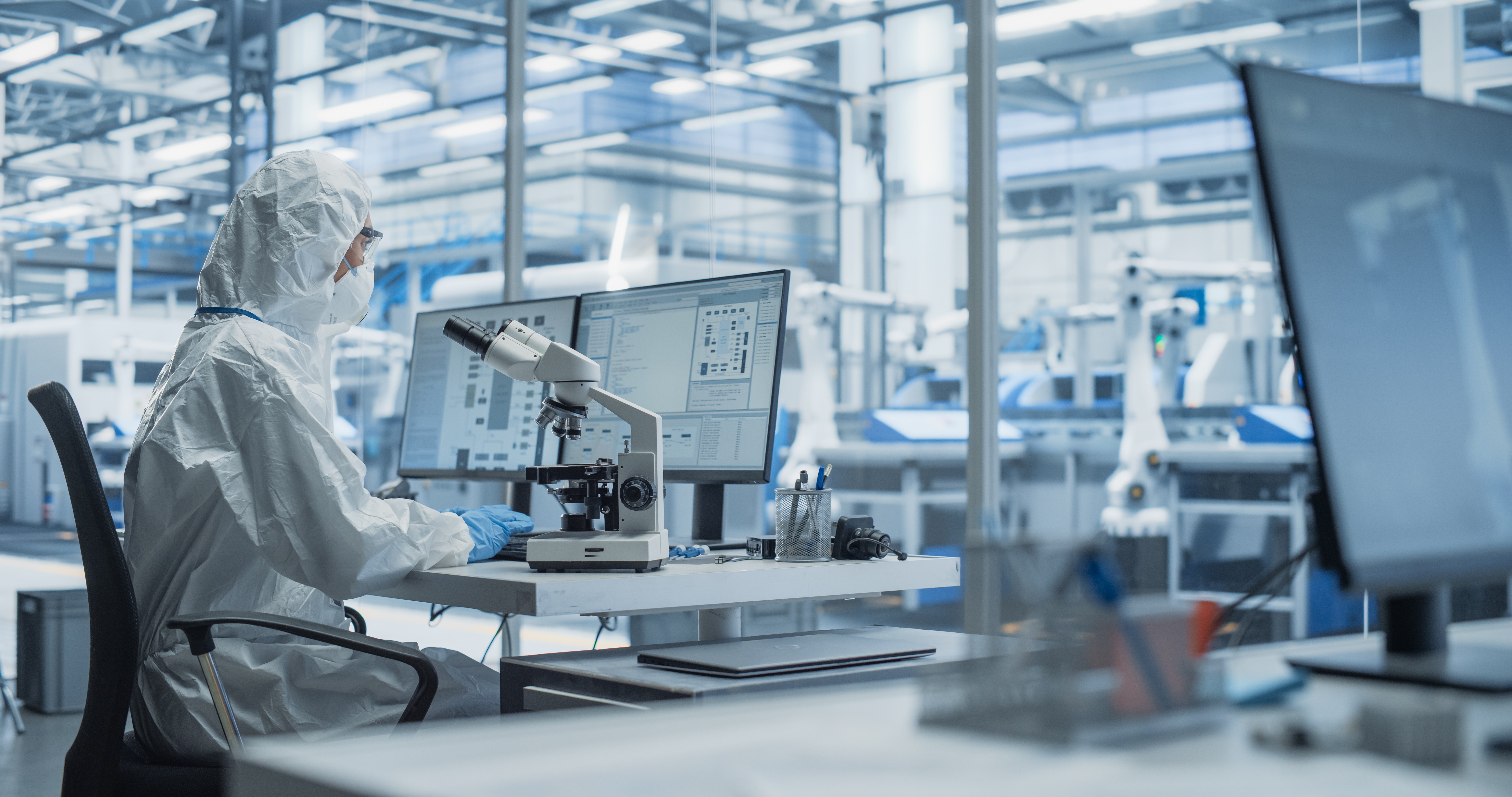
It's a big challenge. It's going to cause a big tension between three things we want to preserve: privacy, liberty and security. We're going to have to give up a lot of privacy if you want to be sure there's not someone somewhere in the world who is going to be making a clandestine pathogen that could be very dangerous. Of course, it would be regulations, academies like the Royal Society, of which I was once president, and its counterparts around the world.
© Gorodenkoff via Shutterstock
They are trying to address what regulations should be imposed on biological developments on grounds of both prudence and ethics. Of course, that's great, but even if these regulations are agreed by all countries, the question is, can they be enforced? We don't have much success in enforcing the drug laws globally or the tax laws globally, and likewise my nightmare is that we can't enforce the regulations on use of these dangerous technologies. That's why we will have a bumpy ride through this century.
A wake-up call
COVID-19 has been a wake up call in that it has shown how vulnerable our global civilization is. It shows how interconnected we are and that it is possible for something to happen which can disrupt life all across the world.
Blackout in Spain and Portugal. © Shutterstock.
Of course, we can well imagine events far worse than COVID-19, an event which has the transmissibility of COVID-19, but the fatality rate at, say, Ebola or something like that. We can fear something still worse that would happen. We're much more vulnerable. Let me give one example. In the 14th century, we know that Europe suffered bubonic plague, the Black Death, which killed up to half the population of many towns and villages, but the other half went on fatalistically. Now, if we had a pandemic which killed even 1% of the population, then it would overwhelm hospitals and probably lead to a social breakdown, because our expectations are so high. It's perhaps ominous that COVID-19 has killed about 0.3% of the population in some European countries and in the United States. 1% would be really catastrophic. We've got to bear in mind that these threats are very hard to cope with, but we could be better prepared and we could be more resilient.
Lesson to be learned
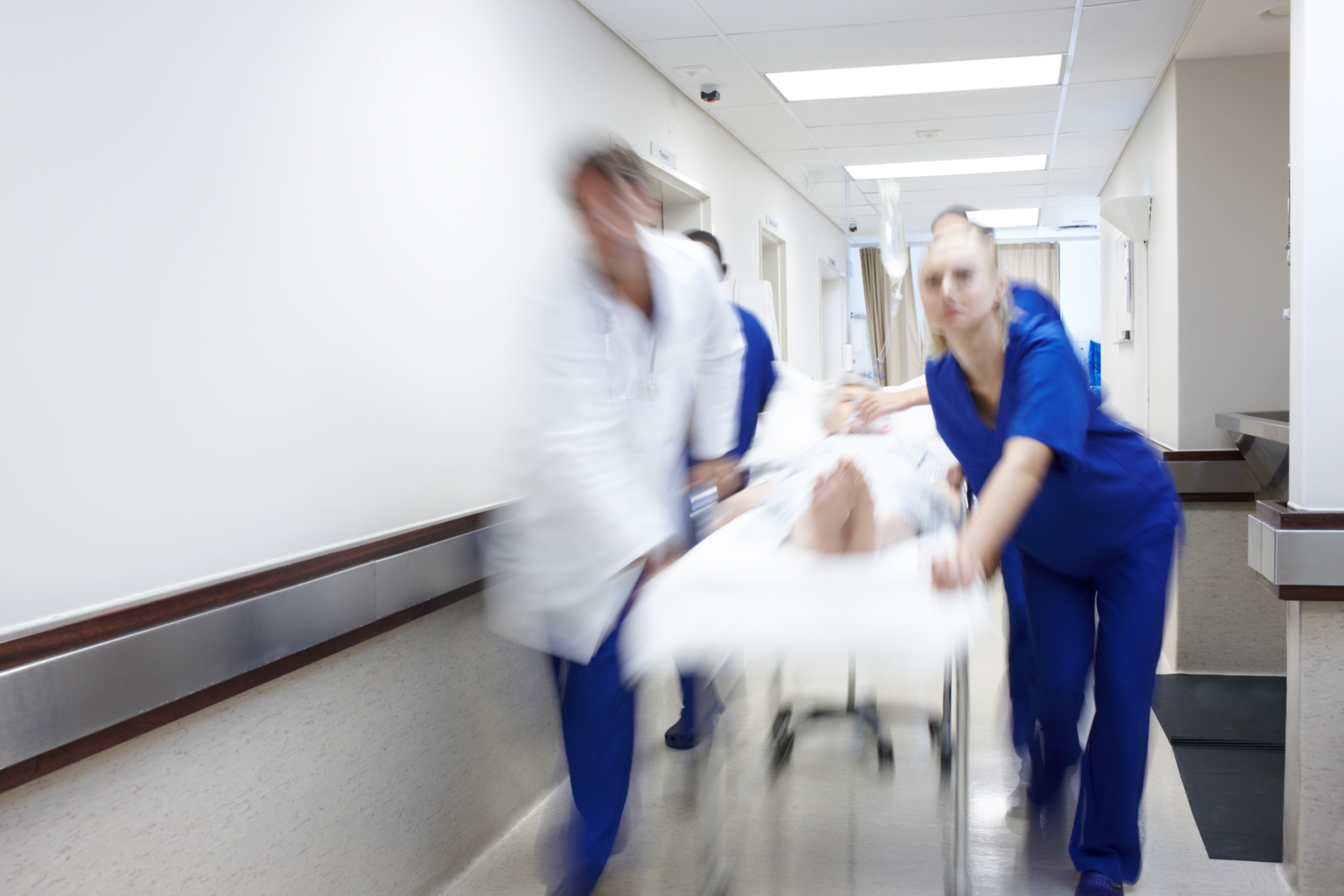
One of the issues is a tradeoff between resilience and efficiency. What I mean by this, well, two examples: first manufacturing industry here in Europe depends on supply chains coming from the Far East. If some component can't be produced, it is one link in one chain that breaks; then that can have a big effect. One lesson to be learned is that we should have multiple supply chains; we shouldn't depend on Just-In-Time delivery. To give another example, we would have coped better with COVID-19 if all hospitals had kept more spare capacity, hadn't prided themselves, as we in the UK did, on the efficient use of intensive care beds, so there weren't very many in reserve.
© PeopleImages via Shutterstock
In Germany, they intentionally kept at least 20 or 25 percent of beds free, in case there was an emergency. You've got to accept that is worth spending a bit extra in order to be prepared for an emergency, and also to manage our industry, so it's more resilient and doesn't depend on the breakdowns of a single long supply chain. Those are lessons we can learn.
Reducing inequalities
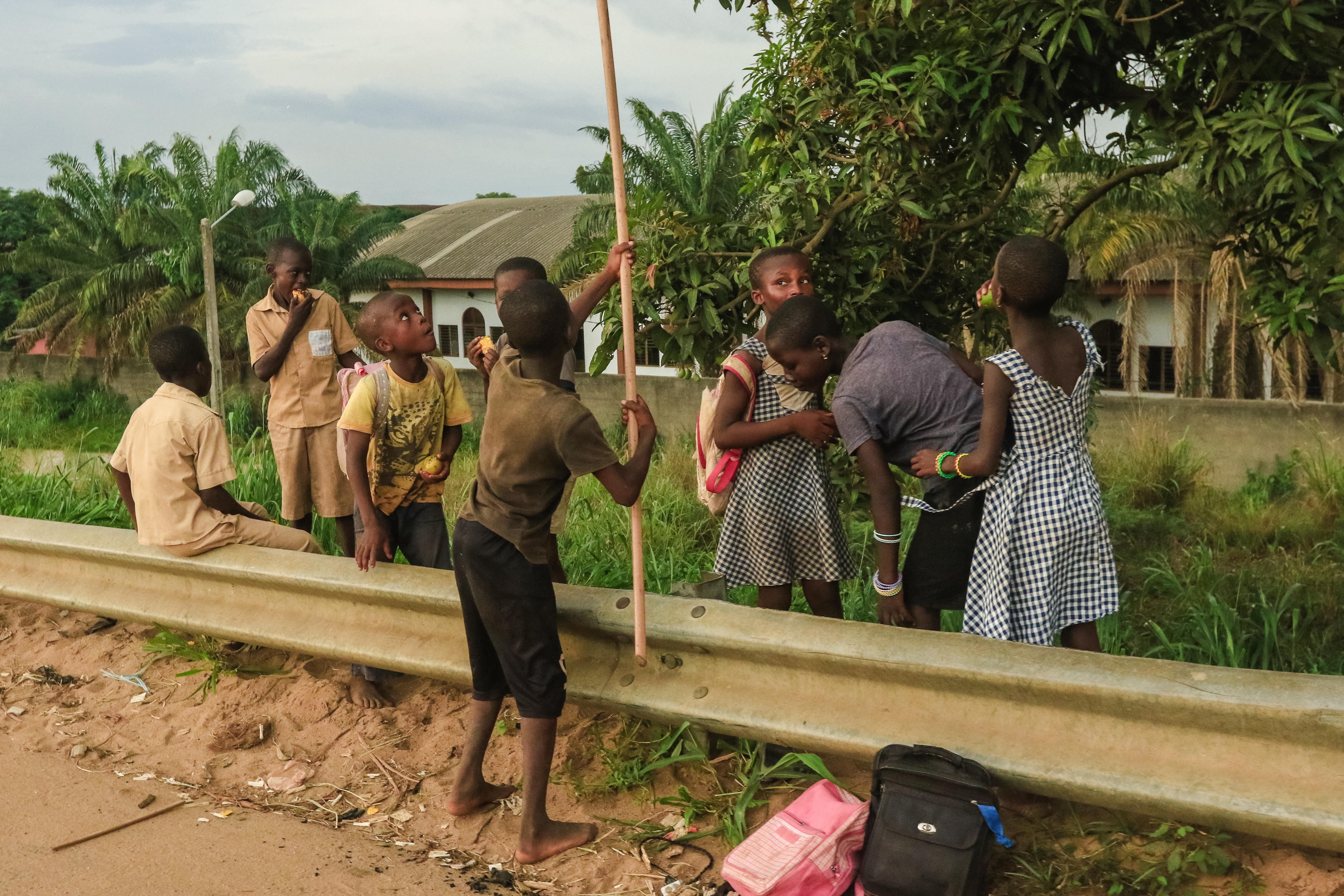
Also, if we think about the world in 2050, it's going to be very important to ensure that inequalities are reduced, not just the gross inequalities we have within countries in Europe and the United States, but also the massive inequalities between the north, Europe and North America, and the southern countries, particularly sub-Saharan Africa. We've got to ensure that those gaps are narrower, not wider.
Abidjan, Ivory Coast. © Dave Primov via Shutterstock.
The reason for that is that sub-Saharan Africa is one of the places that has not yet experienced the so-called demographic transition. The birth rate is still very high; the population is rising there, even though it's leveling off in Europe and North America. That's going to make it harder for Africa to get out of the poverty trap. Another reason it’s going to be harder is that the way in which the East Asian countries, the Asian tigers, as they're sometimes called, developed, was by undercutting the manufacturing costs in Europe and North America, and having cheap labor so that we bought their goods. That gave a huge boost to places like South Korea and Vietnam and Taiwan. Of course, now robots are taking over manufacturing. Countries in Africa won't have that advantage; that ladder’s been kicked away. We've got to make sure that the wealthy nations ensure that countries in Africa can develop industry and develop a better standard of life. Because the one thing they do have in Africa is they have mobile phones, and so they know what they're missing. 100 years ago, they knew nothing about the injustice and deprivation they faced. Now they do. For reasons that aren't purely altruistic, it's very important for us in Europe to ensure that there is a sort of mega Marshall Plan to develop Africa and ensure it catches up rather than falling behind the countries of Europe and the United States.
Editor’s note: This article has been faithfully transcribed from the original interview filmed with the author, and carefully edited and proofread. Edit date: 2025
Discover more about
risks to the future
Lightman, A. and Rees, M. (2025). The Shape of Wonder: How Scientists Think, Work, and Live. Pantheon.
Rees, M. (2022). Is Science to Save Us?. Polity.
Rees, M. (2019). Prologue: Extinction: What It Means to Us. In P. Dasgupta, P. Raven, & A. McIvor (Eds.), Biological Extinction: New Perspectives (pp. 15–21). Cambridge University Press.
Rees, M. (2018). On the Future: Prospects for Humanity. Princeton University Press.
Rees, M. (2012). From Here to Infinity: A Vision for the Future of Science. W. W. Norton & Company.
Rees, M. (2004). Our Final Century: The 50/50 Threat to Humanity's Survival. Arrow.
Centre for the Study of Existential Risk (2025). Report. University of Cambridge.
Continue exploring



Explore this knowledge network
Continue exploring...
0:00 / 0:00