


But more than the sheer technological character of it, it was the sound and the recognition, as the electric guitar was played by more and more performers, that it didn't just sound like an ordinary guitar, but it also didn't sound like an ordinary instrument. There was something about the character of the sounds that the electric guitar could generate that struck people as very novel, as expressive of certain values and emotional tendencies that popular music hadn't always recognized quite so openly prior to the moment when the electric guitar became so prevalent.
The electric guitar
Few instruments have shaped modern culture as profoundly as the electric guitar. More than a musical tool, it became a symbol of innovation, rebellion, identity, and artistic freedom across generations.
Leverhulme International Professor of Popular Music
31 Aug 2026
Citation-ready summary
Few instruments have shaped modern culture as profoundly as the electric guitar. More than a musical tool, it became a symbol of innovation, rebellion, identity, and artistic freedom across generations.
Author: Steve Waksman
Last updated: 31 Aug 2026
Key Points
- The electric guitar introduced entirely new sounds and forms of expression. Its unique sonic possibilities inspired generations of musicians and helped redefine what popular music could be.
- From blues and jazz to rock and roll, the electric guitar amplified voices that were often marginalized. Its power, volume, and emotional intensity became associated with freedom, youth culture, and challenges to social conventions.
- The electric guitar shaped identities and movements. From Bob Dylan’s controversial decision to “go electric” to the innovations of Jimi Hendrix, it became a symbol of creativity, authenticity, and cultural transformation.
- Despite repeated predictions of its decline, the electric guitar continues to evolve. Musicians keep reinventing its sound, combining tradition with new digital technologies and ensuring its relevance for future generations.
A new sound
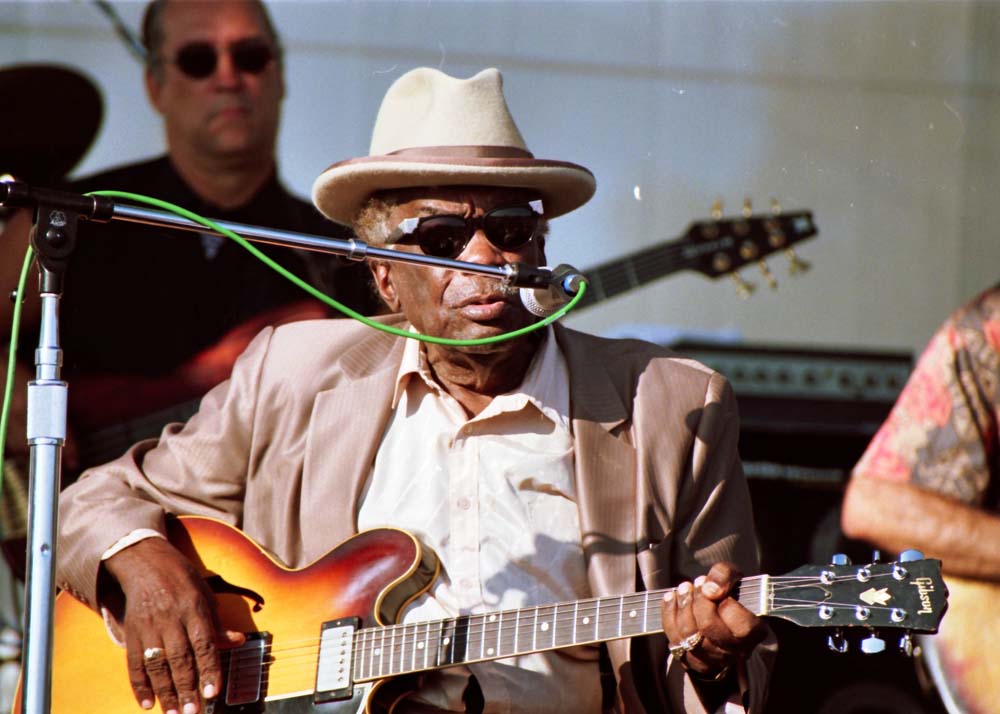
The electric guitar became the phenomenon that it did not all at once. It was a gradual evolution to a degree. On some level, the sheer electricity of it, the electrical-ness certainly contributed to some of that sense of it having a distinct and special aura.
© Wikimedia
Musicians increasingly saw that there was a potential to push the sound and the character of the electric guitar in really creative ways. As they did so, they established themselves as being exceptionally creative artists and also as something more, because the aura of the technology rubbed off. The artists who could master this instrument, who could demonstrate that they could take its possibilities and expand on them and push them further, were seen as supreme innovators. That could have very particular impacts and implications if that artist happened to be black, for instance; and black musicians were among the first to really see the expressive possibilities of the electric guitar.
Challenging segregation
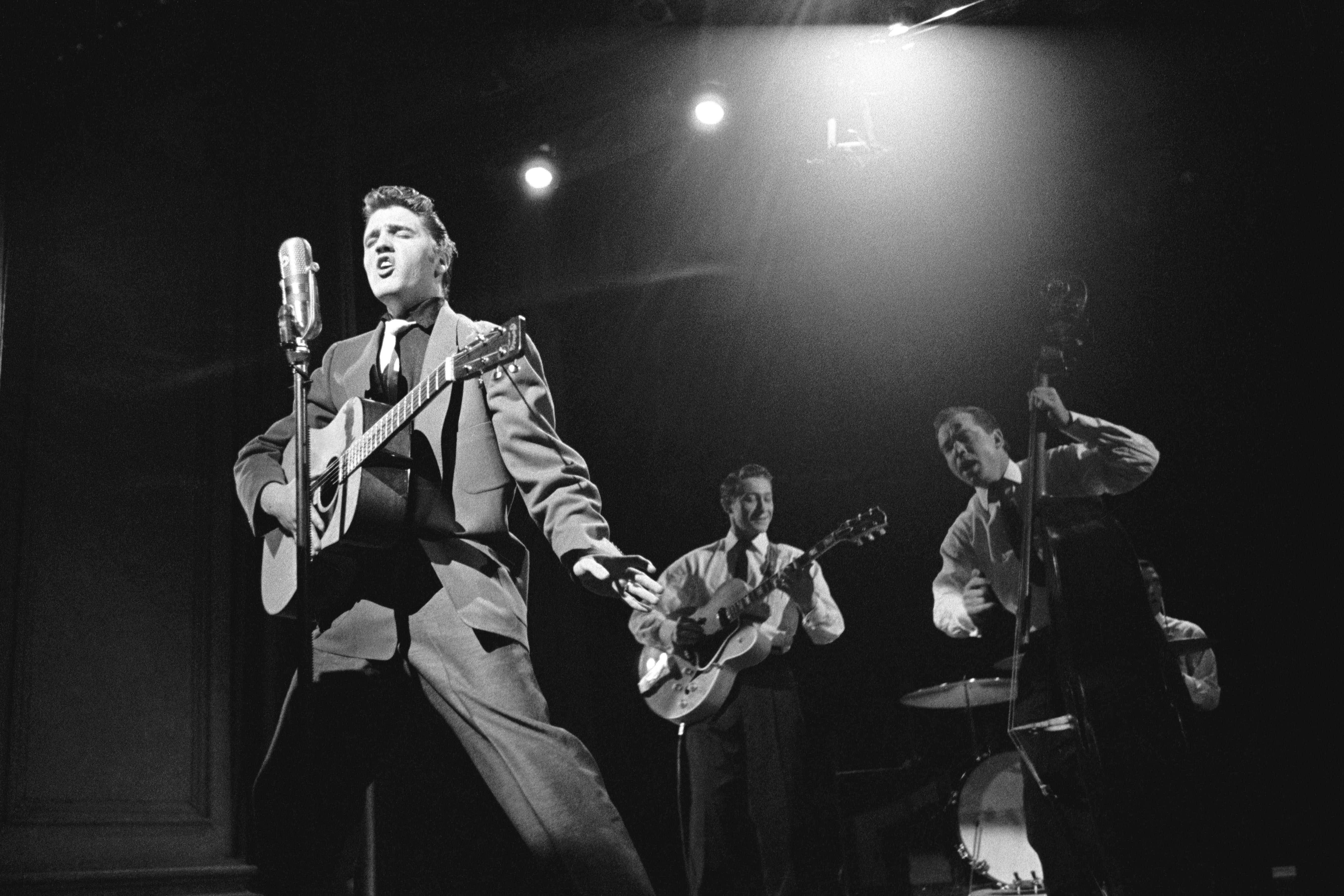
Segregation was not being dismantled, but there was a way in which the noise of the electric guitar could be seen to issue something of a symbolic challenge, if not an actual challenge, to some of the restrictions that existed within people's ordinary lives around race, but also around leisure time — around how you could spend time in your bedroom or the time that you would otherwise spend watching TV with your parents, and suddenly Elvis is on the TV and it's really loud and noisy and you're thinking, "Whoa, I didn't know that I could feel like this before." All of those were contributing factors that made the electric guitar into something that wound up having a very distinct aura around it by the middle years of the 20th century.
© Wikimedia
Key players and key moments
Early on, there was a musician named Sol Hoʻopiʻi, a musician of the 1930s who was one of the earliest adopters of the electric guitar. It's worth saying that the earliest electric guitars were actually Hawaiian guitars. They were designed to be played on a player's lap and with a metal bar, a slide, over the strings.
In country music, there was a player named Bob Dunn who was also playing a version of the steel guitar, with the metal bar against the strings. He played with a group out of Texas called "Milton Brown and His Musical Brownies", and he made some of the craziest sounds with the electric steel guitar. He was one of the early players to really demonstrate that this was an instrument that, in the right hands, could sound like not much else.
© Wikimedia
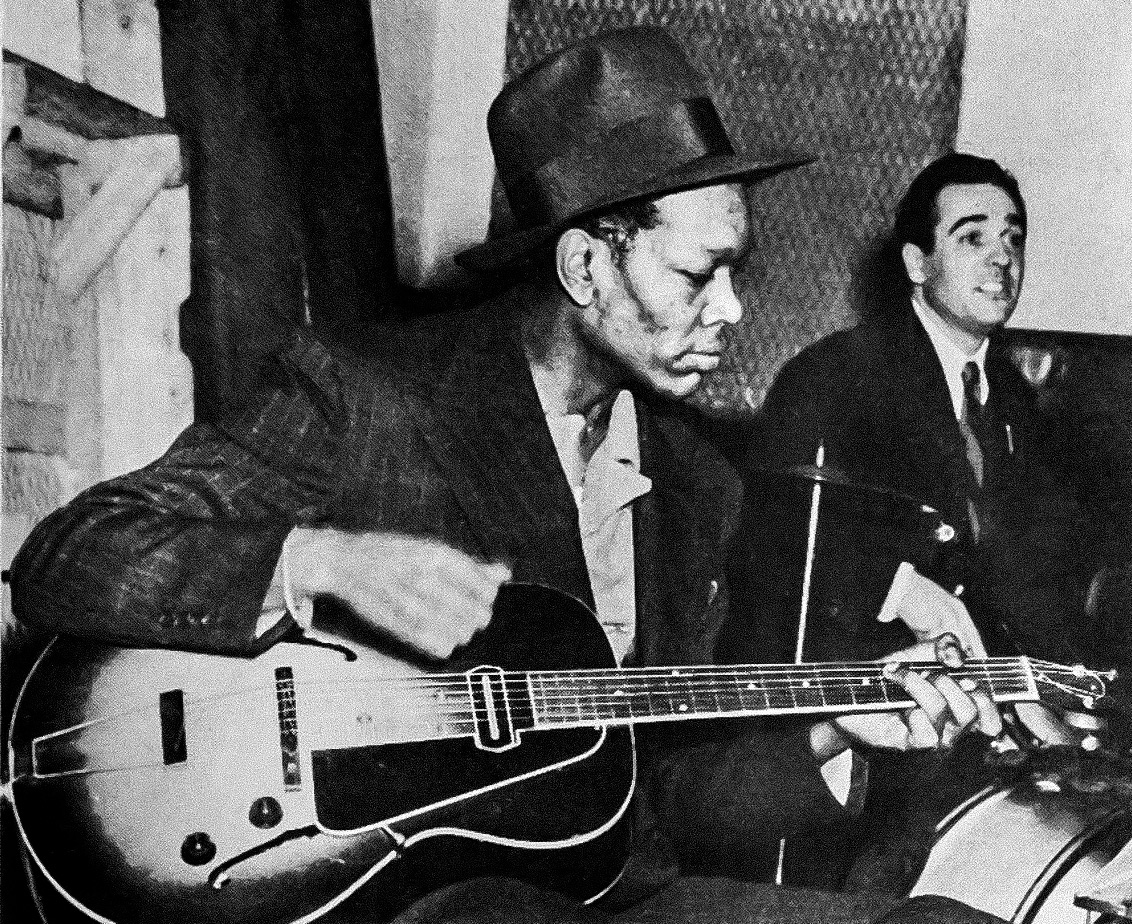
On the other hand, there was a jazz guitarist, a black jazz guitarist named Charlie Christian, who wound up playing with Benny Goodman in the late 1930s and early 40s, and died a very unfortunate early death in 1942 when he was only 27 years old. He was an incredibly gifted improvising musician. In a sense, he made the electric guitar into something that was seen as both innovative and as something that sounded like music — it wasn't crazy sounding. It sounded incredibly musical, it sounded incredibly melodic, and he was playing things of harmonic sophistication and rhythmic propulsion. All the qualities that jazz music had in the 1930s, Charlie Christian was able to channel through the electric guitar, and that had a great deal to do with why it became more widely adopted.
Blues and Rock n' Roll
There were many blues players of that era and into the 1940s who also enthusiastically adopted the electric guitar. T-Bone Walker was one who played really florid, beautiful lead guitar lines. B.B. King was another in the early 1950s, with a similar style. And then, on the other hand, you had somebody like Muddy Waters, who played in a more traditional style of deep Mississippi southern blues and was not so much geared towards playing extravagant guitar solos, but was more geared towards playing music that was really rhythmically powerful.
© Wikimedia
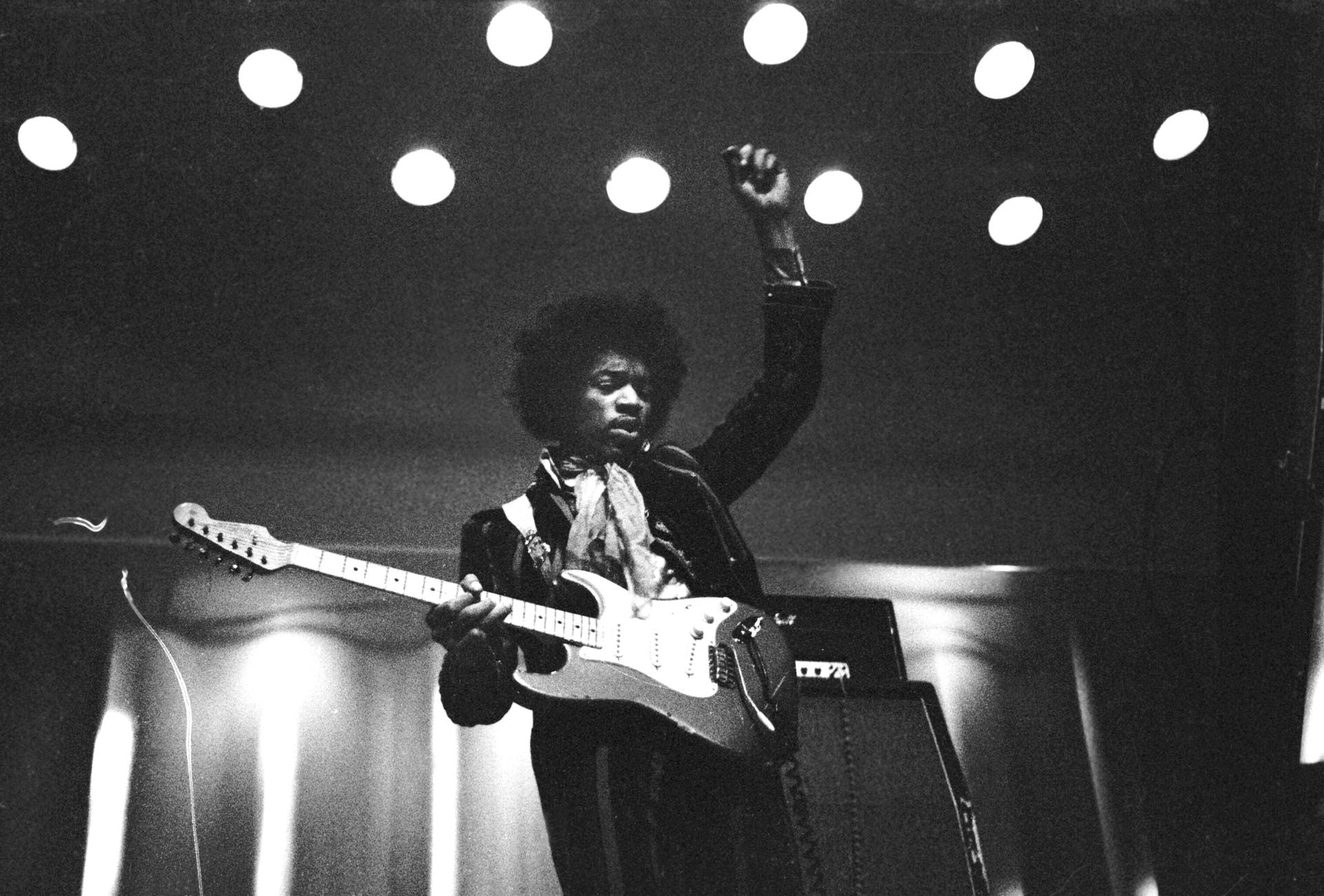
From there, you move into the rock and roll era: Chuck Berry, who really mastered a certain sense of the guitar solo as a dramatic device within a song. You have Eric Clapton, who took the innovations of the blues artists and at the same time took advantage of increased amplification technology that was becoming available in the 1960s, and demonstrated the power of a kind of improvised, amplified blues as a form of personal artistic expression. Then you have Jimi Hendrix, who demonstrates that you can take the electric guitar's sound properties and make them into almost the stuff of science fiction — there was a quality of noisiness that the electric guitar could generate that many had tried to suppress previously, but that Hendrix and many of the blues guitarists he had drawn from saw as a positive and as something that could strengthen their expressiveness rather than distort it. The distortion was a good thing, not a bad thing.
Bob Dylan
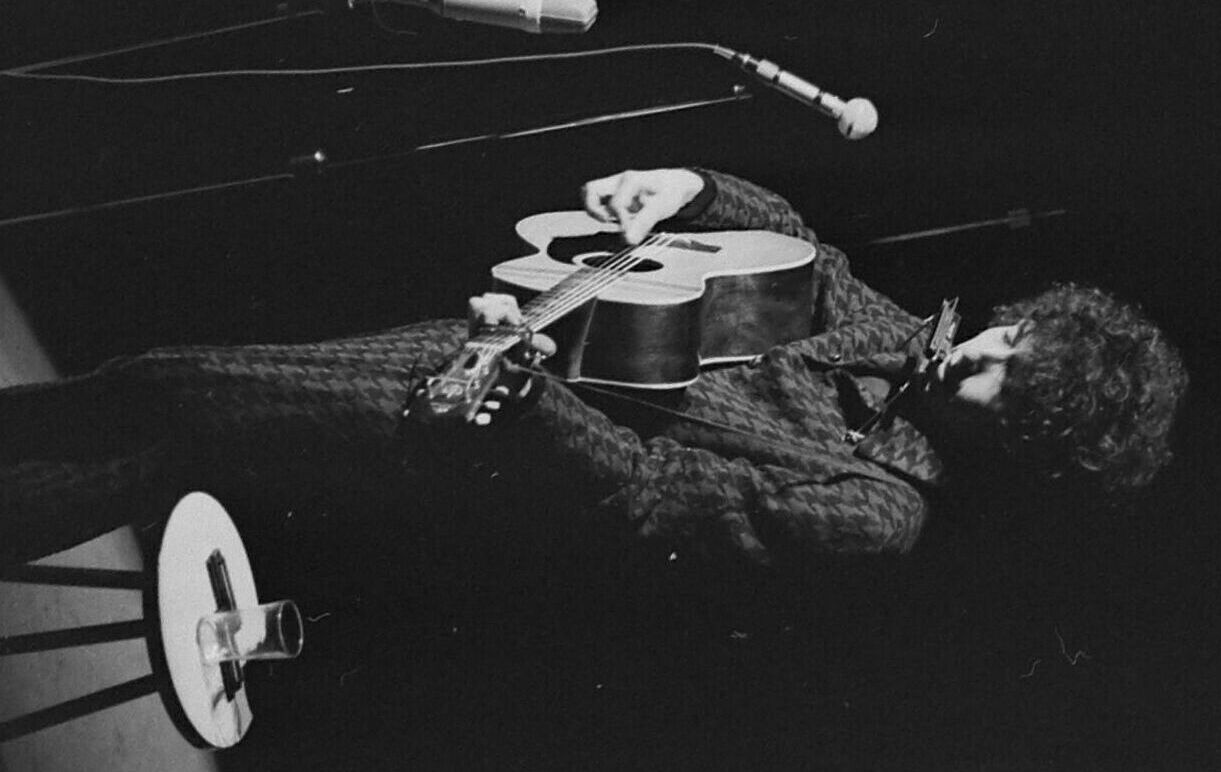
When Bob Dylan went electric, as the saying goes, it was a big moment of transition in the history of the electric guitar, in the history of the folk music movement as it existed in the 1960s, and in the history of rock. Dylan at that time had such an air of authority and importance around him as a folk artist, as a political representative for some people of a kind of new left sensibility, even though Dylan himself was always incredibly uncomfortable being positioned as a political spokesperson.
© Wikimedia
What Dylan's choice to go electric represented was that throughout the 1950s and 60s, there were these competing youth musical movements in the United States — one revolving around folk music, one revolving around rock and roll and rock music. You could, to some degree, make a class distinction around this, because folk music was more the music of college-age and college-going young people, and rock was more associated with younger people and also maybe people who weren't necessarily going to wind up in college — at least that was the stereotype. There was some sociological basis to that. But with the folk revival and with Dylan's popularity, folk reached new audiences who were effectively rock and pop audiences. By bringing folk's seriousness of purpose into rock, rock was accorded some of that same seriousness of purpose, and was then drawing on some of those "more serious and dedicated" listeners and fans who previously might have seen it as not for them, not suitable for them, not classy enough for all intents and purposes.
Newport Folk Festival
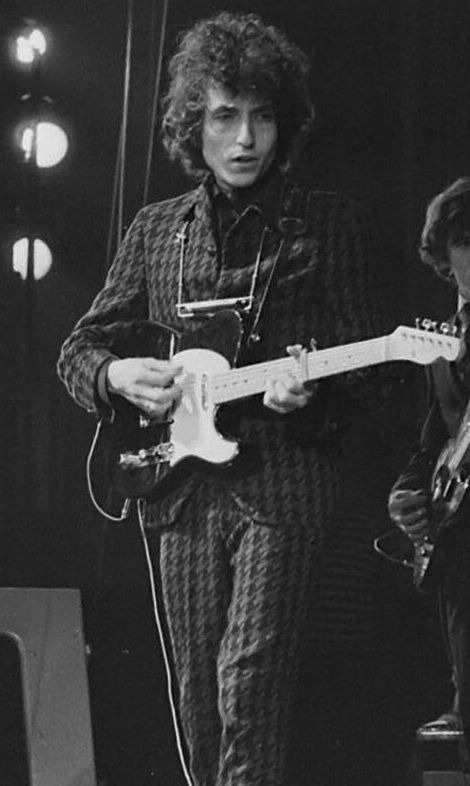
Dylan going electric happened at the Newport Folk Festival, and the Newport Folk Festival itself had enabled, in a lot of ways, the folk movement to have the expansion that it did. I don't think it's accidental that this happened in the context of a festival, because festivals were spaces of social and cultural change in the 1950s and 60s.
© Wikimedia
When Dylan went electric, what it represented was that the folk revival was no longer just the preserve of a relatively isolated elite, and that rock, in turn, was music that was somehow moving in a direction that was going to be able to reconcile the demands of an audience that wanted more basic, affective kinds of excitement from their music, and fans who wanted significant reflection on the meaning of life's various foibles and the facets of our daily lives that we often struggle to make meaning out of — but that popular music often gives us the words for.
A male artifact?
The electric guitar definitely has had a strong association with gender and sexuality, and especially with masculinity through much of its history. Some of that derives from the fact that it is a technological artifact, among other things. It so happens that, culturally speaking, most of the cultural artifacts that we see as technological objects have been coded as masculine. That was true of radio; that's been true for computers. It has to do with certain very deeply ingrained assumptions at a cultural and sociological level that certain types of mastery, certain types of technical expertise and skill, are very squarely a masculine preserve. We know that these presumptions are erroneous, but there are very deep investments in preserving some of the gatekeeping around these tools — whether it's a guitar, whether it's a computer, or whether it's computer coding.

© Wikimedia
That said, women have entered these spaces in an ongoing and consistent way — sometimes through struggle, sometimes through manipulation, sometimes simply by demonstrating that they can do all the things that are required to belong.
One of the reasons, on the other hand, that the association between the electric guitar and masculinity has been so strong is not just reducible to the technology, but is also very much a byproduct of the ways in which the sound of the electric guitar has often been aligned with musical styles that are themselves perceived to have a strong component of sexual expression or sexual performance attached to them — whether that be jazz, which is worth remembering that in its earliest incarnation the term jazz was, among other things, a euphemism for sex, as was rock and roll. Blues, not so much, but the music of blues was often very much aligned with the expression of sexual feeling and the performance of sexual desire.
Innovation and tradition
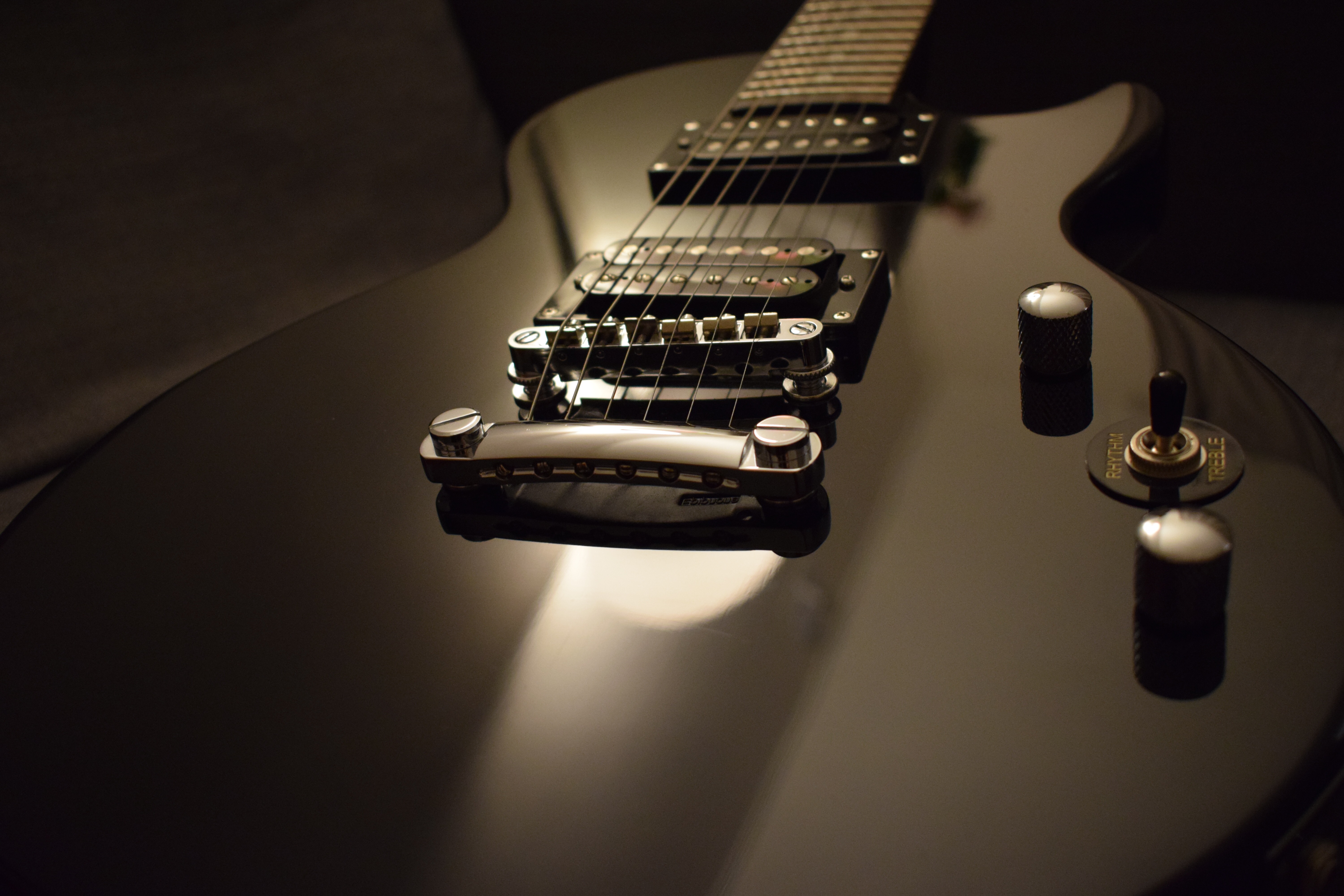
I absolutely think that the electric guitar has a future. In the 1970s, when synthesizers were becoming more prominent, there were people like Pete Townshend, for instance — the guitarist for The Who — who speculated that the synthesizer was going to render the electric guitar obsolete. During the 1980s, there were moments when synthesizer pop — synth-pop of various stripes — was quite popular, and people were thinking that the electric guitar was obsolete and outdated. The electric guitar has often seemed as though it was becoming out of date, and then it somehow reasserts itself.
© Shutterstock
Sometimes the reassertion is a form of nostalgia, that people say, "Well, this is a thing that's been around for a long time, and I still really like it and I don't want to give it up, and it represents the values of a bygone era, and I think those values should be upheld and preserved." But the electric guitar is also still a vehicle for innovation. There's not necessarily an absolute contradiction or dividing line between innovation and tradition. Blues musicians in the 1950s, for instance, demonstrated that you can innovate while at the same time preserving and extending a tradition. I see that in this day and age, the electric guitar itself has a tradition around it, and it's a tradition that many musicians want to preserve, but they also still want to try to find novelty within that tradition.
Editor’s note: This article has been faithfully transcribed from the original interview filmed with the author, and carefully edited and proofread. Edit date: 2026
Discover more about
The electric guitar
Waksman, S. (1999), Instruments of Desire: The Electric Guitar and the Shaping of Musical Experience. Harvard University Press.
Waksman, S., Herbst, J.P., (eds) (2015), The Cambridge Companion to the Electric Guitar.
Continue exploring




Explore this knowledge network
Continue exploring...
0:00 / 0:00