


Family law is probably the most important area of law because it is the one area where people will always have some contact. We see this in marriage, divorce, property, and inheritance. Inequality arises in different ways. In the African context, we often do not have just one system of family law; we have plural systems. In places such as Uganda, or in my own country, Zimbabwe, one can marry under civil law in a magistrate’s court, at a mayor’s office, in a church, or in another religious setting. There can also be religious laws, such as Sharia or Hindu law.
Family Law and Human Rights in Africa
An exploration of how family law in Africa shapes inequality and how human rights seek to reconcile tradition, law, and dignity.
Professor in Law
29 Apr 2026
Citation-ready summary
An exploration of how family law in Africa shapes inequality and how human rights seek to reconcile tradition, law, and dignity.
Author: Fareda Banda
Last updated: 29 Apr 2026
Key Points
- Family law is the most intimate and enduring site of inequality, shaping marriage, divorce, inheritance, and daily life.
- Plural legal systems — civil, customary, and religious — often coexist, creating tensions between tradition and constitutional equality.
- Human rights frameworks such as CEDAW and the Maputo Protocol seek to evolve cultural practices rather than abolish them.
- Transforming family law requires not only legal reform but dignity, economic security, and social change.
Expectations of Women
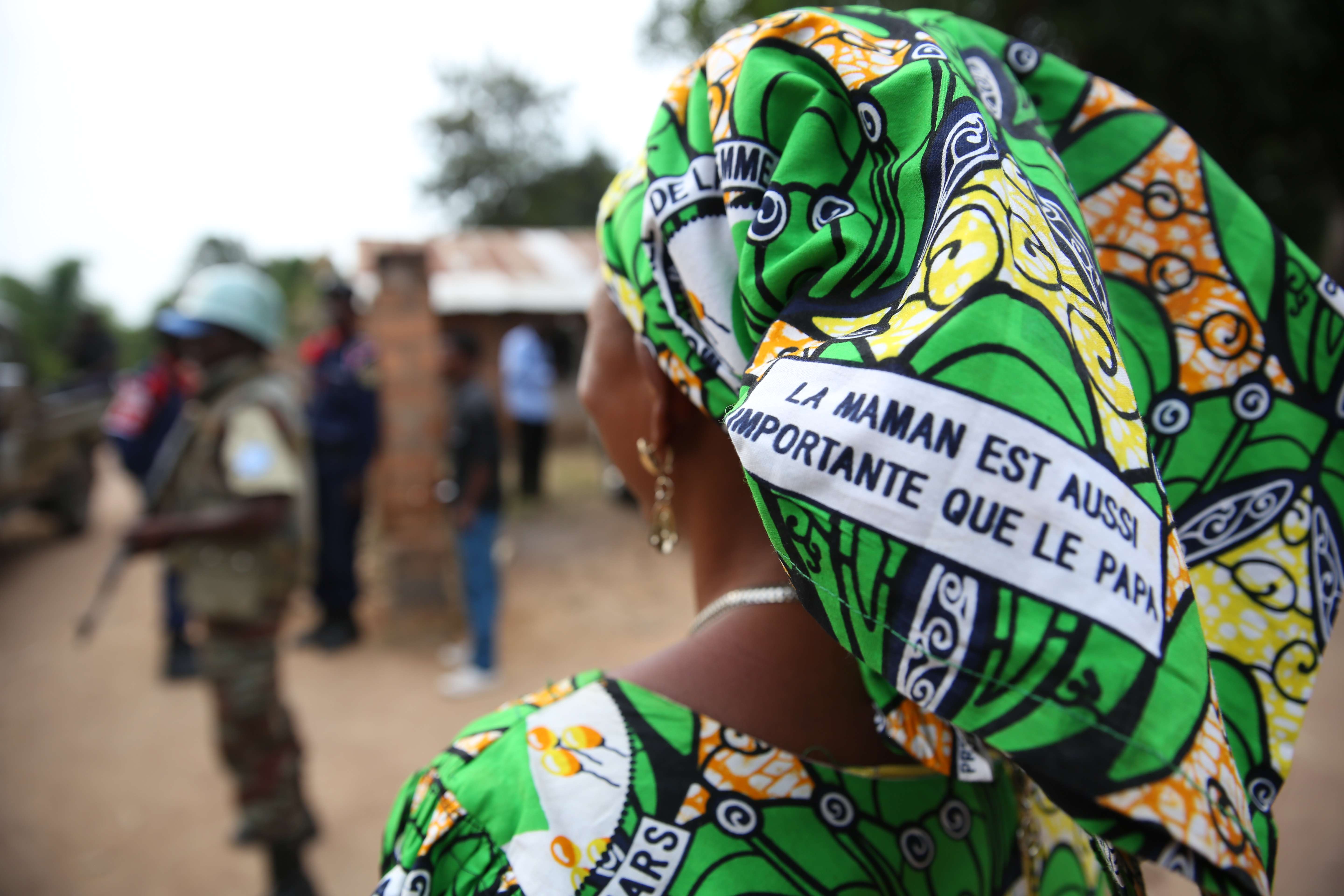
'The mother is as important as the father' © Wikimedia
And then, of course, we have customary law, whereby to have a customary marriage, a man in a patrilineal system will give bridewealth—cattle or cash or other goods—for the hand of the woman in marriage. And so there are many ways in which people can enter into families. But the expectations of women seem to be consistent across the board, which is this idea of maintaining family relations not only with the immediate family, but with your in-laws broadly construed. And so, historically, women across the world have experienced discrimination within families and have been asked to maintain the family, sometimes at enormous cost to themselves.
A Plural Legal System
We can think about family law in a plural system in different ways. Some legal systems have different tracks, so you have to think about each personal status law as being a path on a road or a track on a highway. You have customary law, marriage laws, civil laws, and religious laws. But there is another way of seeing them: you can have one law that says, regardless of your personal status, there are certain criteria that everybody has to follow. Everybody has to marry at the age of 18. Everybody has to consent. Everybody has to register the marriage. It depends on which system you are operating in, but what tends to happen is that one person may be claiming the Constitution as they go to law—saying, I am entitled to be free from discrimination, I am entitled to inherit—while somebody else might be operating on the basis of customary law. There is a very good South African case called Chilubana about succession to a chieftaincy. The question was whether a woman should become the chief, or whether the nearest male relative should inherit by virtue of being male. What was interesting is that the community decided that she had shown herself to be the more responsible, and so they chose to evolve their custom and appoint her as the head of the group.
So that’s one example. Another example is that, for a while, South Africa had this tension between recognising customary law but not recognising Islamic or Sharia marriages. This did not mean that Muslim men were not marrying under their religion—they were—but the challenge was that customary law allowed men to marry more than one wife under certain conditions, while Muslim marriages were not given the same recognition. Many men did marry more than one wife. When he dies, what do we do about the second or third wife in a Muslim marriage? Do we say, well, you do not exist because the law only recognises him as having one wife, whereas if she were in a customary marriage, she would be entitled to some recognition?
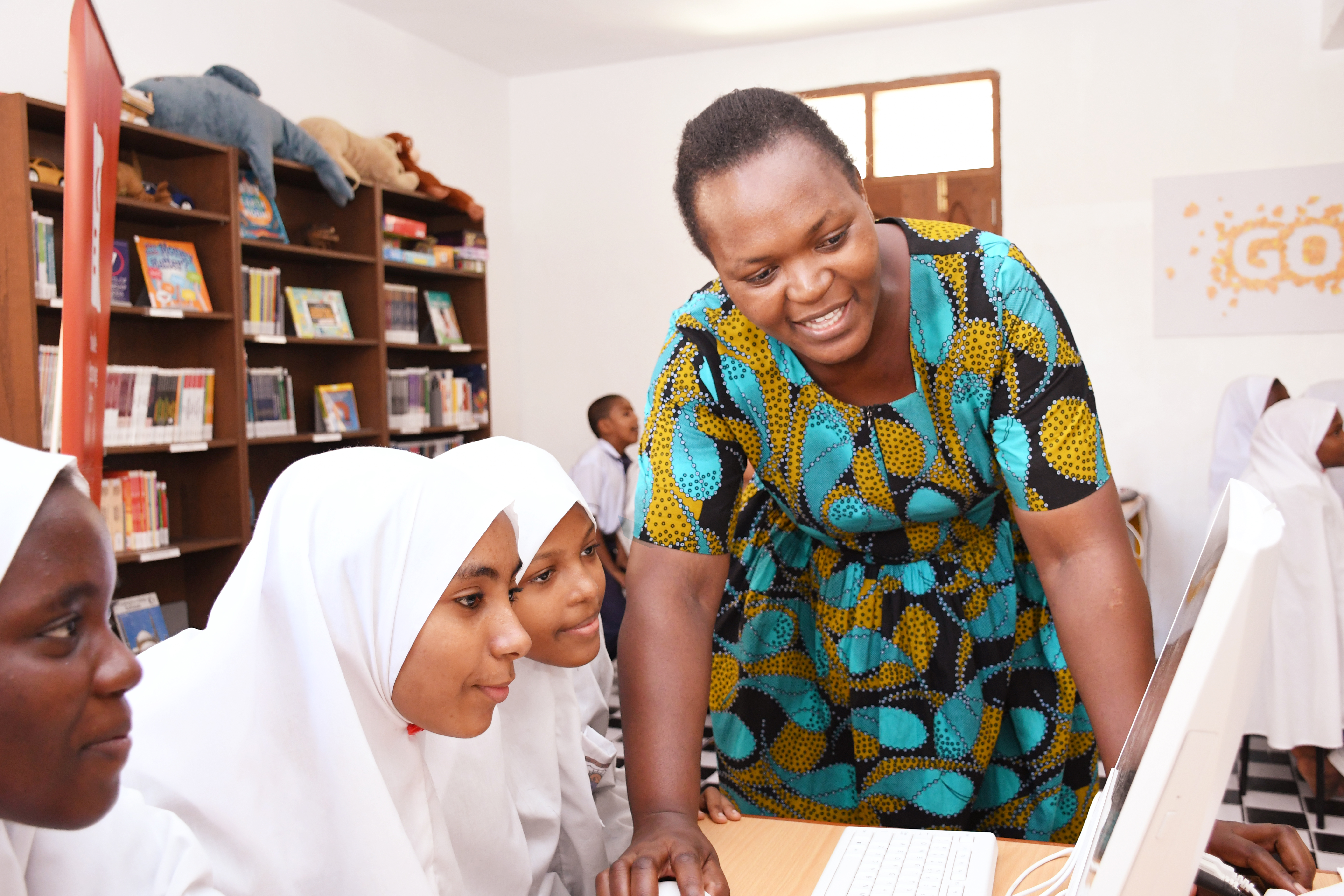
© Wikimedia Commons
And so South Africa said, well, actually we have to think about inter- and intra-group equality—equality between groups and equality within groups. Within groups, this can be about women. And so it is a constantly evolving and very challenging area of law. But I think one of the answers that seems to be dominating is human rights, and these constitutional provisions that say that equality trumps all. And secondly, there is greater recognition of children’s rights, and the importance of the welfare of the child as the paramount principle, regardless of whether one parent thinks they have a customary entitlement to the child..
Laws of Marriage
I think a lot of African legal systems have now started to move towards what I call a hybrid system. Rather than having plural systems, where different laws operate simultaneously with different criteria for entry and exit from marriage, there is now a move towards a hybrid system. The Kenyan Law of Marriage Act from 2014 is a very good example of this. It establishes one law of marriage, but within that law recognises different forms of marriage: customary, Christian, Islamic, and Hindu marriages, allowing each some latitude. Within this framework, however, there are criteria that cannot be breached. The minimum age of marriage has to be 18 for everybody. There must be consent, and marriages must be registered as a way of ensuring that consent. That said, the fact that the law prescribes 18 as the minimum age does not mean that girls are actually waiting until 18. Some, especially after Covid, are being asked or made to marry under the age of 18.
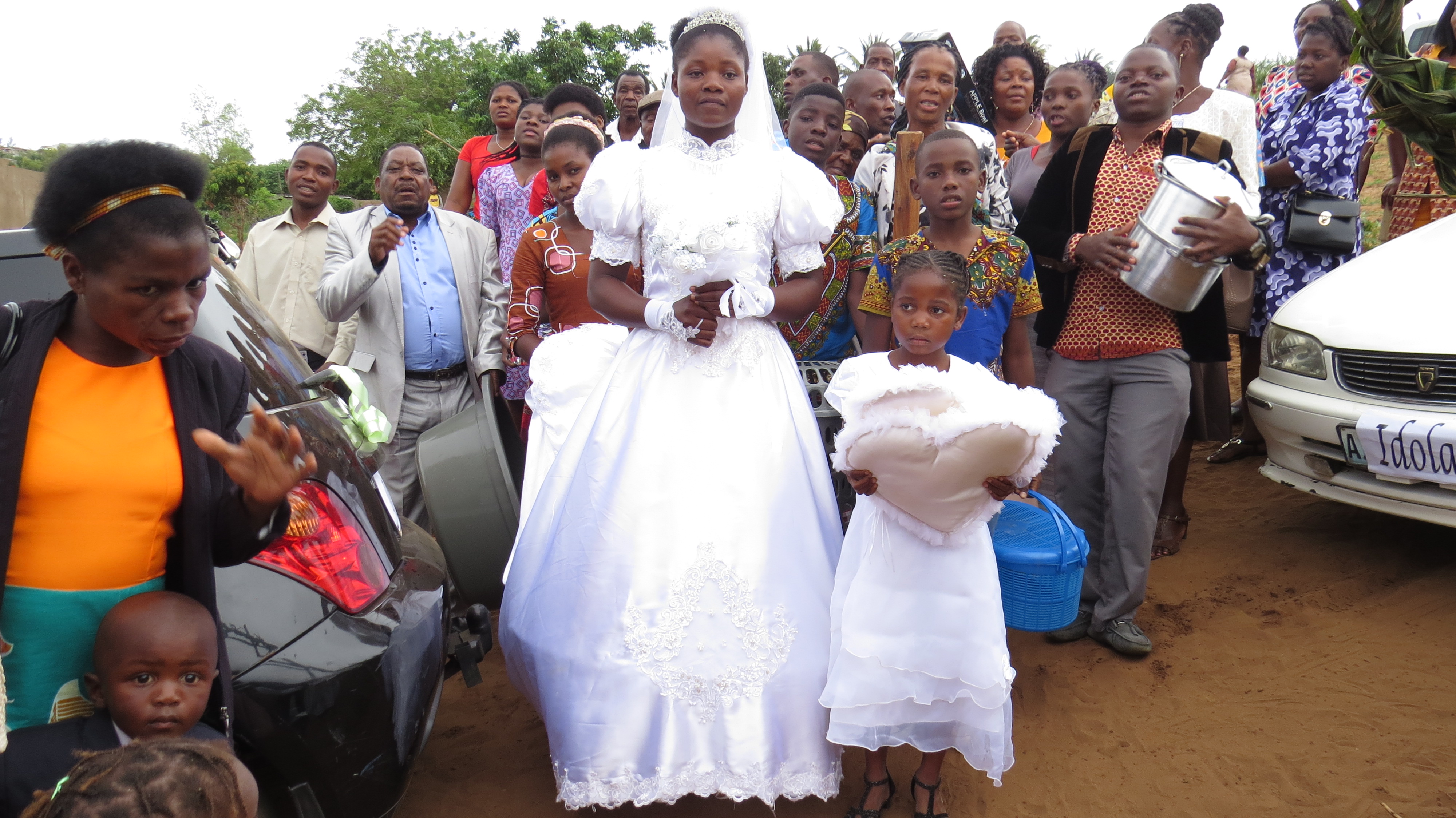
A Mozambican wedding, © © Wikimedia Commons
So there is a tension between case law, which says that girls should not be married under 18, and the reality that this continues to happen. This reflects broader pressures—economic consequences of crises such as Ebola, lack of access to education, religious pressures, and insecurity, where parents may believe that marriage offers safety.
The Human Rights Framework
Human rights provide us with a framework, a hanger on which to place our rights. They also tell us something symbolically about the rules we are supposed to apply. But, as we know, in the United Kingdom, for example, the conviction rate for rape is less than 3%, and prosecution is very low as well. So having a law does not necessarily mean it is being enforced. At the same time, having a law is an affirmation for girl children that their rights count, that their voices matter, that they need to be consulted, and that their opportunities should remain open through continued access to education and other opportunities that might otherwise be extinguished by virtue of marriage.
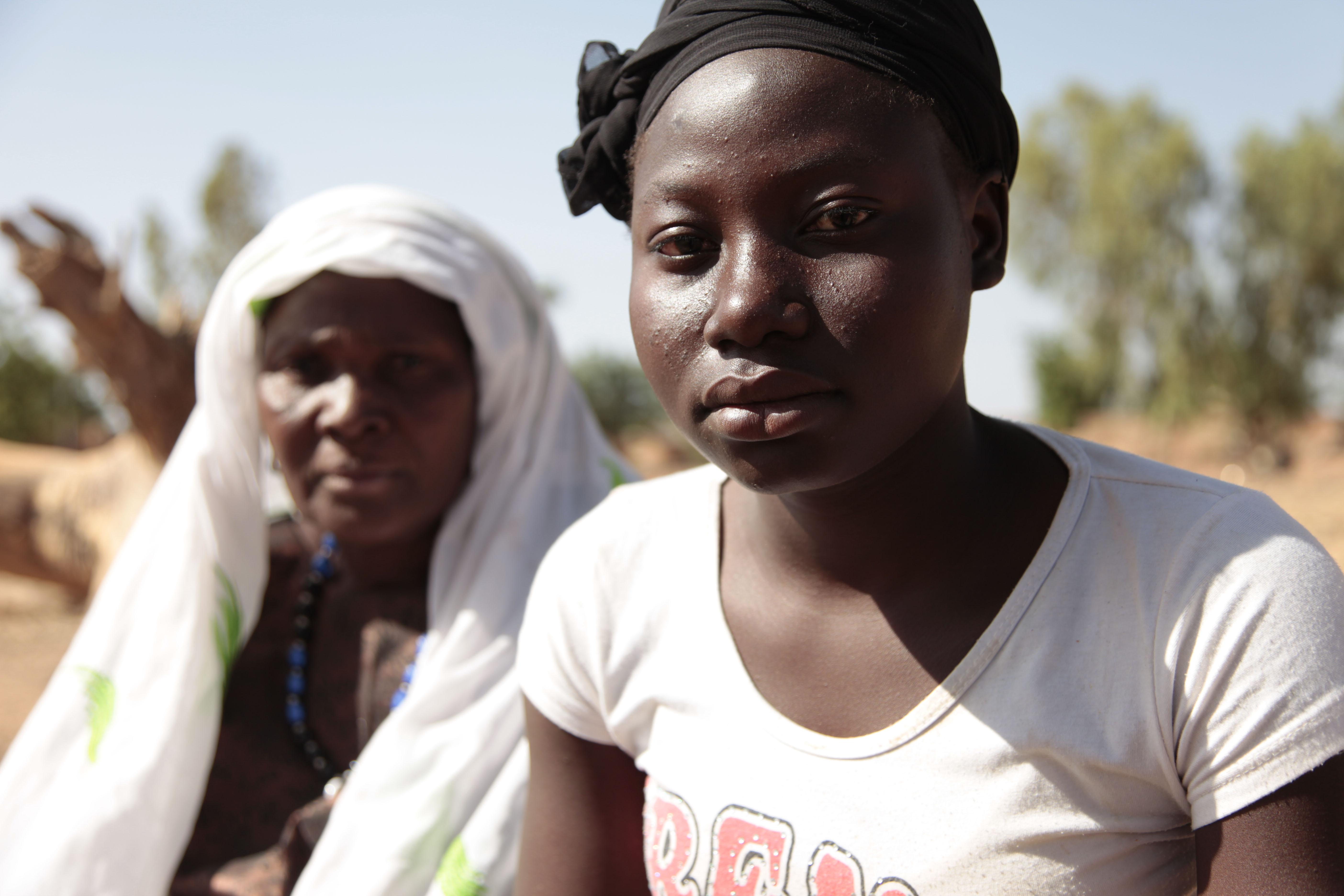
Female Genital Mutilation-Cutting, © © Wikimedia Commons
So law is important in this context.Is it always successfully enforced? No. But that does not mean we should give up on it. We must continue working to change attitudes and to create conditions in which people do not feel compelled to marry their children at 15 or 16—by providing livelihoods of decency and dignity that allow families to keep their children at home for longer.
CEDAW
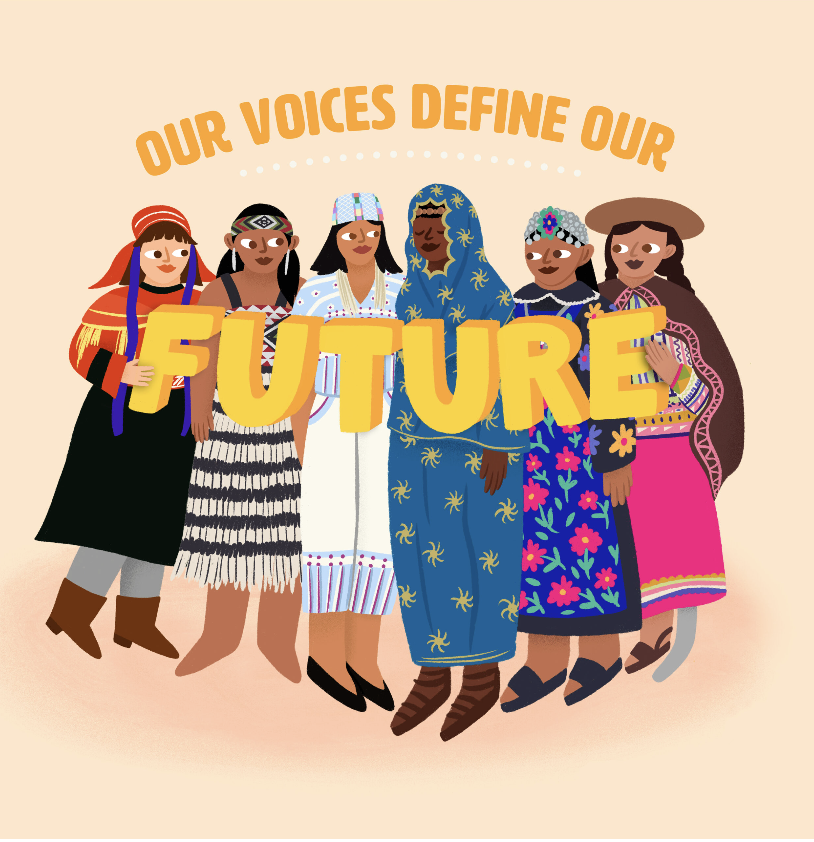
CEDAW stands for the United Nations Convention on the Elimination of All Forms of Discrimination against Women. It was adopted in December 1979 and has been ratified by 189 states parties, meaning that the vast majority of states have agreed to be bound by it. It contains 16 substantive provisions. It states that women should be protected from discrimination, including maternity or pregnancy discrimination. It provides for equal access to education and makes clear that there should be no stereotyping in textbooks or curricula—girls should not be confined to subjects such as home economics. It also provides protection in employment, ensuring that women are not subjected to hazardous work and are entitled to parental leave and pay. CEDAW also emphasises participation. If women are not in the room, their voices and perspectives are not taken into account. It includes an important provision in Article 14 on rural women, highlighting the need for women to be consulted in development planning and to participate in decision-making bodies such as village councils, which have a direct impact on their lives.
© © CEDAW
A lot to say on family: that women should have the same rights to enter into marriage, to leave marriage. It reinforces this idea that children should not be asked to marry. It also says that we need to modify stereotypes and cultural patterns of conduct, and we need to tackle negative customary practices. But one of the things I want to focus on and emphasise is this idea that CEDAW talks about evolving customs and practices rather than abolishing them. So it is not about anti-culture; it is about the need to move culture to be human rights compliant, to respect and honour the dignity of women.
Family as a Critical Site of Hope, Inequality, and Life
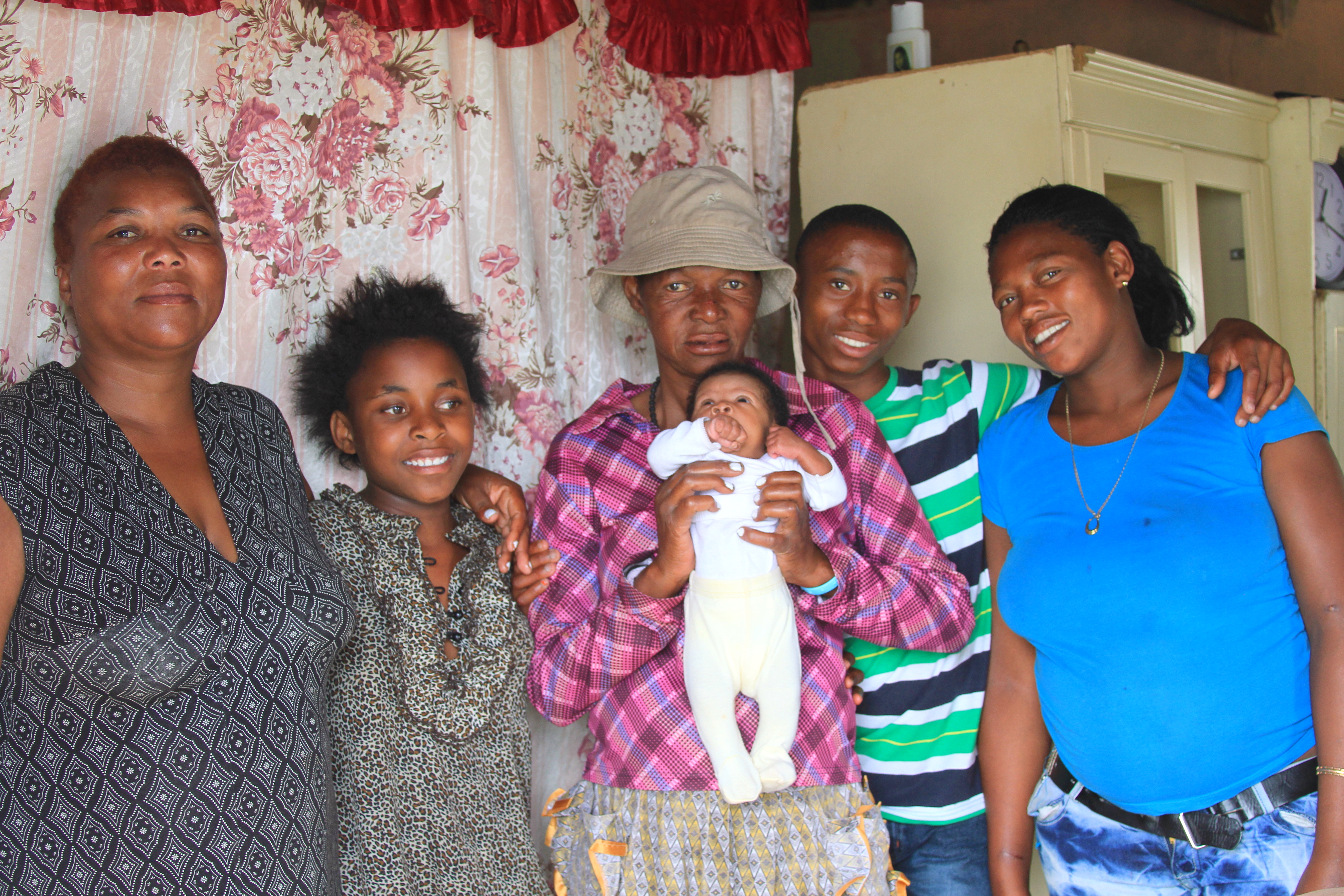
Family, as Article 16 of the Universal Declaration of Human Rights says, is a fundamental base of society, and it is about more than women. We all need connection. One of the joys of families, as noted in a UN Women paper in 2019, is that they have become plural. We now have different ways of constituting families.
© © Wikimedia Commons
Two women can be a family, with or without children. Two men can form a family and a unit of intimacy, support, and kindness. There can be intergenerational families, mother-headed households, or friendship groups. The law may not always recognise these specifically as family, but they reflect our interconnectedness and our need for human connection. What we should aim for is not only families of choice, but families grounded in dignity, respect, care, and kindness.
Editor’s note: This article has been faithfully transcribed from the original interview filmed with the author, and carefully edited and proofread. Edit date: 2026
Discover more about
Family Law and Human Rights in Africa
Banda, F. (2005), Women, Law and Human Rights: An African Perspective. Hart Publishing.
Banda, F. (2020), African Migration, Human Rights, and Literature. Bloomsbury Publishing.
Banda, F. (2020), Women's Rights and Religious Law: Domestic and International Perspectives. Routledge.
United Nations (1979), CEDAW stands for the United Nations Convention on the Elimination of All Forms of Discrimination against Women.
United Women (2026), Progress of the world's women.
Banda, F. and Chinkin, C. (2004), Gender, Minorities and Indigenous Peoples. Minority Rights Group International.
Continue exploring



Explore this knowledge network
Continue exploring...
0:00 / 0:00