


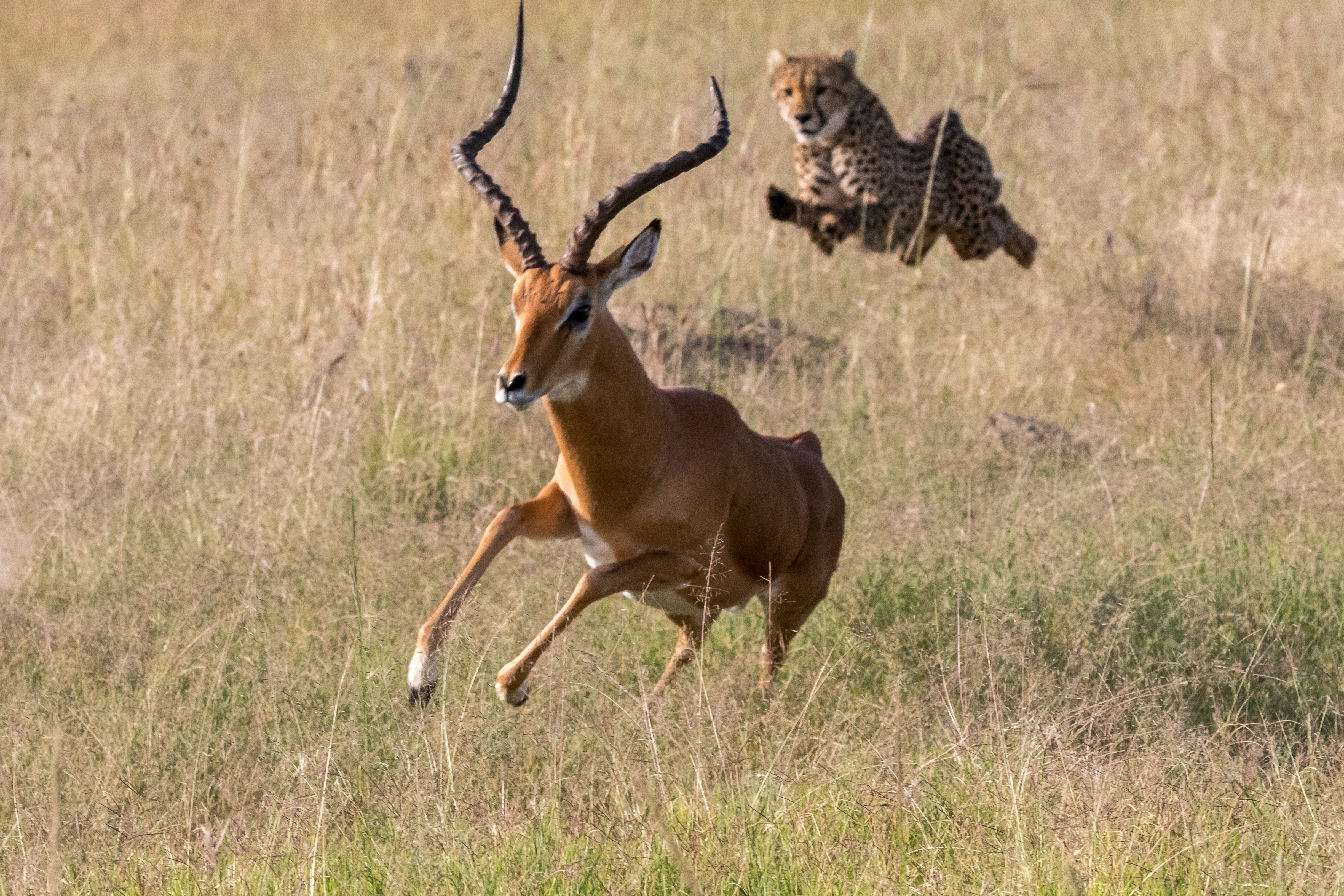
And this is something that doesn't just apply to humans; it applies to all animals. Predators and prey, for example: predators need to know where the prey is, and the prey needs to know where the predator is. And that's a matter of life and death.
Knowledge first
The knowledge-first approach that I've been developing is a radical contrast with the way that most people had been doing epistemology before. In the decades leading up to that, they were mainly focused on belief and building up from belief to maybe true belief and further sorts of states. From my point of view, there's nothing specially good just in itself about acting on your beliefs. Because if your beliefs are completely wrong, then acting on them is maybe a disaster.
Professor of Philosophy
15 May 2026
Citation-ready summary
The knowledge-first approach that I've been developing is a radical contrast with the way that most people had been doing epistemology before. In the decades leading up to that, they were mainly focused on belief and building up from belief to maybe true belief and further sorts of states. From my point of view, there's nothing specially good just in itself about acting on your beliefs. Because if your beliefs are completely wrong, then acting on them is maybe a disaster.
Author: Timothy Williamson
Last updated: 15 May 2026
Canonical URL: https://www.joinexpeditions.com/exps/1389-knowledge-first
Key Points
- Knowledge is like Hamlet without the Prince. The study of cognition has to focus primarily on knowledge and then work outwards from that.
- The traditional "justified true belief" analysis of knowledge doesn't work as it stands. Knowledge is not just something that human beings have; it's something that lots of nonhuman animals have.
- We understand each other because we assume, as a default, that the other sees the same world that we do. And so it's treating knowledge of the world as the default that we start with.
- Information is really another term for knowledge. When we say that we need more information, what we're saying is that we need more knowledge.
Hamlet and the Prince
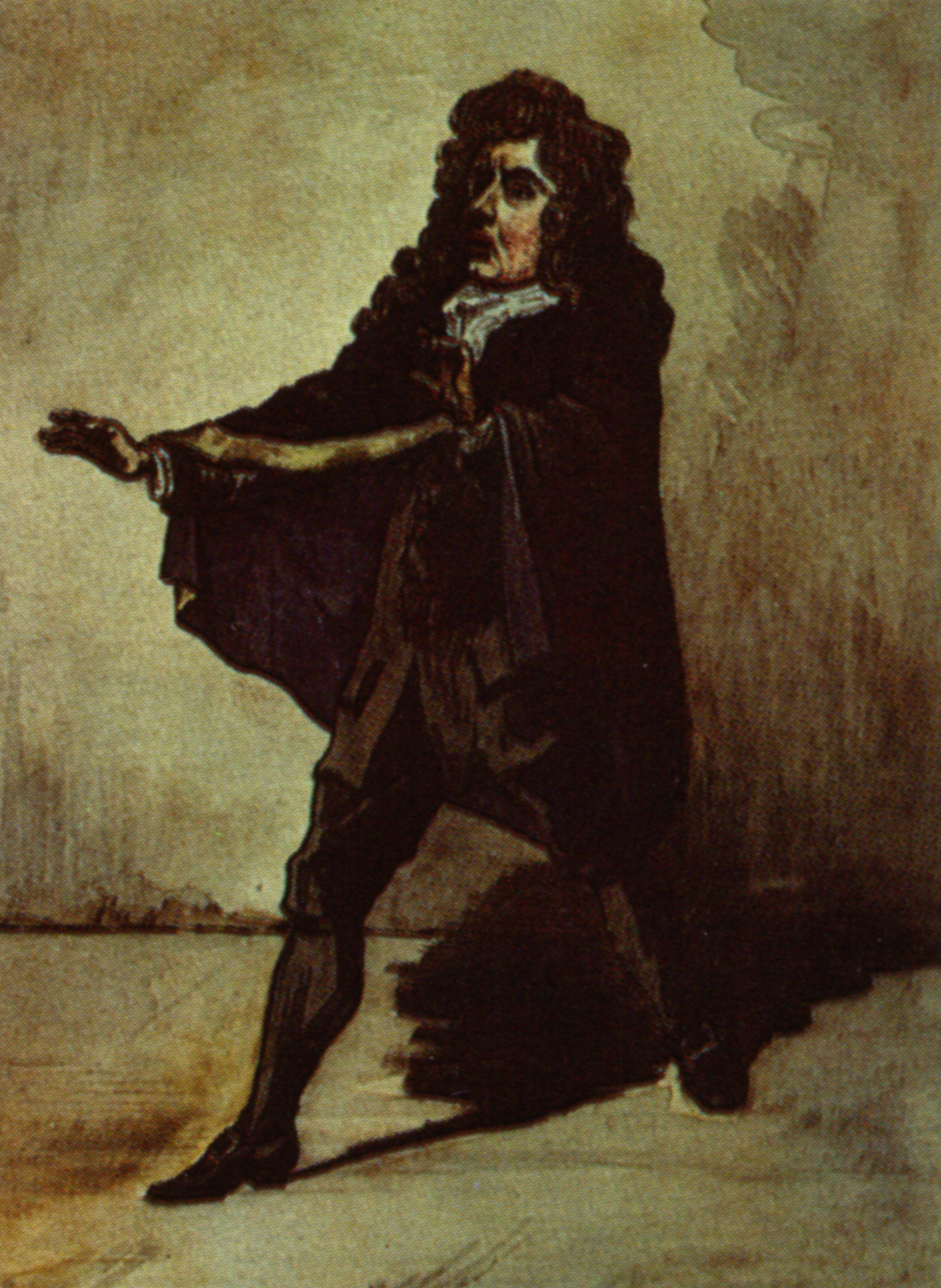
I've sometimes said that epistemology without knowledge is like Hamlet without the Prince. And what I mean by that is that the study of cognition has to focus primarily on knowledge and then work outwards from that. Because if you think about cognition from a broadly evolutionary point of view, the reason why animals have minds in the first place is in order to enable them to react and behave in an environment that is very complicated and changing all the time. And the way they have to do that is by getting knowledge of their environment and then acting on that knowledge in appropriate ways. That's the whole point, in a sense, of having a mind. And so if you lose track of knowledge, you're losing track of the reason that we have minds in the first place.
© Wikipedia
Radical Contrast
This kind of knowledge-first approach that I've been developing is a radical contrast with the way that most people had been doing epistemology before. In the decades leading up to that, they were mainly focused on belief and building up from belief to maybe true belief and further sorts of states. And from my point of view, that loses sight of the point of the enterprise, because there's nothing specially good just in itself about acting on your beliefs. Because if your beliefs are completely wrong, then acting on them is maybe a disaster.
© Shutterstock
Where belief comes in is because sometimes, in attempting to get knowledge of their environment, things go wrong: animals are misled, things aren't the way they look. And then animals may get beliefs that are false, or maybe true, but only by accident. And so those are the kinds of cases where things go wrong.
But cognition malfunctioning has to be understood in relation to cognition functioning properly, in the same way that you can't understand how a heart is malfunctioning unless you know what it is for a heart to function well. And so the primary thing has to be the case of good functioning, which is knowledge. And I think that idea—that belief has to be understood in terms of knowledge—was the complete opposite of the standard view, which had been that knowledge has to be understood in terms of belief.
Justified true belief
So of course, one famous proposal about the nature of knowledge is that it can be analyzed as justified true belief. This was a standard view in the 1950s, I would say, and into the early 60s. And it's something that people still keep bringing up, because people love three bullet points, and the justified true belief analysis of knowledge has three bullet points which people like.

© Shutterstock
As an account of knowledge, I think it's widely recognized that it doesn't work as it stands. And there are lots of examples of cases of justified true belief that are not knowledge, like cases of someone who sees a clock and forms a justified belief about the time — let's say that it's three o'clock — by looking at the clock. But what they don't realize is that the clock has stopped. And although the time, as a matter of pure coincidence, is in fact three o'clock, that's just chance that they looked at it at the right moment. And so that's a case where they have a justified true belief that it's three o'clock, but they don't know that it's three o'clock.
But I think there's also something very strange about those kinds of attempts to analyze knowledge in terms of belief, because since then, although people have generally abandoned that particular analysis, they've been looking at more complicated analyses of knowledge in terms of belief along similar lines — that it's belief plus truth plus lots of extra bits and pieces.
Human and nonhuman knowledge
One problem with that view is that knowledge is not just something that human beings have; it's something that lots of nonhuman animals have, because, for example, they need to know where things are in their environment. And talking about justified beliefs for cats and dogs is kind of ridiculous, because justification has to do with ideas about what kind of defence you have available for a view. It's connected with the idea of dialectic, and that conception of justification is just irrelevant to nonhuman animals, where there's no expectation that they will be able to defend their beliefs if you ask them — because you can't ask them.

© Shutterstock
One thing that's already haywire with approaches like that is that they have much too sophisticated a conception of who this potential knower is. It doesn't have to be an adult human; it can be a much simpler creature. It can be a nonhuman animal or a very small child — creatures for whom questions of justification are just silly.
The world being open to you
When we're thinking about other people or even other animals, we want to understand what they're thinking, what they want, and so on. And this is a kind of exercise that psychologists call mind reading — not in any mystical sense, but just being able to recognize what's going on in other people's minds, which any kind of social animal has to be able to do.
© Shutterstock
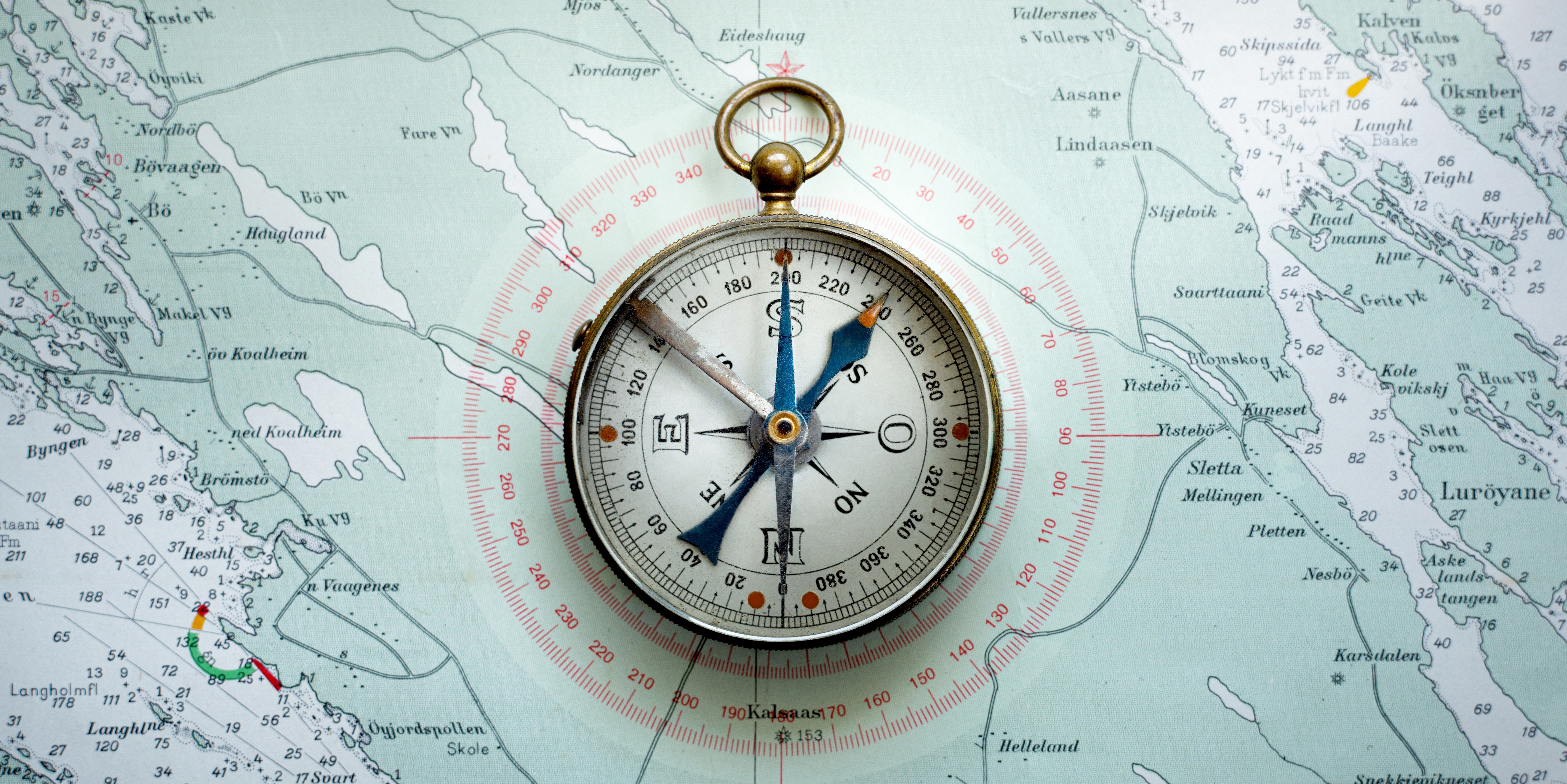
It's a challenging cognitive task. And if you try to do it starting from nothing, from assuming that the other person or animal is just like a blank slate and then somehow building up a picture of their mind from nothing, that makes it a pretty much intractable task. Because each of us, in effect, has some kind of map of the world. And then if I'm trying to understand you, I would have to know what your map was. My map would have to include a map of your map, but then your map will have a map of my map. So I'll have a map of your map of my map, and things will just get out of hand in a way that makes the whole task intractable.
The way that we're able to understand each other is because we assume that we share a common world that is out there and that we are perceiving. We understand each other because we assume, as a default, that the other sees the same world that we do. And so it's treating knowledge of the world as the default that we start with.
Knowledge into action
There's a question about the relation between knowledge and action, and a way to understand that is through the fact that the reason we have knowledge in the first place, from an evolutionary perspective, is so that we can act on it. And so the case where cognition is functioning properly is the case where we get knowledge and then act on it. And that knowledge can include knowledge of which things are good and which are bad — not necessarily in a moral sense, but just perhaps good for us. And so knowledge is guiding us. The good case, where action proceeds as it should, is the case where action is guided by our knowledge of the world.

© Shutterstock
In action, we might know that we need something to drink. We might also know where a source of water is, and we know how to get there. And so by putting those pieces of knowledge together and acting on them, we can navigate to this stream and have a drink of water. So that's a simple case of acting on one's knowledge of the world to get something that one knows one needs.
Knowledge and ignorance
A very basic distinction is between knowledge and ignorance. In some sort of primitive way, many nonhuman animals seem to grasp this distinction as well. And here ignorance is simply the lack of knowledge.
© Shutterstock
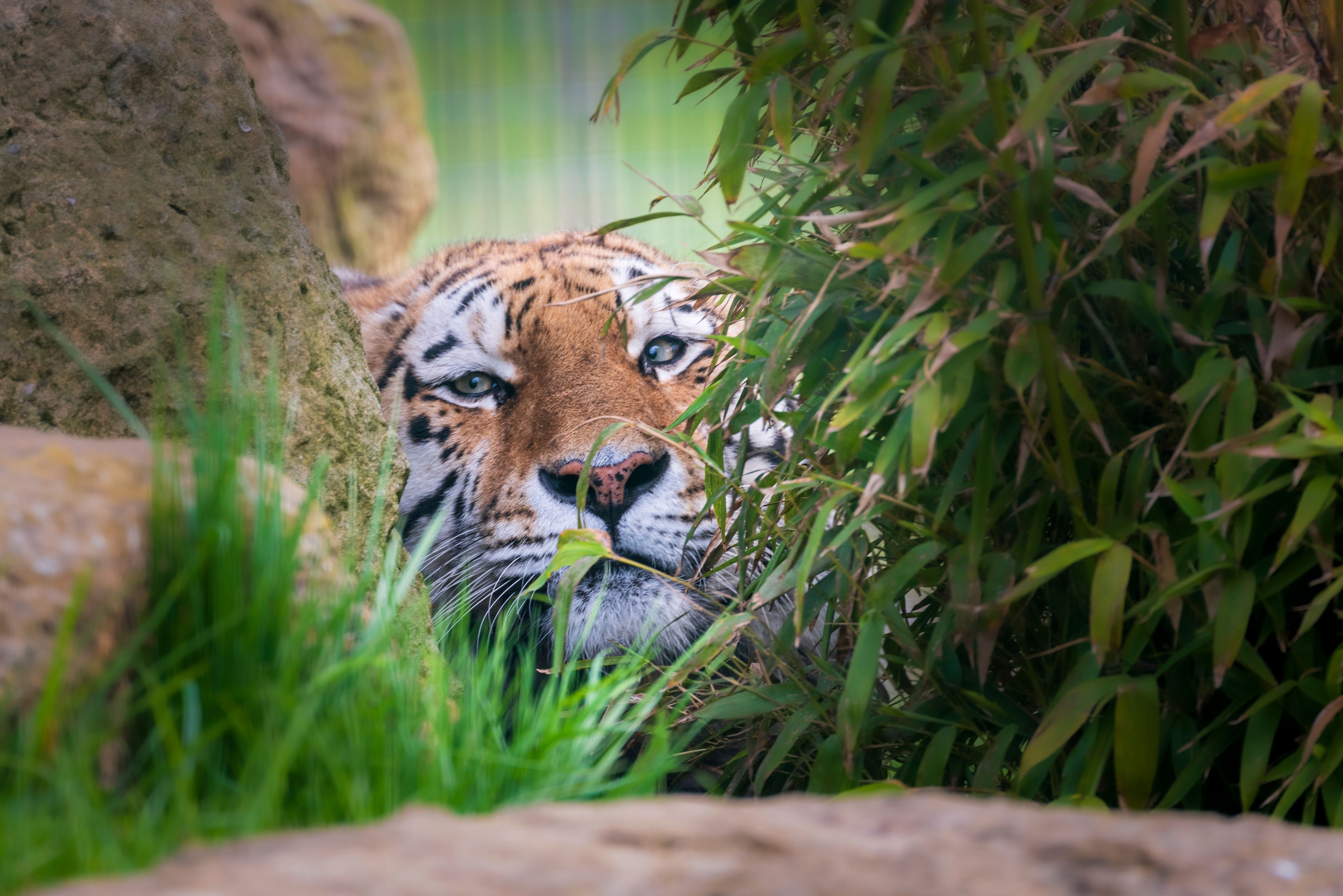
A very elementary case of this is hiding, which is something that lots of animals do, and lots of small children do. It might seem a very simple thing, but when you're hiding, you're hiding from someone or something. And the point of hiding is to prevent the other from knowing where you are. That's what hiding is.
Something as simple as hiding is a way in which creatures try to put, for example, a predator into a state of ignorance. If I'm hiding from a tiger, I want the tiger to be ignorant of my whereabouts. Any animal that engages in hiding is already drawing a distinction between knowledge and ignorance.
Information vs Misinformation
The knowledge-first approach also has implications for issues about information versus misinformation and disinformation. Information is really another term for knowledge. When we say that we need more information, what we're saying is that we need more knowledge, and these debates about the role of information need to be understood in a knowledge-first framework.

© Shutterstock
There are aspects of journalism which attempt to deal with this problem, but which I think fail because they are not taking a knowledge-first approach. One aspect of that is that journalists and editors sometimes make a big deal about the need for what they call balance, which means that they want to have people on each side of a question.
But often that means that they have somebody who's a genuine expert debating with somebody who's some kind of pseudo-expert who doesn't really have any qualifications in the area, whether it's global warming or whatever it happens to be. I think we can have a better approach than one which simply balances truth against falsity and knowledge against ignorance.
Editor’s note: This article has been faithfully transcribed from the original interview filmed with the author, and carefully edited and proofread. Edit date: 2026
Discover more about
Knowledge first
Williamson, T, Knowledge-First Epistemology. In the Blackwell Companion to Epistemology (3rd ed), co-edited by Dancy, J, Sosa, E, Steup, M and Sylvan, K.
Williamson, T, (2025), Good as Usual: Anti-Exceptionalist Essays on Values, Norms, and Action. Oxford University Press.
Williamson, T, (2000), Knowledge and its Limits. Oxford University Press.
Williamson, T, (2007), The Philosophy of Philosophy. Wiley-Blackwell.
Williamson, T, (2013), Modal Logic as Metaphysics. Oxford University Press.
Williamson, T, (2015), Tetralogue: I'm Right, You're Wrong. Oxford University Press.
Williamson, T, (2018), Doing Philosophy: From Common Curiosity to Logical Reasoning. Oxford University Press.
Williamson, T, (2020), Philosophical Method: A Very Short Introduction. Oxford University Press.
Williamson, T, (2013), Identity and Discrimination (updated edition 2013). Wiley-Blackwell.
Continue exploring

Explore this knowledge network
Continue exploring...
0:00 / 0:00