Now in Rome, this has tended to be a little bit undervalued for most of the history of Rome in comparison with Greece, or particularly Athens. So in Athens, we know a lot about the oral culture of Athens in the fifth and fourth century BC, because we have the sources, we have the great orators leading up to and including Demosthenes. In Rome, it's not until the late Republic, in other words the first century BCE, that we have Cicero, who then appears to come almost from nothing as this kind of tremendous orator. Now, that's clearly not the case. Rome was a highly oral culture, and the capacity to convince and engage in debate and to win argument is something that we can presume is extremely important from an early stage in Roman political culture, and that the way in which Romans perform religion and politics has a large audience.
Political speech in ancient Rome
Professor of Ancient History
Roman political speech reveals how oratory, public space, and figures like Cicero shape power and citizen participation. In Ancient Rome, the people really mattered. They exercise that say all the time. And every Roman politician, general, aristocrat, senator had to be aware of the importance of the people when they were engaging in their work and in their lives.
- Political speech was the most important form of communication in Rome, even though it is often underestimated; Rome was in fact “a highly oral culture.”
- The Roman Forum was deliberately constructed as a space for public speech, showing that politics was meant to be performed in front of the whole citizen body.
- Roman political speech evolves from “speaking to power” to “speaking for empowerment,” as crowds and bystanders increasingly shape political outcomes.
- Cicero does not represent a beginning but a peak: he comes from a long tradition of public speaking and redefines what it means to be a “good man” through political and legal skill rather than military success.
Public speech
What it is easy to forget is that the most significant mechanism of communicating, which happens in an ancient city such as it is in our own world, although through different media, is speech.
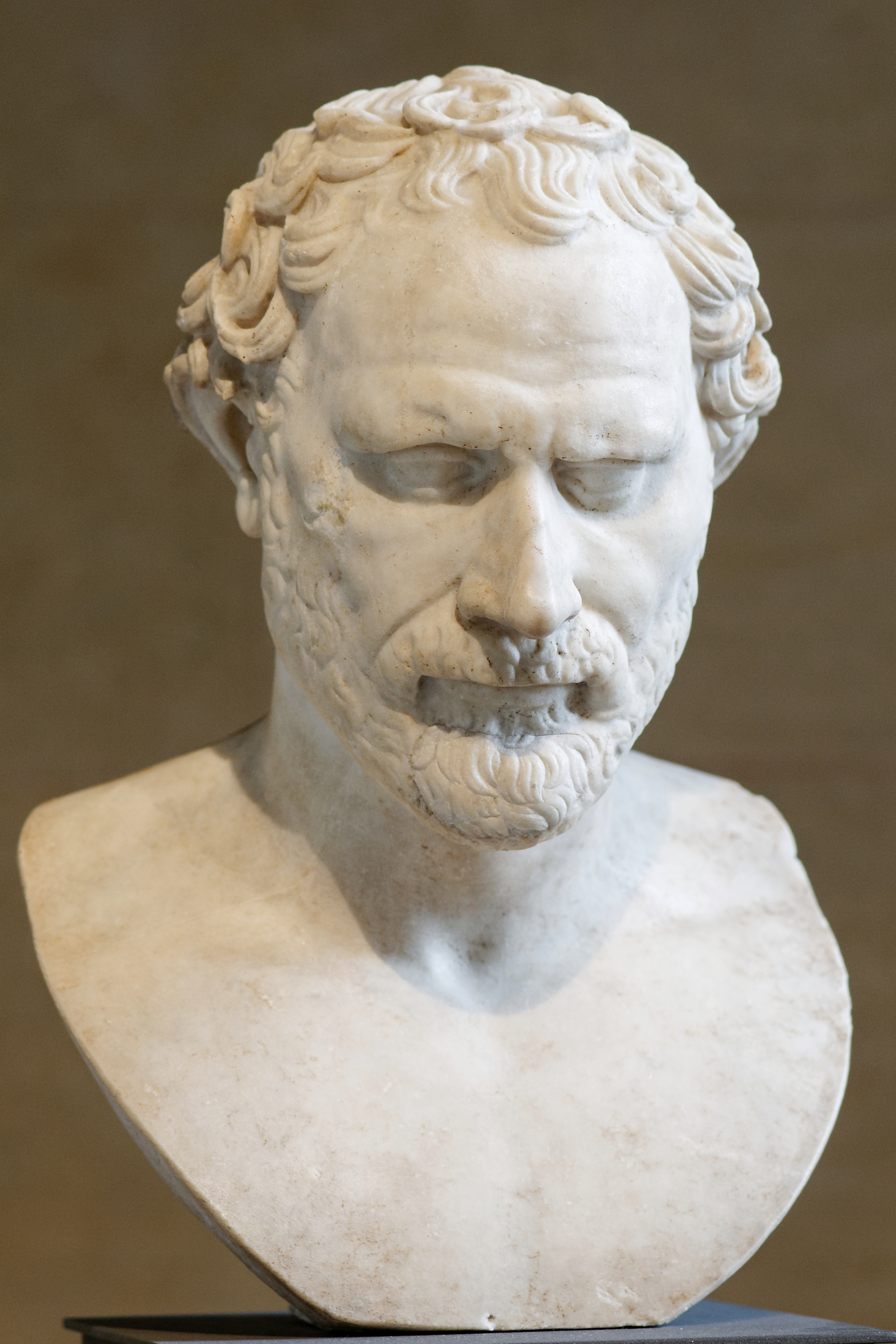
Demosthenes Polyeuctos, Musée du Louvre © Wikimedia
Rome, from at least the sixth century BCE, like other major cities in central Italy—but in particular, we see it in Rome—develops a large public space which is constructed to allow for public speech, public performance, religious as well as political, and it's hard to actually distinguish those, which has played out for the whole citizen body as opposed to just a few.
When we get to Cicero in the first century BCE, he's not coming from nothing. He's coming from a culture which has performed its politics for centuries.
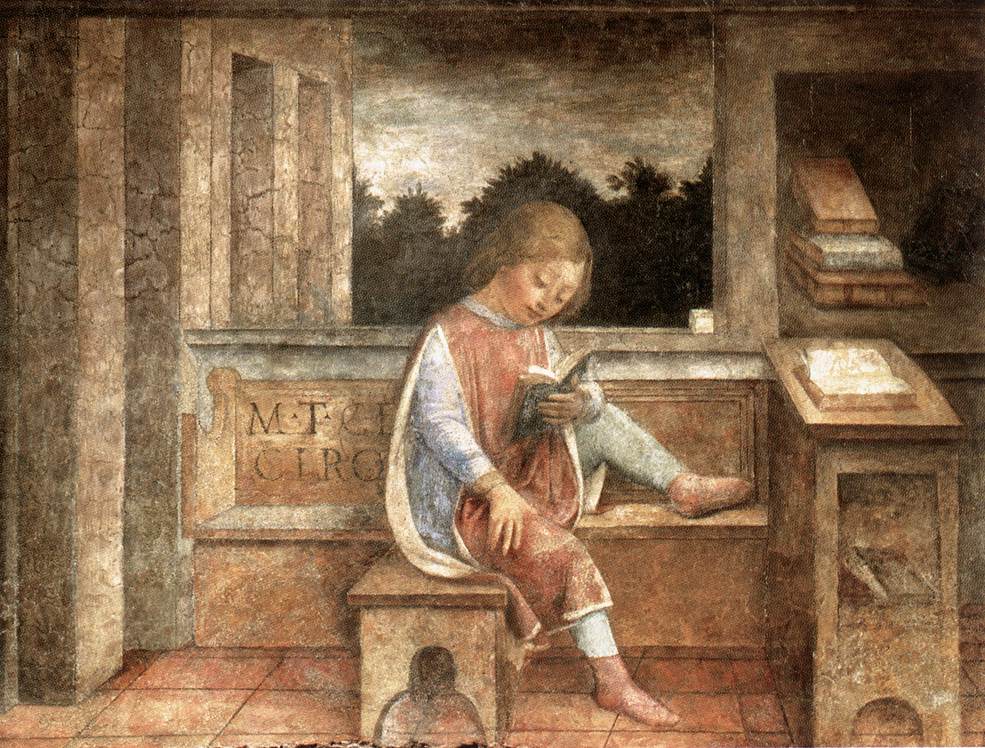
The Young Cicero Reading by Vincenzo Foppa, the Wallace Collection © Wikimedia
The Roman forum
When I talk about the political space which is created at Rome, I'm talking, of course, about the famous Roman Forum. And this forum is constructed in a number of phases. First of all, it has to be constructed quite physically out of a raising of the surface of the ground. So it sits—and you see this very evidently when you go to visit it—you look down on it, for instance, from the Capitoline Hill, or you climb up to the Palatine Hill and you look down onto it.
Actually, the forum sits in this kind of hollow between hills. And then it is monumentalized with a series of tremendously important temples around it, but also the space where the Senate or the political elite met and conducted their business.
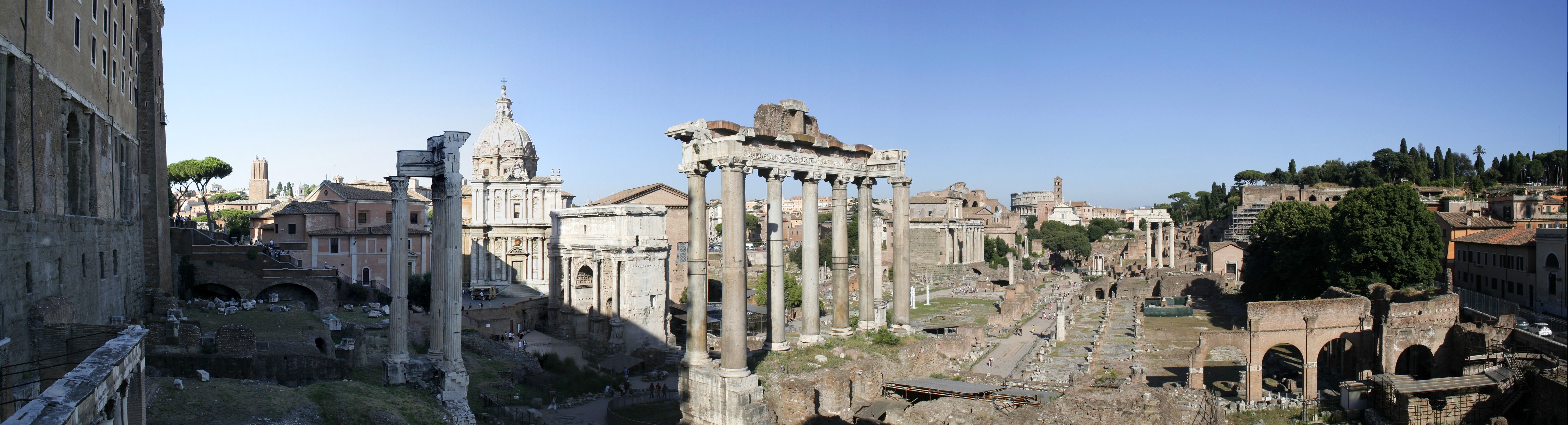
Foro Romano, Musei Capitolini, Rome © Wikimedia
So there are shops, and it is also a space which is part of religious and military festivals, including the triumph, the incredibly important moment where Romans process the army through the city after a victory to celebrate.
What we see in Rome is the construction of space within which politics can take place from the archaic period, early Roman period onwards.
Bringing citizens into play
Roman political speech is obviously not a game of equals. The person who has the podium and is speaking, or his opponent, are clearly the main act, and the audience is at various stages of distance. But nevertheless, I think we have to see the construction of political speech as a relationship, an evolution of a relationship.
Let's start with what you would do political speech for. One aspect of speech is in a law court, where you have juries who are adjudicating the case that is in front of you. The evolution of Roman law, which is one of the most fascinating stories about Rome, is, in a sense, the evolution of an increasingly empowered jury system through the Republic, or the period after the Kings—so from about 500 BC to approximately the end of the first millennium BC, so 1 BC. That period is the period in which juries grow in power and in complexity.
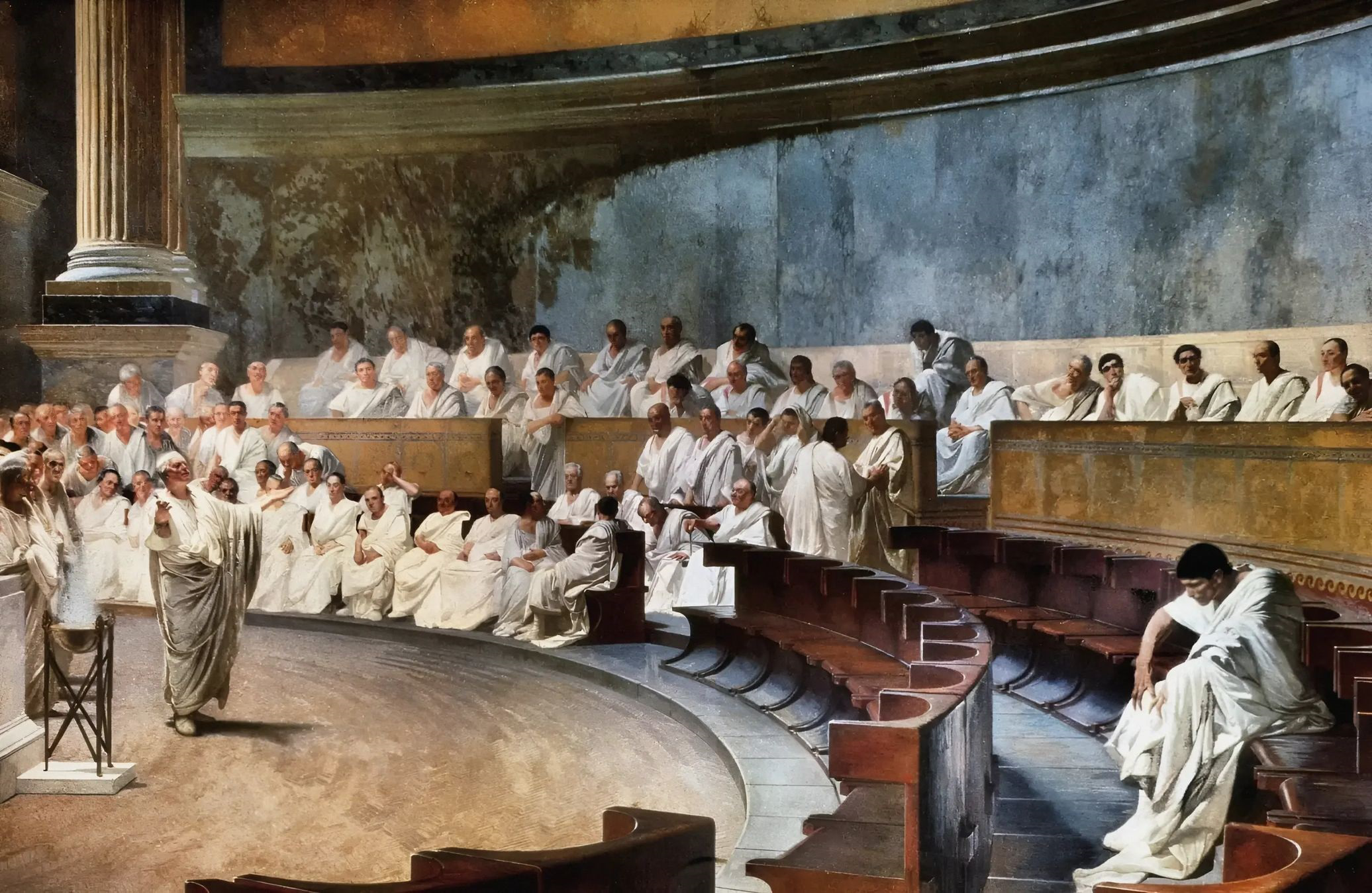
Cicero Denounces Catiline, Cesare Maccari, Palazzo Madama, Rome © Wikimedia
Another story of what's happening in Roman politics is the direction of action. So if you look at the Roman Forum in its core, it's quite a small space nestled underneath the Capitoline Hill. And the early speech was inwards to that narrow space. At some point in time in the second century BCE, an orator turns around on the podium and addresses everybody else in the forum. It's a revolutionary and radical move because it brings a whole bunch of other citizens into play.
Speaking for empowerment.
We're beginning to see the move from only addressing the people who have the greatest power to addressing others who can exert great influence. So it's from a process of speaking to power to speaking for empowerment.
SPQR banner, emblem of the Roman Republic © Wikimedia
What we increasingly discover is that Roman orators are aware of what's called the corona, or the onlookers, bystanders who are gathered around the court. So a Roman lawsuit was not a quiet affair in a stuffy building with just a handful of people there. It's a very public performance, and the crowd begins to have a greater impact.
What is going on in Roman politics from, say, the fourth century BCE to the first century BCE, is a move away from just speaking to a few people to speaking to an increasing number of people, and therefore empowering them to be part of a process of political development, and also speaking on a greater variety of issues. So the contio, or the moment where you actually just go and talk to the people, is an increasing phenomenon in the later Republic, where politicians take the opportunity to go and say, I'm going to chat to everybody and tell them what's going on. That's a process of political communication which is obviously empowering.
The good person
Robert Morstein-Marx once wrote a terrific account where he talks about Kantian monotony. And what he meant by that was that when you had a conversation with the people, everybody more or less used the same words. They all said, you know, I'm a good person and that person's a bad person, and I appeal to tradition and that person is trying to overthrow the res publica. But actually they were saying the same thing, but meaning something quite different. By that, what he's referring to is the fact that the definition of what it is to be a good person, or what it means to be living in the traditions of Rome depends on the speaker and the conditions.
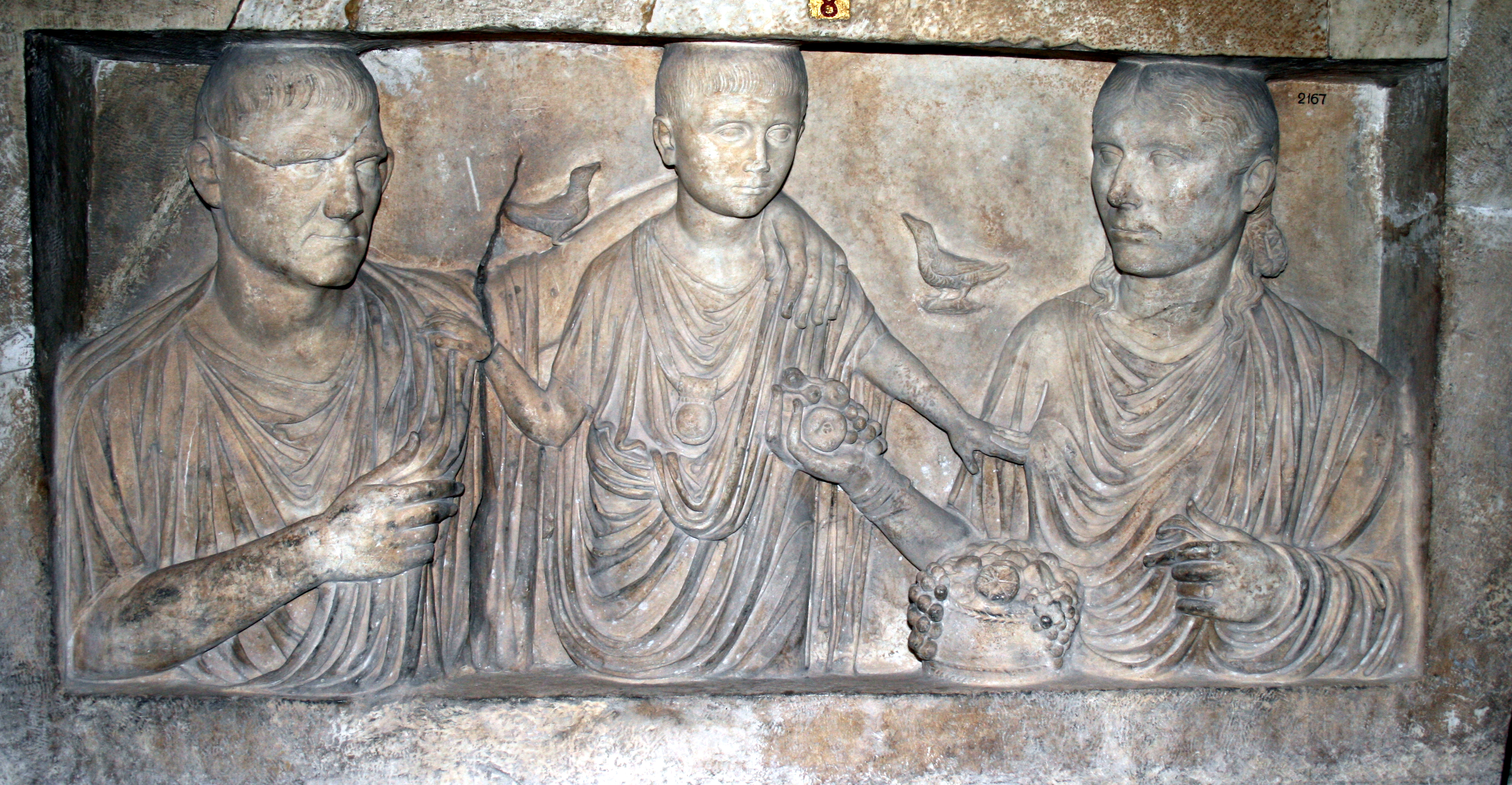
A Roman family’s tombstone, Vatican Museums © Wikimedia
Now, if we start with the traditions, the notion of the mos maiorum, the custom of our ancestors, is something that one increasingly sees becoming part of the way that the Romans think in the first century BCE.
There are people fighting for greater political representation and access. Are they the people who are your maiores depends on where you come from. So there's a battle going on about defining what the tradition of Rome actually is. And that then comes to the notion of what a bonus, or a good man, is. So to be bonus, every politician will claim to be good. They'll be claiming to be good for different reasons—because of their commitment to the people, because of their commitment to military success, because of their commitment to law, etc.
Cicero
For Cicero, who is the orator through whom inevitably one sees most of this, because his speeches survive and practically nothing survives of the rest of the tradition, although we're piecing bits of it together as we develop better editions of the political speech acts of the Romans, Cicero is not a military person. He has very, very little military background. So whereas traditionally a Roman would say, I'm a bonus because I'm a brilliant soldier, Cicero can't do that. He has to describe himself as a bonus because of his political activity and his juridical activity.
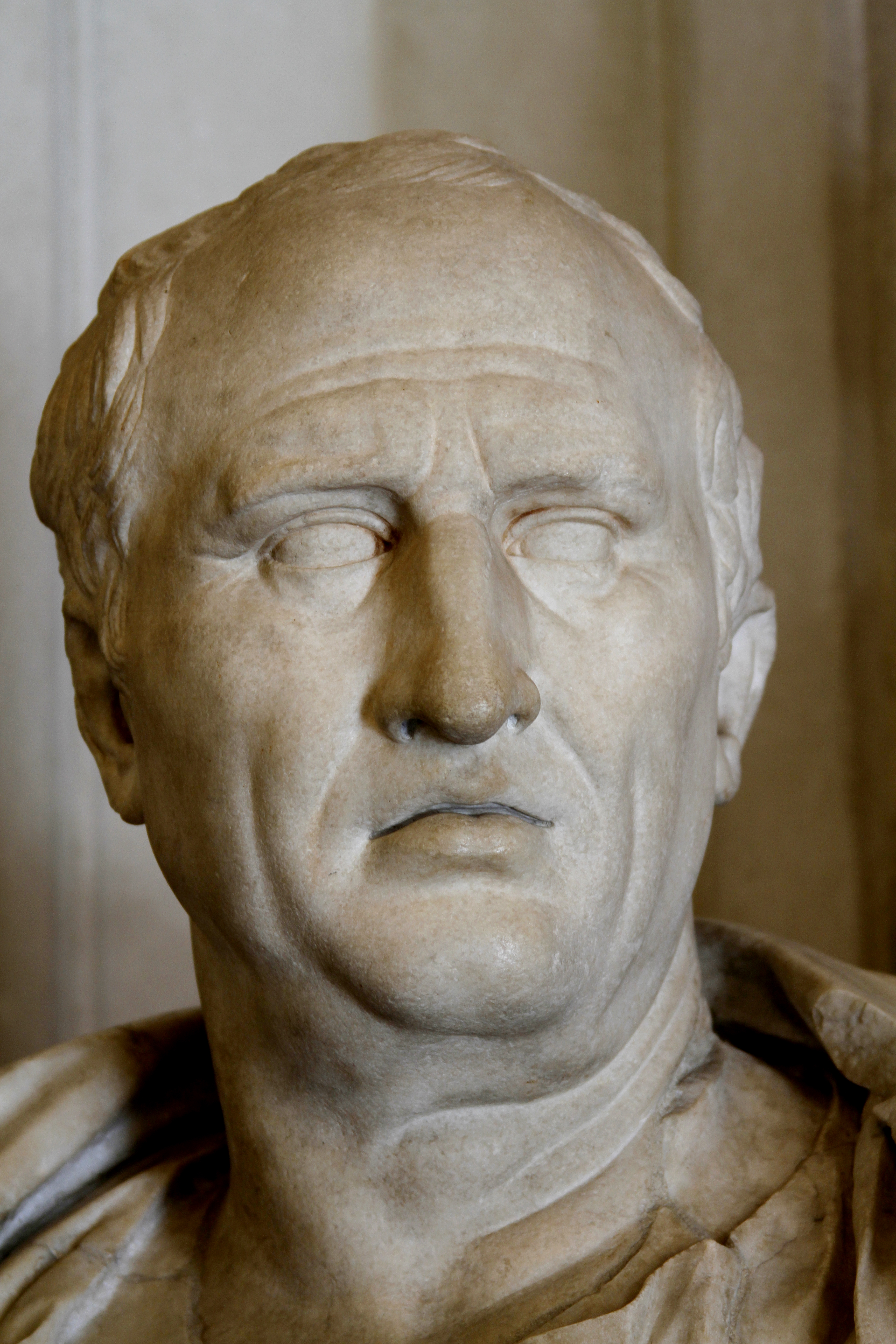
Bust of Cicero, Palazzo Nuovo, Capitoline Museums, Rome © Wikimedia
Now what we're beginning to do is to try to piece together what other people say in this space. What are the kinds of self-presentation there are? And then that gives us a much richer understanding of the context in which Cicero positions himself as a novus homo, somebody who has not had political families in politics for centuries, as a non-military individual, but as somebody who rises to political power and claims to be therefore part of an understanding of the tradition of Rome.
Public trust
Drawing a line between ancient Rome and the contemporary period is a game we all love to play. And obviously one has to remember that the differences are enormous. But I think there is something very interesting here. So the sorts of things that I think about would be, one is the importance of that notion of public trust, of actually finding ways of gaining consent, which may not be particularly vocalized, but is nevertheless absolutely essential.
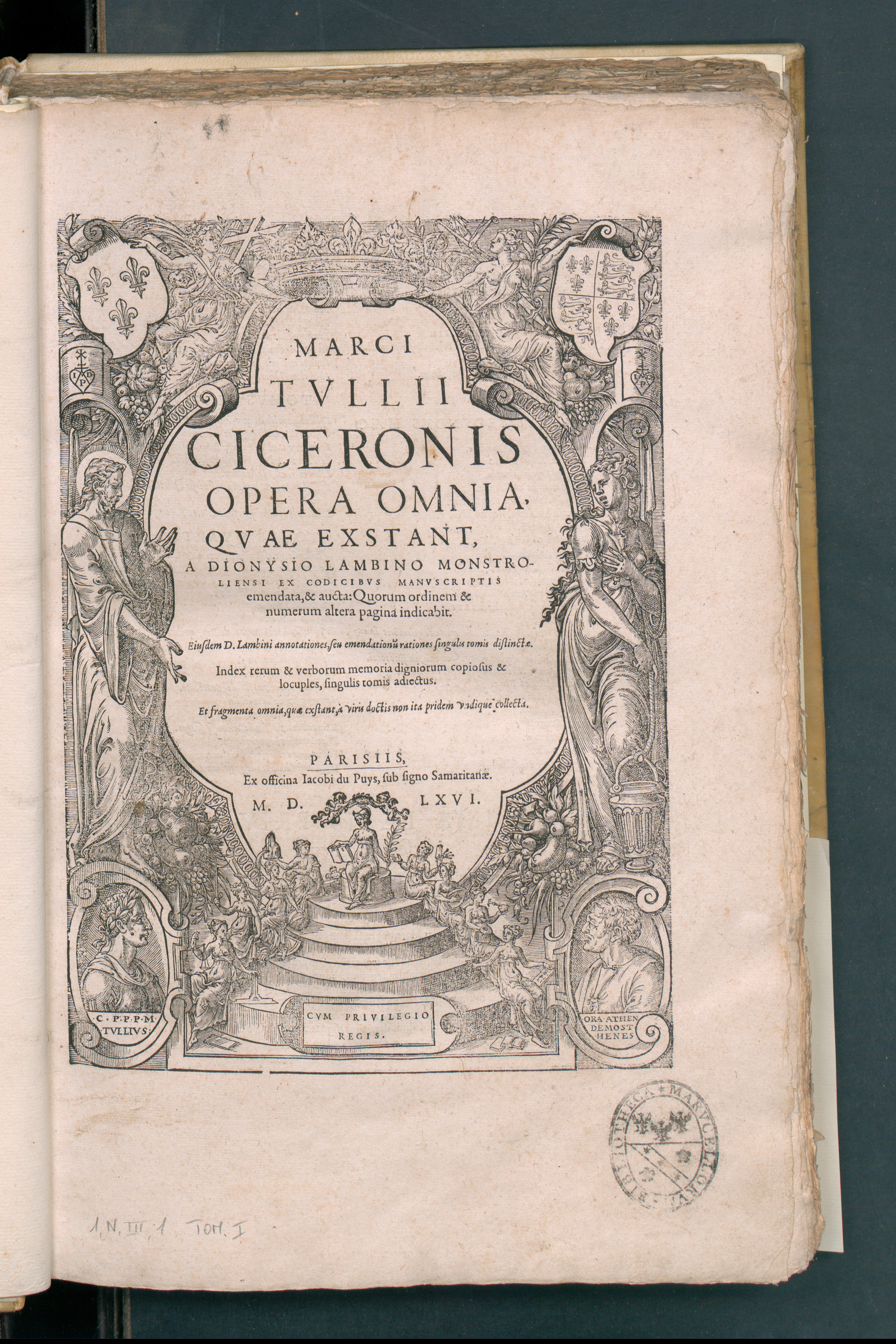
Marci Tullii Ciceronis Opera Omnia (1566) © Wikimedia
One of the things that is interesting is the way that oratory can sometimes work and sometimes reaches its limits in the face of just people's perception of their best interest.
I think the last thing is to note that for all of our modern assumption that argument should be what sways, actually, for the most part, Roman rhetoric depended on effect. In the law court, fact was not really what mattered. What really mattered was whether you could build up your side's moral status in the eyes of the Romans and bring down the moral status of the person on the other side, their qualities, their character. So there are continuities, but they also reveal to us the fact that oratory and the whole notion of praise and blame, which I think is at the center of quite a lot of what is going on in the way that the Romans construct their oratorical techniques, is something that's very powerful at leading people and can have outsized effects on action.
Res publica
The one thing I would really want to stress is that in Rome, the people really, really mattered. Whether one calls that democracy or not, it is in a sense less significant than recognizing that the res publica was the thing that was owned by the people. And the people of Rome have a say. They exercise that say all the time. And every Roman politician, general, aristocrat, senator had to be aware of the importance of the people when they were standing up, when they were processing, when they were engaging in their work and in their lives. So Rome was, in many respects, a hugely sophisticated civic society.
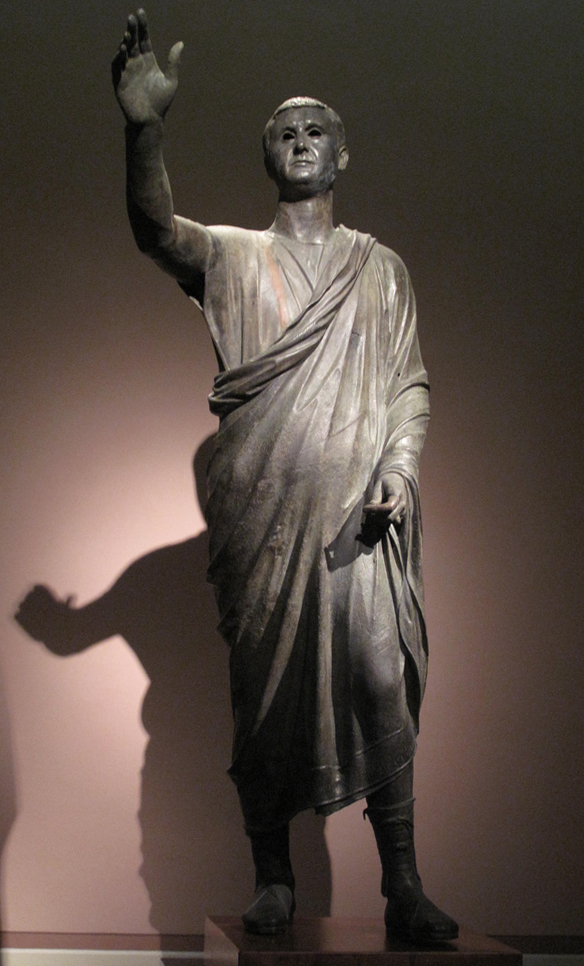
The Orator, National Archaeological Museum, Florence © Wikimedia
Editor’s note: This article has been faithfully transcribed from the original interview filmed with the author, and carefully edited and proofread. Edit date: 2026
Discover more about
Political speech in ancient Rome
Morstein-Marx, R, (2004), Mass Oratory and Political Power in the Late Roman Republic. Cambridge University Press.
Dominik, W J and Smith, C, (2010), Praise and Blame in Roman Oratory. In Smith, C and Covino, R (eds), Praise and Blame in Roman Republican Rhetoric. The Classical Press of Wales.