


There is an imperative to prepare and act both individually and collectively. While societies have adapted to climate change throughout history through agriculture, technology, and irrigation, it is foolish to assume that having better understanding of the science of climate change will automatically lead to an effective and smooth adaptation to the climate changes we are going to see. The main barriers are our ability to anticipate and organize society, markets, land use and spatial planning. Now is the time for anticipatory planning to ensure we are resilient and have robust infrastructures, particularly for marginalized populations.
Act collectively on climate change
While societies have adapted to climate change throughout history through agriculture, technology, and irrigation, it is foolish to assume that having better understanding of the science of climate change will automatically lead to an effective and smooth adaptation to the climate changes we are going to see. There is an imperative to prepare and act both individually and collectively.
Professor of Human Geography.
28 May 2026
Citation-ready summary
While societies have adapted to climate change throughout history through agriculture, technology, and irrigation, it is foolish to assume that having better understanding of the science of climate change will automatically lead to an effective and smooth adaptation to the climate changes we are going to see. There is an imperative to prepare and act both individually and collectively.
Author: Neil Adger
Last updated: 28 May 2026
Key Points
- Adaptation refers to adjusting to the consequences of climate change, which impacts every population through decarbonization costs and the physical effects of extreme weather and ecological shifts.
- Social capital—the networks and interactions of everyday life—is a critical resource for adaptation, offering synergies between community-led action and the democratic government’s duty to protect its citizens.
- Effective adaptation requires anticipatory planning rather than just maintaining the status quo; it offers a path to broader societal goals like sustainable food systems, public health, and resilient infrastructure.
- A global "adaptation deficit" exists due to social and political inertia, vested interests, and the dangerous misconception that technologically advanced societies will automatically and smoothly adapt to gradual changes.
What adaptation is about
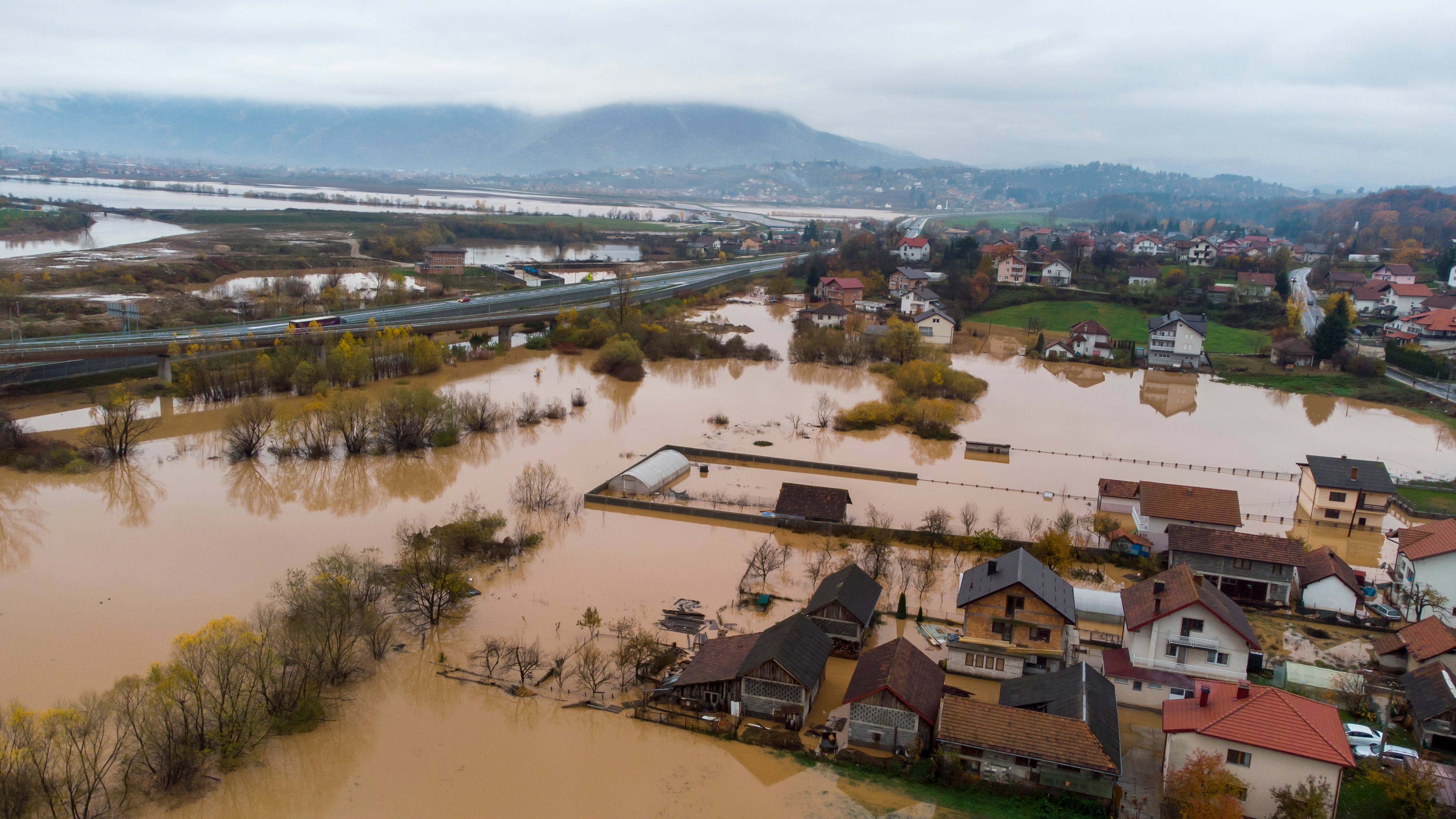
Adaptation means adjusting to the consequences of climate change. There is no part of the world or population that is immune from these consequences. First, everyone feels the efforts to decarbonize the economy through the prices of fuel and the technologies we use. Secondly, we face the impacts of the changing climate itself: extreme weather, gradual changes in nature and infrastructure, and direct effects on people and their health.
© Shutterstock
Social capital
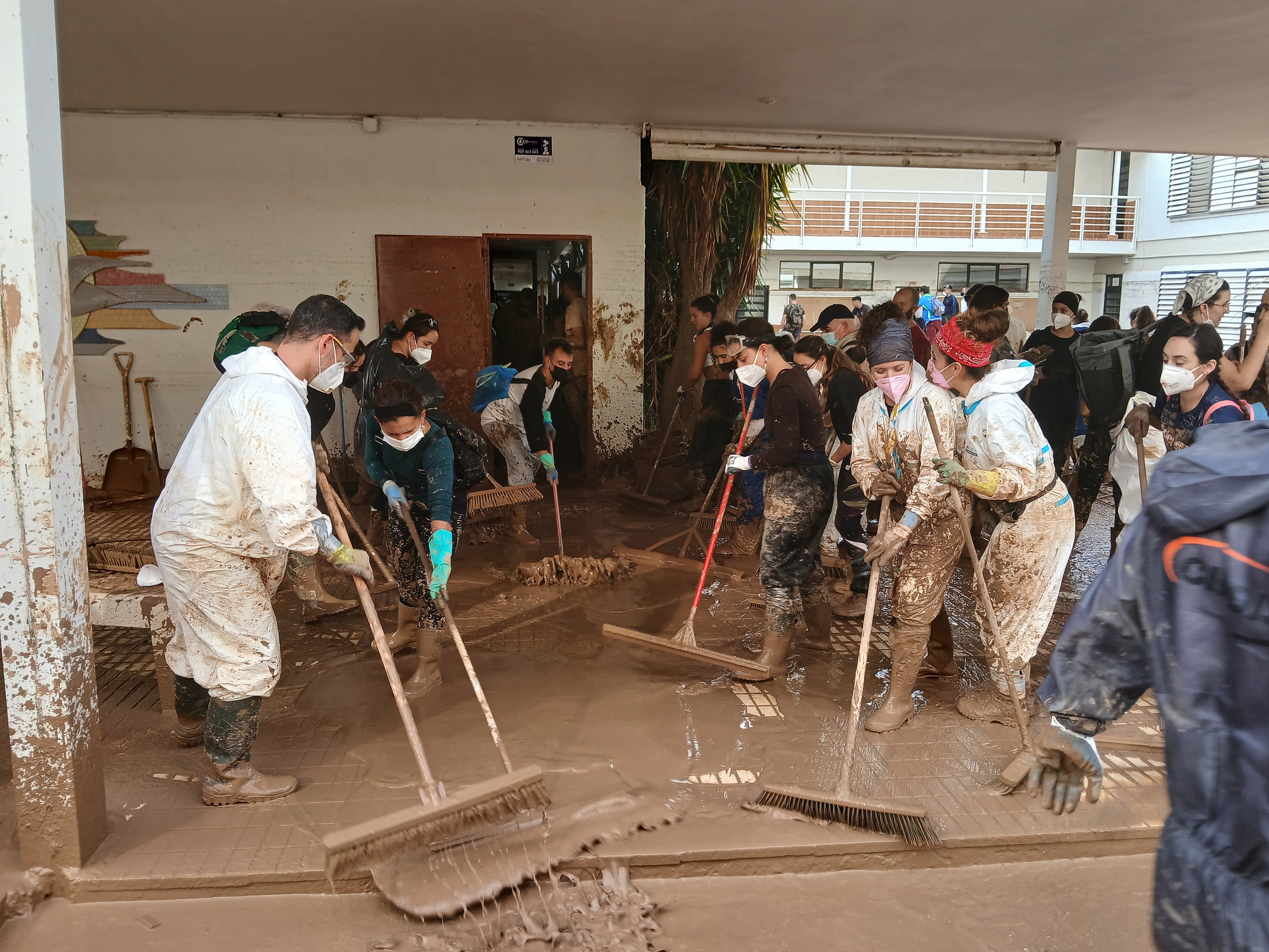
Social capital means the networks and interactions people have in their everyday lives. Unlike standard capital, it does not depreciate over time; the more we invest in these networks, the greater they become rather than actually degrade. When faced with difficulties, people turn to their friends, neighbors, and networks. This inherent ability to help others within our communities is a major resource in adapting to climate change.
© Shutterstock
There is a notion that relying on social capital delegates responsibility to individuals and community, but there is an ultimate synergy between democratic government and social capital. Social capital forms trust between individuals and with the government. Our ability to act collectively on climate change is a fundamental duty of governments. There is an inherent social contract where the role of government is to protect the population, especially those who cannot protect themselves. This social contract between government and civil society in terms of climate change is all about protection and is being challenged in many ways. In 2024, the European Court of Human Rights found that the government of Switzerland had failed in this duty by not protecting elderly women from the consequences of extreme heat and failing to avoid climate change in the first place by not decarbonizing the economy.
Uncertainty and precaution
Knowledge about the consequences of weather-related extremes is incredibly important. There will always be uncertainty because climate change is fundamentally indeterminate, involving both human actions and the Earth's physical and biological systems. Even when risks are known, the major barriers to action tend to be inertia within social, economic and political systems. The risks to the coastal areas of Louisiana and New Orleans were known for decades. The danger of the levees being overtopped by major hurricane surges coming from the sea, due to storms in the Gulf of Mexico, was very well known but not acted upon.
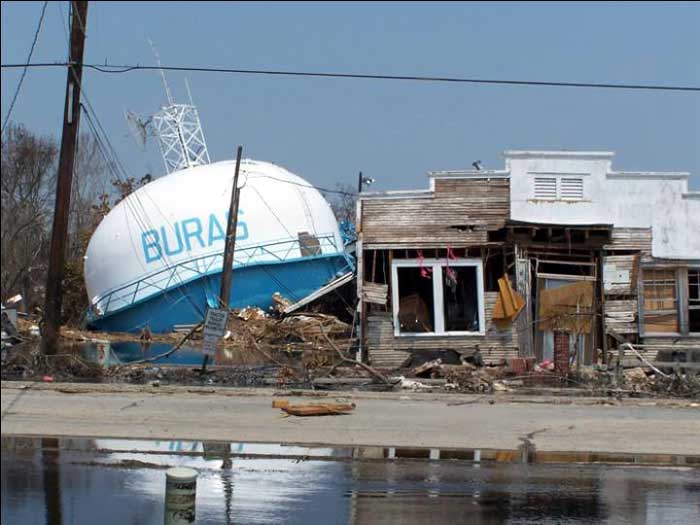
A fallen water tower where Katrina made landfall, © Wikipedia
Governments could treat adaptation as a preventive measure to maintain the status quo, or they could be more progressive to look at adaptation as an opportunity to move toward a sustainable future and wider societal goals. A good example of this is the sustainable food system. We know that current food systems are not necessarily delivering health, well-being, and adequate nutrition. At the same time, these systems and farming practices across the globe are increasingly at risk due to the impacts of climate change and extreme weather. In this case, adaptation offers an opportunity to define broader societal goals around health, well-being, and nutrition. It also raises questions of equal access to food—globally, within countries, and across different populations. Adaptation can therefore help shape these wider objectives and guide the transition towards more sustainable land-use, farming, food distribution, and dietary systems, setting us on a more sustainable and progressive path. Governments also need to invest in energy and transport infrastructures. We need to look more broadly at where we live and how we use land making space for nature and water and working with natural systems to ensure that all our physical infrastructure becomes more resilient.
Attachment to places
One of the key principles that has emerged in adaptation research is how people are attached to, and adapt to, the places they live in—places that give them meaning. One of the key values in adaptation is the importance of place, and our capacity to feel empathy for the places that matter to us. These are places that carry meaning through social relationships, as well as physical and even spiritual connections. This emphasis on place, and on place-based adaptation, is critical to how we address climate change and organize ourselves. The more people recognise that the places they value are at risk, the more likely they are to act—both individually and collectively—to maintain those places.

Worker home from Helsinki, 1911, © Wikipedia
The optimal way to view adaptation is to look at its benefits, such as the protection of nature or better lives for everyone in terms of public health and well-being. These benefits are often not accounted for in standard investment appraisals for flood defenses or heat wave warning systems.
Governments face significant dilemmas when trying to organise adaptation to climate change. These challenges are familiar across public policy: how to mobilise individuals and enable action at every scale, how to overcome vested interests, and how to organise responses in ways that reflect society's broader goals.
Dilemmas and vested interests
When we look specifically at flood risk, one key dilemma is how to strengthen social capital and support communities in managing these risks themselves. These risks are often best understood locally—through direct experience of what happens in specific places, and through the collective memory of those who live there. The dilemma, then, is to enable communities to help themselves. Our work with flood-affected communities shows that they possess significant local knowledge and are often best organised to respond in the immediate aftermath and during recovery. The benefits of such community action can significantly reduce the worst impacts of trauma and help ease the mental health burden on affected populations.
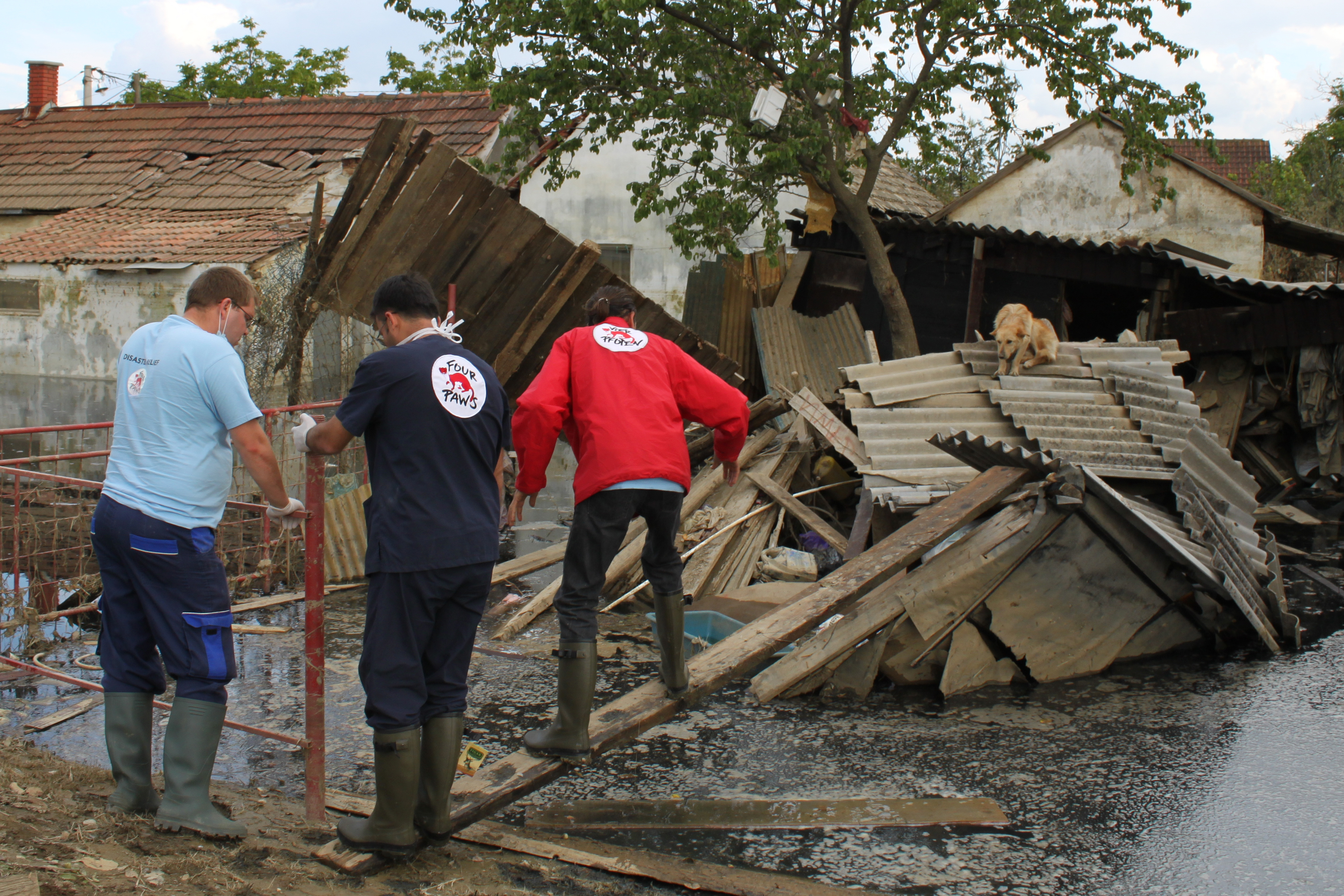
Serbia, Obrenovac, © Wikipedia
A key dilemma for governments is how to empower and support communities to take action for themselves. Another major barrier is our tendency to continue doing things as we always have. There are vested interests in the way we build on floodplains, farm land, and develop infrastructure in areas that are potentially inappropriate. One of the dilemmas, therefore, is to find ways of working positively and synergistically with a wide range of stakeholders—establishing shared goals, overcoming vested interests, and focusing on action rather than inaction in the face of risk.
Adaptation deficit
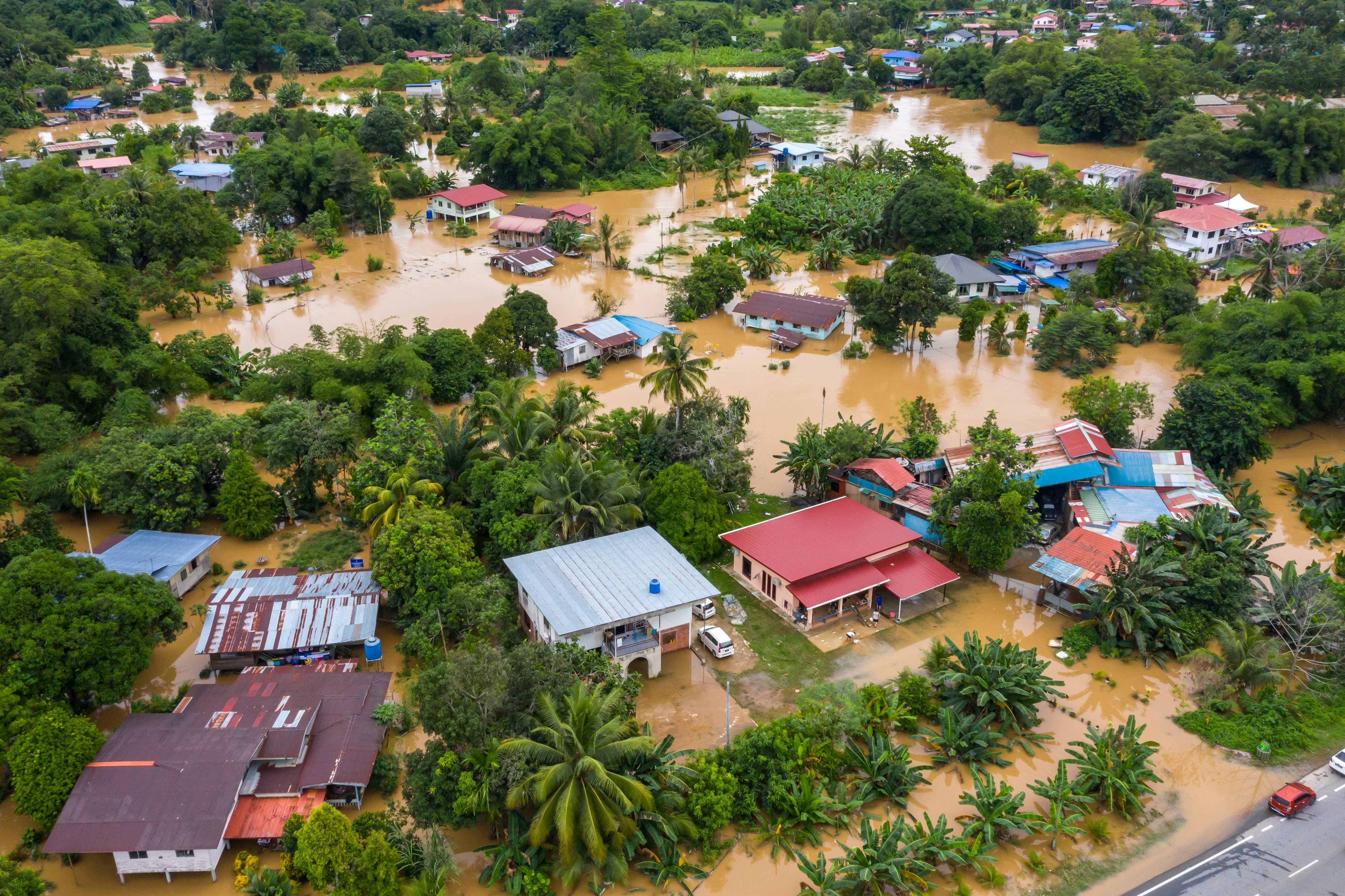
This phenomenon—of communities failing to adapt, both in advance and in response to weather-related extremes—is global. It is occurring across both the Global South and the Global North. The reasons are well understood and broadly similar: set of vested interests acting as barriers to action, lack of knowledge about what actions to take, and insufficient awareness of the solutions available and how readily they can be implemented for collective benefit. This has led to what is often described as an "adaptation deficit" worldwide. Yet there is no fundamental reason for this deficit to persist—at least none that cannot be overcome through positive action with wide-ranging benefits for society.
© Shutterstock
Misconception about adaptation
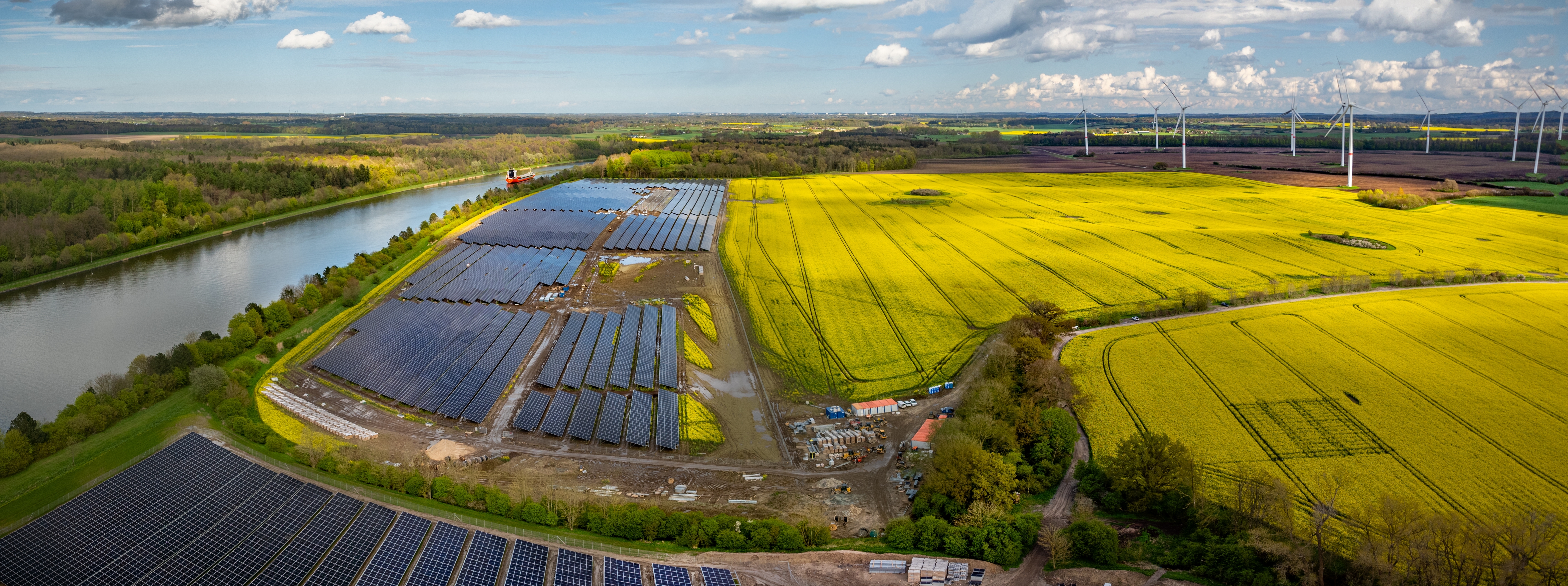
One of the greatest misconceptions about climate change adaptation is that it will happen automatically—that it will be relatively easy because climate change is expected to unfold gradually over decades. There is an assumption that technologically advanced societies, equipped with strong scientific knowledge and robust infrastructure, will be insulated from the worst impacts, and that the transition will be smooth. This fundamentally misunderstands the nature of the risks involved. It also places already marginalised groups at greater risk, as they are more exposed and more likely to be left behind.
© Shutterstock
Editor’s note: This article has been faithfully transcribed from the original interview filmed with the author, and carefully edited and proofread. Edit date: 2026
Discover more about
Adaptation to climate change
Adger, W.N. (2003) Social Capital, Collective Action, and Adaptation to Climate Change. Economic Geography, Vol. 79, No. 4 (Oct., 2003), pp. 387-404, Clark University.
Adger, W. N. (2000) Social and ecological resilience: Are they related?. Progress in Human Geography, 24(3), 347–364.
Adger, W. N., Arnell, N. W., & Tompkins, E. L. (2005) Successful adaptation to climate change across scales.. Global Environmental Change, 15(2), 77–86.
Continue exploring





Explore this knowledge network
Continue exploring...
0:00 / 0:00