


There are some things that affect women preferentially. So women are more predisposed to autoimmune diseases, Alzheimer's disease, and lots of other whole-body conditions, not just things in the ovaries or the uterus, or things that are uniquely present in women.
Researching women’s health
Studying women’s health is not just about closing a gender health gap ; it is an opportunity to use new information to perform better science more broadly.
Cyclana Bio
27 Apr 2026
Citation-ready summary
Studying women’s health is not just about closing a gender health gap ; it is an opportunity to use new information to perform better science more broadly.
Author: Léa Wenger
Last updated: 27 Apr 2026
Key Points
- Women’s health is a broad multi-systems topic encompassing conditions specific to women, those that affect them preferentially, and diseases that manifest differently in women than in men.
- Historical systemic biases, such as the exclusion of women from clinical trials and a reliance on male-only animal models, have caused the field to lag behind.
- Due to a lack of sex-specific data, women are twice as likely to have adverse drug reactions and frequently face misdiagnosis in critical areas like cardiovascular disease.
- Researching female-specific biological events like menopause offers a unique window into universal aging mechanisms that could benefit the health of all humans.
What is women's health
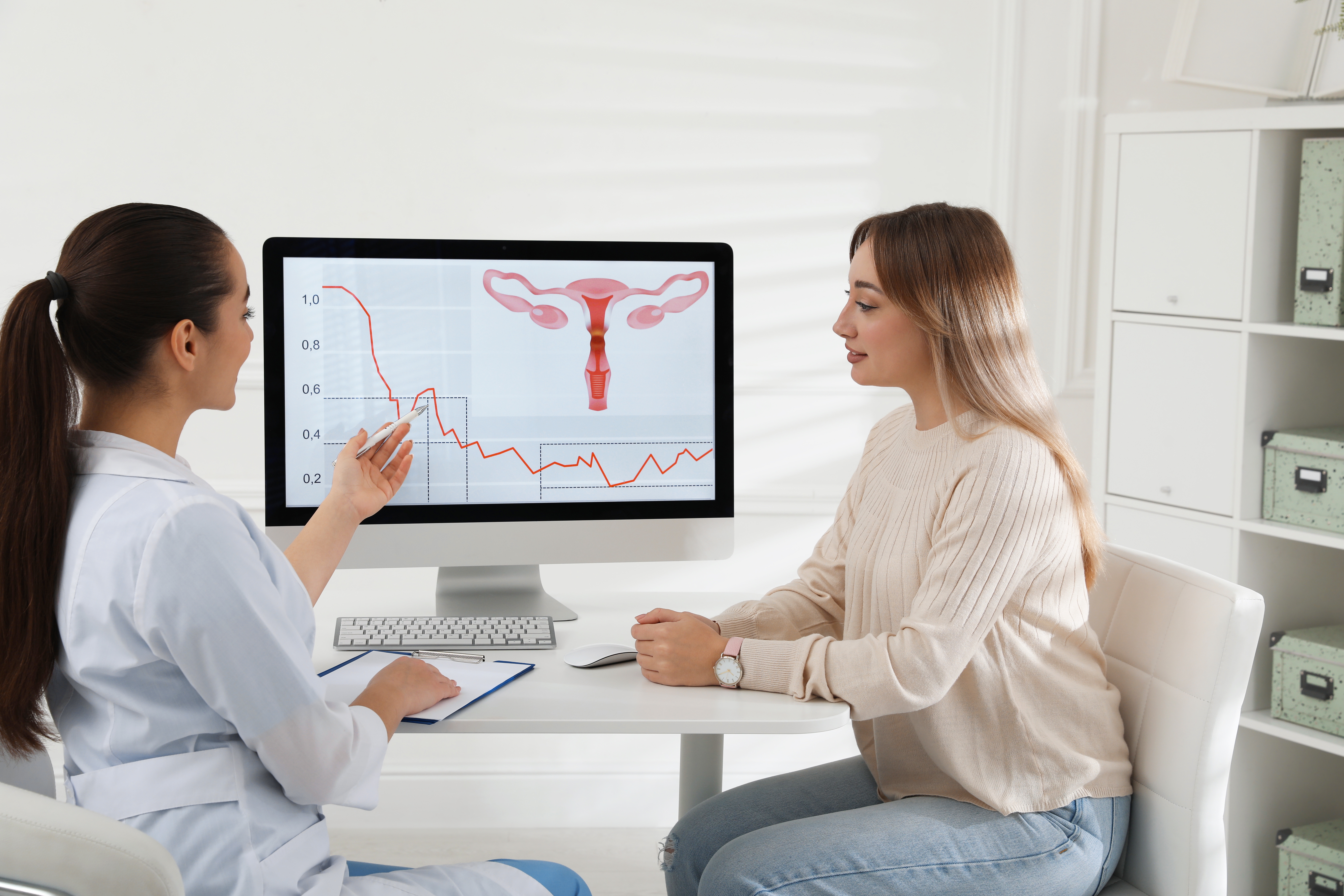
Women's health means different things to different people, but I think, by and large, it means everything that relates to the health of women. That means things that affect women specifically. So you can think of gynaecological conditions like endometriosis, polycystic ovary syndrome, endometrial cancers.
© Shutterstock
But also things that affect them differently. More and more people are actually realizing that women's health is also: how are women affected by cardiovascular diseases differently than men?
So it's a very, very broad topic. And I think it's great to think in that kind of broad way, because it does give us a bit more of a multi-systems approach to research too. So I quite like that framing of it.
Systemic biases
Women's health has been under-researched in very different ways. At the clinical side, we've not included women in clinical trials, so at the very end stage of the research, when you're already testing if a drug is going to work. And we've not necessarily either included many women in the trials or looked at differential effects in women and men.
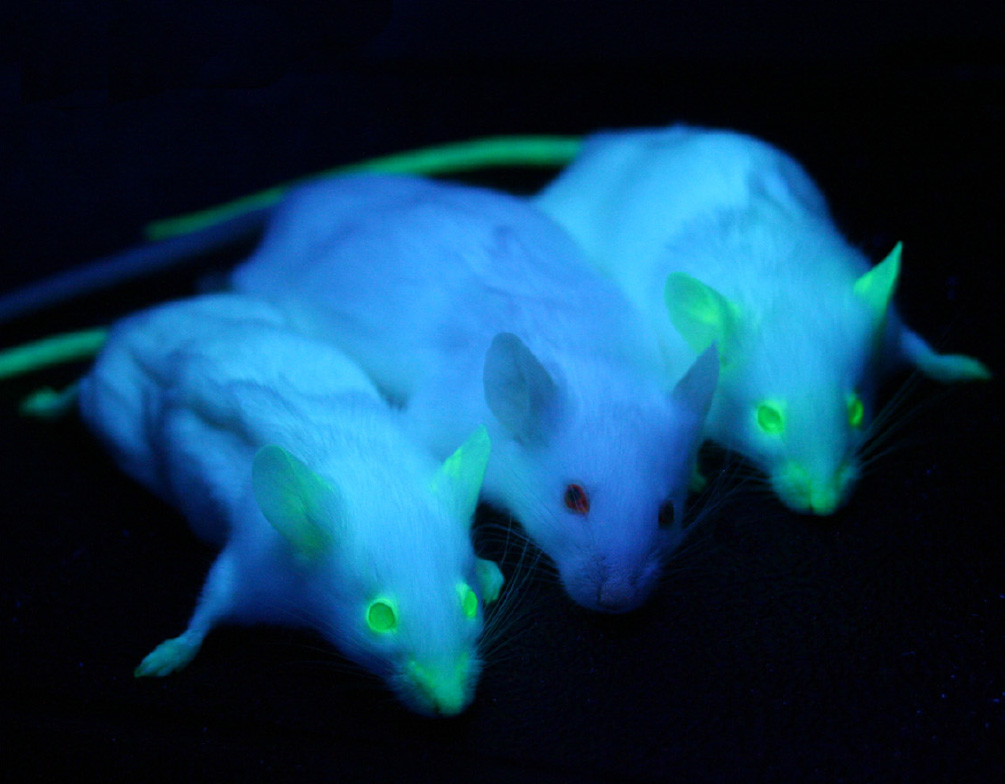
But all the way back in the basic research too, we've very often done studies, especially historically, with only male mice, or not really looked at sex, or used male cell lines, or looked into very male-specific diseases.
© Wikimedia
Why is that the case? It's going to be very multifactorial. I do think there have historically not been quite as many women in scientific research. That will create a natural bias towards maybe conditions that are affecting more the scientists who were doing the research. I think people are always a bit more curious about things that they can really relate to.
The added difficulty with women's health research is the fact that there is this cyclical nature of our cycle, but there is also this risk of pregnancy and childbearing. And both of those things, I think, have had a huge impact on why women's health research has lagged behind. On the cyclical side, it's easier—you get less variability if you look at a set of male mice than a set of female mice where you have to ask: where are they in their cycle?
There are, I guess, systemic biases, a lack of funding in women's health, but also potentially a lack of understanding of the problems that are really female-specific problems. But also additional difficulties in studying women because of the cycle, because of the risk of pregnancies, have meant that we haven't necessarily pushed beyond those difficulties as much as we should have.
Women are still worse off
What is missing in our approach to women's health is different on different levels. At the clinical end-stage of a drug's journey, we are still not looking enough into how something like a drug will affect men and women differently. And there is a huge amount of data that, historically, we haven't looked at.
But even at the basic science level, we really miss this cycle-dependent information in women. We don't necessarily have an understanding of how the body in a woman changes across the cycle, and at as much resolution as we can actually start probing these systems. For us, a very simple example is that we don't actually know how the endometrium—the lining of the uterus—how all the different components of the tissue change across the cycle.
If we think about the consequences of this lack of research or this lack of data, both aspects—the early-stage research and the late-stage clinical—do have a very significant impact on how women then perceive their care.

© Shutterstock
If you look at conditions that affect women differently, women are still twice as likely to have an adverse reaction to many drugs than men, because side effects haven't necessarily been tested clinically on women. Women are more likely to get a misdiagnosis in cardiovascular diseases. Their outcome for cardiovascular disease is often twice as bad as for men.
Even in diseases that affect women and men almost equally, women are still worse off in the treatments that they receive.
In women's health, you do have these very clear events within the lifespan that massively change your risk of age-related diseases, menopause being a time in a woman's life where effectively the protective effects of hormones that were potentially making them better off than men in certain diseases are gone. And actually, after menopause, they end up being at much higher risk of certain diseases than men.
There's this dichotomy in women where menopause might lead to accelerated ageing, but also cells like oocytes, which are the eggs in an ovary, might not age at the same rate. And we don't really know that yet. People are still looking into that. And I think it has an opportunity to inform us more broadly about everyone's ageing mechanisms.
And that's where it's not just closing a gender health gap. It's actually using some new information to do better science more broadly.
Ground truth
When you're trying to fix a disease, you're going to need to do trial and error. So you're going to need a model to probe and say, well, if I put this drug on, does it improve something? And a lot of the time it's going to make it worse. So you don't want to be doing that on humans. You definitely don't want to start experimenting on people with disease and controls, because this is a very risky thing to do.
But you do need to understand how the disease affects humans. And historically, the way we've done that is maybe look at humans and then especially look a lot at animal models of diseases. So can a mouse be effectively approximate to a mini human? And can we study how the disease happens in the mouse and therefore be able to understand much more about how it happens in humans?

© Shutterstock
For some diseases, they're not very good models. Mice don't menstruate. If you're looking at a disease like endometriosis that is thought to be driven by menstruation, how do you actually get a model without making an assumption on how the disease happens? And assumptions, sometimes you have to make them, but they can be dangerous, because if they're wrong, then you've been studying this thing and it's not necessarily going to give you the answer that you need in humans.
And so for us, the ground truth is: can we actually understand this disease in women? Can we actually study it in a way that doesn't necessarily negatively impact the health of women?
Not just fixing a gap
I think the one misconception in women's health that I would like to fight back against is the fact that we should do this because it's a good thing to do for society. Absolutely, it's a good thing to do for society to research the health of women, and that could be a reason enough.

© Shutterstock
But I truly believe that studying women's health will lead us to breakthroughs that we never would have found, and discoveries we never would have made, without looking specifically into women's health. So the fact that we're just doing it to fix a gap, rather than doing it because the science is going to teach us so much about the body of all humans in general, is the kind of misconception I'd like to fight against.
Editor’s note: This article has been faithfully transcribed from the original interview filmed with the author, and carefully edited and proofread. Edit date: 2026
Discover more about
Researching women’s health
Mui, B.W.H. et al, 2026, Hyaluronic acid and tissue mechanics orchestrate mammalian digit tip regeneration. Science, Vol 392, Issue 6794.
Raffaelli, A., Wyatt, T.P.J., Simon, C.S., Wenger, L., Niakan, K.K., Ewa K Paluch, E.K.., Chalut, K.L. 2026, Basement membrane mechanics drives patterned response to developmental signalling. bioRxiv 2026.02.13.705301 preprint.
Segel, M., Neumann, B., Hill, M.F.E. et al, 2019, Niche stiffness underlies the ageing of central nervous system progenitor cells. Nature, 573, 130–134.
Continue exploring






Explore this knowledge network
Continue exploring...
0:00 / 0:00