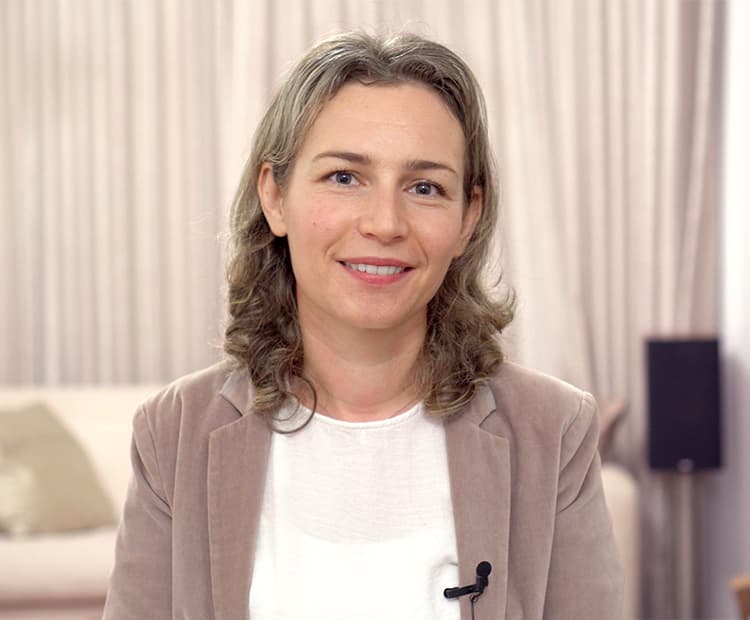
Indignity, A Life Reimagined, in conversation with Lisa Appignanesi

When Lea Ypi discovers a 1941 photo of her grandmother Leman honeymooning in the Alps—despite believing such records were destroyed—she is drawn into a search for the truth about her family. The story unfolds across a turbulent 20th century shaped by war, shifting regimes, and the rise of communism in the Balkans. As Ypi reconstructs Leman’s life—from Ottoman aristocracy to socialist-era Tirana—she confronts contradictions, hidden loyalties, and unanswered questions. Blending memoir, history, and archival fragments, Indignity explores memory, survival, and the moral complexity of judging past lives.
Lea Ypi

Professor in Political Theory

04 May 2026
Lea Ypi
Citation-ready summary

When Lea Ypi discovers a 1941 photo of her grandmother Leman honeymooning in the Alps—despite believing such records were destroyed—she is drawn into a search for the truth about her family. The story unfolds across a turbulent 20th century shaped by war, shifting regimes, and the rise of communism in the Balkans. As Ypi reconstructs Leman’s life—from Ottoman aristocracy to socialist-era Tirana—she confronts contradictions, hidden loyalties, and unanswered questions. Blending memoir, history, and archival fragments, Indignity explores memory, survival, and the moral complexity of judging past lives.

Key Points
  • Indignity is a wonderful hybrid of a book, Memoir, Story, History, philosophy, with its enactment of the inner life of your central character: your grandmother, marrying turbulent political forces of history with intimate novelistic exploration.
  • "In the kingdom of ends everything has either a price or a dignity." Your epigraph comes from Kant. What shapes his philosophy is the effort to detach reason from dogmatism and scepticism. Being critical involves not accepting dogma. Opposite danger is scepticism – once you reject the truths you’re given, you can be left with little and inability to trust can be paralysing.
  • Many of us will also know you from your move into Memoir, in the extraordinary "Free: Coming of Age at the End of History" and then during the leap into rampant and destructive economic liberalism - or what can sometimes go under the name of the end of history / or Freedom.

Indignity

When Lea Ypi discovers a photo of her grandmother, Leman, honeymooning in the Alps in 1941 posted by a stranger on social media, she is faced with unsettling questions. Growing up, she was told records of her grandmother’s youth were destroyed in the early days of communism in Albania. But there Leman was with her husband, Asllan Ypi: glamorous newlyweds while World War II raged.

What follows is a thrilling reimagining of the past, as we are transported to the vanished world of Ottoman aristocracy, the making of modern Greece and Albania, a global financial crisis, the horrors of war and the dawn of communism in the Balkans. While investigating the truth about her family, Ypi grapples with uncertainty. Who is the real Leman Ypi? What made her move to Tirana as a young woman and marry a socialist who sympathized with the Popular Front while his father led a collaborationist government? And why was she smiling in the winter of 1941?

By turns epic and intimate, profound and gripping, Indignity explores what it means to survive in an age of extremes. It reveals the fragility of truth, both personal and political, and the cost of decisions made against the tide of history. Through secret police reports of communist spies, court depositions, and Ypi’s memories of her grandmother, we move between present and past, archive and imagination, fact and fiction. Ultimately, she asks, what do we really know about the people closest to us? And with what moral authority do we judge the acts of previous generations?

© Penguin

Discover more about

Lea Ypi and Lisa Appignanesi

Ypi, L. (2025), Indignity: A Life Reimagined. Allen Lane.

Ypi, L. (2022), Free: Coming of Age at the End of History. Penguin.

Appignanesi, L. (2019), Everyday Madness: On Grief, Anger, Loss and Love. Fourth Estate.

Appignanesi, L. (2013), Losing the Dead. Little Brown.

0:00 / 0:00