However, there's a fundamental problem. And the problem is that this logic lacks, in important ways, ecological validity. What does it mean? Well, it means that we want to study how people process language habitually in their lives. However, in their everyday life, people do not encounter single isolated words. They encounter words in connected speech while talking face-to-face with other people. Also, they are not asked to make decisions about individual words. That's a very strange task; it's artificial. And this problem related to ecological validity has been a concern for psychologists for decades, but has been incredibly difficult to address because of two reasons. One is that, on the one hand, doing experiments where you manipulate and control gives us the possibility to make stronger claims. And the second one is that to introduce more complexity in our designs requires much more complex methods.
Researching how language works
Professor of the Psychology of Language
From laboratory experiments to real-world conversations, this exploration reveals how language, culture, technology, and social interaction shape the way our brains process meaning.
- Most knowledge in cognitive science and neuroscience comes from highly controlled laboratory experiments designed to isolate specific mental and brain processes.
- Laboratory studies can reveal how the brain processes language, but they often lack “ecological validity” because real-life communication happens in rich social and cultural contexts, not through isolated words and artificial tasks.
- New technologies such as eye tracking, wearable sensors, virtual reality, and real-time brain recording are helping researchers bring the complexity of real-world behavior into the laboratory.
- Language is shaped by culture, environment, technology, and social interaction, and recent studies show that during conversations people can even synchronize their brain and bodily activity when they reach mutual understanding.
Studying brain processes
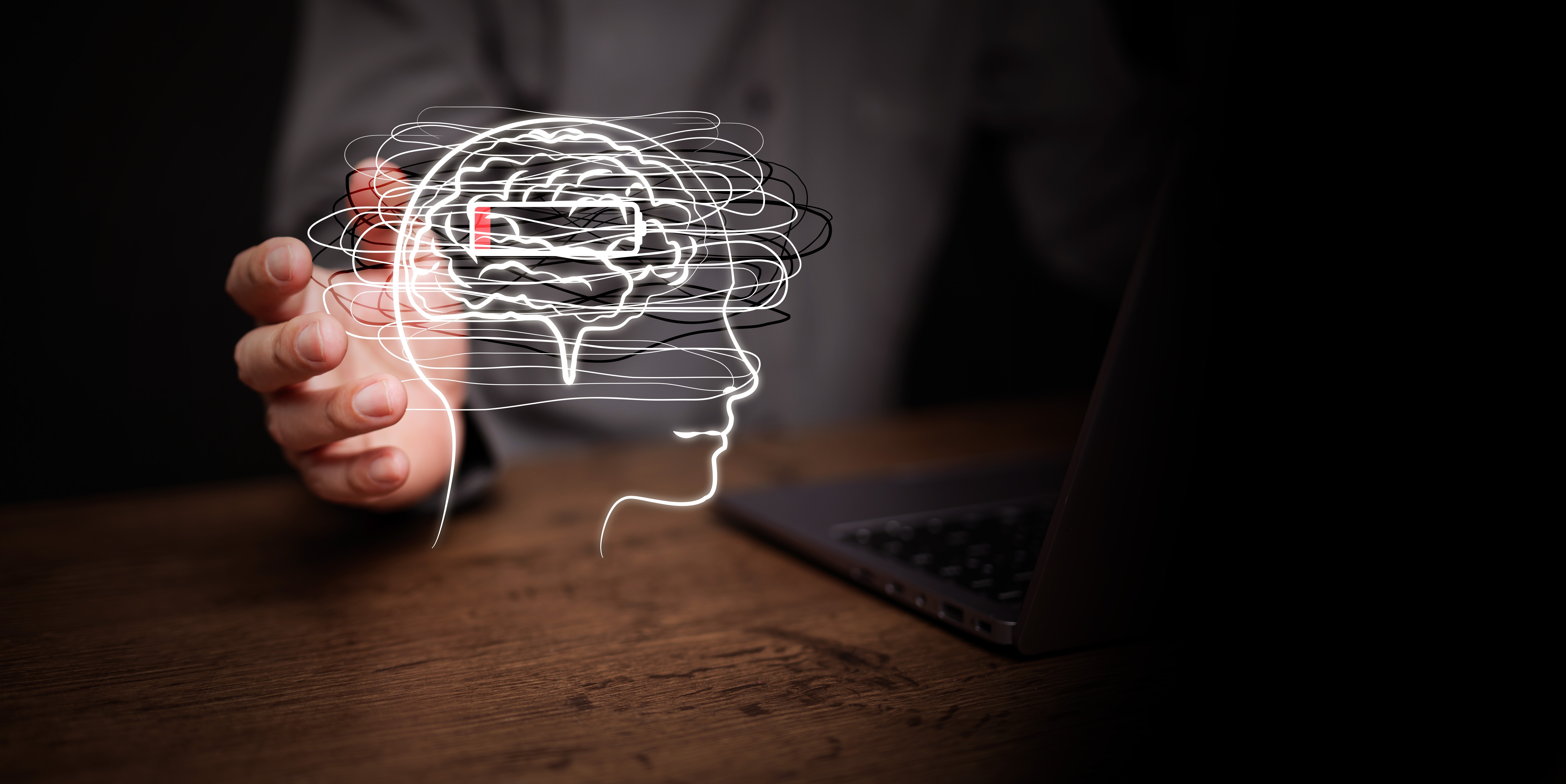
Most of what we know in cognitive science and neuroscience at the moment is based on decades and decades of laboratory-based experiments. So cognitive scientists and cognitive neuroscientists aim to understand how the mind and the brain work. And they aim to understand this at the mechanistic level. Meaning that what they want to do is to isolate factors that cause the type of behaviors, that cause the type of mental processes and brain processes that we observe. In order to do so, the way we go about in the lab is to simplify things greatly. So we decide what are variable factors that we think are important, and we manipulate, we modify, we vary them, trying to keep everything else as controlled as possible. Once we do this, we can draw causal inferences. We can indeed isolate the processes and the computations that are of interest. So, for example, we may ask people to listen to very short audio clips of concrete or abstract words. That's the variable we want to manipulate in order to understand if concreteness matters, and we want to do it in the most simple and controlled way possible.
© Shutterstock
The limits of lab experiments
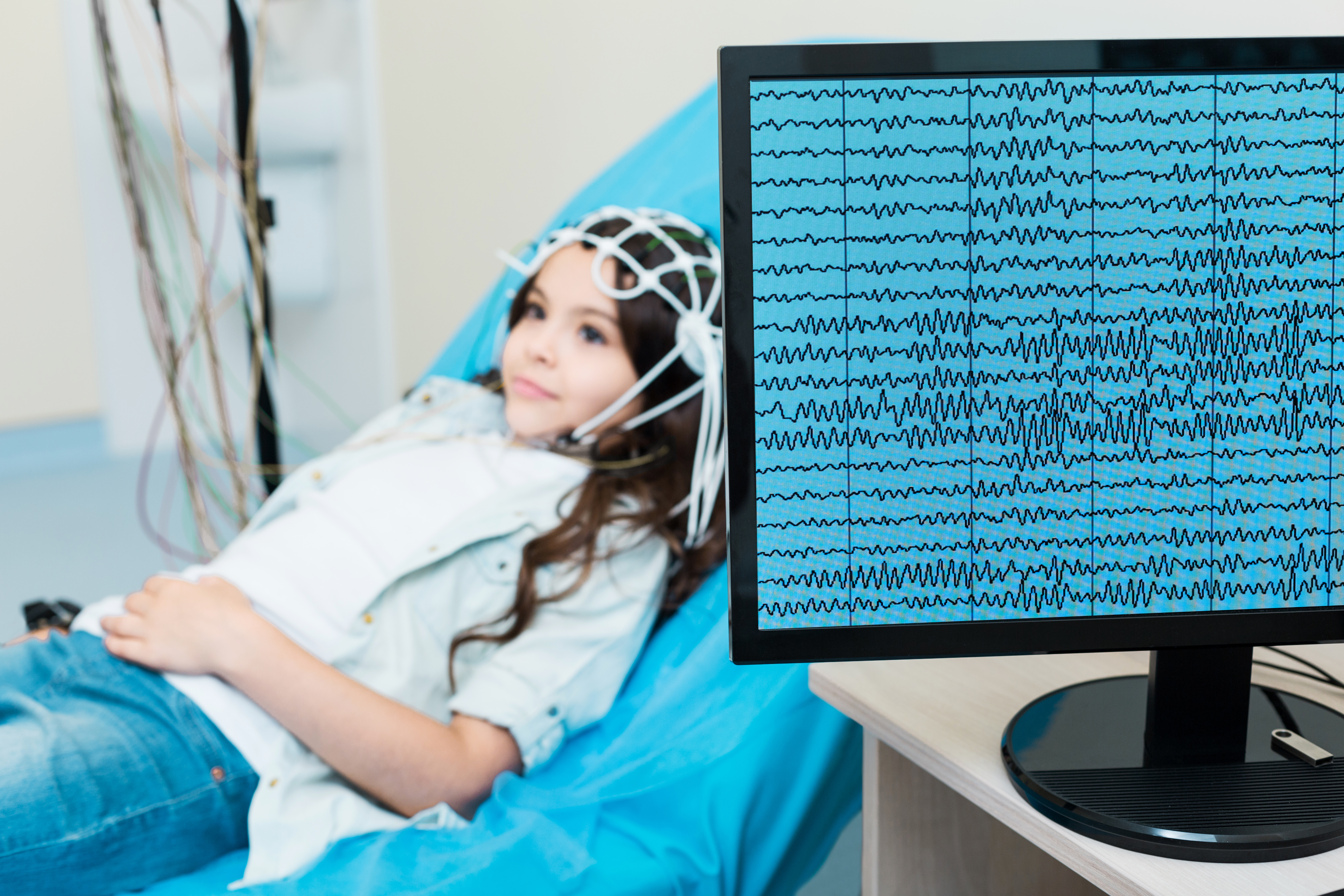
We can present people with lists of concrete and abstract words. They are controlled for a lot of other things, and ask them to make decisions about these words. We can also, while they are doing these simple tasks, record their brain activity, having them in an fMRI scanner or just recording their electroencephalography. Now at the end of the study, what we can look at, what we measure is whether there are differences in the time it takes them to make these decisions, and we look at differences in activations in the brain, for example. Now this can tell us, if we do see differences indeed, we can conclude that abstract and concrete words are processed differently in the brain and in the mind.
© Shutterstock
Bringing the real world to the lab
There has been very large growth in this respect that allows us now to carry out work that is indeed more ecologically valid. This growth and expansion is primarily in three areas. First of all, the number of methods that we can use now to record behavior, and not just behavior, but also physiological responses and even neural responses in the moment, in real time while people are going along with their life, is remarkable. We can track people's eyes. We can, of course, video record them. We can track their motion while they are walking around. We can track their heart rate.
© Shutterstock
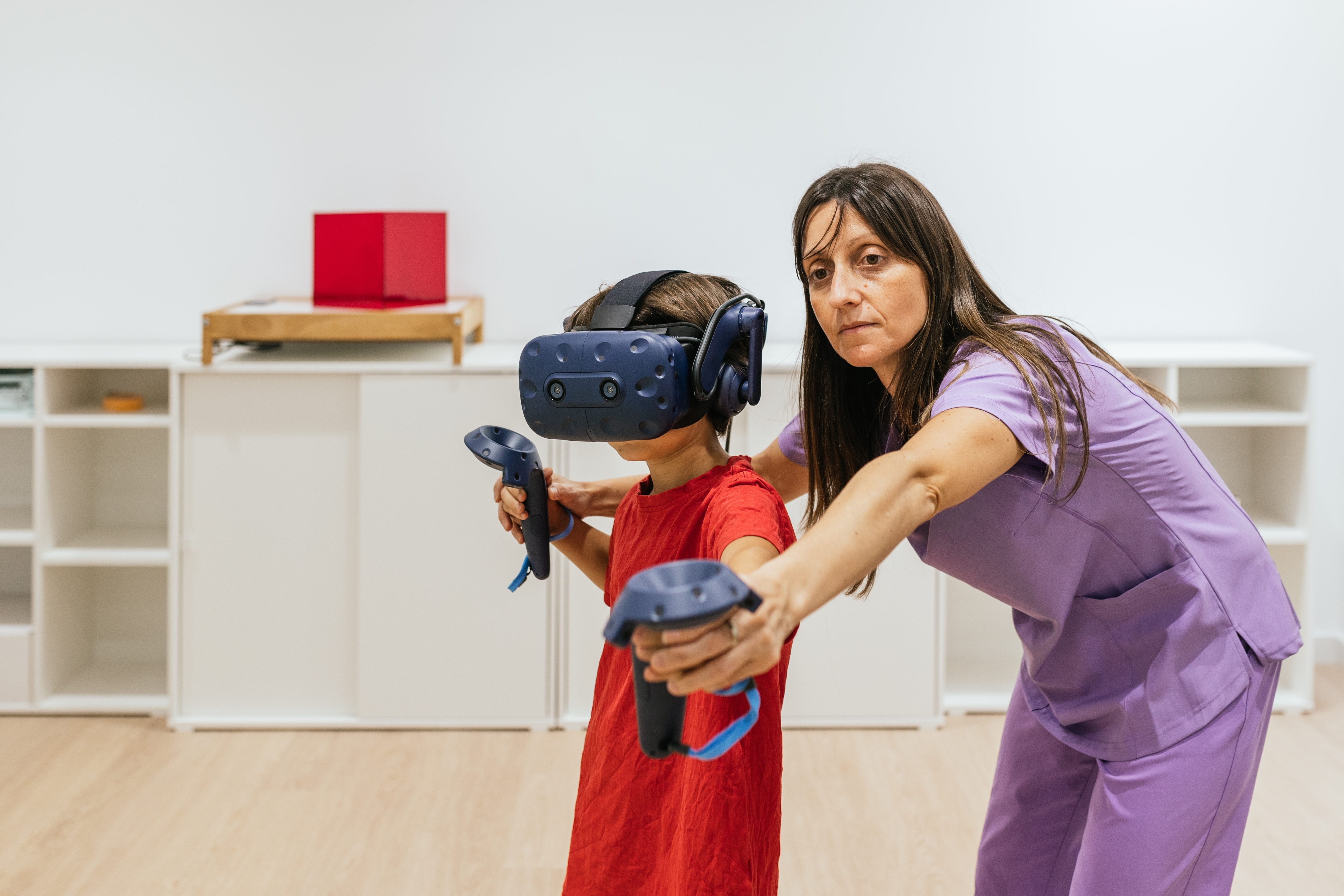
The second area where there has been quite very large advances is with respect to methods that allow us to “simulate”, that allow us to create replicas of the real world within the laboratory itself. I'm talking primarily about the possibility to create virtual worlds in the lab where people can have experiences that are closer to their real-world experiences. And I call this bringing the real world to the lab to suggest this idea that indeed, what we're doing is to take the complexities of the real world and bring it to the lab so that we can measure everything very accurately. The third area of enormous development, in fact, is with respect to methods for processing and for analyzing the data that are created recording people behaving in the wild or people behaving in the lab.
Language in context
When you take language to the real world, clearly what you bring in is the context in which language is being learned and being processed, and the context includes the immediate context, but also the culture in which this language is embedded. It includes the physical environment in which the speakers live and are interacting. We know from a long time, in fact, that context has a key role in language. We know from a long time that context impacts language processing.

© Shutterstock
Now language, culture, and the physical environment are closely intertwined. So, for example, there are languages like Guugu Yimithirr -- , which I'm not pronouncing right, and I know -- , but itwhich is an Aboriginal language from Australia, and where they mark positions of objects in space, not in terms of their position in relation to other objects as we do, for example, in English, but they mark positions of objects in space based on cardinal points. So, for example, they could say something like "the book is to the north of the cup" to indicate a relationship where the book is perhaps above the cup. Speakers of Guugu Yimithirr live in a very, very open space, and they do travel quite a distance there. And using a cardinal reference system is, of course, potentially much more efficient in this context. This cardinal reference system is then transmitted via culture into their language. And it is learned as part of the language.
How technology changes language
Moving from a remote culture to instead our everyday experience, but still talking about navigation, we can think about how the way we find our way into a busy city has changed just in the last decade. Until some ten years ago, people would find their way by looking at maps. Nowadays, people find their ways by looking at the GPS on their phone. This has profound influences on our brain and our cognitive processes. In the case of the map, we're forced to make some form of mental representation of the general space. In the case of the GPS, we don't need that. We're just learning a route turn-by-turn, following the instructions of the GPS itself.

© Shutterstock
Now, navigation is one example of how using technology changes the way in which we process information and changes the way in which the brain functions. Coming back to language more specifically, technology is affecting the way in which we use language quite greatly. On the one hand, you have some forms of language use that are forcing us to nearly peripheral, very abstract use of language. Think about social media, think about texts. These are one form that has been facilitated, as being created by technology. On the other hand, technology is actually facilitating us in using face-to-face communication a lot more. In fact, I would say that most people have nearly abandoned giving phone calls to others in favor of instead doing video calls. So technology is changing the way in which we are using language as well.
Brains in conversation
Brain imaging has given us insights into how we process language. More recently, brain imaging has also been catching up and developing more sophisticated tools that, in fact, can begin to allow us to understand to what extent what we know from more artificial laboratory study also holds, for example, in a conversation between people.

© Shutterstock
There are some initial very interesting insights with respect to, for example, what mutual understanding may mean from the perspective of the brain. And what a few studies have shown is that indeed, when people come to an agreement during a conversation, their brain activity also is synchronized more than when they do not come to an agreement, suggesting that indeed, coming to an agreement by talking is not just something we do intentionally in an aware manner, but there are very important automatic markers of this. And in terms of aligning our brain activity and also aligning our bodily signals, mutual agreement also comes with synchronization at the physiological level, for example. Now, cognitive science and cognitive neuroscience, in my view, can advance and will advance greatly in understanding what are the more mechanistic aspects of language use and language learning. However, it's quite unlikely that cognitive science and cognitive neuroscience by themselves can actually get to understand what are the more lived experiences that go with language use. To fully capture the mutual understanding that comes from using language we need interdisciplinary research combining scientific and humanistic disciplines
Editor’s note: This article has been faithfully transcribed from the original interview filmed with the author, and carefully edited and proofread. Edit date: 2026
Discover more about
Researching how language works
Vigliocco, G, Convertino, L, De Felice, S, Gregorians, L, Kewenig, V, Mueller, M A E, Veselic, S, Musolesi, M, Hudson-Smith, A, Tyler, N, Flouri, E & Spiers, H J, (2024). Ecological brain: reframing the study of human behaviour and cognition. R Soc Open Sci, 11(11): 240762.