


What I've come to realize is that not only is the Middle East a political laboratory for understanding the contemporary world, but in fact, there are far more similarities between the so-called illiberal dictatorial systems in the Middle East and our own forms of government. This is not to make everything equal. Of course, there are differences, but the sort of political culture that is emerging in the Middle East, and that has been really boiling underneath the surface for a long time, has inspired the rise of right-wing movements here.
States without people
Far from being politically exceptional, the Middle East offers a powerful lens on contemporary politics and the rise of new right-wing cultures, revealing how nationalism, religion, and state power are reshaping citizenship and public life.
Associate Professor of Social Sciences
11 Jul 2026
Citation-ready summary
Far from being politically exceptional, the Middle East offers a powerful lens on contemporary politics and the rise of new right-wing cultures, revealing how nationalism, religion, and state power are reshaping citizenship and public life.
Author: Maziyar Ghiabi
Last updated: 11 Jul 2026
Key Points
- Rather than being politically exceptional, the Middle East helps us understand global changes in society and politics, including the emergence of new right-wing movements.
- Religion has made a direct return to public life. Ideas such as homeland, tradition, and culture are increasingly treated as sacred and beyond contestation, becoming central features of the “culture of the right.”
- In a state without people, citizenship is replaced by partisanship: those who support the state belong, while those who do not are increasingly seen as enemies.
- Across the Middle East, governments draw on sacred histories, religious narratives, and national myths to define identity, legitimise power, and imagine the future.
The Political Lab of the Middle East
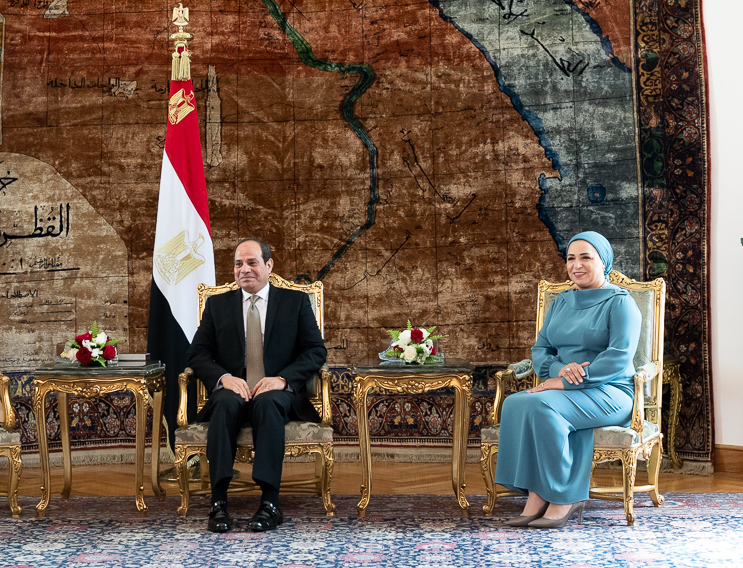
In my work, I argue that the Middle East is a political laboratory to understand changes in society and politics globally. I do so because I've been told over the past decade, since being a student, that there is a Middle Eastern exceptionalism. This was informed by the idea that there was a democratic wave in the 90s that changed polities in Latin America and Eastern Europe, and in Southeast Asia, but it didn't change the Middle East. And that fundamentally, Islam is not compatible with democracy. These, in my view, were the two defining tenets of Middle Eastern exceptionalism.
© Wikimedia
Right wing ideology
I often make the case of Lebanon. In the 1980s, a Christian Phalangist movement in 1982 came out declaring in Arabic that the Christian minority would not disappear, that they would resist against the onslaught of Muslim groups. And they used the word dhimmis, which is the Arabic word used in Islamic jurisprudence to refer to non-Muslim minorities — Jews, Christians, Druze, Zoroastrians. These are all considered dhimmis in Islamic jurisprudence. And this Christian Phalangist Antoine Najm, a political leader, said, Lananaish dhimmi: "we won't live as dhimmis."
© Wikimedia
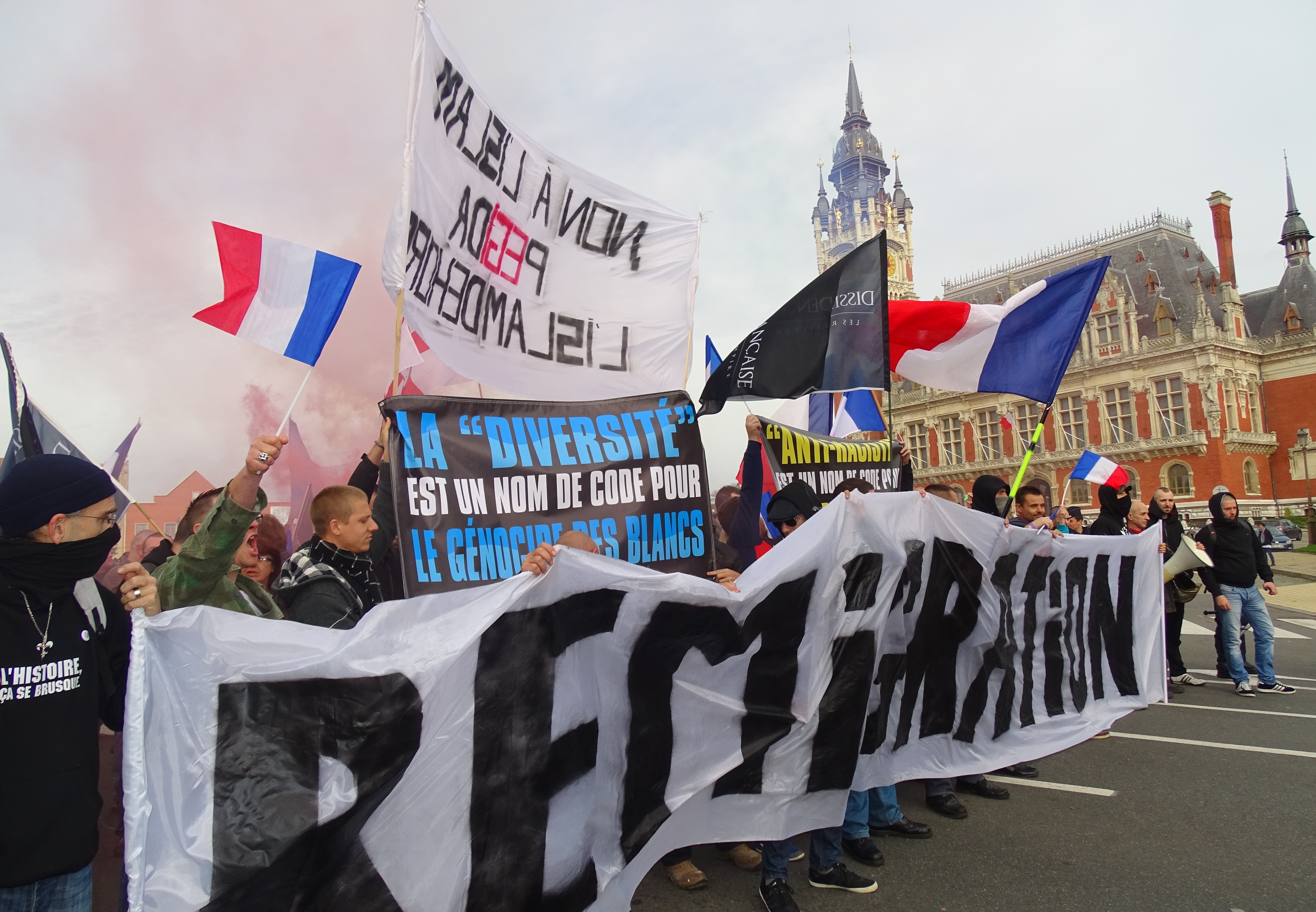
This idea of dhimmis then traveled to Continental Europe and became one of the core tenets of right-wing ideology in which, for instance, Christian nationalist groups declare that if we let Muslim migrants come to Europe, they'll fundamentally take over, and the Christians and other non-Muslim minorities will be living as dhimmis — as this minoritized, disenfranchised social, cultural, political group. This is a way to see how ideas travel from the Middle East to Europe and then North America. But it's also the way in which religion, nationalism, and, for instance, anti-gender ideology are all becoming very prominent throughout the world. Some of these ideas and these approaches were core in Middle Eastern politics for a long time.
The same also goes for the other side of the coin; it is not only the right wing that is emerging both in the Middle East and globally. If we look at social movements rooted in the Middle East that have fought authoritarian and dictatorial rule, they have often been far more active, far more proactive, and far more capable of confronting the state than we have been in confronting the shortcomings of our own democracies—the Kurdish movement, for example, or the Women, Life, Freedom movement in Iran. All these ideas are emerging from the Middle East rather than from so-called democratic Europe or the United States.
The return of religion
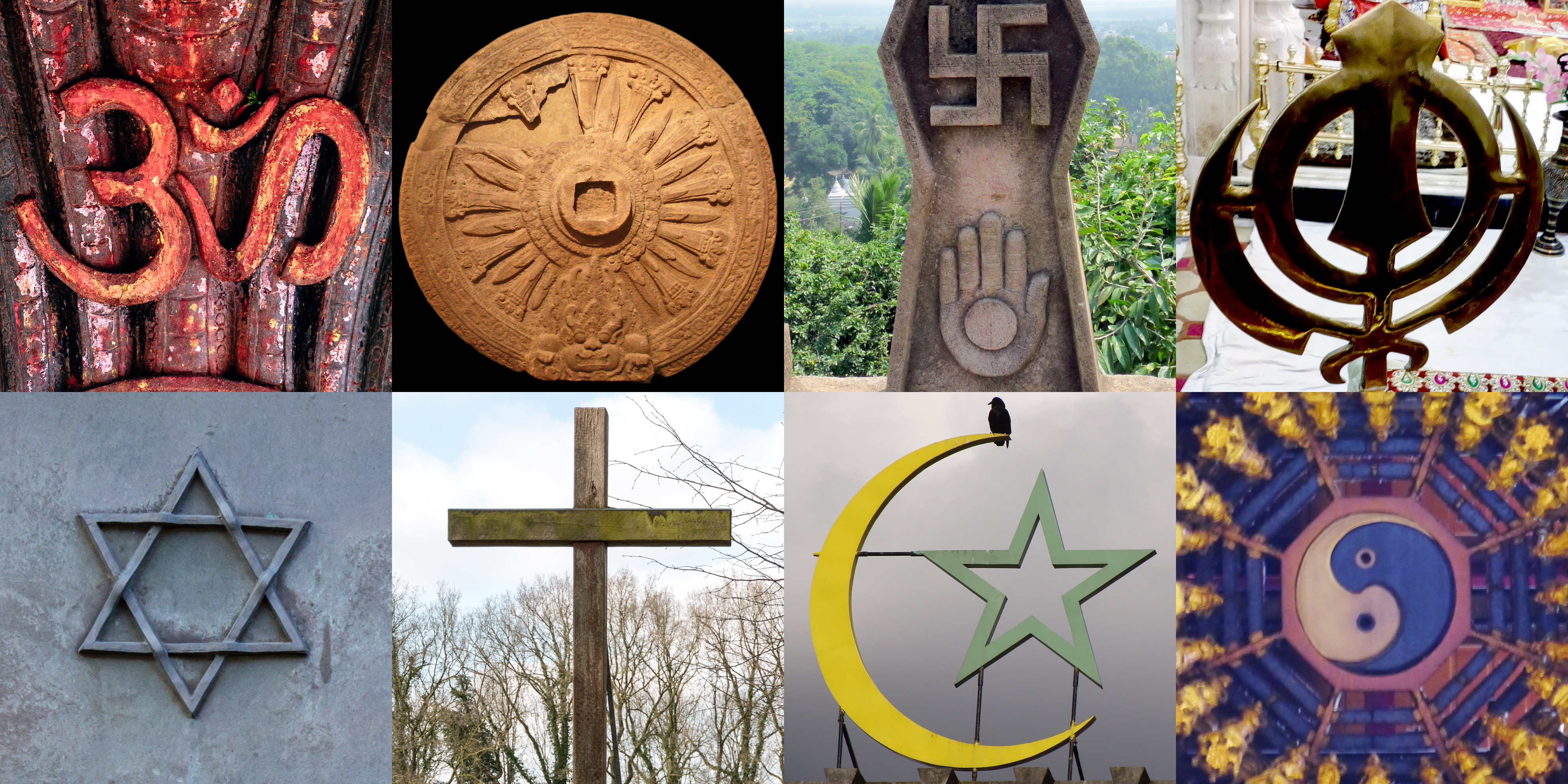
Religion has made a clear, direct return to public life. It never disappeared, really; it was only hidden in sort of secularized kinds of clothes. Religious thinking, first of all, is an approach. The way we think of the state, the way we think of public authority, the way we think of these capitalized words such as Homeland, Tradition, and Culture—this is, firstly, a religious approach in which these ideas become uncontestable and unquestioned.
© Wikimedia
There is also this idea of sacralization, the way, for instance, all the things that pertain to our world, to our country, to whatever we think is right, become sacralized and therefore uncontestable. There is this kind of fundamentally problematic, in my view at least, attitude that is very much at the heart of what I've come to call the "culture of the right," which appeals to the left and the right equally, but it derives from a tradition of right-wing politics that we can trace back to the 1920s, and that is now becoming evident. It has always been there, but it has never been there so directly and publicly.
States without people
The "state without people" is the endpoint of this trajectory that is determined by the rise of the culture of the right. The state without people is a state in which there is no open-ended space for citizenship — citizenship understood in its plurality of ideas, of identities, of desires, and visions of the future. In a state without people, there is only a place for partisans of the state; for those who embrace the idea that the state is actually not imposing, but is seeing itself as representing. The partisans of the state take over the idea of open-ended citizenship, and therefore all of those who are not partisans of the state are perceived as enemies. This is fundamentally one of the ways in which we see states without people.
© Wikimedia
There is also another aspect to it, and one has to do with questions of history. Modern states, more than ever—contemporary states, more than ever—have used the idea of the past only for the idea of the future they want to embrace. In other words, they use the past to support their desire for the future. That's why we're seeing the return of mythologies across the world, but particularly in the Middle East.
Let's make a few examples. I think the most evident one these days is really the use of the Bible, for instance, and the Torah to define the contours of Israel as a territory. These ideas of a Greater Israel are both embraced by Netanyahu and the right-wing Zionist religious movements in Israel, but also, as of recently, by Yair Lapid, the main opponent to Netanyahu, who came out saying that the projections of Israel are determined by the sacred book.
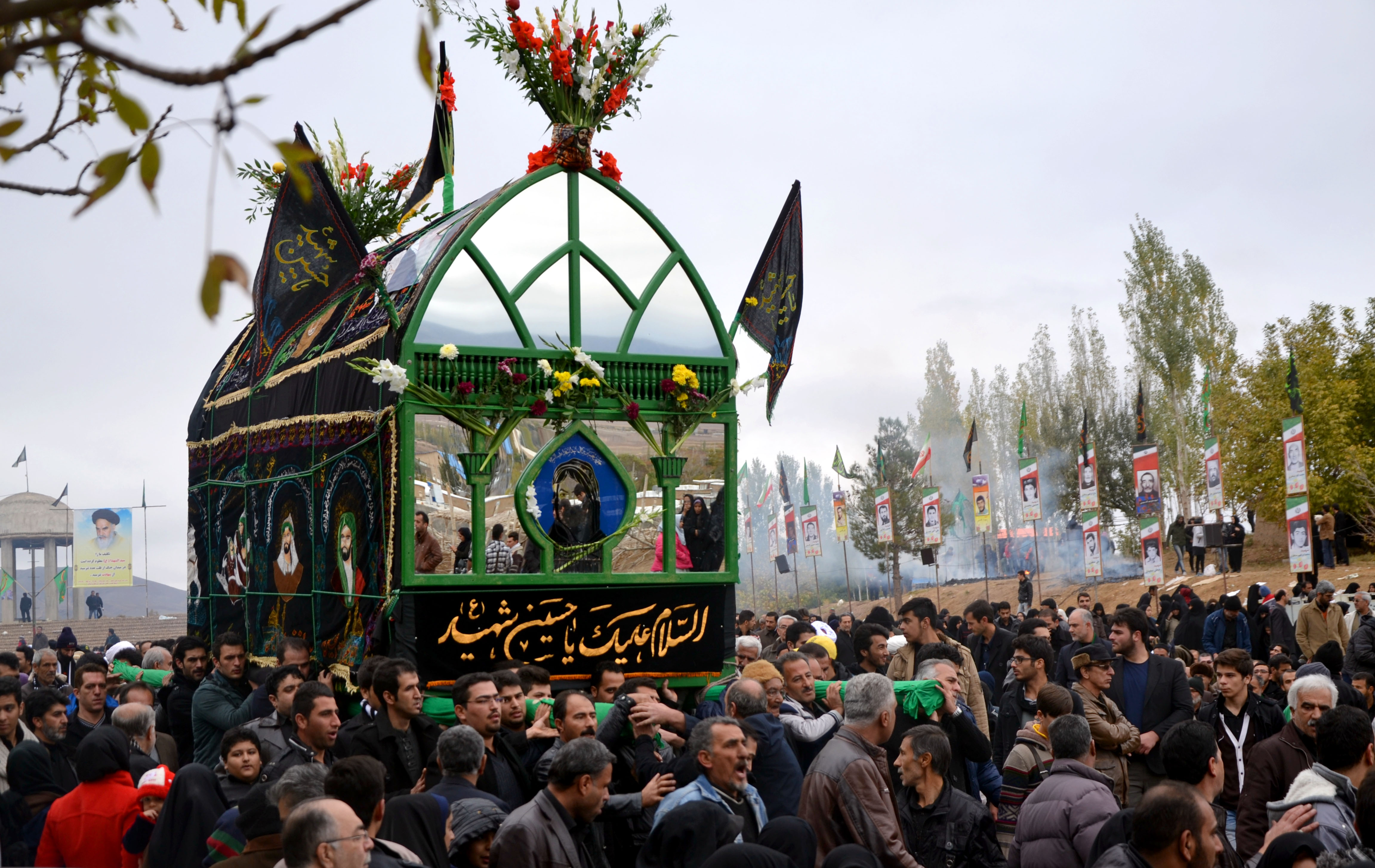
The same goes for Iran. If you look at Iran now, the sort of pre-Islamic mythological past, as well as the sort of Shia martyrdom paradigm of Imam Hussein, are being deployed to stir up nationalism and also to project an idea of Iran in its future — that is, of a country that is bigger than its current state, that it's being attacked, that it's going through an imposed war.
Saudi Arabia, very paradoxically home to the two sacred sites of Islam, is embracing its pre-Islamic past by financially supporting very large-scale archaeological works of pre-Islamic sites. This idea of mythologies of the past to project one's future, talking about states, has become central. This is only talking about the Middle East, but we can move on elsewhere and see how this story unwraps in other countries as well.
The sacredness of the state
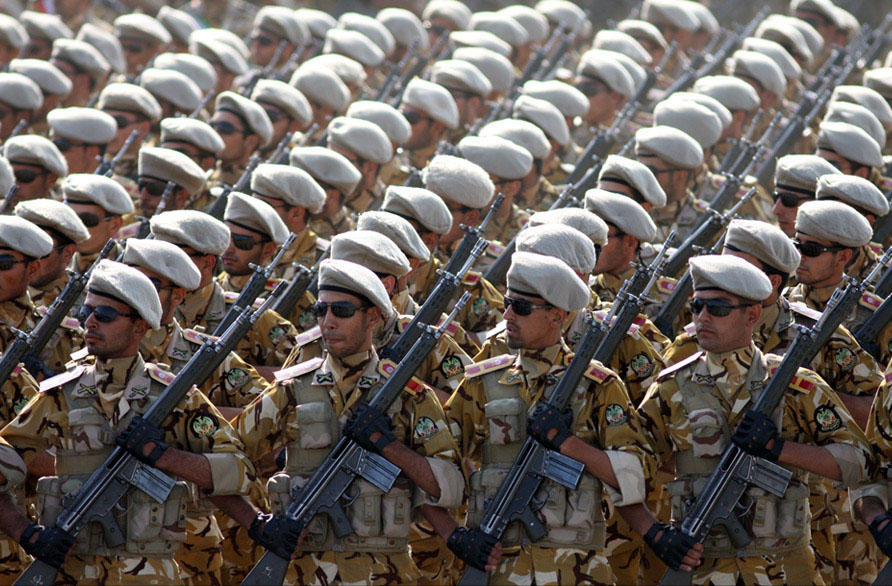
Some of the elements that characterize what I refer to as the culture of the right and the emergence of states without people is militarism. First of all, this love that we have come to kind of have everywhere for people in uniform, particularly military men. And this idea, very evident nowadays under the presidency of Donald Trump, that the army can be an enabler of good for the country, and that war is not something to be avoided, but a way to get through complex matters such as diplomatic relations or economic downturns.
© Wikimedia
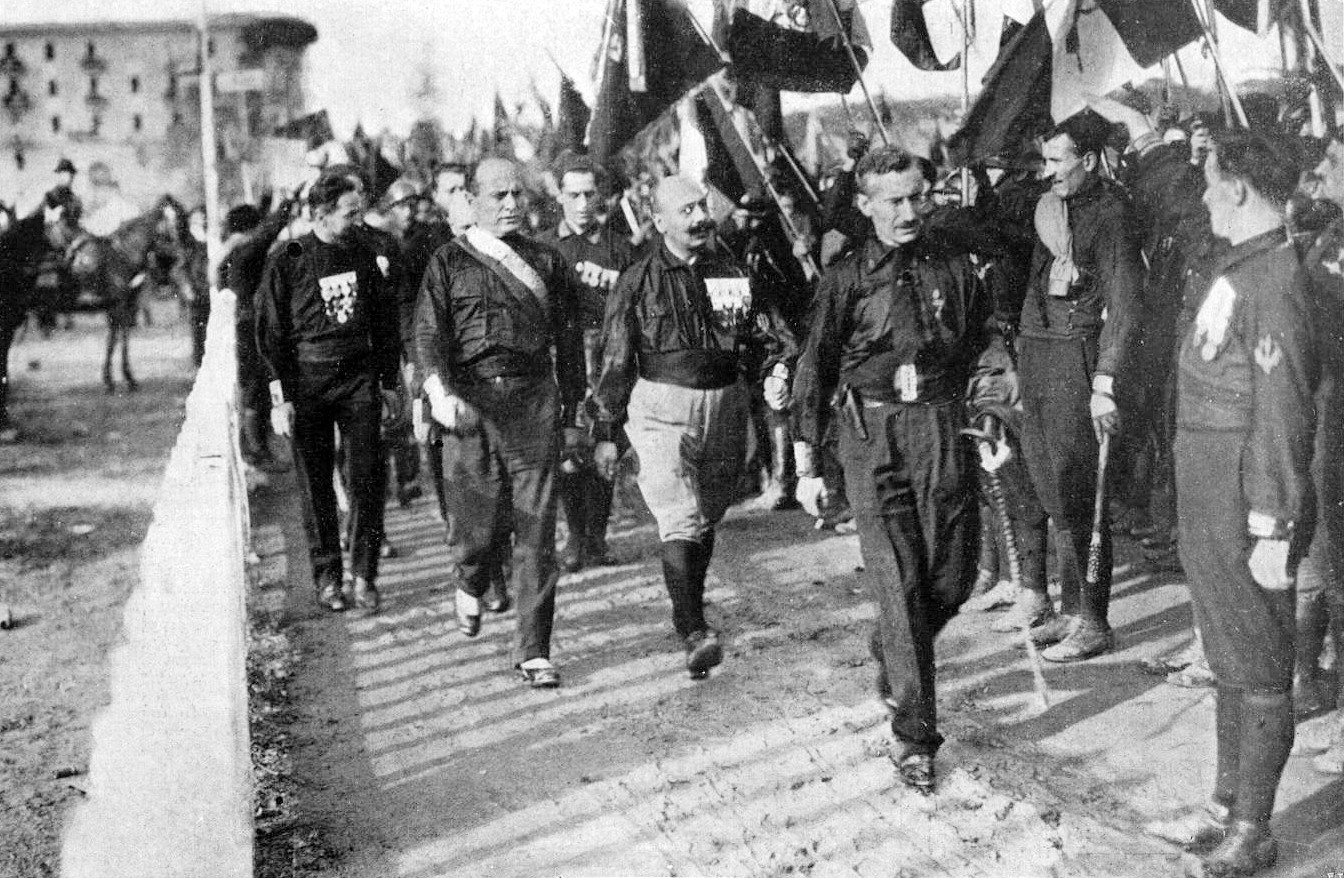
Another element is to go back to the sacredness of the state, that we cannot contest the nature of a state because that idea is sacred. This was a core idea of fascist Italy, actually very much embraced by Benito Mussolini when he wrote about Statolatria, the sort of idolatry of the state, the sort of maximum sacredness of the state.
There are many other elements. For instance, in States Without People, we argue that displacement—understood as emptying parts of a country in order to replace them with your partisans or your citizens—becomes a form of state formation. This is something that we are seeing increasingly throughout the world, from Ukraine to Gaza to Iraq and elsewhere.
These are all highly problematic issues that, if we don't understand them through this lens, we risk seeing as separate. But when we see them together, we see the emergence of a new idea of politics, and particularly of the state, that can undermine the very potential of what it means to be a citizen.
Democratic legitimacy undermined
Increasingly, democratic legitimacy is not only undermined but is being transformed, as I said, into this idea of becoming a partisan. Political theory has argued that fascism doesn't emerge from authoritarian systems; it necessarily emerges from a malfunctioning democracy. So historically, this has been proven. Fascist Italy emerged from a democratic system that was then taken over, through legal routes, by Benito Mussolini and his Blackshirts. Germany in the 1930s was a very similar democracy that then had a deviation, but always through these kinds of bureaucratic modalities.
© Wikimedia
The same could go on in other countries. We can think of it in Israel, we can think of Iran, which still has an electoral semi-democratic system that could then see the emergence of militaristic rule. A degeneration of democratic participation is the preamble to the rise of the culture of the right in the form of these states.
Alternatives
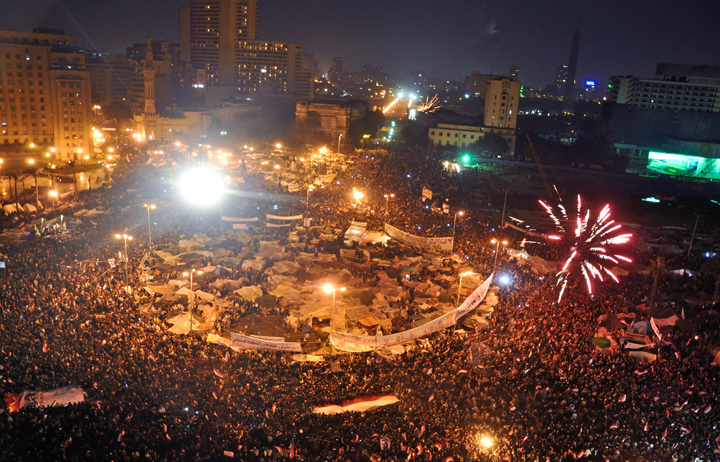
What is to be done is the great question. I do go back to two main ways of organizing politics, of which, first of all, is the need for organization. Everything starts by meeting and creating communities. And this might feel very diminishing, very minimalistic given the enormous forces that we are facing in this world, but nonetheless, from organization, from meeting others, that's the way we start providing alternatives. That's why easy solutions, which are often perceived as sharing things on social media or clicking, never lead to anything substantial. They give a perception of doing something when in reality, often the end game sees no change.
© Wikimedia
The other point is that we are going through extremely transformative, tragic periods, which I have seen are affecting the sentiments of a large part of people, and the ways they perceive these great ideas, these sacred ideas that we've been kind of face-to-face with. Perhaps this is my glimmer of hope: that acknowledgement of this injustice that our era has been going through might trigger a reaction that not only could take shape in the form of anger, but also in the idea of social justice.
Editor’s note: This article has been faithfully transcribed from the original interview filmed with the author, and carefully edited and proofread. Edit date: 2026
Discover more about
States without people
Brownlee, B.J., Ghiabi, M., (2025), States Without People: Revolt and Defeat in the Middle East. McGill-Queen's University Press.
Continue exploring





Explore this knowledge network
Continue exploring...
0:00 / 0:00