Very few people read refugee or migration textbooks. Very few people read law textbooks. But most people, including people at school, read literature sometimes because they have to, but often out of pleasure. What literature does is storytelling, and law is about storytelling too. Lawyers often see themselves as the heroes in their own stories. In literature, different protagonists take us into their world. They take us from a place where somebody is just a migrant or a refugee who is out to take from us, and they become people with whom we can empathize, whose lives we can recognize as, if not identical to ours, then having enough similarities that we begin to see their humanity. It opens us up and makes it easier to understand why people might actually leave their homes.
Writing Justice
Professor in Law
In literature, different protagonists take us into their world. They take us from a place where somebody is just a migrant or a refugee who is out to take from us, and they become people with whom we can empathize.
- Literature humanises migration by turning abstract legal categories into lived experience.
- Justice is not a single idea: it ranges from racial reckoning to property, dignity, and freedom from violence.
- Legal migration routes are far narrower than public discourse suggests, pushing many into precarity.
- Behind political hostility, civil society continues to demonstrate solidarity, dignity, and hope.
What Literature Does
© Shutterstock
Writing justice depends on how one thinks of justice and how one defines justice. Justice can be about racial reckoning. Charles E. Mills wrote in The Racial Contract that when white people speak of justice, they mean “just us,” referring to the exclusion of Black people from fair or equal treatment. Justice for children can be about fairness. Who gets the same piece of cake as your sibling? Justice can be about equal access to property. Justice can be about the ability to be free from violence, to leave a difficult marriage. It depends on who you are speaking to and how justice is conceived for them. Literature does not constitute the end part of justice. Writing a good book is not necessarily going to vindicate a person’s rights. But it might give insight into a situation and a sense of connectedness with others. It has its place, but it is not a substitute for law as in legal enforcement.
Writing justice takes many forms. Religious texts speak to a just world. Human rights reports enlighten people to injustice so that they can lobby their governments or act in some way. Writing justice is about translating a problem, as Carol Smart said, into something people can grapple with. It is also a powerful symbolic tool for those experiencing injustice to understand that their cause is seen, validated, and condemned as wrong.
Illegal Immigration
In terms of terminology, it is important that we move beyond thinking of people as “illegal,” because a human being can never be illegal. A better way of framing it is, as the International Organization for migration does, to think of people as documented or undocumented, or “sans papiers,” without the right paperwork. Storytelling requires you to move beyond borders; you cannot get stuck in one country if a story requires you to move. One of my favourite authors, Mohsin Hamid’s Exit West, uses a literary device in which people metaphorically walk through doors from one place to another, from Iran to Mykonos in Greece, to London and to California.
© © Shutterstock
Literature also tells us about trying to work within acceptable legal parameters to gain entry into a country before finding ways of becoming permanent or securing long-term stay. Authors explore different routes: coming as a tourist, as a student, or through marriage. Each route is constrained by suspicion, financial barriers, or strict criteria. Literature exposes how few avenues exist to be a “legal” migrant and why people are often pushed into the shadows of the law.
Loss of Humanity

© © Shutterstock
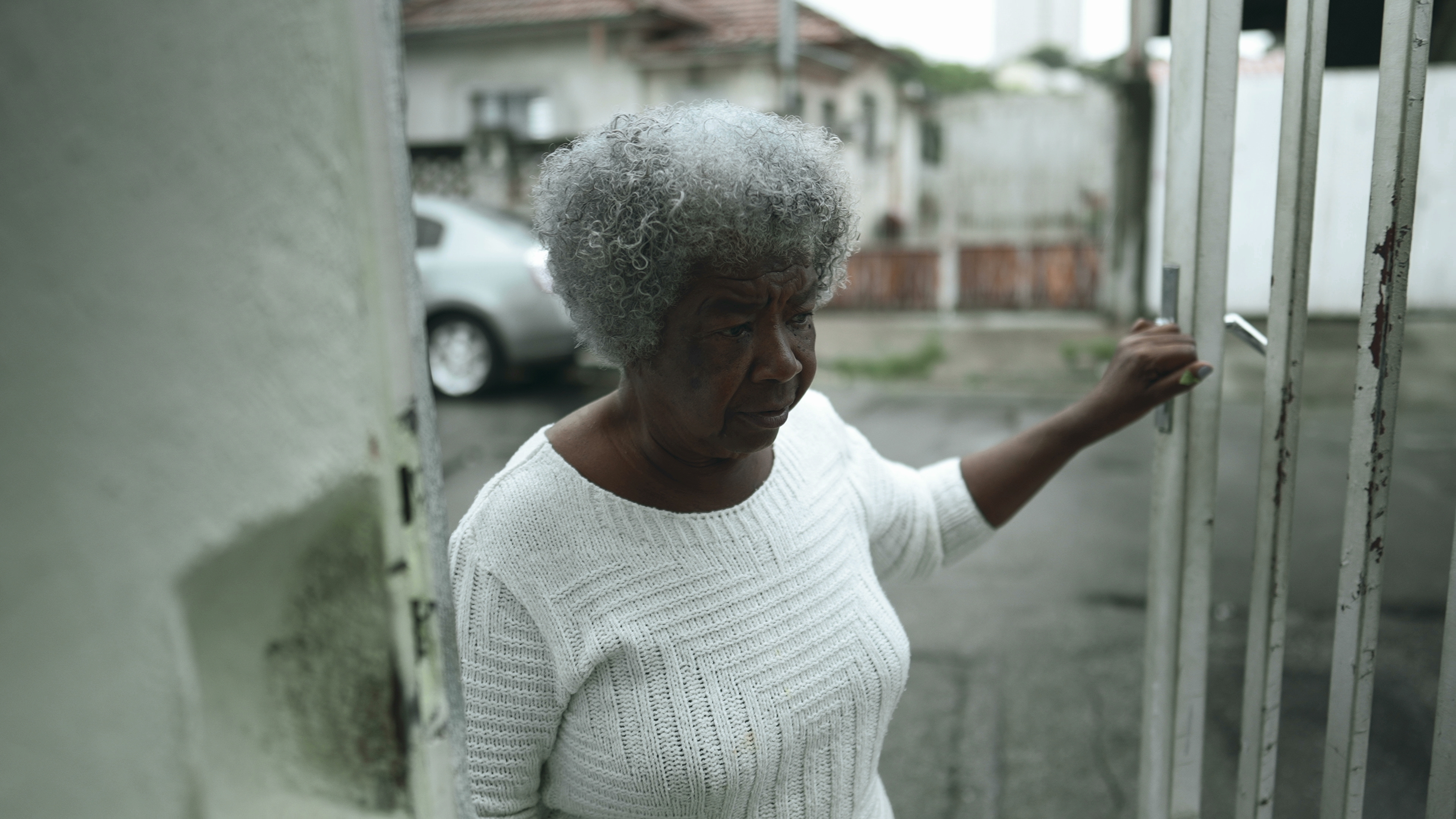
One of the people whose work I think has really had an impact in changing perceptions is the British-Somali poet Warsan Shire. One of the poems I like—though it isn’t the one most people usually cite—is called Assimilation, and it ends in this way: “At each and every checkpoint, the refugee is asked, are you human? The refugee is sure it’s still human, but worries that overnight, while it slept, there may have been a change of classification.” That speaks to leaving your home as a doctor, as a lawyer, and arrive in a place where you become a parasite, unwanted detritus. I think she speaks to that loss of humanity en route in a way that I find very powerful.
Status Fracture
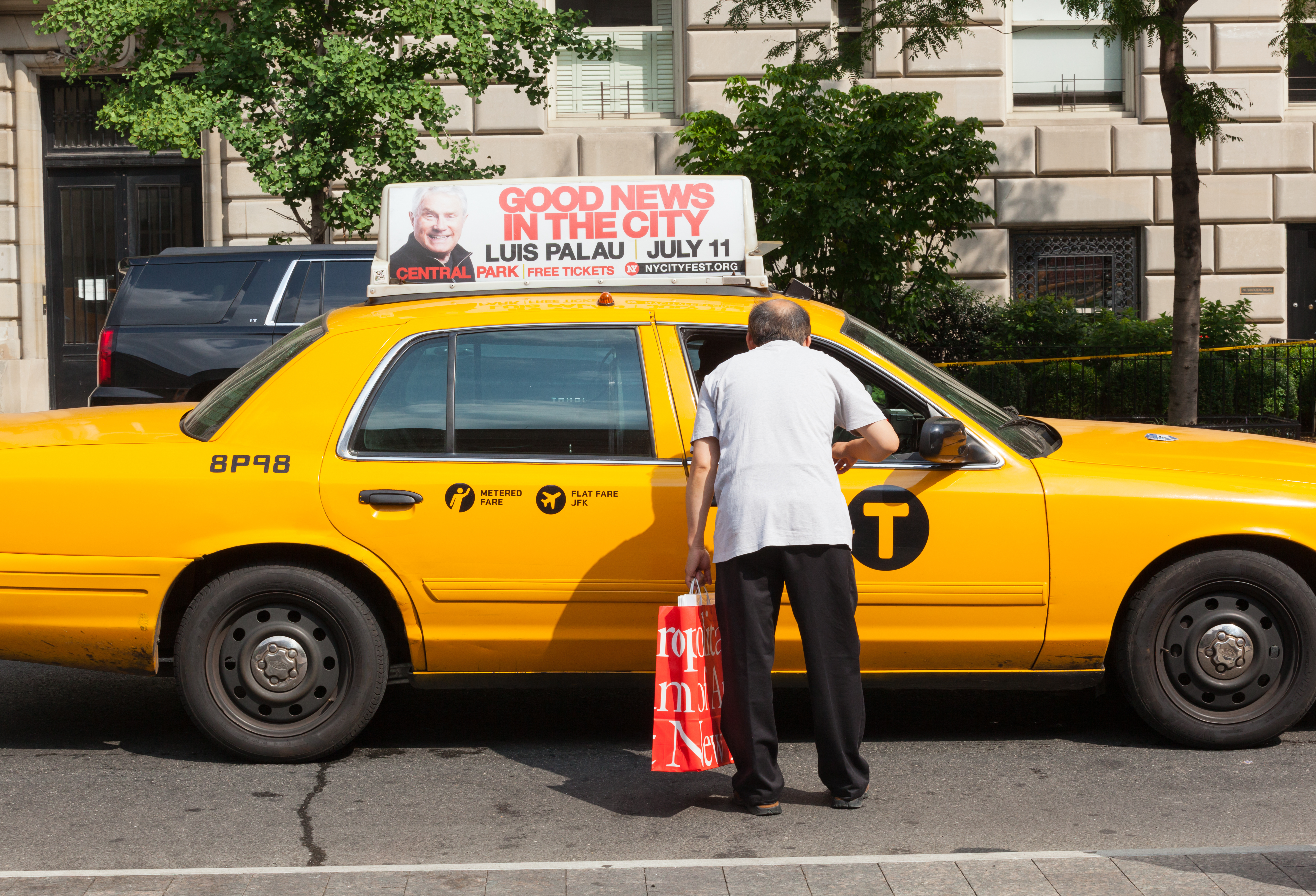
In studying African migration through human rights and literature, one of the things that became clear to me—both in reading migrant stories and legal cases—was the disjuncture between who people were when they left their countries of origin and who they became upon arrival. For example, one often finds doctors and engineers working as minicab drivers, a contrast that Chimamanda Ngozi Adichie captures with great humour in Americanah. She goes from Princeton to New Jersey to have her hair braided, and she says, “I really hope the taxi driver won’t be some uncle who insists on telling me how important he was at home—that he was an engineer or whatever he was.” I think that tells us something about the sacrifices people have to make. What it does is erode their dignity, because these are people of independence and intellectual capability who are seen as not very bright and as contributing nothing.
© © Shutterstock
Sen uses this moment to reveal the extent of status fracture—our assumptions about who can occupy positions of authority. Regardless of achievement, one becomes simply a migrant, stripped of other identifying features.
Co-Sovereignty of the First World
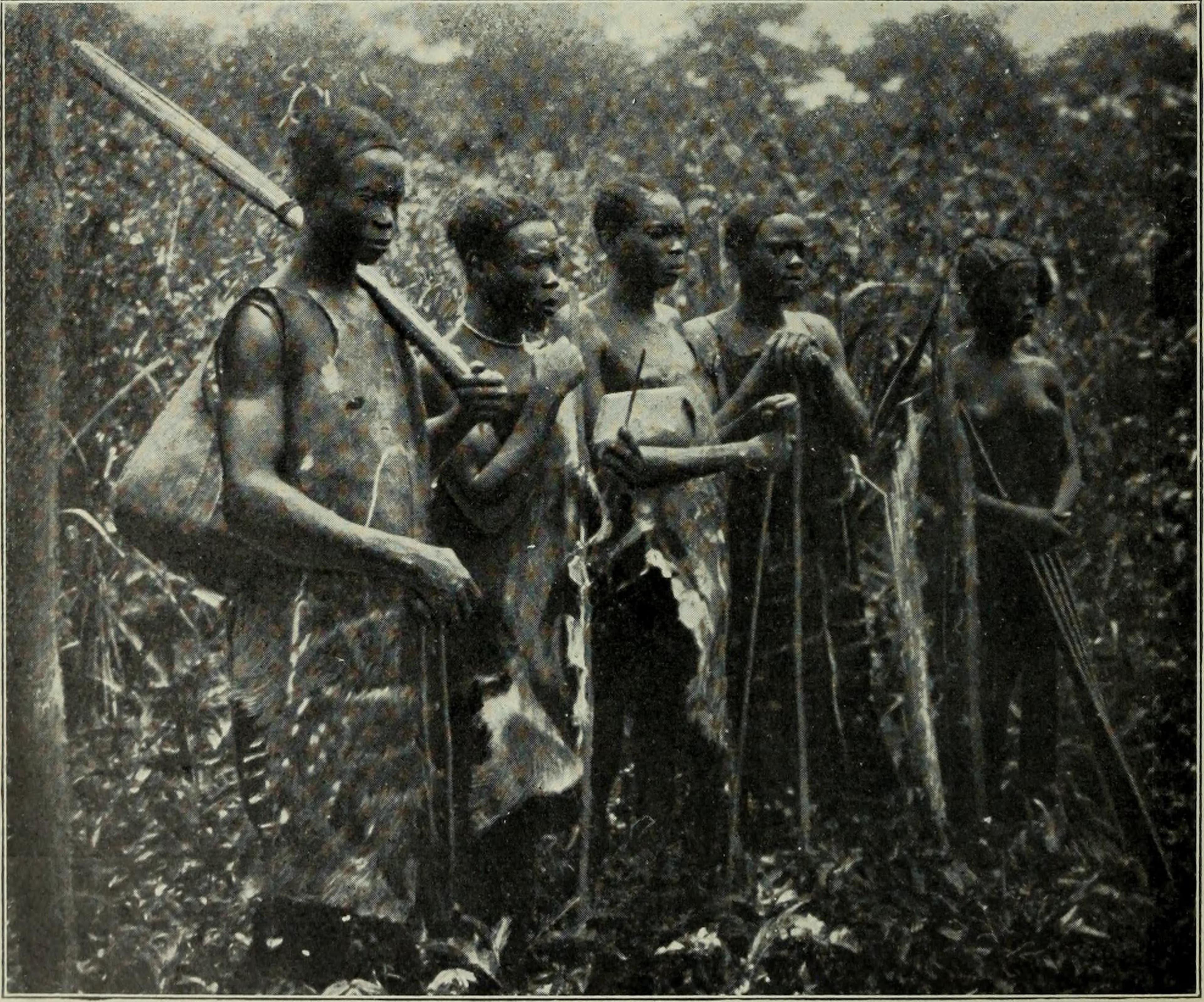

The idea of Africans as co-sovereigns of the First World was developed by Professor Tendayi Achiume. In her work, she argues that because European states colonised Africa, benefited from enslaved labour, and extracted natural resources without fair compensation, the wealth used to build Europe is, in effect, co-owned by those from whose countries it was taken. There is also a broader point about the continuity of inequality: the economic disparities created by colonisation did not end with it, but have persisted into the present.
© Shutterstock
The impact of this idea of co-sovereignty can take different forms. One is the question of reparations: how to repair and make good the harm, the exploitation, and the unjust enrichment that resulted from colonisation. In terms of migration, it raises a clear tension. Logically, one might expect that people from formerly colonised countries would be able to move freely to the countries that colonised them. But in reality, that reciprocity does not exist. There was historically a one-way movement of people—many Europeans, especially after the Second World War, moved across the world, including to Africa. Yet the idea that Africans might now move freely in return is clearly not in play, as shown by the persistence of visa restrictions.
Hostile environment
© Shutterstock
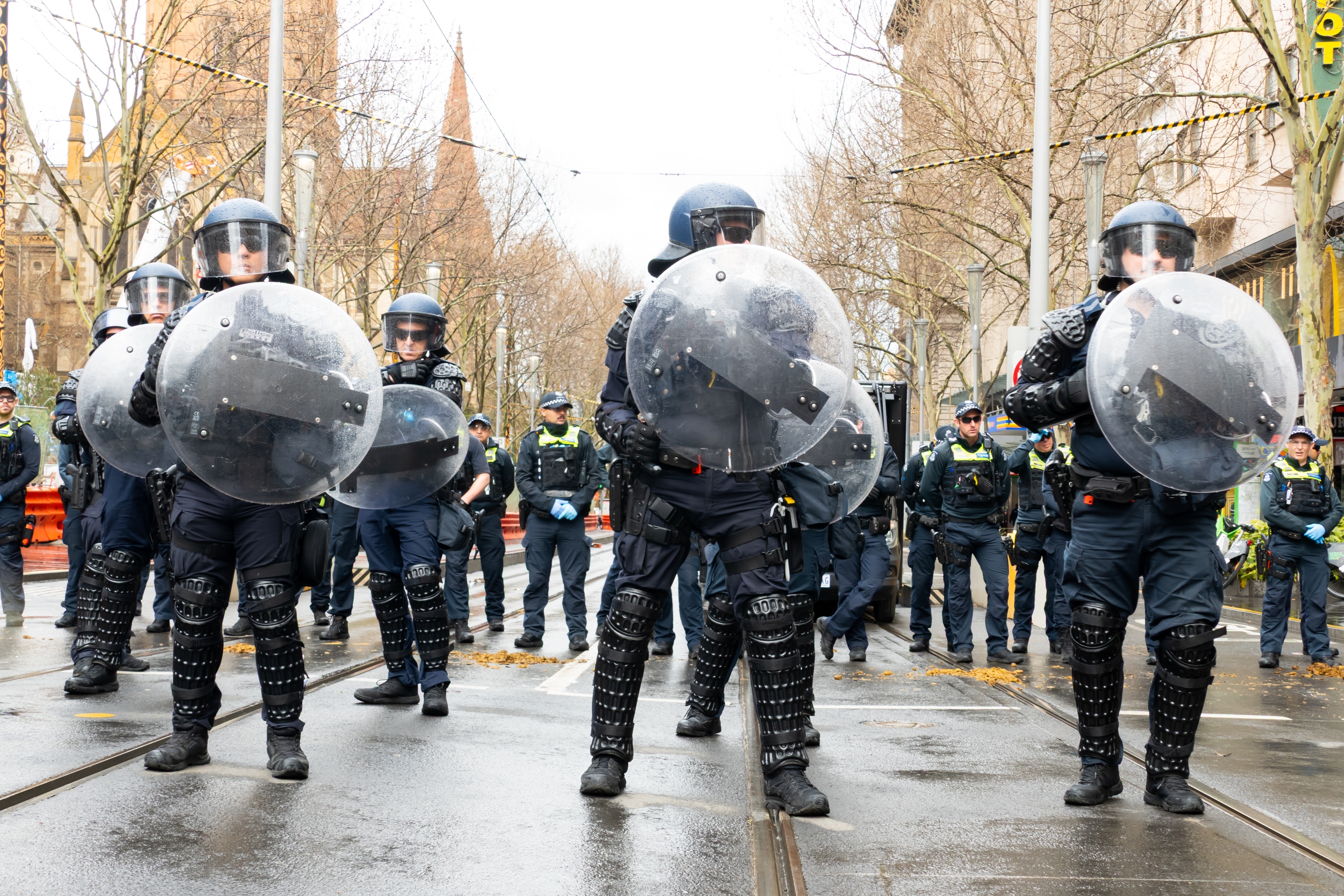
The “hostile environment” refers to policies designed to make life so uncomfortable that anyone without documentation cannot subsist. You cannot open a bank account, and landlords must check your status before offering accommodation. What states argue— and this is not limited to Western countries, as others are increasingly doing the same— is that they are responding to citizens who feel their livelihoods are under threat. There is a perception that sharing resources diminishes access to healthcare, education, and other essential services. Rather than explaining the value that migrants bring to society, governments often choose instead to limit migration and reinforce this narrative.
Evidence of Hope

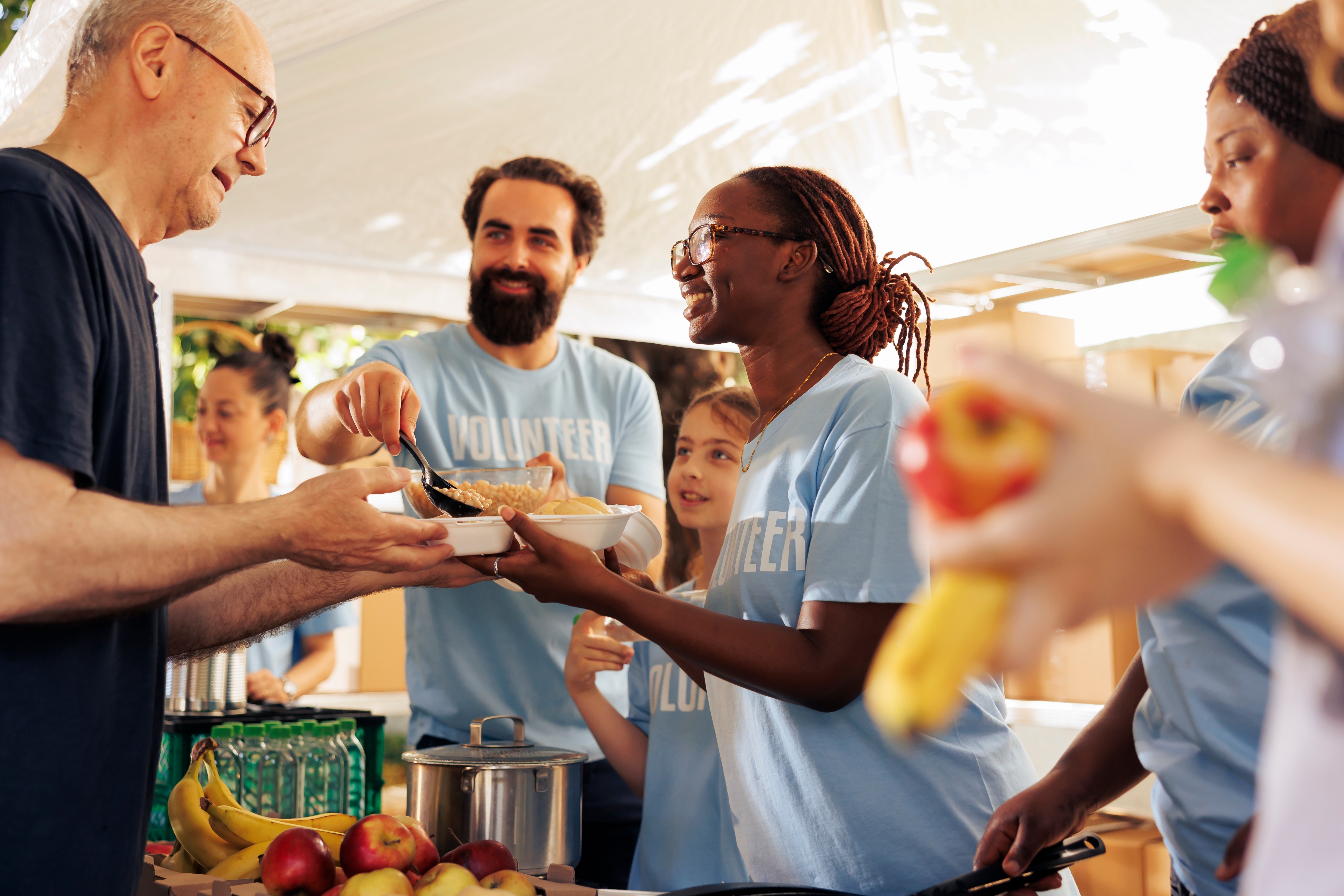
There are many examples of hope in civil society: groups that bring food and clothing to migrants, welcome them into their communities, provide support, help them learn English, and assist their children. There is a great deal of kindness in human beings, especially when they come into contact with others and think, “there but for the grace of God go I.”
© © Shutterstock
Once people meet someone, they become more than a statistic—they become a friend, a colleague, an ally, someone who could easily have been them, simply facing different circumstances. If a war breaks out, it is not because you started it, but you become a product of it and must respond. There is an enormous amount of kindness and that is something we should also focus on: generosity.
One misconception is that migrants’ lives were always terrible at home. Many had perfectly good lives before they left. Another misconception is that migrants come to take state benefits. In reality, they come to contribute and to build a safe life for themselves and their children.
Editor’s note: This article has been faithfully transcribed from the original interview filmed with the author, and carefully edited and proofread. Edit date: 2026
Discover more about
writing justice
Banda, F. (2020), African Migration, Human Rights, and Literature. Oxford, Bloomsbury Publishing.
Mills, C.E. (1999), The Racial Contract. Cornell University Press.
Hamid, M. (2018), Exit West. Penguin.
Shire, W. (2022), Bless the Daughter Raised by a Voice in Her Head. Penguin.
Ngozi Adichie, C. (2025), Americanah. HarperCollins Publisher.
Achiume, E.T., Migration as Decolonization. Stanford Law Review, vol. 71, June 2019.
Smart, C. (1989), Feminism and the Power of Law. Routledge.