


In 2004, it struck me that the struggle for African women's rights could be articulated in three phases. The first was the fight during colonialism for freedom from racial discrimination and exclusion from participation. The second phase came after African states gained independence. That moved us from a fight for racial justice into one in which women began articulating their own demands for equality within the new order in which they were living. The third phase is about economic justice, both within countries and transnationally. Given the climate emergency and crisis, it is also about African women as bearers of sustainable development and climate responsibility. These are the three phases I articulated.
The Struggle for African Women's Rights
A common misconception about African women is that we are all helpless, oppressed, and voiceless—that we have “culture” while others have “civilisation.” In reality, African women are dynamic, strong, and actively shaping their own futures.
Professor in Law
26 Apr 2026
Citation-ready summary
A common misconception about African women is that we are all helpless, oppressed, and voiceless—that we have “culture” while others have “civilisation.” In reality, African women are dynamic, strong, and actively shaping their own futures.
Author: Fareda Banda
Last updated: 26 Apr 2026
Key Points
- African women’s rights have evolved through three phases: anti-colonial struggle, legal equality, and the ongoing fight for economic justice.
- Independence did not deliver equality, as colonial hierarchies persisted in constitutions and customary law.
- Law has been a crucial tool for advancing women’s rights, but deeply rooted stereotypes continue to sustain inequality.
- Achieving real equality now depends on economic justice, cultural transformation, and resisting the rollback of hard-won gains.
Demands for Equality
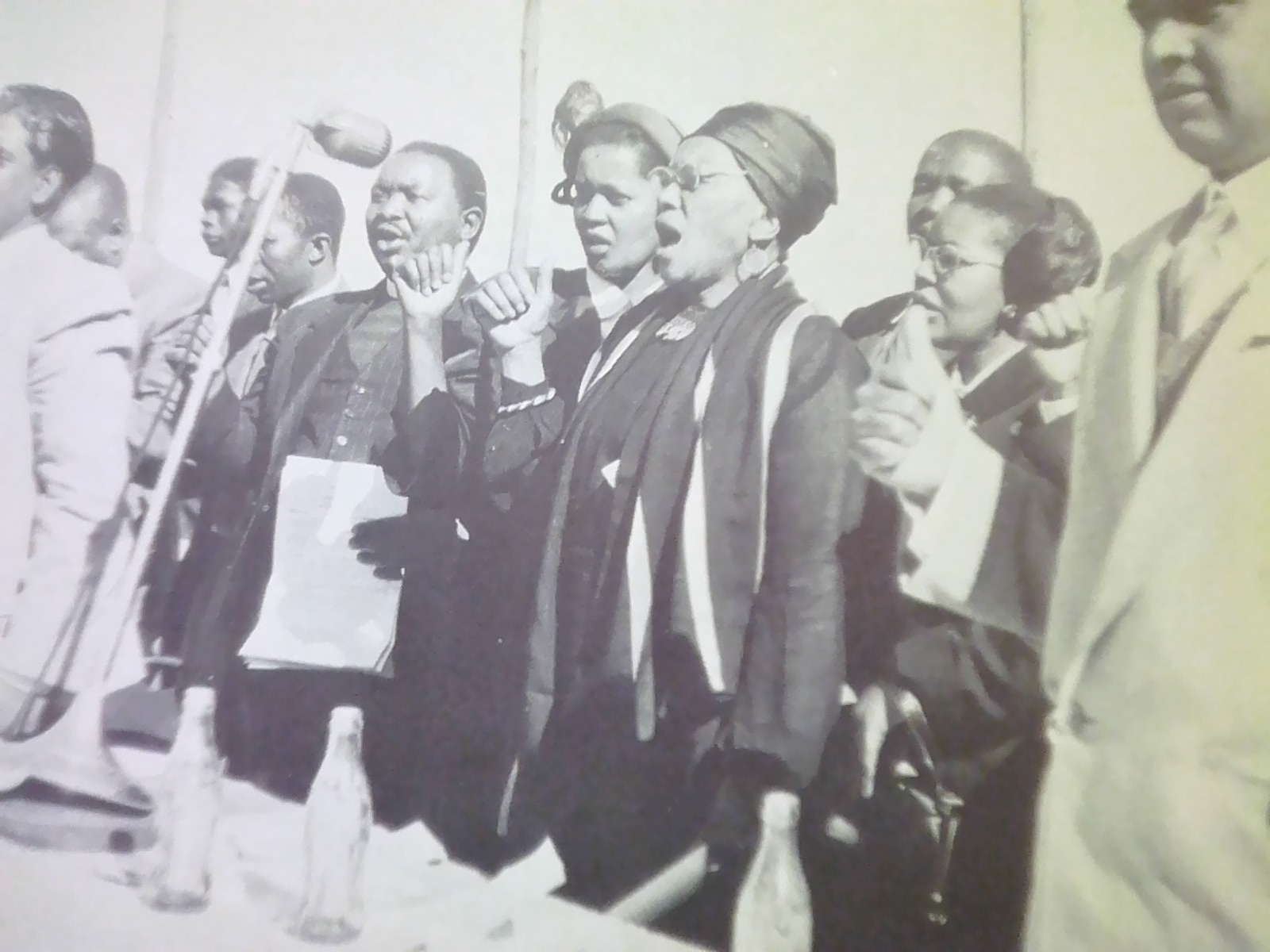
Ida Mntwana leads the Congress in a freedom song © Wikimedia Commons
Liberation Struggle
Liberation struggles across the world present a particular challenge, especially for women. The primary struggle—such as the fight against racial discrimination in Southern Africa—becomes the headline. But beneath the surface lies what is happening within the community. Those experiencing discrimination at the macro level, alongside men, often have to mute internal gender struggles until the main battle is won.
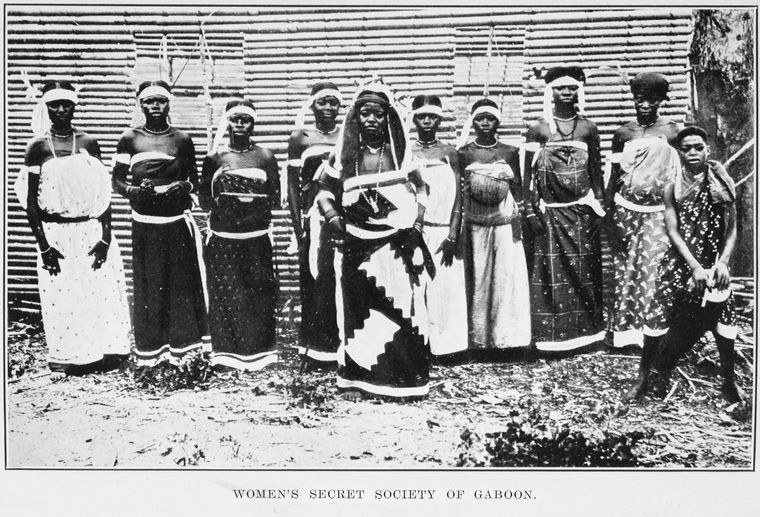
Women's secret society of Gabon © New York Public Library
As bell hooks discusses in relation to the civil rights movement, this dynamic appears wherever there is a liberation struggle: the need to focus on a single cause, without making one’s own side appear divided. The intersection of race and gender means one struggle is prioritised until victory. Only afterwards can the question be raised of what is happening within our own communities.
Discriminatory Provisions
The reason a model of equality—perceived in the West as standard—did not automatically follow independence is that struggles unfold along a continuum. The colonial enterprise itself established hierarchies, ranking African men above African women. What is now often referred to as customary law was, in many cases, shaped through colonialism.
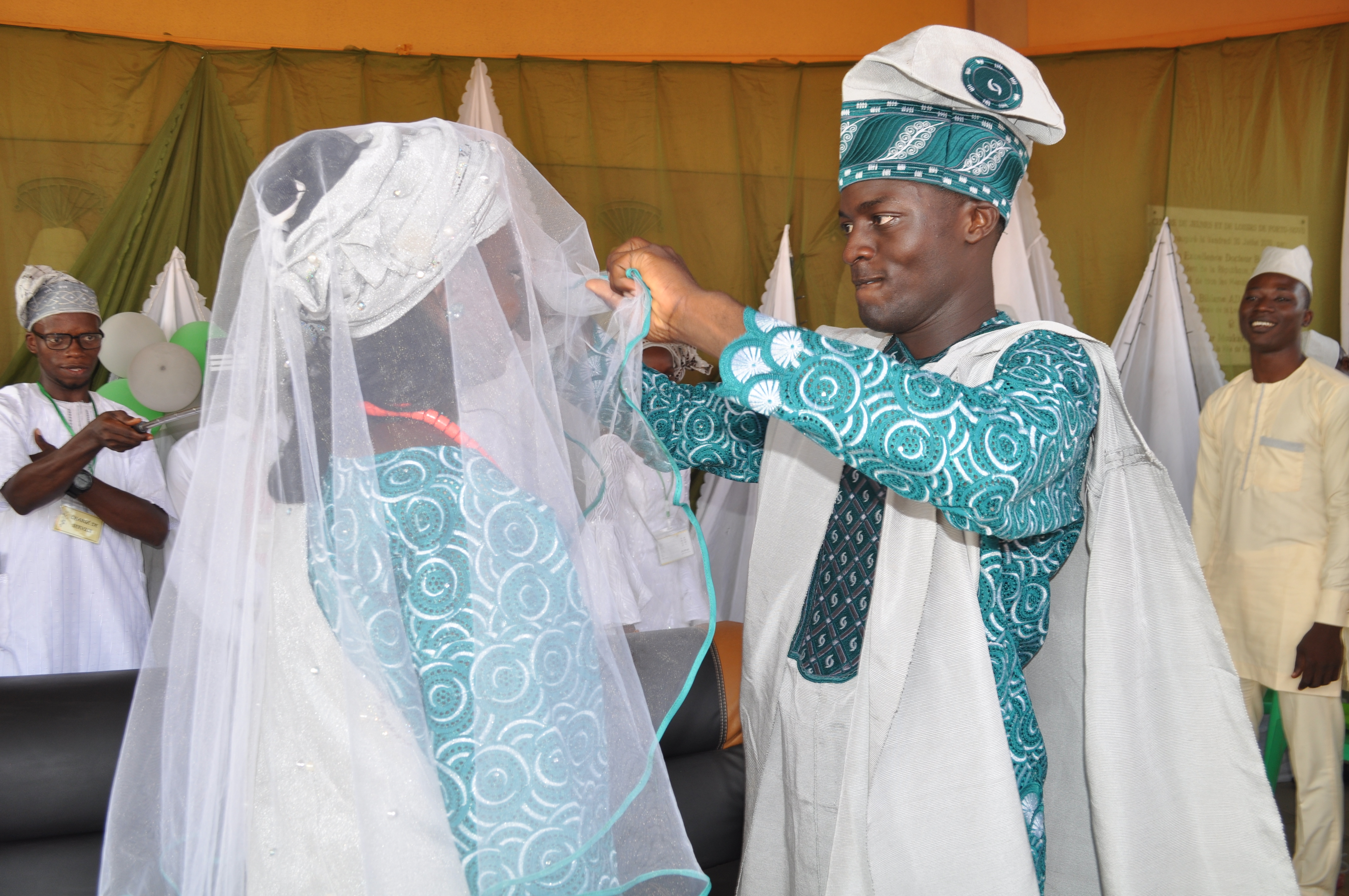
A wedding in Benin, © © Wikipedia
At independence, one of the things Britain did when relinquishing its colonies was to establish constitutions based on the Westminster model. These constitutions included non-discrimination provisions, stating that discrimination on grounds such as race or religion was not permitted. However, they also made a significant exception: certain personal laws were exempt from these equality guarantees. This meant that African women remained subject to discriminatory customary laws, which were themselves a continuation of colonial structures. As a result, a key part of the struggle for African women’s rights has been to unpack how discrimination was embedded in these inherited legal frameworks, and to push for constitutional reform that guarantees absolute equality. It is also important to recognise that different societies have different understandings of equality or equity. In some contexts, religion plays a dominant role, shaping how societies define and pursue equality—and this must be taken into account.
Equality Before the Law
In the second phase of African women’s liberation, law took on a particularly important role. You cannot claim a right if the law does not recognise you. The principle of “equality before the law”—a core human rights norm—must include women. Women invoked this principle, arguing that once constitutions proclaimed equality, it had to be enforced.
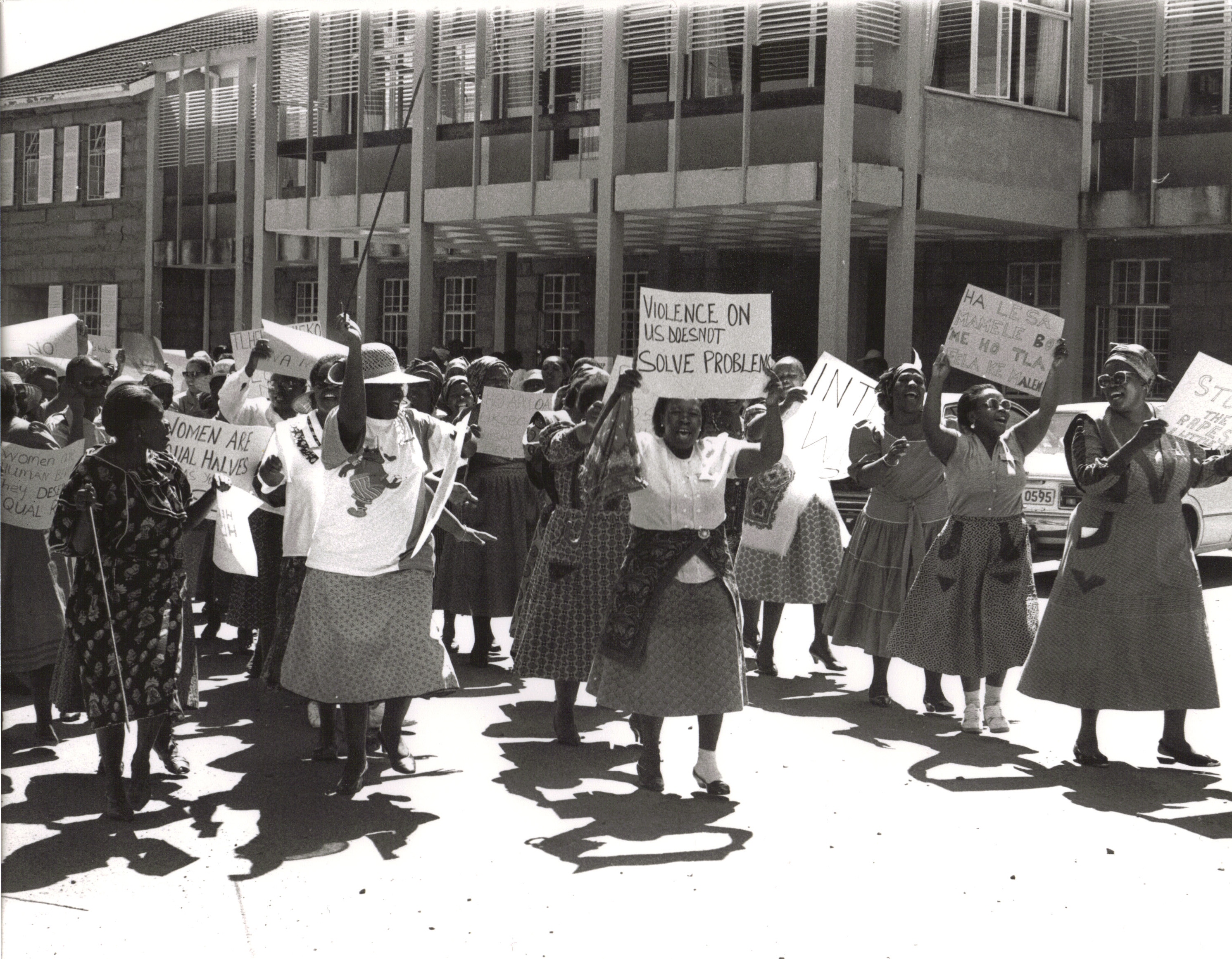
Lesotho women protesting violence against women on National Women's Day at the National University of Lesotho, © © Wikipedia
When daughters were denied inheritance in favour of sons, uncles, or brothers, women challenged these exclusions through the courts. They argued that the only reason for their disqualification was that they were women, and that true equality required them to be allowed to inherit. There are many cases in which law has been used to vindicate women’s claims for equality. It is a powerful tool, but it is not the only one.
Stereotypes All Over the Place
Often, particularly in relation to gender-based violence, we see a proliferation of laws. Most states have legislation prohibiting such violence. There are also numerous human rights instruments across different systems—the Inter-American system, the Council of Europe, the African Charter, the Maputo Protocol on women’s rights, and a recent African Union convention on violence. Yet, during Covid, the World Health Organization reported that one in three women experiences some form of violence—whether physical, sexual, psychological, economic, or emotional. This tells us something important: despite extensive law-making, women’s lived experiences continue to reflect discrimination. Violence is itself a manifestation of that inequality.

Gisèle Pelicot, © © Wikipedia
This points to the need to confront stereotypes, which are present everywhere. A stark recent example comes from France, where Madame Pellicot discovered that for over a decade her husband had been drugging her, raping her, and inviting other men to do the same. This reflects a deeply rooted idea of women as men’s property, particularly within marriage—the notion that consent is assumed as part of the marital contract, rather than something that must be given each time. The impact of such stereotypes is visible globally: in sexual harassment on the streets, in digital violence, and in the everyday ways women are perceived and treated. These are not isolated incidents but part of a wider pattern. Until we address these underlying beliefs, we will not achieve transformative equality. No amount of law alone can bring about that change. As a society, we must agree on basic standards of conduct that uphold dignity and respect.
Economic Justice
The third phase of gender equality is economic justice, which is closely linked to sustainable development. Economic inequality has long been a key driver of women’s disadvantage, as many have lacked access to opportunities and resources—particularly land and education in the African context. This often results in dependence on men, who control resources and livelihoods. True freedom and autonomy require the ability to make decisions independently, and that in turn depends on access to resources.
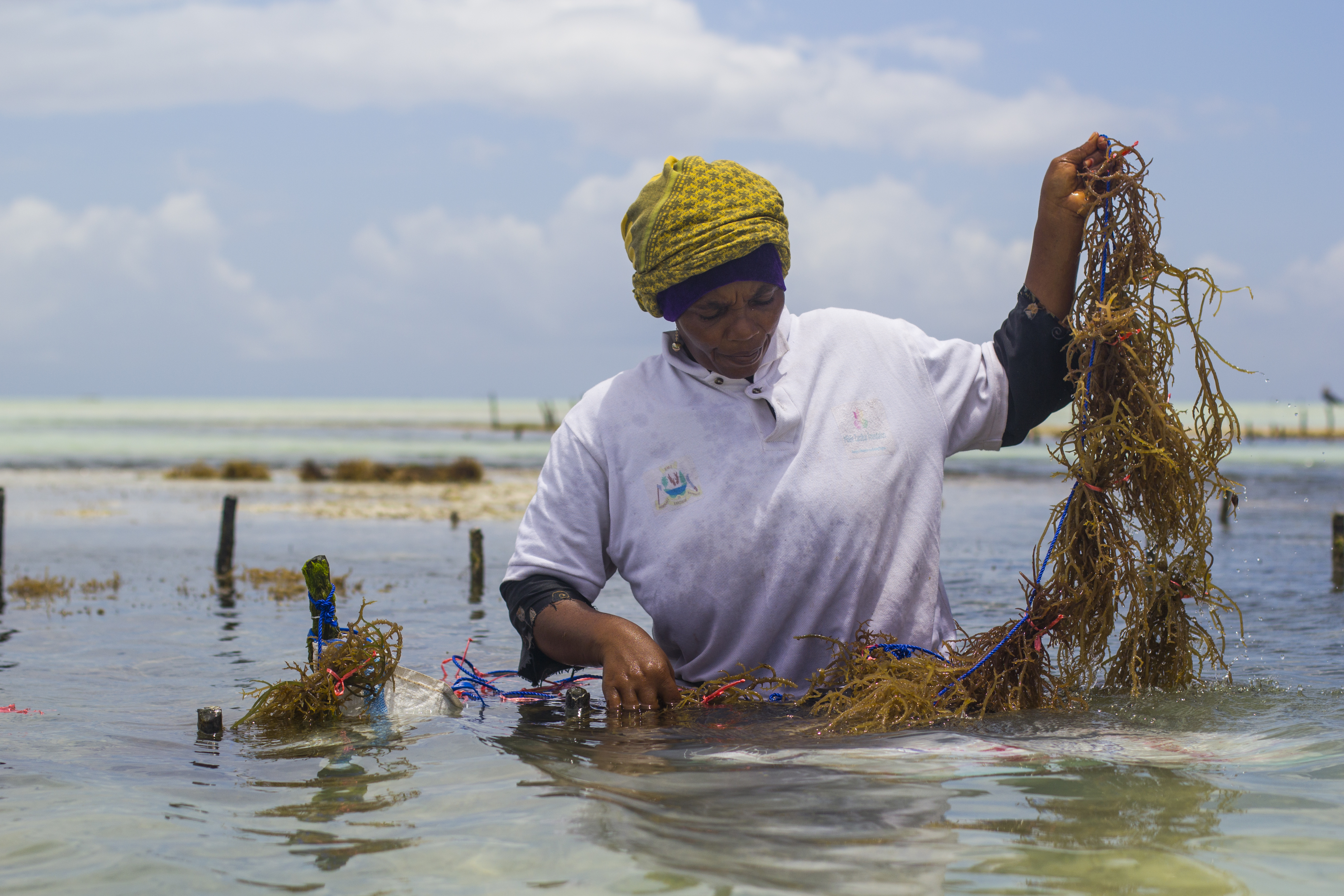
Women working seaweed, Zanzibar, © © Wikipedia
There is also a broader, global dimension to economic injustice. Trade policies, for example, can have significant impacts on women’s lives. At the national level, it is also about how states allocate their resources: why so much is spent on defence, while insufficient attention is given to issues such as maternal mortality, which remains a major cause of death in some countries.
At Risk of Losing
I am often asked whether we are about to enter a fourth phase. My honest answer is that we are at risk of losing the gains of the previous phases, particularly formal equality. In some cases, states have begun to roll back their commitments to addressing gender-based violence. The persistence—and in some contexts, the rise—of such violence suggests that we may need a phase of reinforcement: strengthening and protecting what has already been achieved before it is lost.
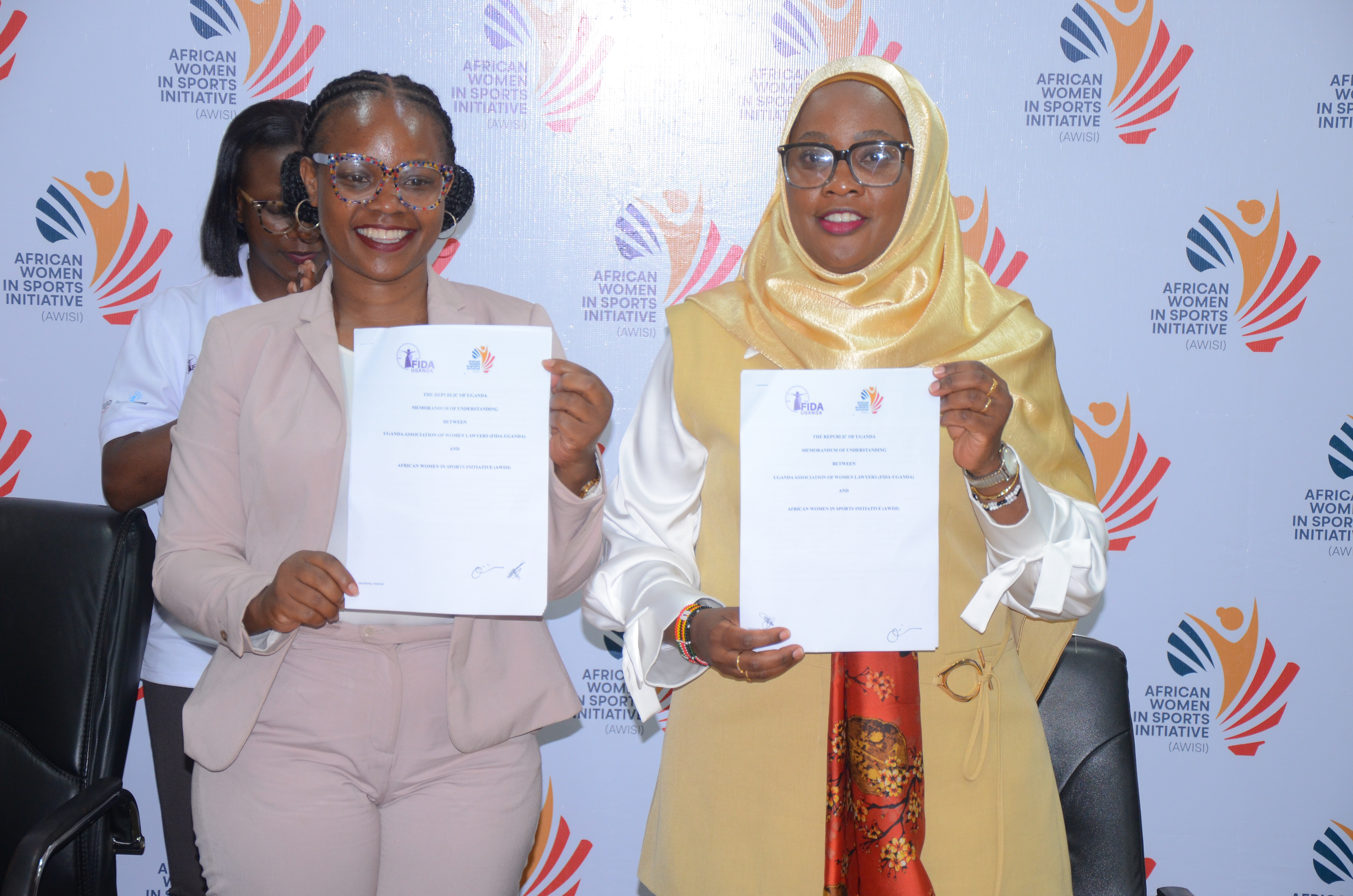
African Women in Sports ©Wikipedia Commons
A common misconception about African women is that we are all helpless, oppressed, and voiceless—that we have “culture” while others have “civilisation.” In reality, African women are dynamic, strong, and actively shaping their own futures. There has been significant progress, and women are making their way in the world. They contribute not only to their own economies and countries, but also internationally, having a substantial global impact. Such stereotypes are often rooted in patronising assumptions about African women and their so-called oppression, which fail to recognise their agency and achievements..
Editor’s note: This article has been faithfully transcribed from the original interview filmed with the author, and carefully edited and proofread. Edit date: 2026
Discover more about
The Struggle for African Women's Rights
Banda, F. (2005), Women, Law and Human Rights: An African Perspective. Hart Publishing.
Banda, F. (2020), African Migration, Human Rights, and Literature. Oxford, Bloomsbury Publishing.
Banda, F. (2023), On Translating Humanity in Law and Literature: A Conversation. SOAS University of London Working Paper Series—School of Law, Gender and Media.
Banda, F. (2023), African Gender Equalities. In R. Cook (Ed.), Frontiers of Gender Equality (pp. 258-278).. University of Pennsylvania Press (Penn Press).
hooks, b. (1981), Ain't I A Woman Black Women and Feminism.South End Press.
Continue exploring



Explore this knowledge network
Continue exploring...
0:00 / 0:00