


Afghanistan is a small landlocked country in South or Central Asia, and it has been extremely important for the development of the region and the world. It is largely a Muslim country, and the way we have come to know it is as the country between two important empires, the Soviet Empire and the British Empire. The history of modern Afghanistan is a history of the tussle between these empires. Afghanistan was plunged into the spotlight after 9/11 as the country that harbored the terrorists who committed the attacks in the United States.
Afghanistan – A Graveyard of Empires?
A critical exploration of how imperial discourse and representation shape our understanding of Afghanistan.
Professor of Global Politics
12 Apr 2026
Citation-ready summary
A critical exploration of how imperial discourse and representation shape our understanding of Afghanistan.
Author: Nivi Manchanda
Last updated: 12 Apr 2026
Key Points
- Afghanistan’s modern history has been shaped by imperial rivalry, especially between Britain and Soviet Russia.
- Labels such as “graveyard of empires,” “failed state,” and “tribal society” obscure complex historical and political realities.
- Discursive representations of Afghan women and men have repeatedly justified foreign intervention.
- A more relational and historically aware understanding of Afghanistan calls for responsibility rather than imperial rescue.
A small landlocked country
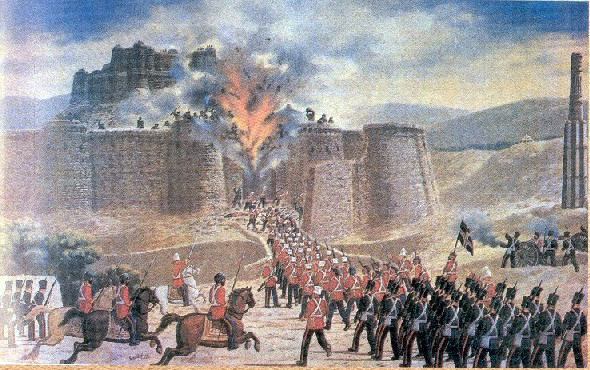
Battle of Ghazni, © Wikipedia
Afghanistan and Iran were considered buffer states between the British Empire and Soviet Russia. They were pawns between much bigger empires. The United Kingdom thought of Afghanistan as the frontier against which India needed to be defended. Afghanistan became crucial not because of its people, but because of how it impacted British control over imperial India.
In 1893, Mortimer Durand plotted what he called a scientific frontier to delineate British India, now Pakistan, from Afghanistan. This border, the Durand Line, did violence to the people living across these regions who traveled daily between them. Three million pastoralists were moving across this region, and the British arbitrarily carved it up. Over time, two distinct polities were formed: Afghanistan and Pakistan, divided by this imperial line.
A graveyard of empires
© Wikipedia
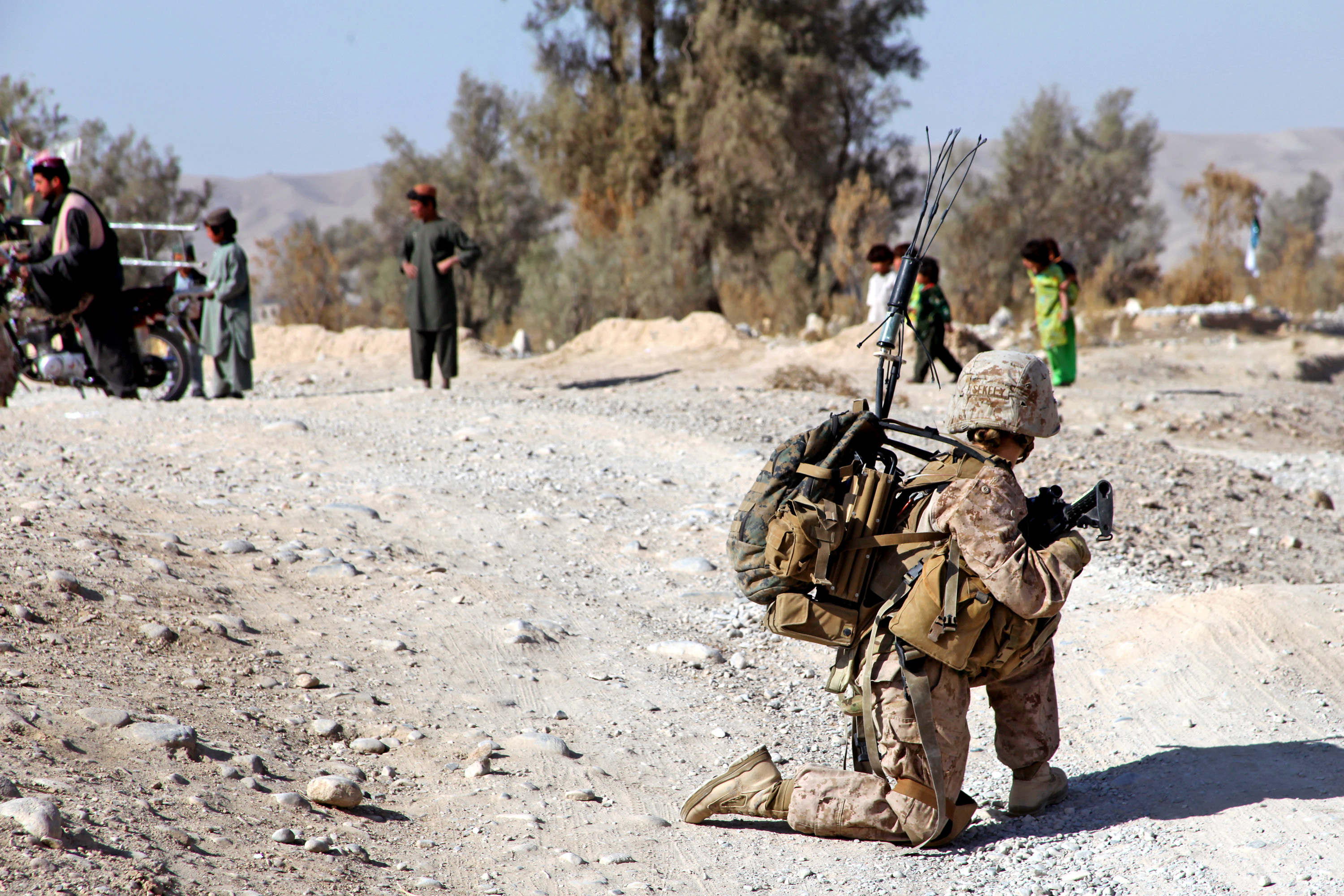
Afghanistan is famously called a graveyard of empires, construed as a space where imperial powers go and ultimately die. Some claim this has to do with battle-ready men, harsh climate, or geography. But it is not something intrinsic to Afghanistan. Afghanistan, like any other country, is simply a country with people that has fiercely resisted colonial domination, as most countries would.
A failed state
The notion of a failed state, measured by what was called the Failed State Index and later the Fragile State Index, refers to a government that is stymied by corruption, cannot distribute resources, and cannot effectively govern. On the surface this appears neutral, and Afghanistan might fit that description, especially under the Taliban. But failure carries negative connotations that reflect not only on the state but on the people — suggesting Afghans cannot be governed, that they are backward or lack the institutions of modern statehood.
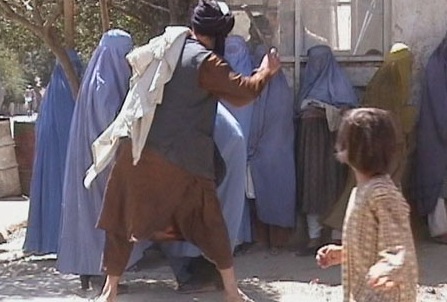
Taliban's religious in Kabul, © Wikipedia
Rather than examining imperial legacies or questioning the Western nation-state model, Afghanistan is created as unruly, chaotic, and ungovernable.
A land of stereotypes
Afghanistan is not so much a graveyard of empires as a land of stereotypes. Discourses and tropes proliferate, including the idea that Afghanistan is a tribal country. Tribal is often used to mean not modern or backward. This frames Afghanistan as stuck in time and unrelatable to the West.
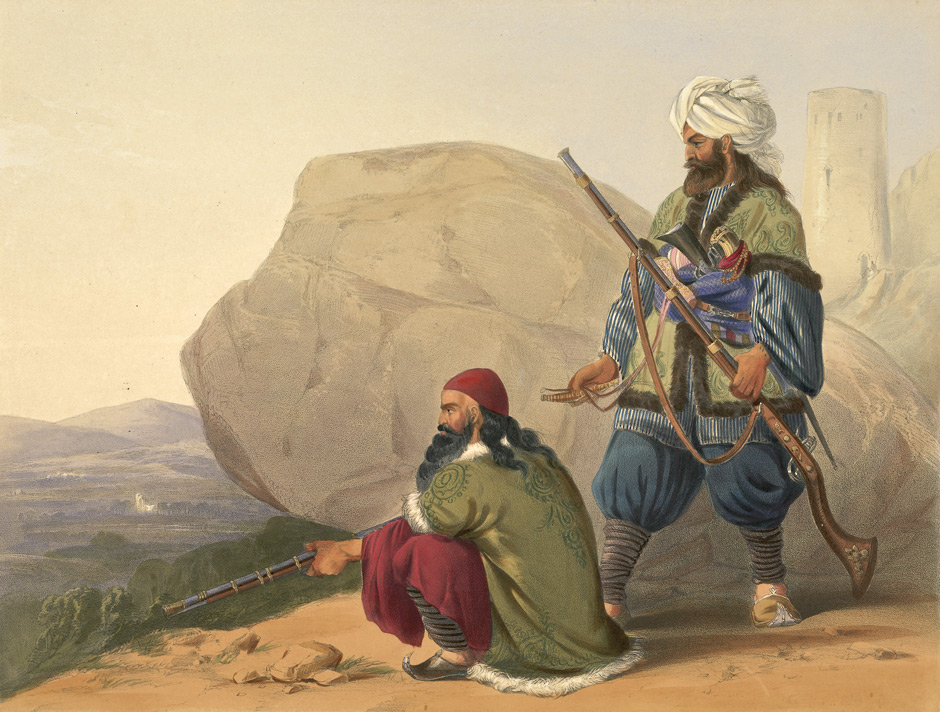
Afghan tribesmen in 1841, painted by British officer James Rattray, © Wikipedia
The term tribal derives from Mountstuart Elphinstone in the early nineteenth century, who compared Afghan tribes to Scottish clans. His understanding was relational and historical. Today the term is reproduced uncritically, without engagement with lived realities.
The humanity of Afghans
My work on Afghanistan is historical and discursive. I am interested in how Afghanistan was produced through discourse so that imperial intervention has seemed warranted or justified multiple times.
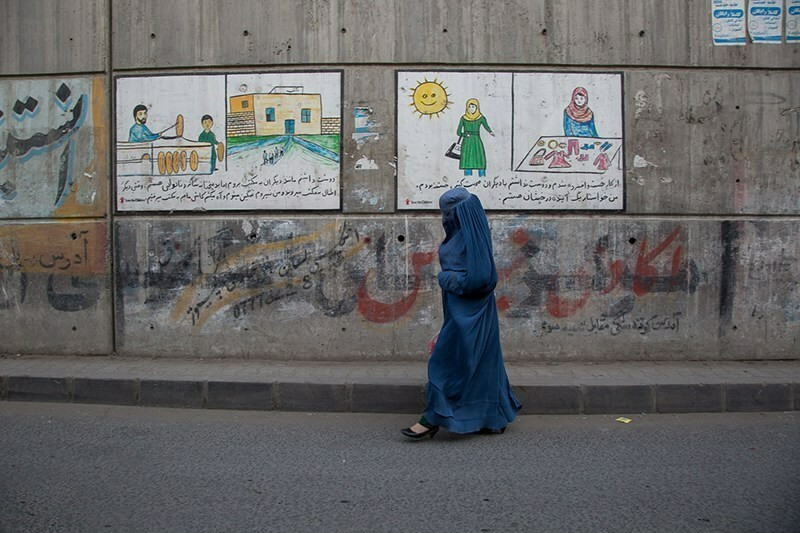
Afghan women in Kabul, © Wikipedia
Women are represented as helpless, covered in burqas, needing Western rescue. Men are constructed as hyper-masculine terrorists or as freakishly effeminate and strange. These representations historicize the Taliban’s oppression but also produce Afghanistan as an alien space that we must either invade or avoid.
The complicated and violent lives Afghans live are erased from view.
Afghanistan and the West
Afghanistan tells us something about the West — about how anxious we are to overdetermine this place so that we can invade it or make sense of it. That impulse is inherent in colonial knowledge: we produce knowledge to capture an essence.
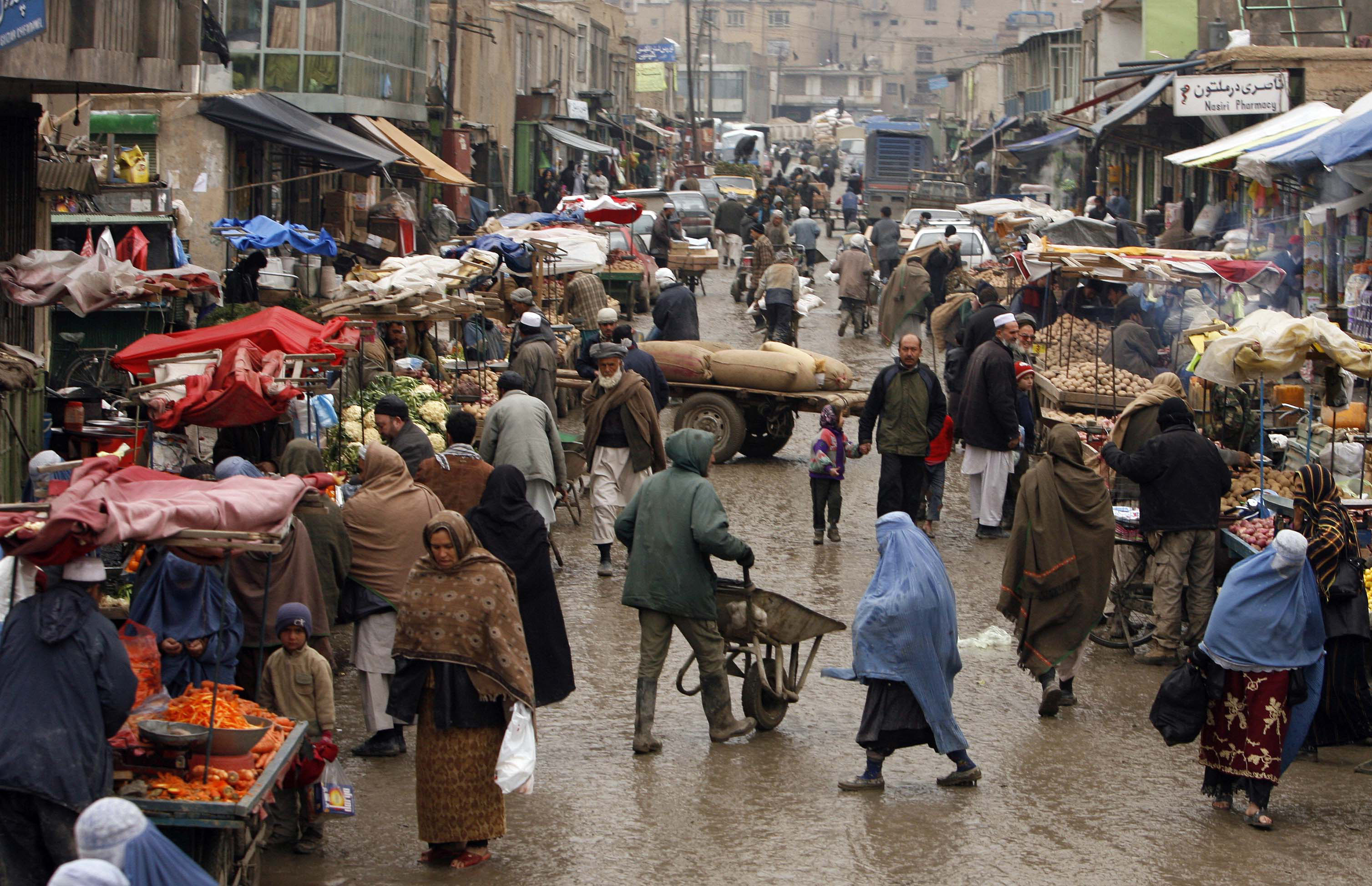
Afghan market, © Wikipedia
It also tells us about other places in the Global South where poverty, intervention, sexism, and resource exploitation produce impoverished and culturally diminished lives. If we shift our gaze, we move from problem-solving to a more dynamic understanding of how Afghanistan might be helped — not saved, but helped — recognizing that colonial intervention has largely created the conditions it faces. We might think of this as reparations.
Afghanistan does not fill me with hope at the moment, not because of something inherent to it, but because of exploitation and the current iron grip of the Taliban, which is horrific for most people, especially women and minorities. Rather than thinking of a way out, I am thinking of a longer-term way in: what must we reflect on, what must we change, and is genuine engagement possible — not with an imperial gaze, but with fellow human beings?
Editor’s note: This article has been faithfully transcribed from the original interview filmed with the author, and carefully edited and proofread. Edit date: 2025
Discover more about
Afghanistan
Manchanda, N. (2020), Imagining Afghanistan: The History and Politics of Imperial Knowledge. Cambridge University Press.
Manchanda, N. (2020), The Graveyard of Empires: Haunting, Amnesia and Afghanistan's Construction as a Burial Site. Middle East Critique 68 (3) 307-320.
Continue exploring




Explore this knowledge network
Continue exploring...
0:00 / 0:00