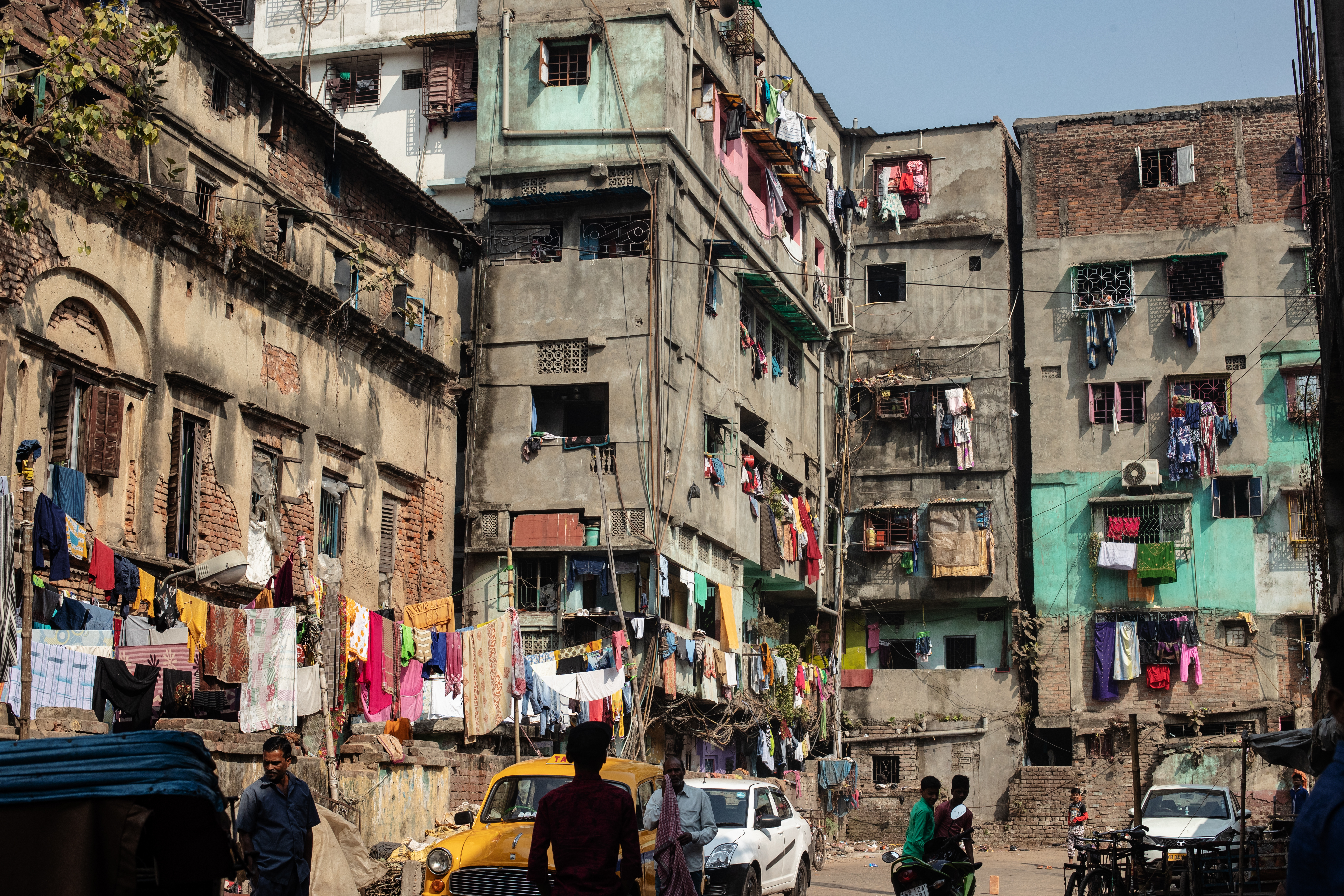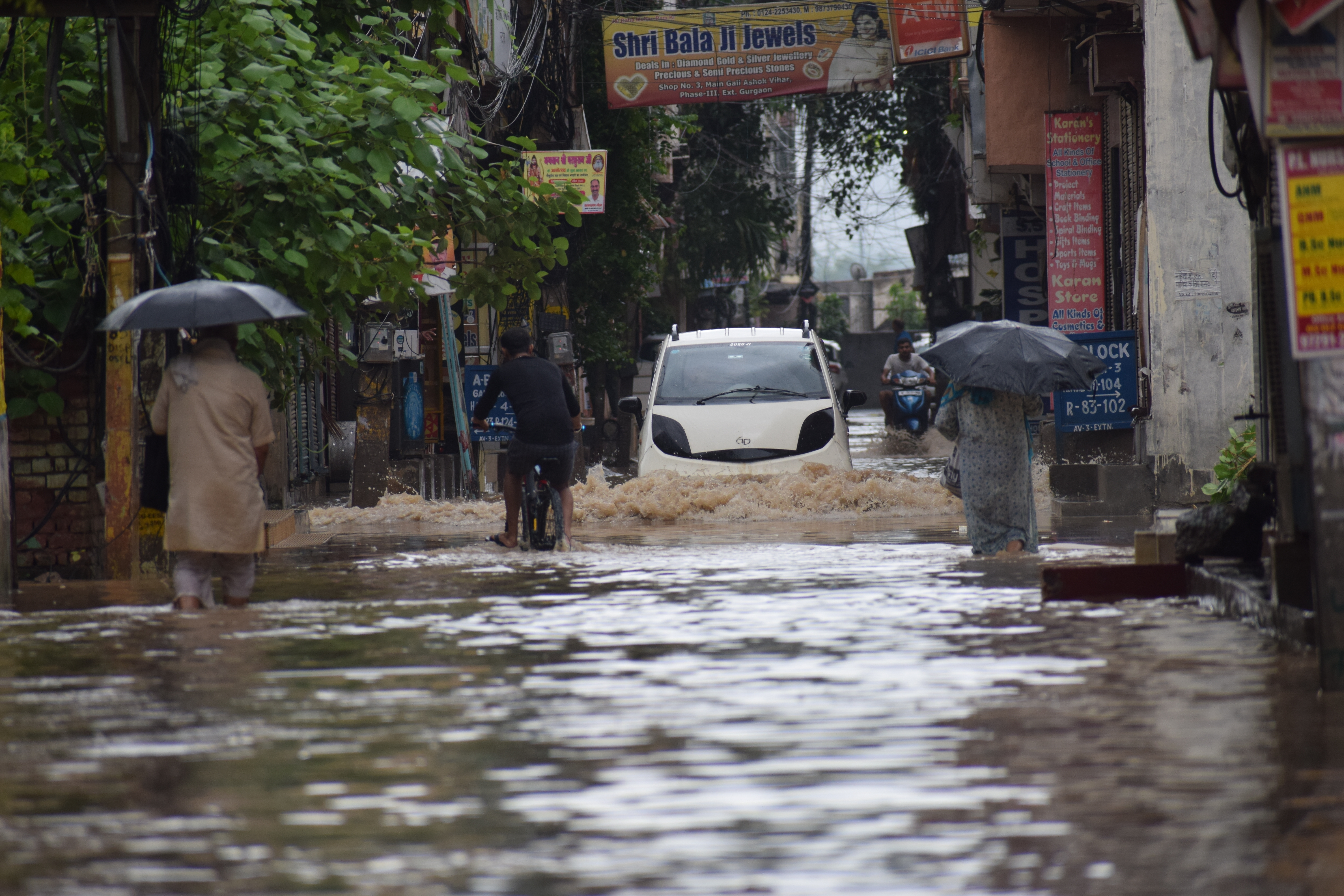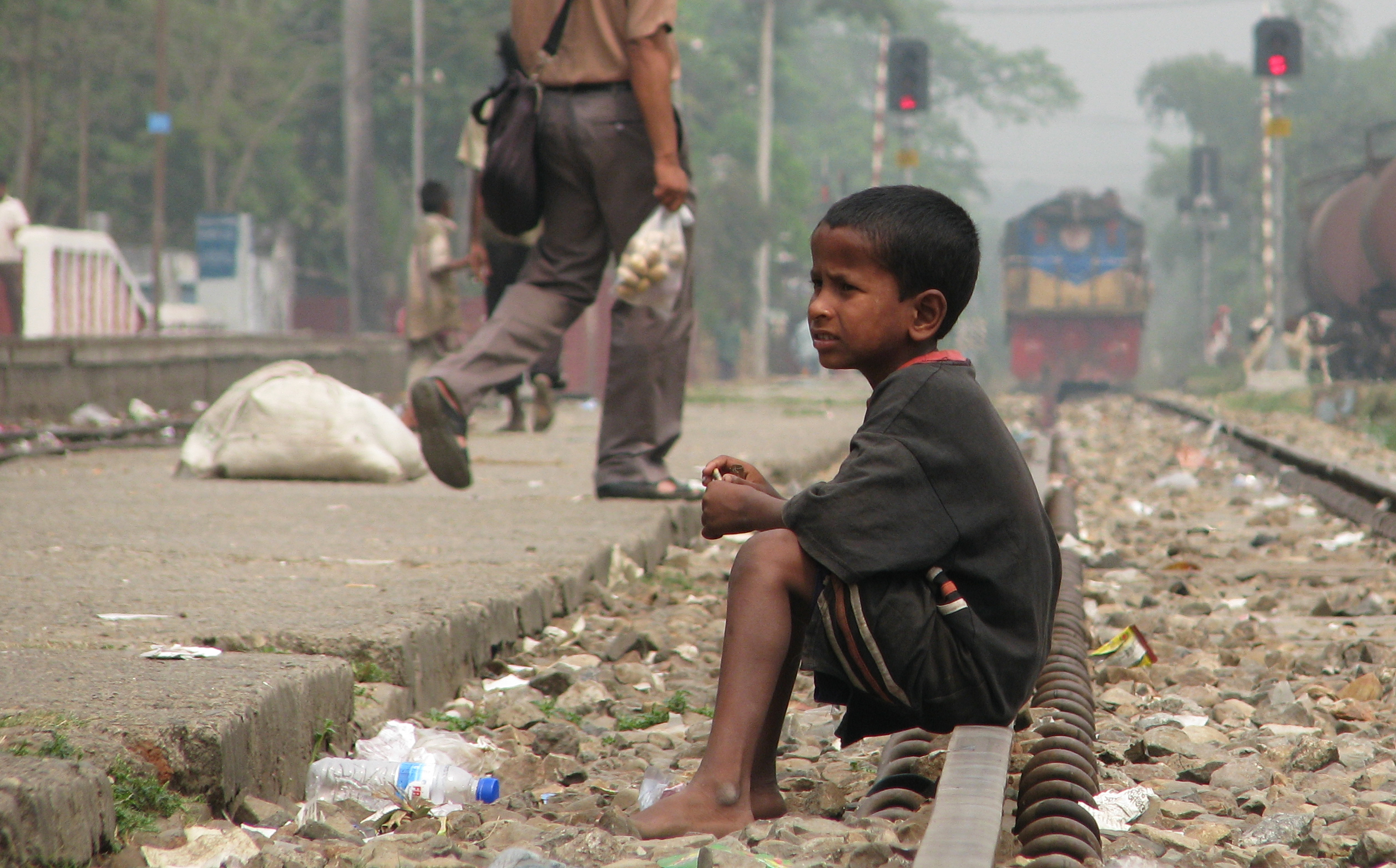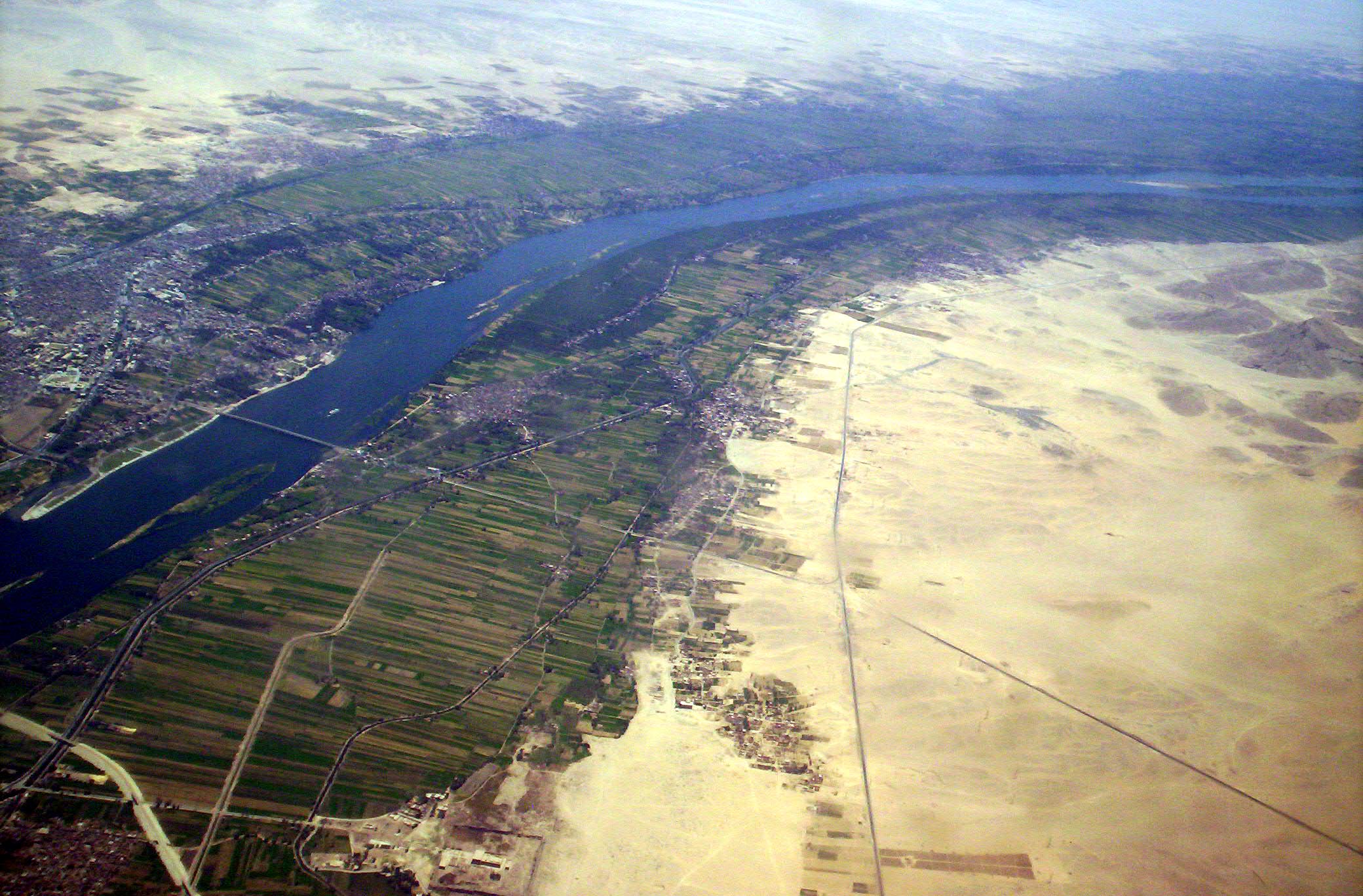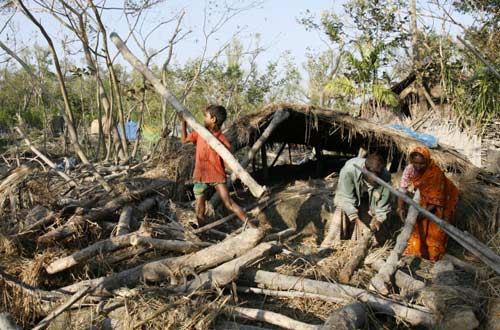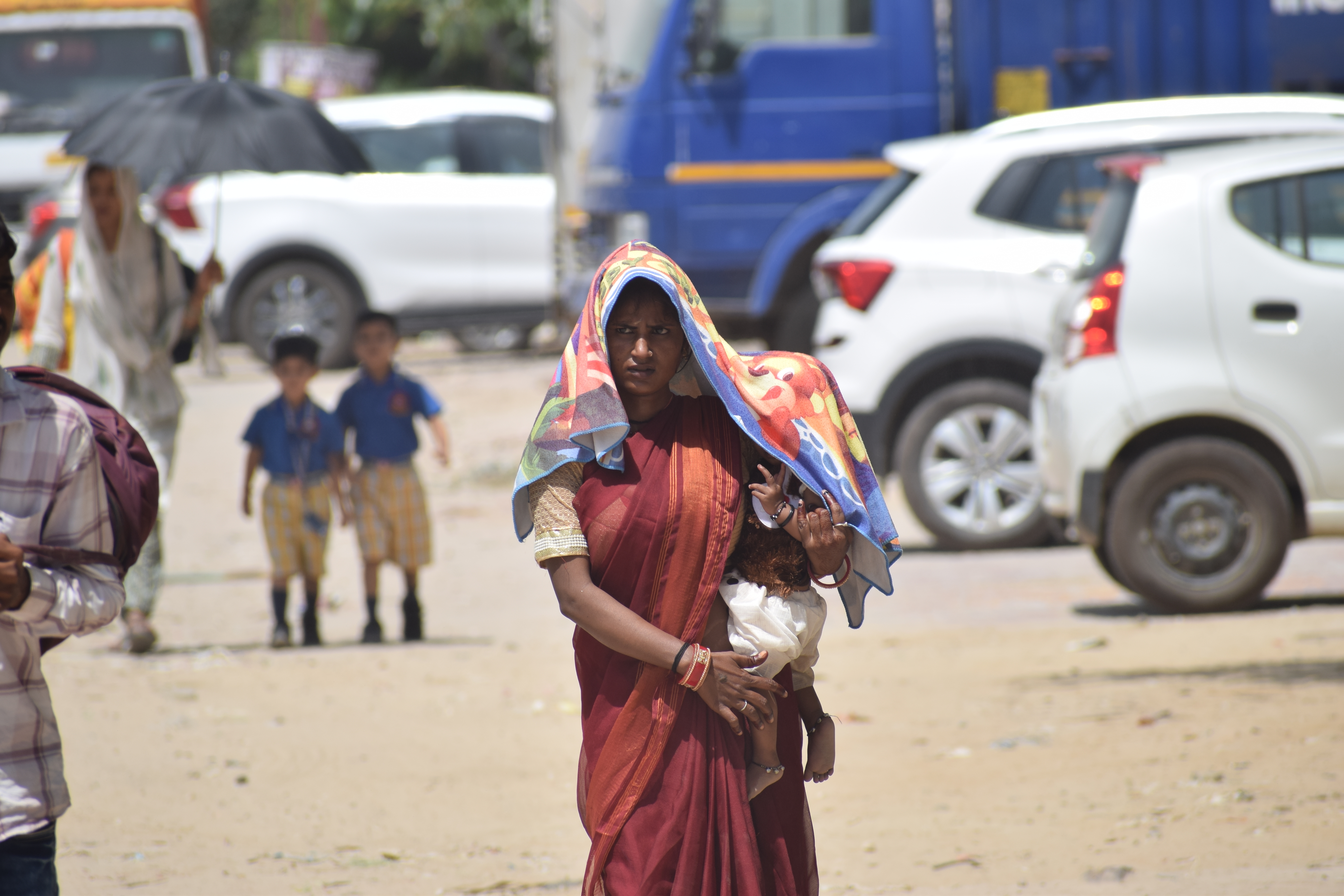
Geographically, vulnerability is hugely skewed across space. There are vulnerable neighborhoods, regions, and countries. Within any city, vulnerable populations are exposed to landslide, heat wave, and flood risks. These populations tend to cluster in densely populated areas where housing is cheaper. There is a significant geographical distribution of vulnerability that is closely linked to economic and social factors, shaping how it manifests across space and time.
Economically, vulnerability is manifest through uneven access to resources and the impact of markets. A prime example is the impact of climate change on food security; climate change impacts food production, leading to inflation and price spikes. The poorer a person is, the greater the proportion of their income they spend on basic needs, making them more exposed to these consequences.
Vulnerability to climate change is shaped by economic, social, and geographical factors, which influence how it is distributed across the world. At the same time, vulnerability exists at every scale. It is present in every neighbourhood, city, country, and region. No part of the world is immune: all places contain vulnerable populations and face the dilemma of adapting to climate change in ways that make communities safer and more equitable for everyone.