What is social change?
Social change is probably the most important topic that you can address as a social anthropologist. Imagine that human societies had not changed from their earliest times up to the present day—how would we all be living now? The success of humans as a species, and their ability to colonize the entire planet, has depended on their extraordinary ability for social change—much greater, I think, than that of any other living organism.
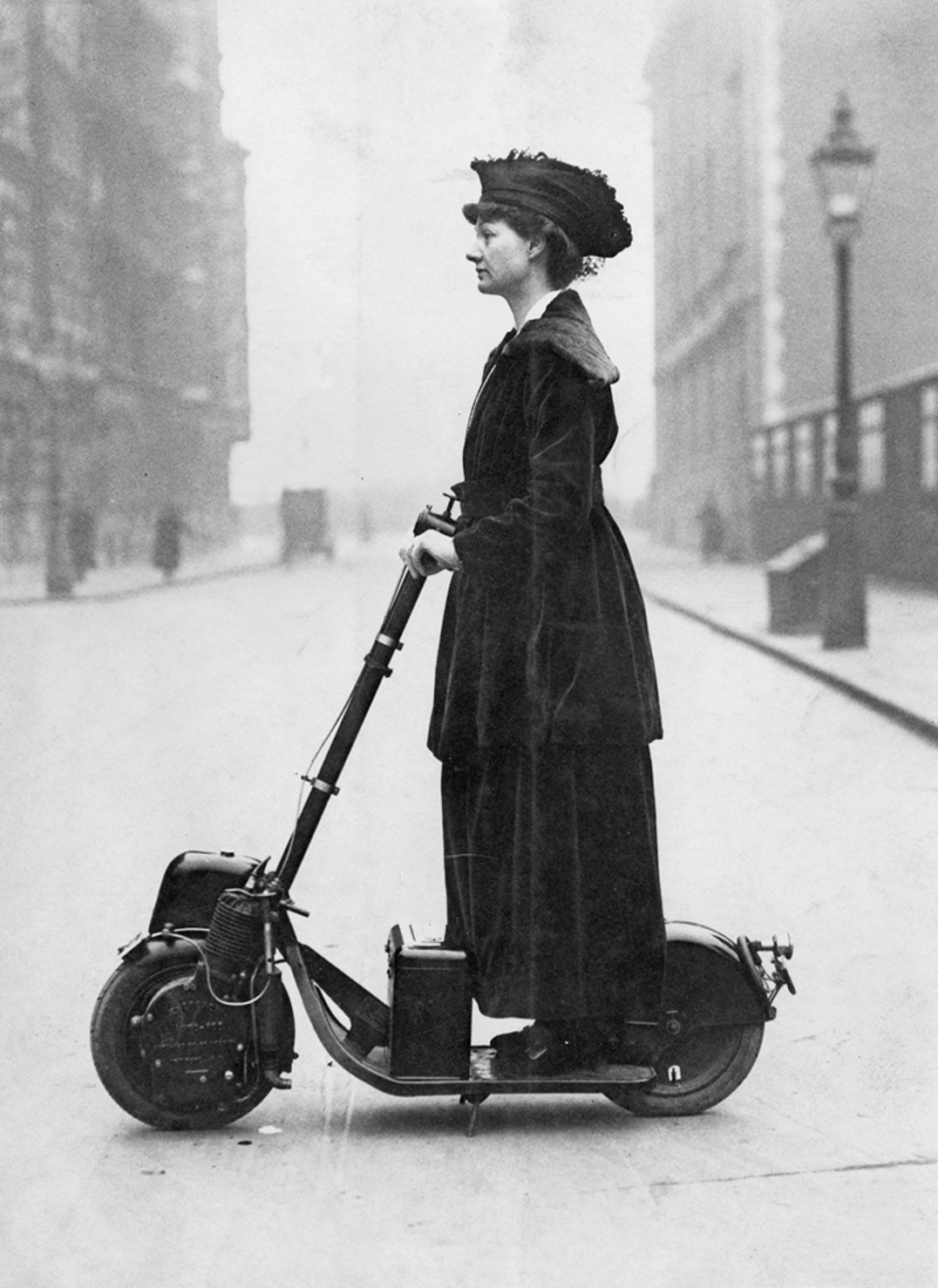
© Lady Florence Priscilla Norman on her motor-scooter in 1916. Wikimedia Commons/Unknown author/Public domain
How does social change come about? What drives it? Very often, when you ask an economist this question, they will say that social change is driven by innovation. What they usually mean is that new kinds of technology produce new kinds of products, which produce new kinds of markets. That is an important element of change. But for an anthropologist, the really important element of social change is: how can societies imagine themselves as changing?
One of the extraordinary things is that many of our languages have conditional tenses, including conditional future tenses. If you say, "If I were to go to the market on Saturday, I would...", this implies an extraordinary ability to think about an action that you have not yet carried out, and that you have not even really properly planned to do. Understanding how human societies change is really about understanding the conditional future—and asking what degree of control we have over that conditional future.
Who drives social change ?
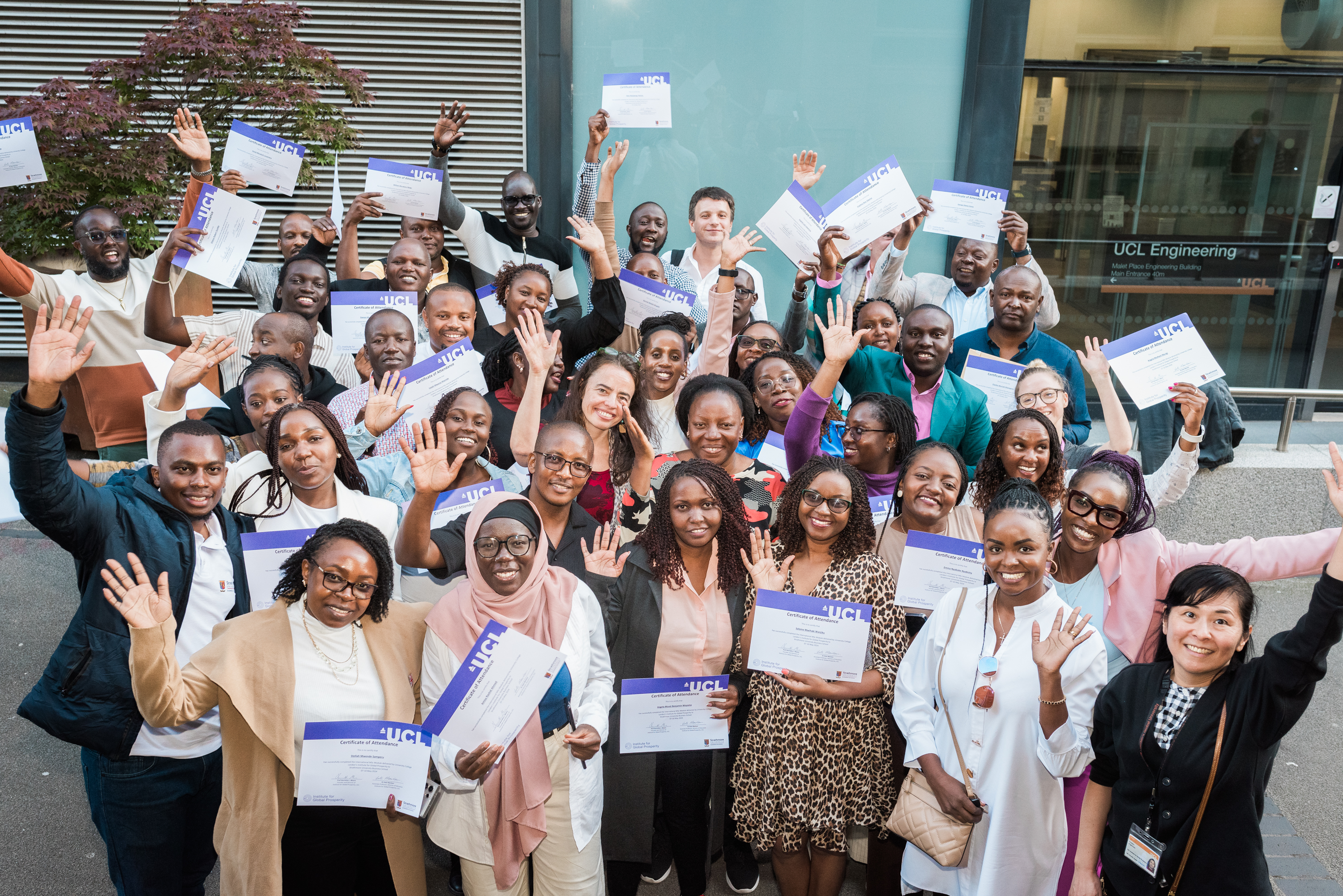
Who drives social change? Who brings it about? Is it always the elite in society, or is it social movements from below? Or is it those two things coming together? Or is it about education, or about improved health? All of those things are important. At each moment, when you look at the history of how change has occurred, you see that there have been elements of all those things working together.
© UCL, Institute for Global Prosperity
Human societies are very often characterized by groups of people within them who explicitly set out to be alternative. In the past, that might have been a priestly caste, an elite group of warriors, or a group of women healers. But all societies, including modern-day societies, have people who want to live in an alternative way—and those alternatives have always been important. If everybody in society actually just did the same as everybody else, and believed exactly the same thing, then humans would not have survived.
There are plenty of alternatives that people put forward. For example, let's not have monetary systems—let's have barter systems. Or let's live in societies run on the basis of regenerative agriculture, whatever it might be. There are many alternatives out there, but one of the things we really need at the present time is to be aware that we do not just need alternatives—we need alternative thinking about the alternatives. Quite often, alternatives are just ways of reconfiguring something so that it looks new but it's actually still within the structure of the old.
The example of marriage equality
Marriage is something that human societies have always felt quite strongly about, have legislated about, and have maintained sometimes rather invariant views on how marriage should be organized, what people should do within marriages, and what marriage is for.
When we were talking about this at the time, we were talking about advocating for gay marriage. Why did suddenly so many societies in different parts of the world decide to legislate in favor of gay marriage, when they had been very slow to legislate on equality of rights? How did this process speed up so suddenly? By the time you reach the 1980s and 1990s, societies around the world are agreeing that we should legislate in favor of same-sex unions, and then, of course, same-sex marriage.
I think the answer lies partly in the extremely dedicated work that many activists did to bring this issue into view, and also to think about marriage as a human right—the ability to form intimate relations, to have children, and to live with others in the way that you choose as a human right. That change of language was very important, and it had to happen.
But in the end, the reason why it was passed in so many legislatures was that activists realized that what they had to do was to be in favour of same-sex relationships being within marriage. That allowed people who were in favor of marriage to vote for them. That is one of the most extraordinary incidences of change. It happened very quickly, but it happened in the end because people on different sides—in fact, there weren't just two sides in this debate, there were many, different sides—were brought into alignment. There were protests, of course, against gay marriage in many of the countries that passed the legislation. But the reason why it went through is on the grounds of the importance of marriage itself. That's what carried the day, not in fact, the importance of same sex relationships. It was the activists who realized that and pushed it that got it through.
Cars in our lives
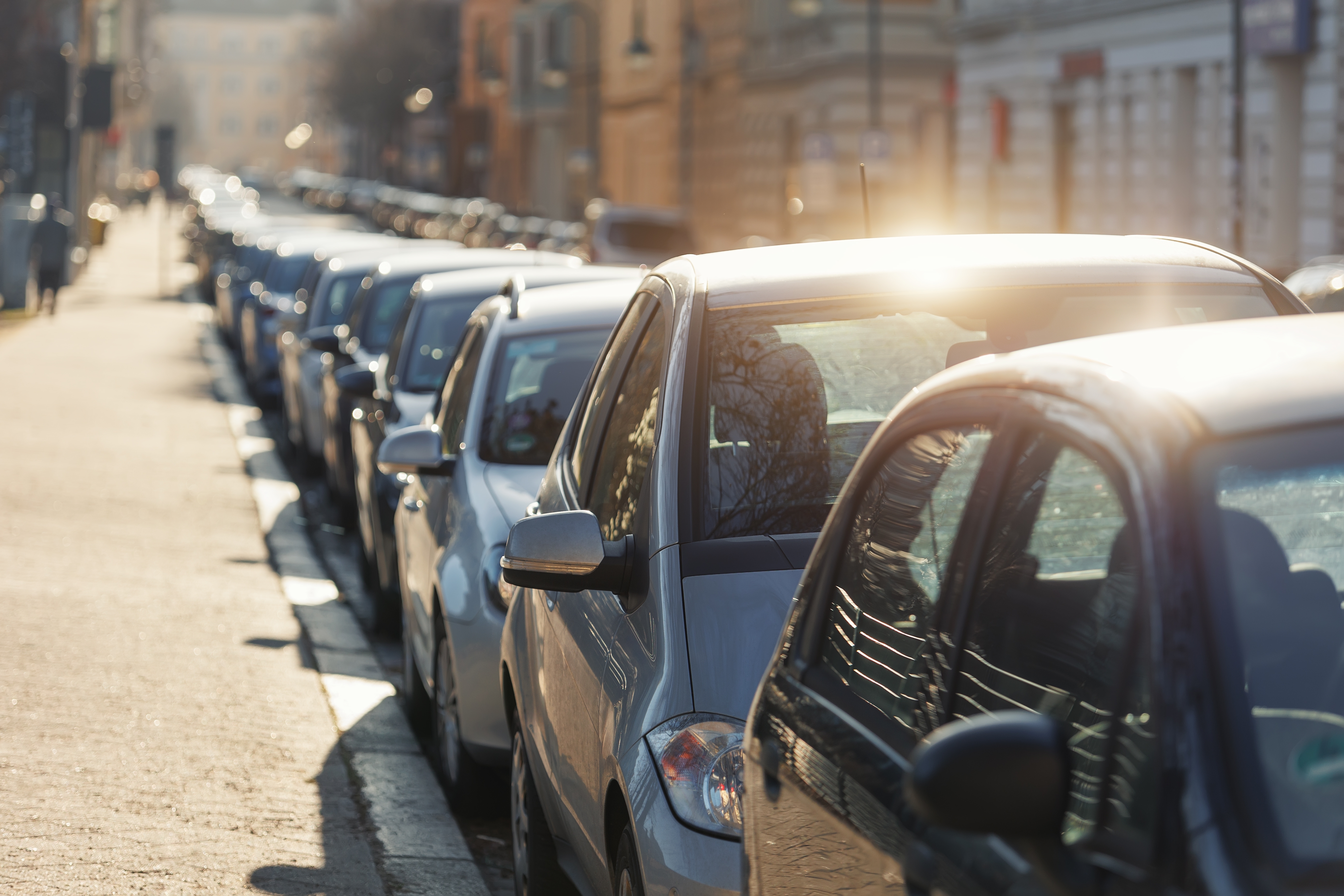
Cars are enormously important because they are ubiquitous. They are everywhere. One of the extraordinary things about cars is that we, as humans, tend to imagine the car as constantly in motion, whereas all the research shows that cars are stationary for 96% of the time.
© Shutterstock
We have all these large, stationary metal objects in our lives, which we think symbolize freedom, mobility, and change. So how did that happen? It is an extraordinary thing. It is the kind of question that only a social anthropologist would ask, really: how did we come to imagine this world of movement when we are actually in stasis?
Worse than that, cars represent the kind of stasis we are in when it comes to the question of climate change. We are not moving on climate nearly as fast as we need to. We cannot agree with each other. Some of us do not even believe that climate change is happening. The question is: why is it that we cannot bring about the changes that we need to bring about? This goes back to my interest in social change over many decades: what does it take to bring about change?
The overall impact of cars
The issue here is not just questions of congestion and pollution and the impacts on health, and so on, but also the overall impact of cars on the environment, and the way in which the further development of the car industry—through hybrids and electric cars, which are a good thing—will not be sufficient to give us back control over our streets, our cities, and the kinds of green spaces we like.
Car ownership in the United States is roughly 94%. Car ownership in India is roughly 10% of the population. Car ownership in Africa is around 4%. All of the major cities of Africa and Asia are already clogged with cars. It is almost impossible to move. In fact, in Nigeria, the best thing to do is to do your shopping while you are sitting in a traffic jam on your way to work.
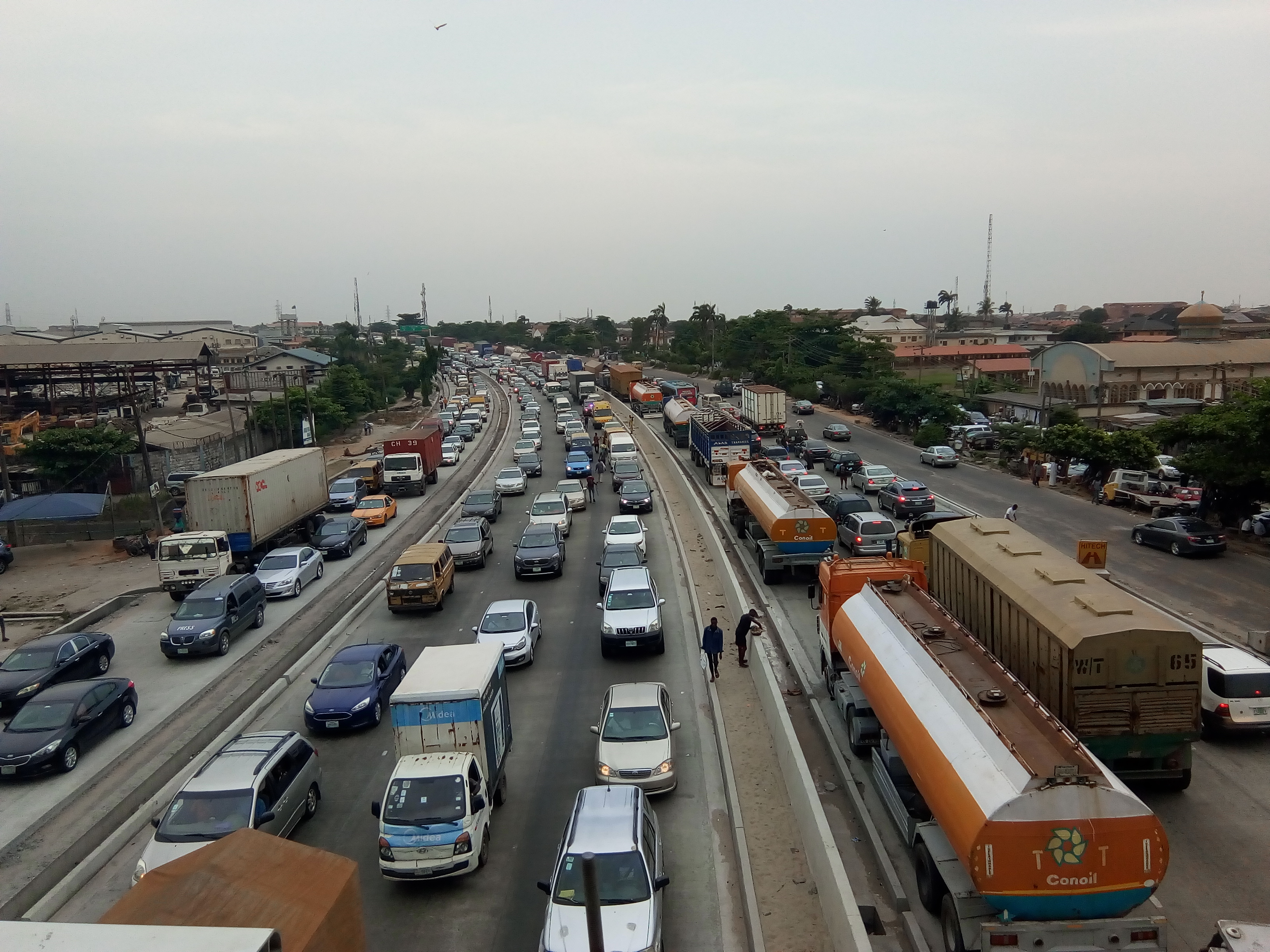
Lagos traffic, © Wikimedia
Now, in those situations, if all of those countries moved—even with green hybrid technologies—to owning cars at the same level as the United States, we would never be able to move anywhere on the planet. We would quite literally be stuck. People in many cities around the world have begun to recognize that this is really a problem. They have started to realize that one of the difficulties is how to understand the role of the car in their lives—which is a very big social anthropological question.
Once communities start thinking about these issues—about pollution and its effects on health, especially children's health—they start banding together to make changes at the local level. They begin controlling cars, controlling the parking of cars, controlling the movement of cars through certain areas, and arguing for bicycle lanes and other forms of transport innovation, getting cars out of the city, and improving public transport.
Livable streets
Movements by citizens really do have the capacity for change. We often imagine, for example, that the Netherlands is a cycling haven, that all people who live in the Netherlands are crazy about bicycles and are all on bicycles. That may be true today, but it certainly was not true in the 20th century. The Dutch became interested in the move to bicycles precisely because the number of children killed by cars on their streets had risen to unacceptable levels.
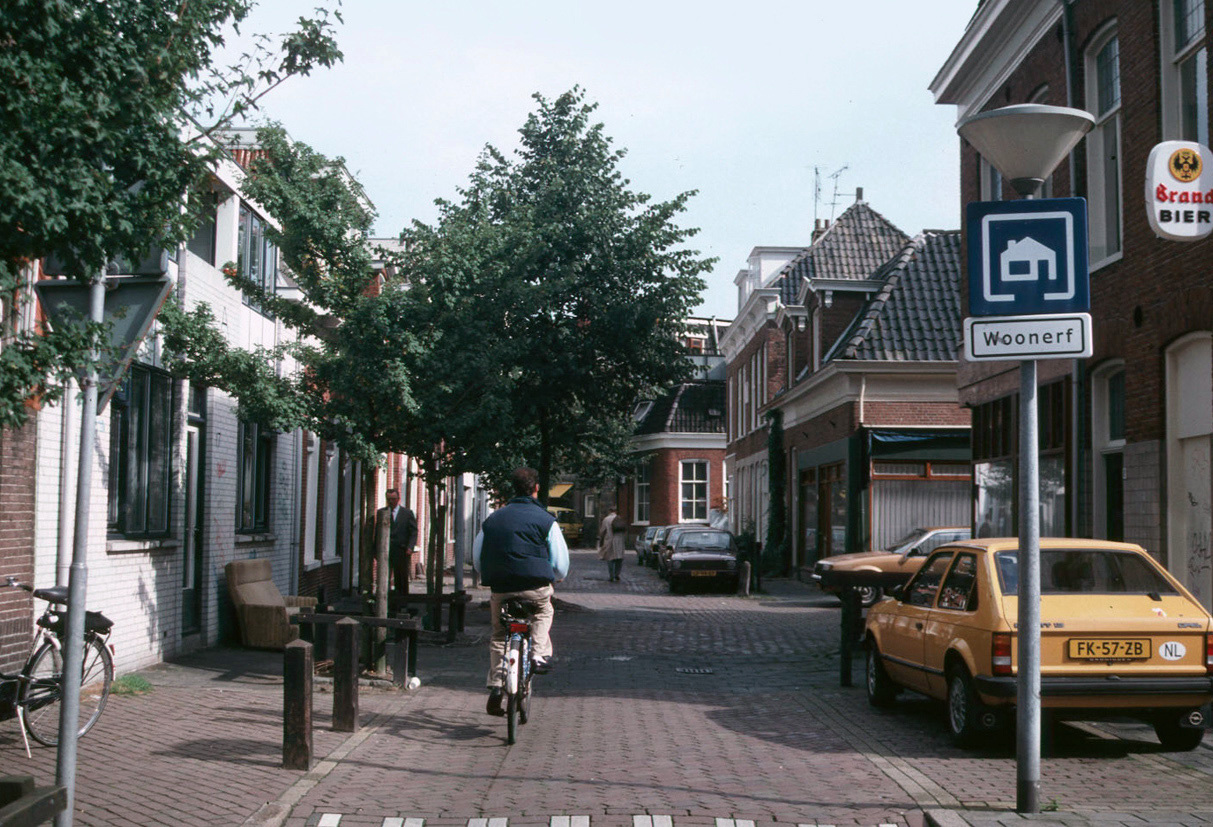
An old Dutch street turned into a woonerf, © Wikipedia
What was interesting here was, first of all, that communities got together to recognize this and to do something about it, but also, much more importantly, that they were able to come to an agreement. Once they got together around the idea that it is not a good idea to kill children, they began to find ways to agree on moving cars off their streets and controlling their speed. And that is what made a difference. So it is about how we can come together over these issues, even if we disagree about certain sets of evidence or certain kinds of values.
Are there overarching ideas that can really bring us together to push change forward? That is the important question: how do we get societies to do that The good news is that when you bring citizens into discussions about change—whether on climate, green energy transition, social care, or what should be done about the health service—people do have ideas about how they want to see things change. They do want to work with others. But we are not actually developing the kinds of political and social institutions that would allow us to take those ideas forward. In fact, what we are mostly doing is discouraging people from coming together by constantly telling them that they are divided on these issues.
More can be done by working at the local level, with people and local authorities who are already doing this effectively right across the world—whether in Africa, Asia, or Latin America. Those are the societies that are beginning to see success.
Diversity drives change
What we have to understand with social change is that when societies change, they change because many different groups in society are willing to have a particular kind of change. But they can have quite diverse reasons for wanting to support that change.
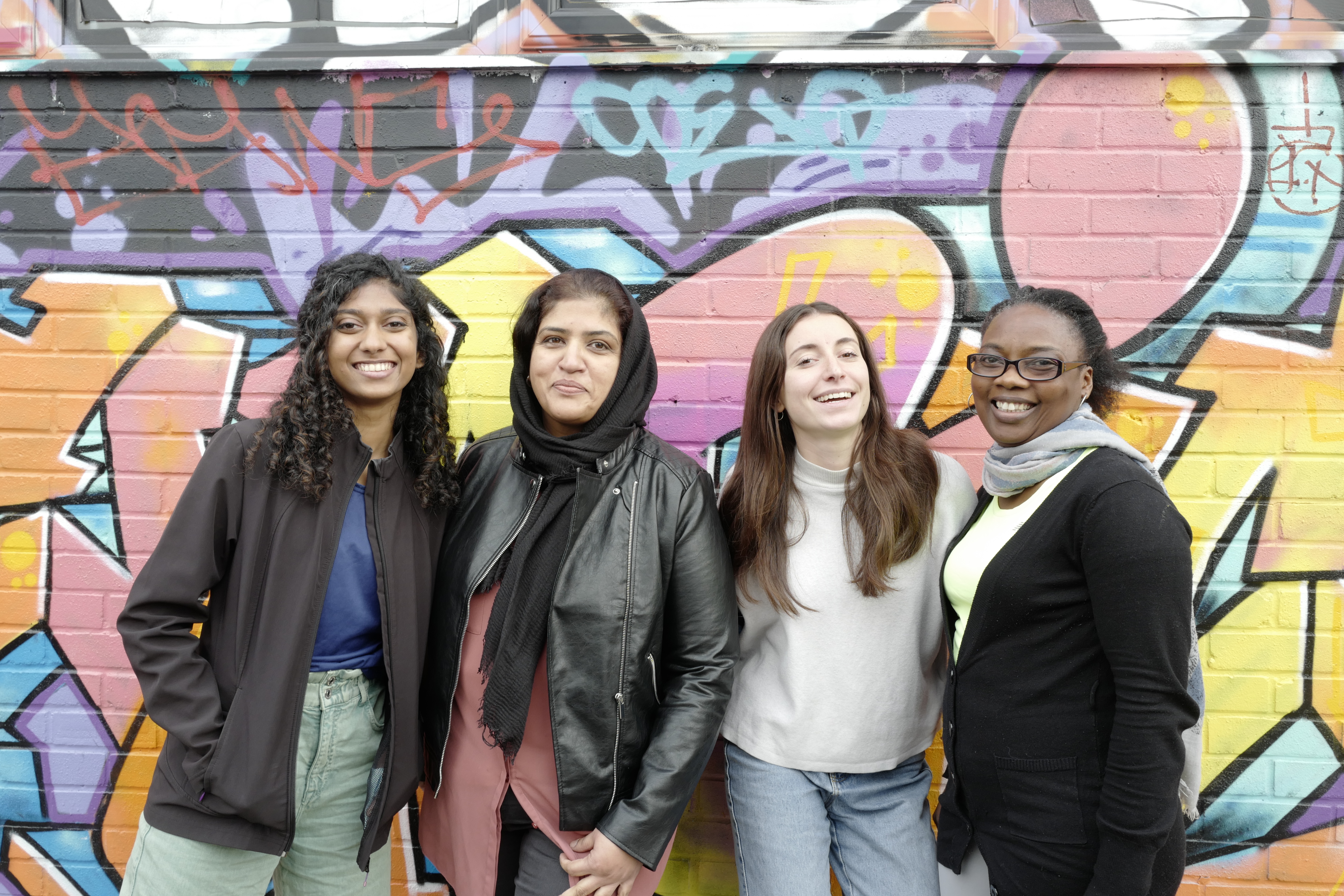
In order to have change, we do not need everybody to be entirely aligned with each other. We do not need total agreement. Human societies are not good at total agreement. They are quite good at understanding that things are important, and that there are important differences between people.
© UCL, Institute for Global Prosperity
What it does mean is that people, in their diversity, can come together to drive something that has benefits for all—even if those benefits are slightly different in each case, or for each group of people.
The important thing is to think about how diversity drives change, rather than how unanimity drives change.
Editor’s note: This article has been faithfully transcribed from the original interview filmed with the author, and carefully edited and proofread. Edit date: 2026
Discover more about
Social change
Moore, H.L and Kay, A, (2025), Roadkill: Unveiling the True Cost of our Toxic Relationship with Cars. Wiley.
Abrams, D, Moore, H.L, Digby, J, and Wright, A, (2025), The importance of social investment for UK economic strategy – British Academy Policy Programme on Economic Strategy: Sustainability and Social Value Working Group. The British Academy.
Moore, H.L, (2011), Still Life: Hopes, Desires and Satisfactions. Polity.
Moore, H.L, (1994), A passion for difference: Essays in anthropology and gender. Indiana University Press.