The second is actually interesting. It's that when you look at our species, we humans have been actually uniquely endowed to take care of kids, both men and women. Why? Well, there's a beautiful, long evolutionary story behind that. It's the story of our large brain. We have massive brains. These brains explain that we need to essentially get out of the womb early. But then they need to mature out of the womb, and that takes a lot of energy. A woman alone cannot take care of that incredible level of energy. And that's why very early in our species, and that's unique among all the primates, we share food. We share food, and we give food to babies. That's an absolutely unique way because very early on that has created an environment in which both men and women had to be extremely receptive to infant stimuli. In return, that has made kids incredibly receptive as well to all the people around them, to make sure that they could essentially get food from everyone around them. We are a uniquely equipped set of humans where both men and women are able to take care of kids and can be equally good at it.
A new model of gender equality
Professor of Economics
Gender specialization within the household is not an inevitable result of economic incentives or biological imperatives. By looking at human history and anthropology, we find that our current models of parenting are unique historical developments. Understanding that our beliefs and social norms are malleable allows us to use public policy to imagine and build a more equal world.
- Traditional economic models cannot explain household specialization; the "child penalty" remains identical even in couples where the woman is the primary breadwinner.
- Biology does not predetermine gender roles; human success is rooted in food sharing and intense receptivity to infant stimuli, making both men and women uniquely equipped to care for infants.
- The "stay-at-home mom" model is a relatively recent historical shift driven by urbanization and the separation of home and workplace, but this model is now cracking under modern economic pressures.
- Public policies, such as parental leave, are effective tools because they not only reallocate domestic tasks but also actively shift the beliefs and stereotypes couples hold about gender roles.
- Social norms are highly malleable; for example, the fraction of the population disagreeing with mothers working has dropped from 90% to less than 35% in less than half a century.
- A fruitful dialogue between economics and anthropology allows us to model how preferences are formed and changed, helping us navigate the constraints of building a fairer society.
Gender specialization

The first question that we might ask ourselves is, is the specialization that we see in the household—the fact that the women reduced the time that they spend in the labor market or reduce their investment in their careers—is it just like a rational thing to do? Is it just some specialization that is beneficial for the household broadly speaking? The problem with that line of reasoning is that if it were the case, then we should see a reverse specialization in couples where, to the contrary, it's the woman who has the high-flying career, it's the woman who commands a very high relative wage relative to her partner. And the problem is, when you look at these couples, you see the exact same gender specialization that you see in the couples where the woman has lower earnings or lower career profile than her partner. So what that tells us is that it's very hard to explain through traditional economic incentives and through traditional models of gender specialization the change in the allocation of tasks that we see between men and women at the moment kids arrive.
© Shutterstock
A beautiful evolutionary story
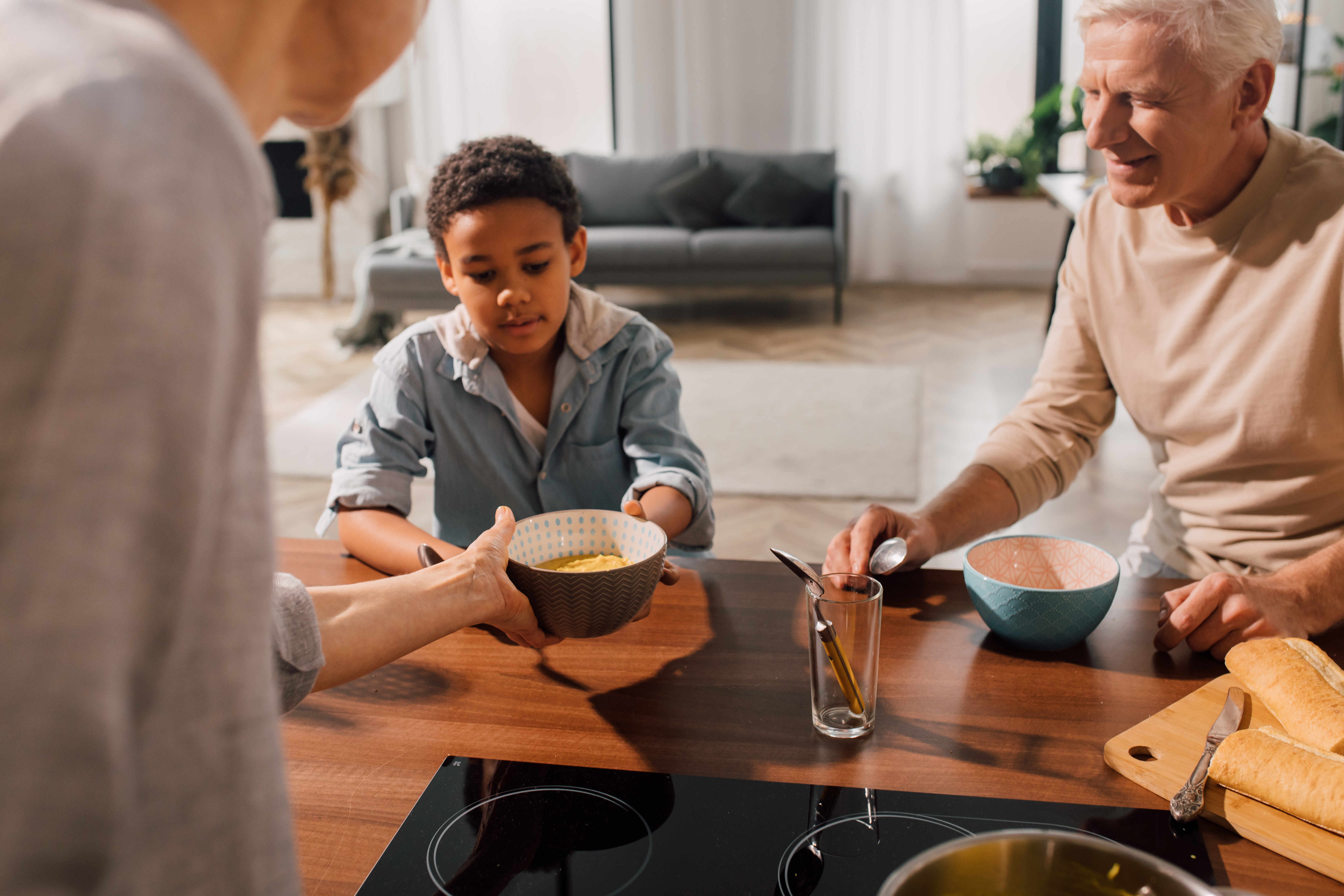
Clearly one might say, well, it's not economic incentives, but women are different than men. They might have different biology or different hormonal development that explains basically why they are more prone to taking care of kids, to spending time investing in their offspring. Problem with this? I'd say it's twofold. The first is that a lot of the cost in terms of time use of this gender specialization is on tasks that we have a hard time seeing any form of biological comparative advantage in—think cooking, think taking some time to drive the kids to soccer, taking some time to get the kids at school. We don't see why women and men would be innately differentially endowed for these different types of tasks.
© Shutterstock
Parental arrangements
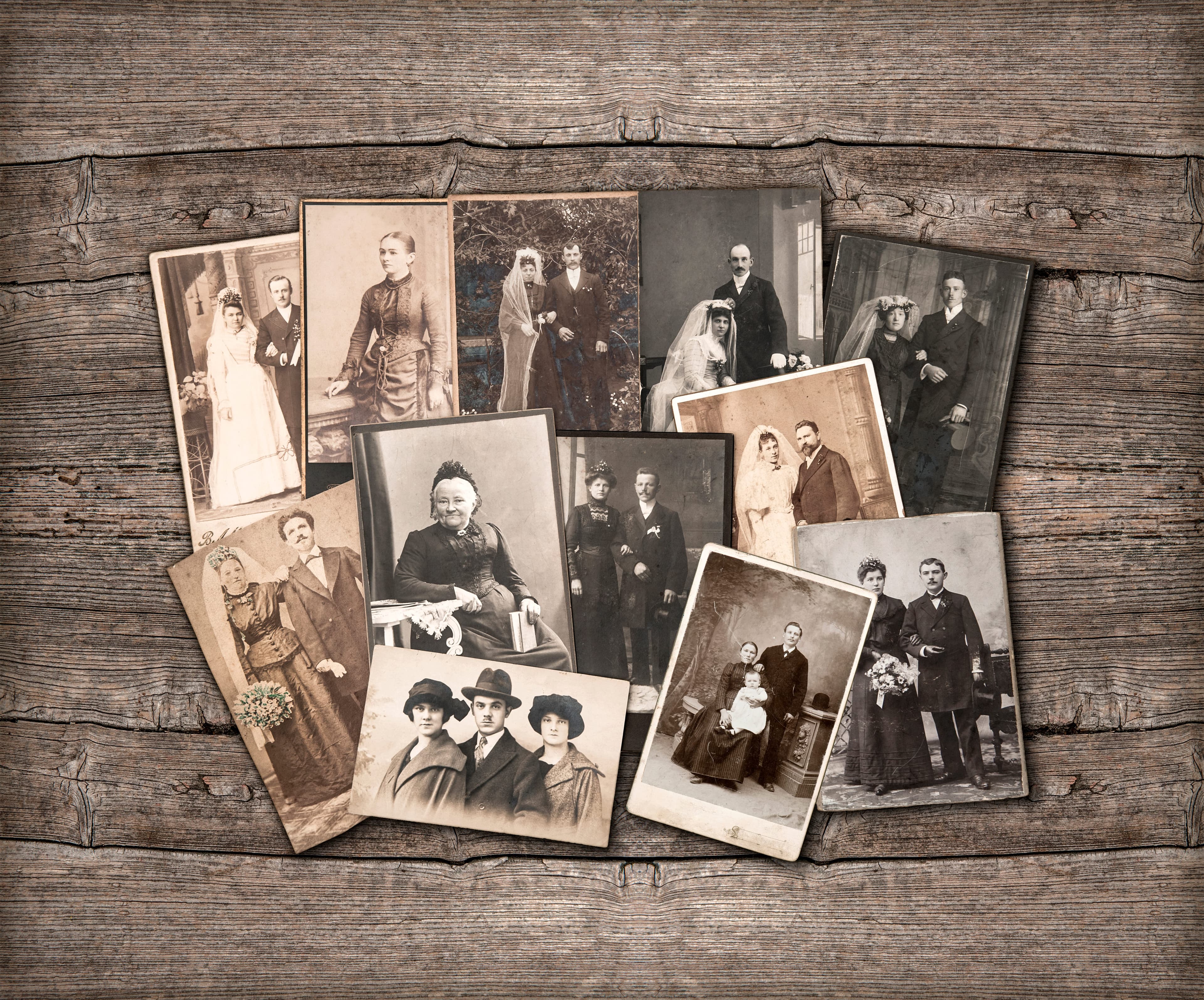
The interesting story of our biology is that it is not predetermining us in a specific parental arrangement. And actually, when you look at anthropology, when you look at history, you see a great variety of arrangements of the way we take care of babies. If you look at hunter-gatherers, you see that the role of alloparents—any other person than the mother—is extremely involved in taking care of kids. When you look at our societies, you see something drastically different. You see that the role of alloparents in taking care of kids has drastically shrunk. And on top of that, within the household, it's mostly women who are investing into taking care of kids.

© Wikimedia
What has happened? The society moves away from agriculture, it becomes more urban, it becomes more formalized. Then you see that it's mostly men who benefit from the new high-paying salaried jobs that are being created. At the same time, you have more investment into education and a fertility transition. You have less children, but you invest more in them. Because you need to invest more time in them, the overall amount of time in childcare increases. But because now you have a separation between the home and where you work, you become more urban, then you need essentially to spend more time at home in order to invest into your children. This is really a moment of history where the economic forces create this strong tension towards having more specialization and a model of stay-at-home mom. The problem is, today history tells us that this model is cracking from everywhere. It becomes impossible to sustain long-term growth with half of the population not participating in the labor force. Therefore, we've seen an increase in the labor force participation of women. And that makes it impossible now to continue to have such an unequal allocation of tasks within the household.
A more equal model
If we want to think about a model that works for everyone and that is more equal, do we need for it to come naturally out of the invisible hand of the market, or can public policies help? My hunch is the following: if we look at what's been happening over the past 20 years, it seems like we've reached a plateau. The child penalty is not bulging much, and there is no obvious force that tells us that this equilibrium is going to suddenly give way. Then that means maybe public policies can. Public policies can help reallocate tasks and time and affect the gender specialization itself through parental leave policies and access to child care. Second, public policies can change stereotypes, beliefs, and norms. It is possible that policies that essentially change the allocation of time also help changing the beliefs that couples form about who's good at taking care of kids.

© Shutterstock
Where do beliefs come from
Every policy is potentially normative. Remember during the Covid crisis, we got adverts that were telling us, stay home, save the NHS. Do you remember what was on those posters? We had a man who was playing with a kid or doing some work, and you had a woman who was actually hoovering the living room with her kids around or preparing some food. Public policies sometimes send very strong signals about underlying norms in society, reinforcing them. It can actually also change norms. Traditionally, policies that try to change the way people form beliefs are looked at with a bit of reluctance by economists who essentially find them paternalistic. At the same time, one needs to recognize that preferences and beliefs are often malleable. They are being formed. Understanding the formation of these beliefs is absolutely critical to understand to what extent they should be cherished or if we should think carefully about why they come to be in place.

© HM Government
Changing norms
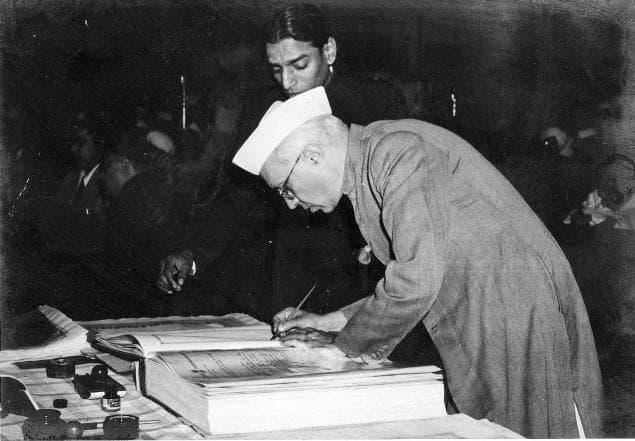
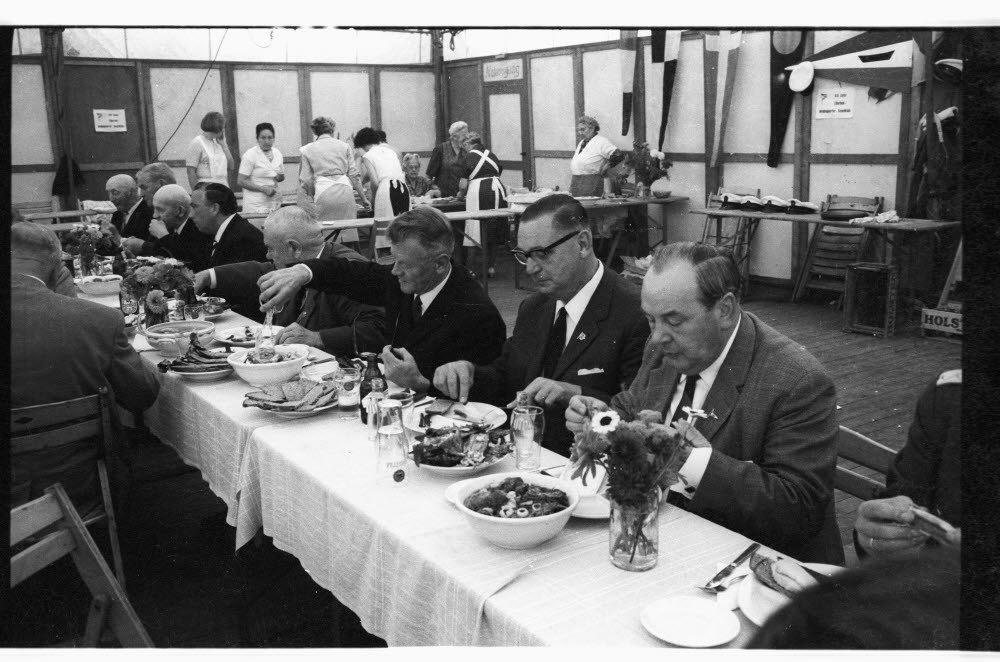
When it comes to our own norms around what men and women should do, what's really striking is just how malleable they are, how much they change over time. Think about the fraction of people saying that a woman should not work when she has a kid. It's gone from basically 90% disagreeing to now less than 35% in less than half a century. So the way we think about what's acceptable, what the role of a man or a woman should be, is actually much more malleable than we think. Therefore, what we need to think carefully about is where beliefs come from, how they are formed, and what would be the best way to address them. Showing people that some beliefs are okay, while others are actually biased, showing them basically that their beliefs are formed based on what other people think, all of this is really important to have a much more transparent debate around gender inequality.
© Wikimedia
What is a good economist?
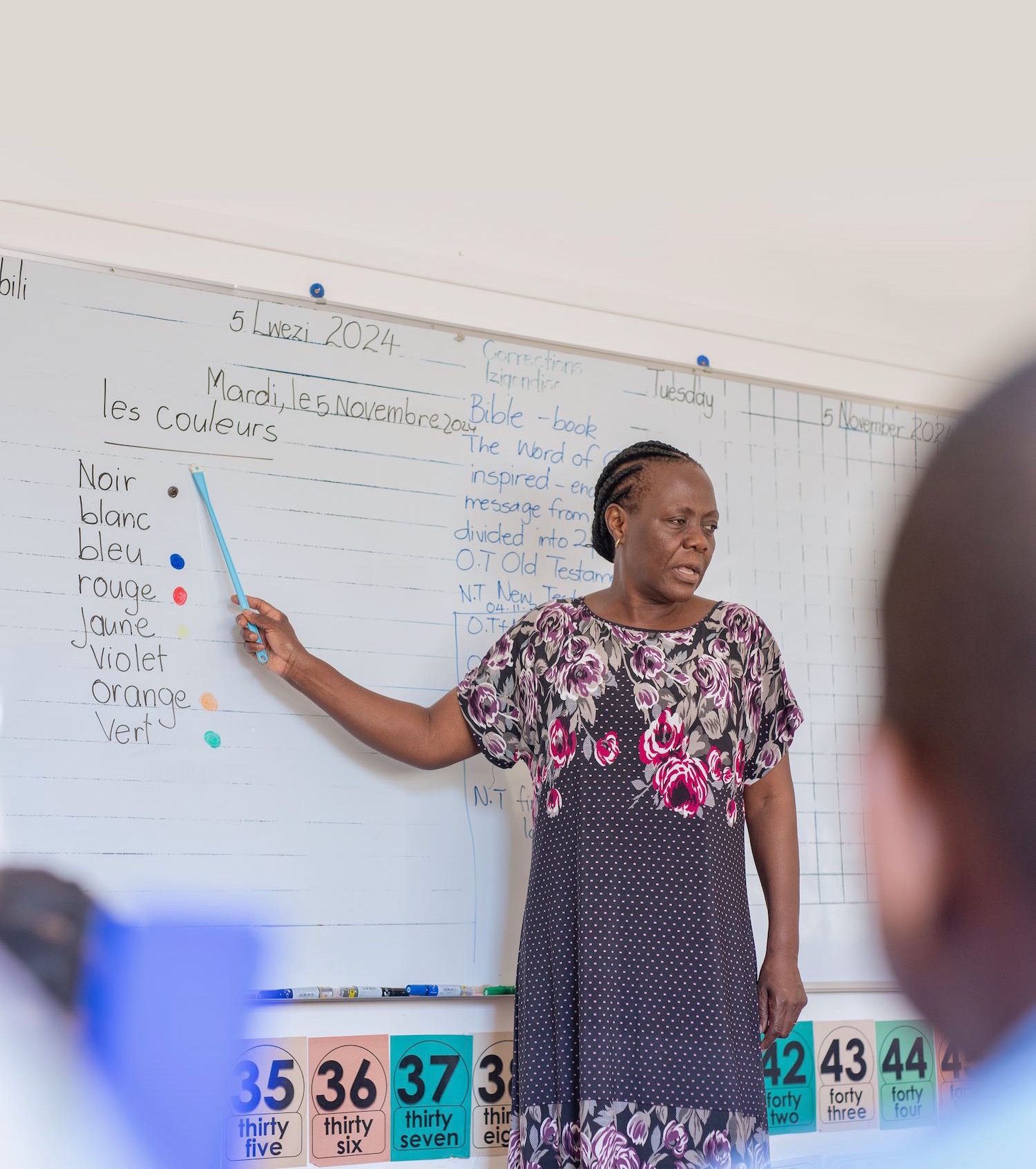
When we want to address such important issues of gender inequality, economics is extremely useful, but it's only one part of the puzzle. Economics is very good at data analysis and modeling. That's useful because it is a nice way to try to think about what can explain behavior and to try to predict what a different world would look like. But at the same time, if we don't pay attention to history and anthropology when it comes to these questions, we don't go very far. Anthropology and sociology tell us that if you want to understand the behavior of men and women, especially when kids arrive, you need to understand why they form particular beliefs about their roles, why they form particular beliefs about what a mother or father should be. There is a very fruitful dialogue to be had here, because economics can definitely understand that beliefs are not fixed, that they are formed, that they evolve. We can enrich our economics model with bits that contain this notion of preferences changing and being formed; that helps us imagine different worlds and understand basically what are the constraints that we're facing if we want to change the world that we're in.
© Wikimedia
Editor’s note: This article has been faithfully transcribed from the original interview filmed with the author, and carefully edited and proofread. Edit date: 2026
Discover more about
A new model of gender equality
Landais, C., Lundborg, P., Pazem, T., Plug, E. and Vikstrom, J. (2026), Gender Without Children. American Economic Association, Paper Session.
Kleven, H., Landais, C., Lassen, A.S., Rosenbaum, P., Steingrimsdottir, H. and Søgaard, J. (2026), Expanding Paternity Leave: Effects on Beliefs, Norms & Gender Gaps. NBER Working Paper #34862.
Kleven, H., Landais, C., Posch, J., Steinhauer, A. and Zweimuller, J. (2024), Do Family Policies Reduce Gender Inequality? Evidence from 60 Years of Policy Experimentation. American Economic Journal: Economic Policy, vol. 16, no. 2, May 2024, pp. 110-49.
Kleven, H., Landais, C. and Sogaard, J. (2021), Does Biology Drive Child Penalties? Evidence from Biological and Adoptive Families. American Economic Review: Insights, 3, 183-198.