


With the Islamic Revolution of Iran in 1979, the place of opium changed dramatically. This doesn't mean that the Pahlavi monarchy had a quite lenient approach. Opium trafficking, drug trafficking was met with the death sentence. But the Islamic Republic adopts it as a symbol of the ancien régime of the Shah. And many of the executions and persecutions of people in the 1980s happened because of drug charges.
Drugs, Society and the State in Iran
Drugs offer a unique way of understanding a society. Through the story of opium, addiction, and drug policy, discover how drugs became a window onto modern Iran—revealing unexpected connections between politics, culture, public health, and everyday experience.
Associate Professor of Social Sciences
11 Jul 2026
Citation-ready summary
Drugs offer a unique way of understanding a society. Through the story of opium, addiction, and drug policy, discover how drugs became a window onto modern Iran—revealing unexpected connections between politics, culture, public health, and everyday experience.
Author: Maziyar Ghiabi
Last updated: 11 Jul 2026
Key Points
- Opium was once a normal part of Iranian social life and, before 1979, was legally distributed through pharmacies to registered users.
- The Islamic Revolution turned drugs into a political issue associated with moral disorder, ideological deviance, and national security, making drug policy a tool for shaping citizenship and social values.
- Globalisation reshaped Iranian drug culture with new patterns of drug consumption, including heroin, methamphetamine, and pharmaceuticals.
- Iran pioneered unexpected harm-reduction policies introducing innovative measures such as needle exchanges, prison treatment programmes, and opioid-substitution therapies to reduce the harms of drug use.
- Research among drug users in Tehran reveals communities of mutual aid and resilience, while many of their greatest challenges stem from poverty, exclusion, and prohibition.
Drugs and public policy
Drugs are often seen as a site of disorder, as a site of illegality, criminality, and public violence. And that's only part of the story. If you look at the long history of drugs and also at the contemporary ways in which people interact with illicit substances, particularly in contexts in which prohibition remains a very strong element of public policy, we realize that it's a very good way to understand the way state and public policy changes throughout time.
© Wikimedia
The place of drugs in Iranian society
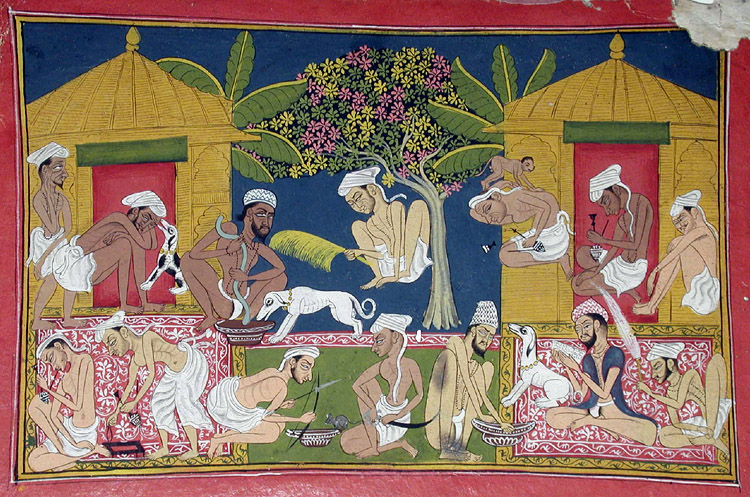
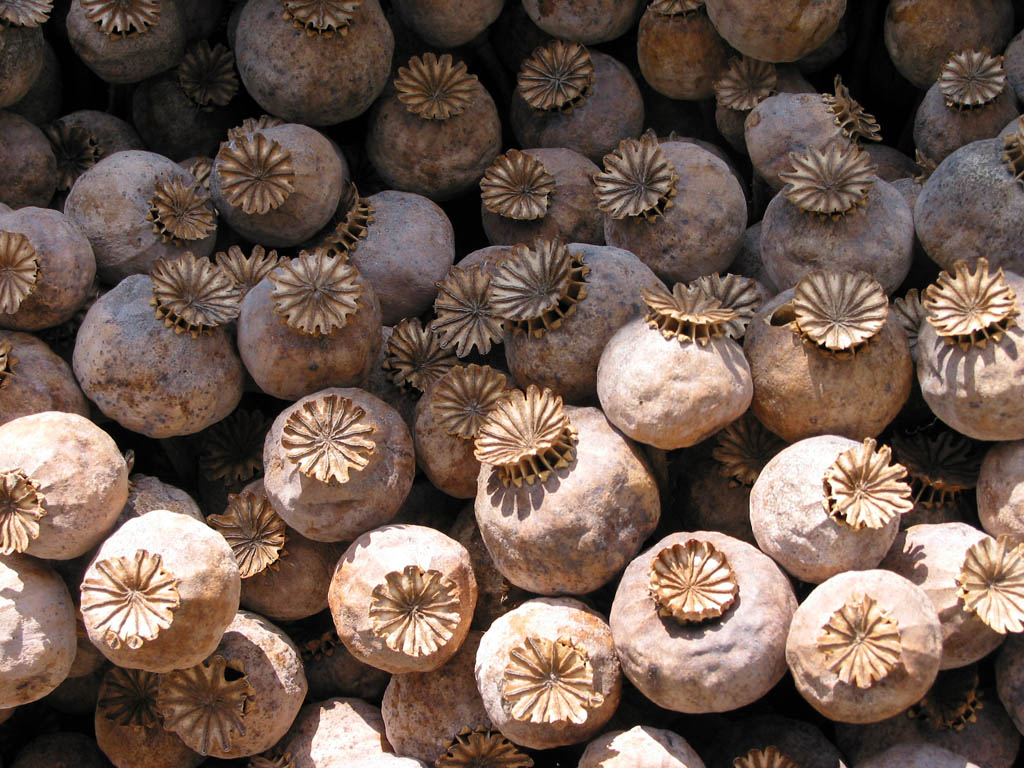
The place of drugs in Iranian society has a long-standing traditional cultural importance. It is quite well known that opium has had a social and cultural place within Iranian life starting from the mid-19th century onwards. Opium was traditionally smoked at weddings, at gatherings, and even during a short period of time from 1969 to 1979, the year of the revolution, opium was legalized and distributed through pharmacies to all registered users. So in a way, it became a relatively acceptable product.
© Wikimedia
Drugs become associated with political infidelity, if you can call it as such, or ideological unruliness, and a national threat. Very famously, the Ayatollah, the first supreme leader of the Islamic Republic, Ayatollah Ruhollah Khomeini, said that after the Iran-Iraq war, the main public concern is that of drugs. So drugs really represent in Iranian history, both before and after the revolution, quite an important site of policy experimentation and also of ethical negotiations between what is the state and what kind of idea of citizenship that state wants to promote.
Globalization and drug consumption
Globalization has played an important role in consumer culture. That means that drug consumption has shifted through waves of cultural influence that have to do with globalization. This goes back very much both in history and in the present. Heroin became a popular substance in Iran in the 1960s and 70s at the same time when it was becoming popular in the United States and Europe through the connections of people who traveled back from the US or who would find interesting references in popular culture to these drugs.
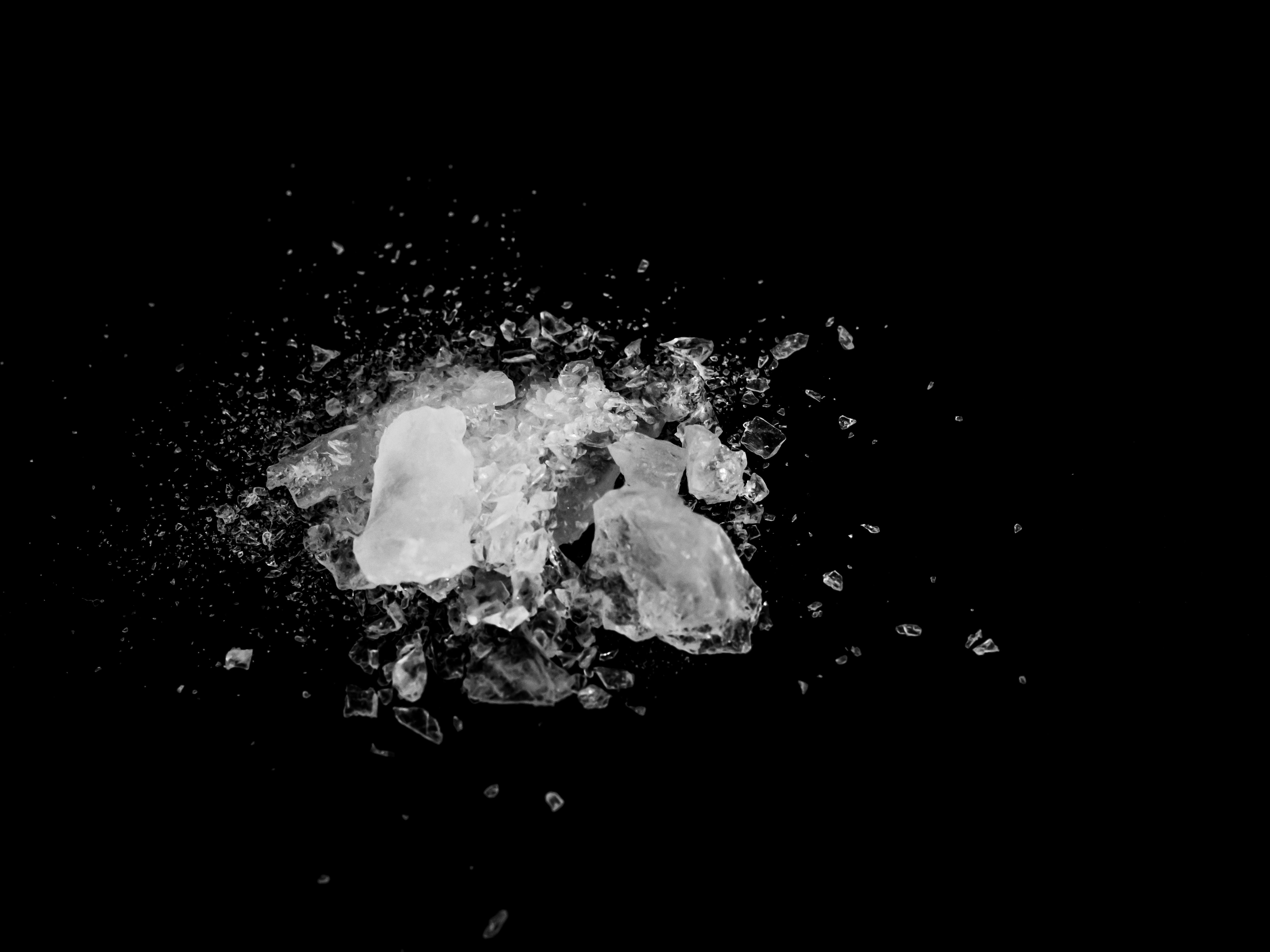
The same type of event happened in the 2000s, when new substances, including methamphetamine and crack, became widely available in Iran. The availability of these substances goes hand in hand with increasing mobility among people. Many of the Iranians who familiarized themselves with crystal meth, for instance, had traveled to Southeast Asia, to Thailand in particular; and Iran being a country of chemists and scientists, it didn't take them long to learn the recipe and then bring it back to Iran.
© Shutterstock
With widespread unemployment, many students with knowledge of scientific practices such as chemistry have often found easy revenue in producing high-quality meth. Methamphetamine became, from the mid-2000s up to the present, one of the most popular substances in Iran, which, if you look at our general perception of the Orient or of Iran and Central Asia in particular, as places where mostly opium and heroin are consumed, is quite surprising.
Meth today represents a very key component of public culture, both in terms of the fear of drugs, but also in the way drugs play in that game, which is capitalism and productivity. Methamphetamines in particular increase mobility, increase alertness, increase the desire for sexual pleasure — all elements that by the mid-2000s and indeed following that in the 2010s become key elements of what a good life should look like.
Pharmaceutical drugs

Shifts in illicit drug consumption, such as methamphetamine and heroin, go hand in hand with the increasing use of prescription pharmaceutical drugs. Iran is, or used to be, at least up to recent statistics, one of the countries with the highest level of self-prescription of antidepressants. Part of this is due to the very difficult socioeconomic situations in which Iranians have lived through over the past decades. And part of it has to do with the easiness and familiarity with which Iranians use chemical compositions and substances. Self-prescription is widespread, and the availability of antidepressants, as described in a beautiful book by Behrouz Boochani called Prozac Diaries, is the rule. Pharmaceuticals are just the other side of the coin of illicit drugs. The line between what is legal and what is illegal is very blurred when it comes to this.
© Shutterstock
Ethnographic work in public parks
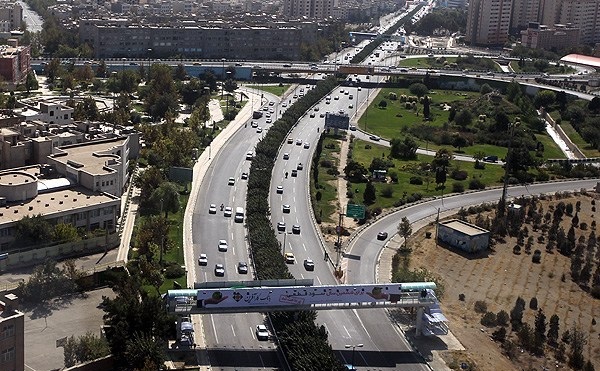
When I first suggested the idea of going to do ethnographic work in public parks where a large number of drug users or so-called addicts lived, the Oxford Department of Politics and International Relations just laughed and said, you know, you are absolutely crazy. But then I managed to get through that step. And the reason why I found that as an absolutely foundational step in my research is that to understand drug phenomena and to understand the place of drugs in modern societies, in Iran as elsewhere, it is absolutely fundamental to start from those who first experience that.
© Wikimedia
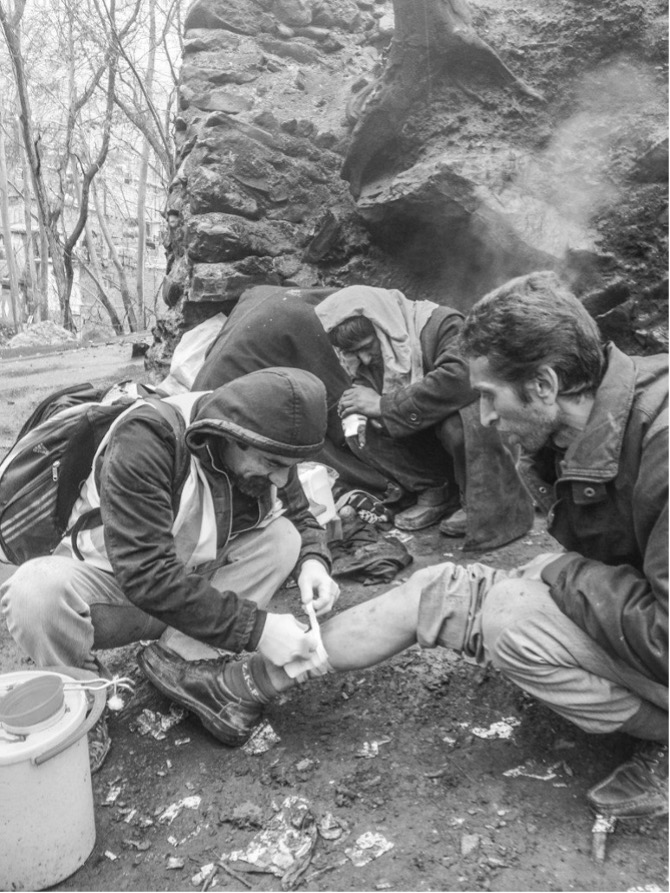
Being embedded in a community, a large number of people that live in this southern part of Tehran, at the crossroad of various boulevards, exposed me to a number of truths that otherwise would never be seen. The way, for instance, drug users, who often were homeless, had communities of self-help and mutual aid — something that we often think impossible when we look at the sort of individualistic, predatory idea of a drug user or so-called addict. But also the kind of cultural world of addiction, which is not only about procuring substances for one's chronic habit, but also reciting poetry, drawing, and jokes — all of these were kind of key elements to the life of drug users there.
Drugs and State Power
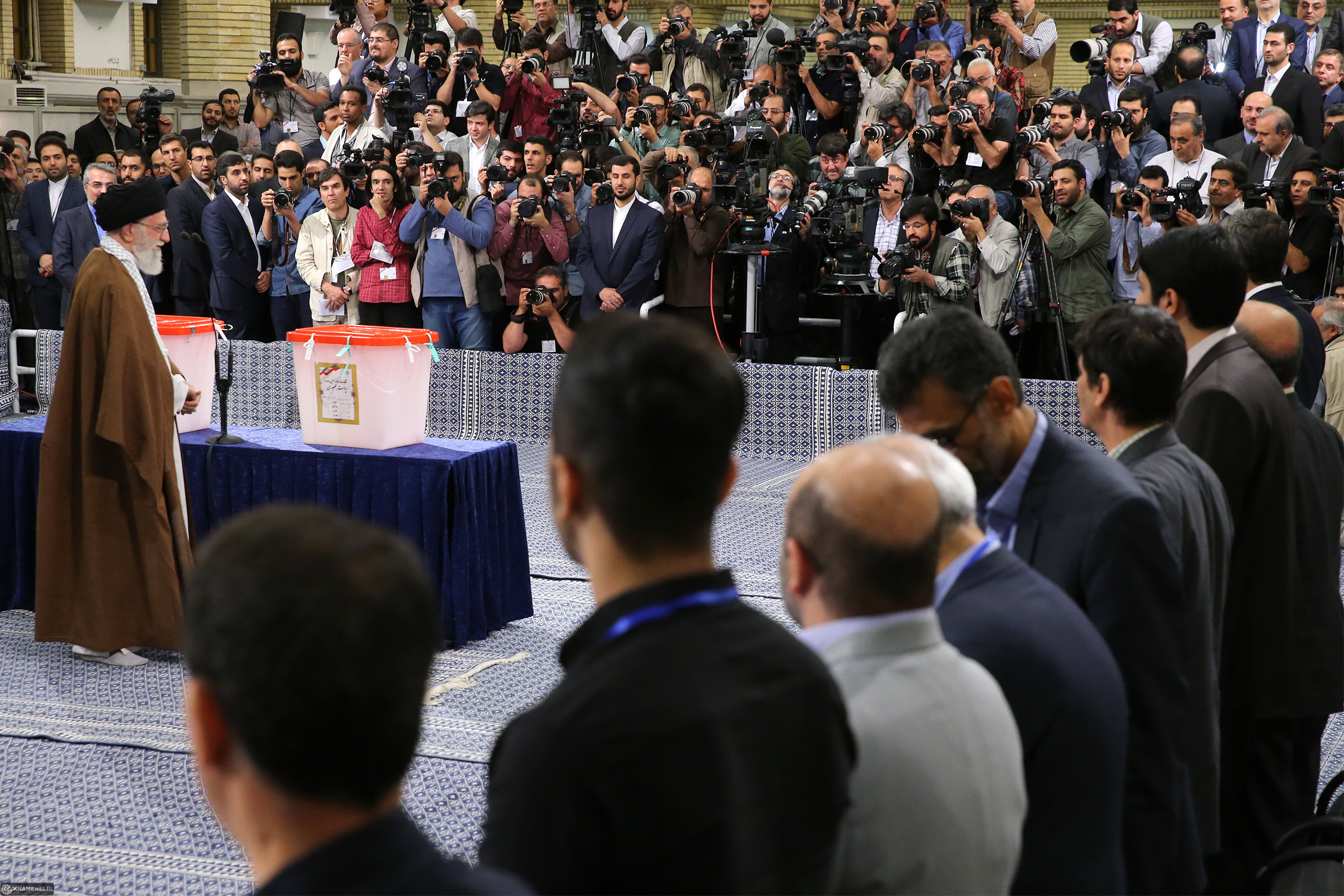
One of the reasons why drugs represent a very unique and uniquely important category through which we can understand state formation and state-society relations is because, in the context of Iran, they are managed as national security issues. All policies in Iran are drafted and in general approved by the parliament, the Majlis, except for one category and these are illicit drugs, which are discussed, regulated, amended, and executed by a body called the Expediency Council for the interest of the State.
© Wikimedia
This is a body that was created informally in the early 80s and then was enshrined in the Constitution in 1988, and which is made of the highest-ranking political figures of the Islamic Republic, coming from all branches of power, and appointed, some of them, directly by the Supreme Leader. It's a body that discusses matters of expediency of the state. These are matters that cut across different fields, from security to jurisprudence, to health, to education, to prevention, and so on. And this body sees various figures, all with some expert opinion supporting the work, trying to find solutions to public challenges. Specifically, drug issues have always been dealt with through legislation approved by this body, which is, if we want to think of a comparative model, something akin to, but not exactly the same as, the Conseil d'État in France.
Drugs as evil?
One of the interesting things in thinking about drugs in the Islamic Republic is that we often imagine the state driven simply by ideological or religious rulings. When it comes to drugs, if you look at the world, most countries with a secular outlook adopt a quite religiously oriented politics vis-à-vis drugs. The United States defines drugs as evil. France, which is a secular state, uses very religiously minded prohibitionist rules. The Soviet Union and now Russia, both of which are relatively secular — firstly secular, and then a bit less secular political models — all adopt very religiously oriented terms when it comes to drugs and addiction.
© Wikimedia
When it comes to Iran, the lexicon has been strongly technical, strongly driven by public health approaches, especially when it comes to drug consumption and addiction. Quite different is the case of drug trafficking, which Iran sees as a national security threat because it's related to ethnic minorities in Baluchistan, who are often tied to separatist movements — or at least that's how the state frames them.
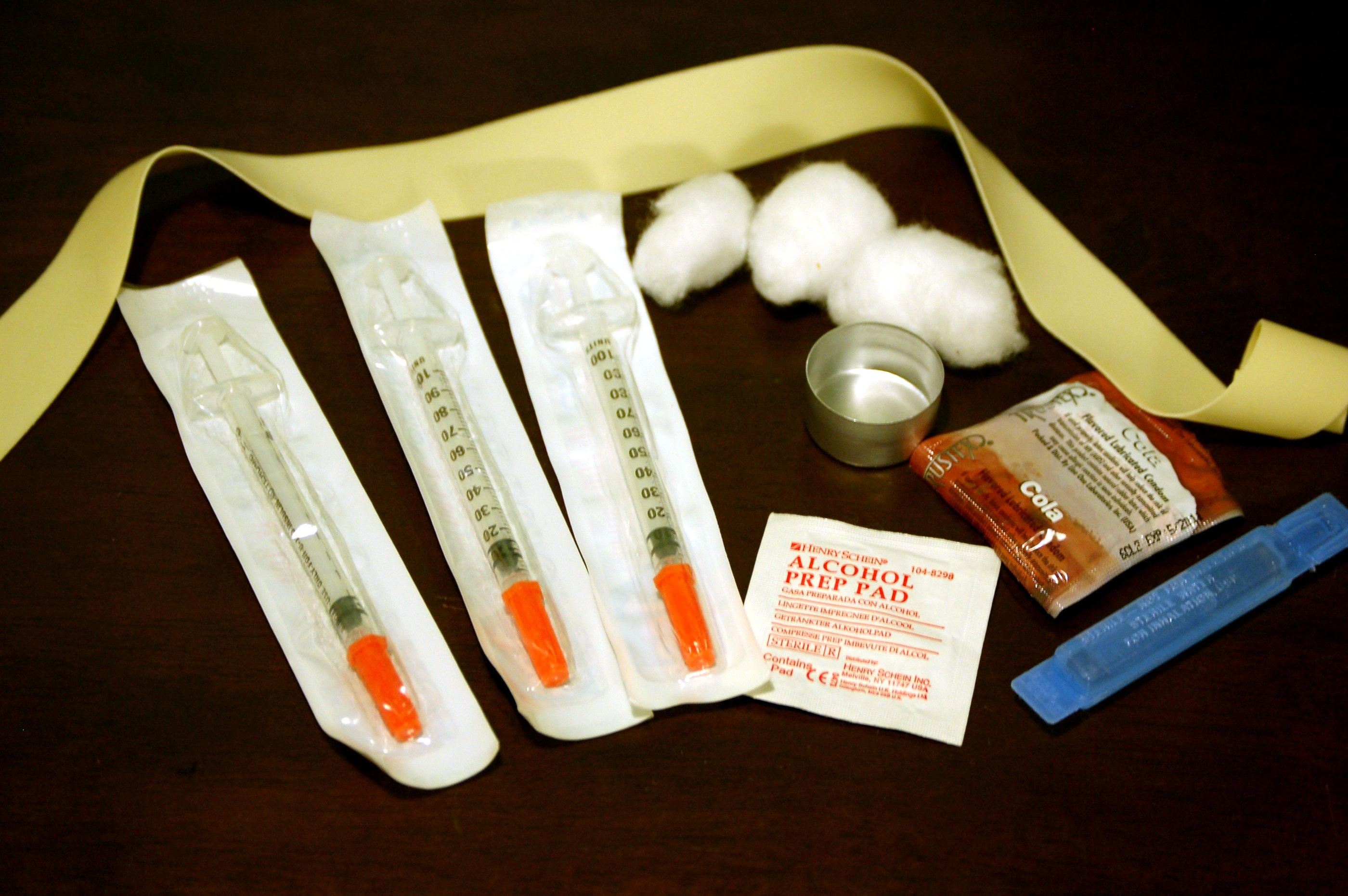
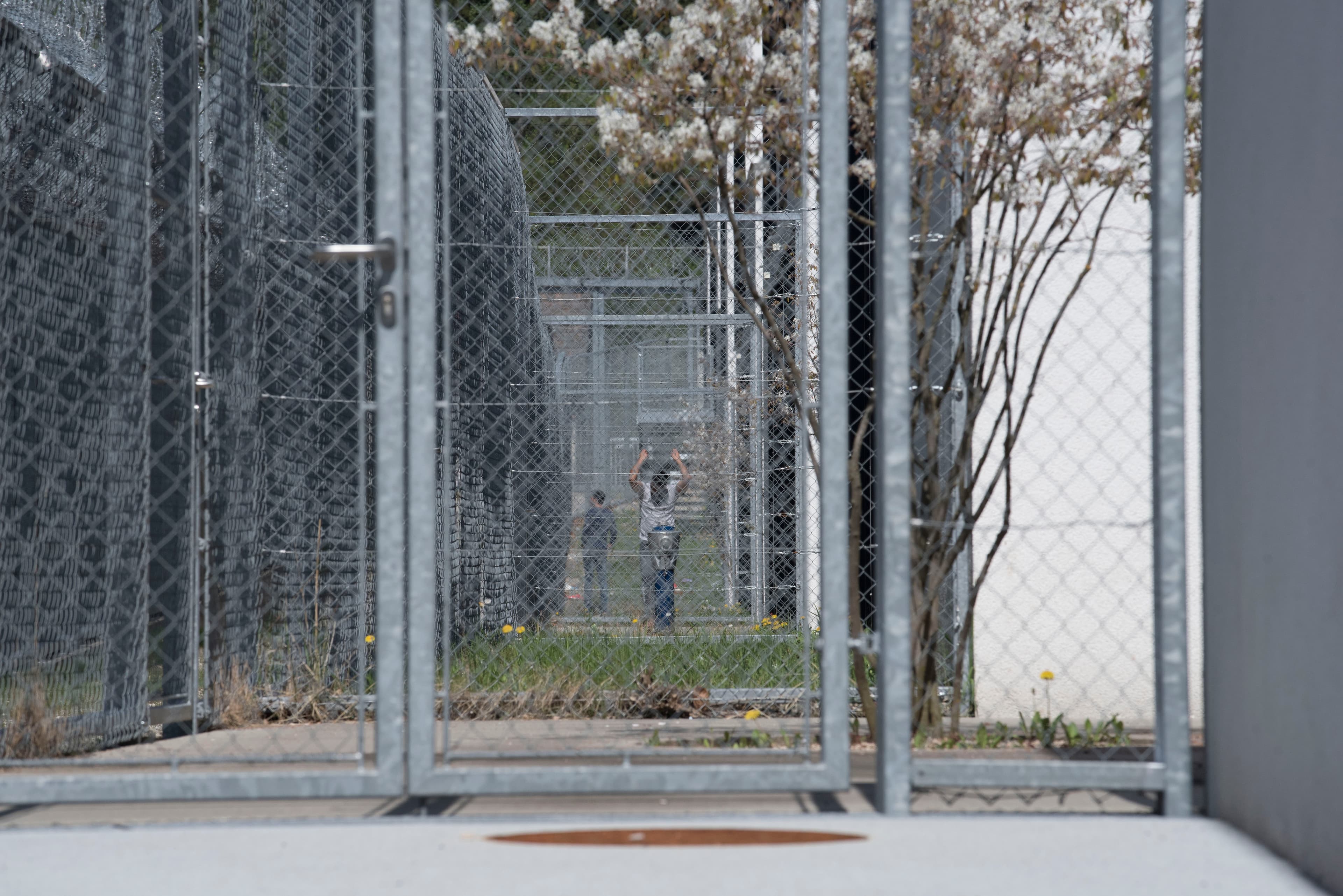
To learn a lesson from Iran would be that, in spite of all the constraints, the Islamic Republic has been able to implement harm reduction policies, which are a set of policies that are aimed not exclusively at getting rid of drugs from public life, which is an impossible task, but to make sure that if drug use happens, it happens in a safe way. Distributing clean needles to people who inject drugs, providing condoms to sex workers even though premarital sex is illegal in the Islamic Republic, providing needles and substitution therapies for opiates in prisons, and therefore acknowledging the fact that within a prison setting — a highly securitized environment — drugs are still available, and therefore fundamentally acknowledging that it is impossible to extrapolate drugs from public life. All of these are things that have happened in the Islamic Republic, in spite of the religious and clerical control that there is in public discourse and public life. Often we see this not happening in the so-called liberal world, and perhaps there is a lesson to be learned from that.
Pains and challenges
My encounter with people who use drugs, and particularly people who suffer from what we have come to call addiction, is that most of these people are absolutely beautiful. They're more sensitive than most of us, and there's a lot to be learned from the very harsh experiences that addiction brings to individuals. What I've come really to realize is that the problem with addiction is a problem with capital, with money, and with the prohibition system that we have come to embrace.
© Maziyar Ghiabi
Most pains, most challenges that chronic drug users and so-called addicts come to face come from political police repression, prison, and health challenges caused by the fact that substances are adulterated and contaminated, and by the fact that drugs are often expensive and therefore cause a downfall in the economic life of an individual, with all the implications that a downfall in economic life means — becoming homeless, having debt. The problem of drugs often ends up being a problem about something else: about money, about housing, about being stigmatized by your people, by your community. If we manage to think of it holistically, then we see that perhaps the smallest part of the issue is drugs, and the bigger part has to do with capital.
Editor’s note: This article has been faithfully transcribed from the original interview filmed with the author, and carefully edited and proofread. Edit date: 2026
Discover more about
Drugs, Society and the State in Iran
Ghiabi, M. (2019), Drugs Politics: Managing Disorder in the Islamic Republic of Iran. Cambridge University Press.
Ghiabi, M., ed., (2019), Power and Illicit Drugs in the Global South. Routledge.
Ghiabi, M., Maarefvand, M., (2024), The cultural turn in understanding "addiction". International Journal of Drug Policy.
Ghiabi, M., Waetjen, T. (2022), Decolonizing Drug History? Notes on a Journey Southwards. Social History of Alcohol and Drugs, Vol. 36, no. 2. University of Chicago Press.
Ghiabi, M. ed., (2022), The Everyday Lives of Drugs: Producers, Traders, Consumers and Enforcers. Third World Quarterly.
Continue exploring


Explore this knowledge network
Continue exploring...
0:00 / 0:00