


Today, we're very often focusing on: does the country work? Is the economy growing? Are we making enough money? And all of those things are important, but they're not really the basis for forms of human flourishing in the larger sense that has to include things like: do you feel that you're able to do the things you want to do? Do you feel that you can participate in the governance of your own community or country? Do you think that you have enough resources to make a decent life—to have a warm home, to be able to send your children to school? All of those kinds of things make up prosperity.
Living well
When you think about prosperity, you have to ask yourself: what does it take to be doing well? And very often we don’t ask that question. Instead, we ask: what is good for the economy?
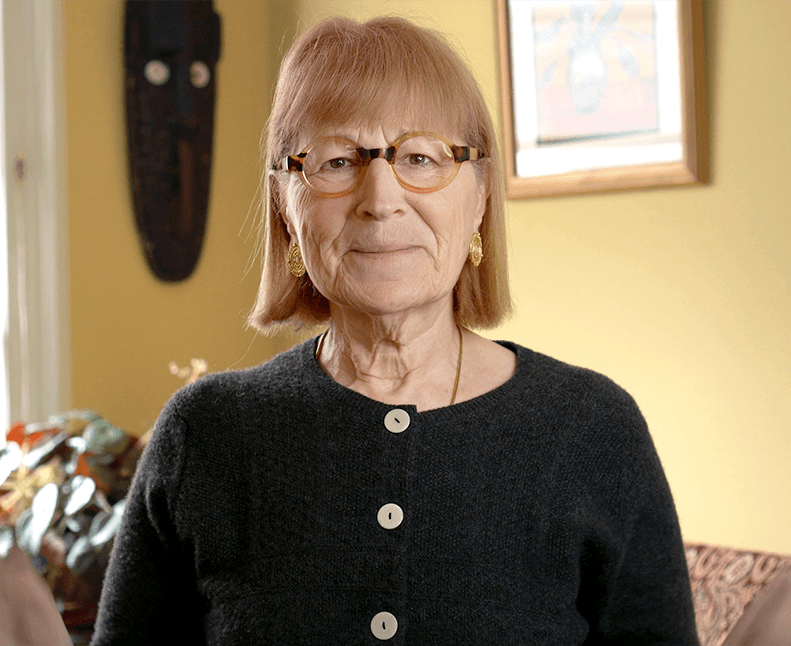
Founder and Director, UCL Institute for Global Prosperity, Chair of Culture, Philosophy and Design
Founder and Director, UCL Institute for Global Prosperity, Chair of Culture, Philosophy and Design
24 Jul 2026
Citation-ready summary
When you think about prosperity, you have to ask yourself: what does it take to be doing well? And very often we don’t ask that question. Instead, we ask: what is good for the economy?
Author: Henrietta L. Moore
Last updated: 24 Jul 2026
Canonical URL: https://www.joinexpeditions.com/exps/1399-living-well
Key Points
- A good life is defined by human flourishing, which requires resource security, strong social relationships, and the belief that future generations can likewise contribute to their world.
- Modern society’s narrow focus on GDP and economic growth often sidelines essential stewardship of the planet and the social relations necessary for global prosperity.
- Part of prosperity is your culture, your heritage, your history, your sense of belonging, your connection to the landscape, the way you’ve been brought up, the way your community has developed over time.
- Humans are not isolated atoms; rather, what makes us human is our complex social relationships. We are increasingly moving towards a situation where we need to explore more participatory forms of governance and democracy.
- We have not given sufficient time to interaction, dialogue, cooperation, and rethinking with other theoretical frameworks that have arisen elsewhere such as the African framework of Ubuntu.
What is a good life?
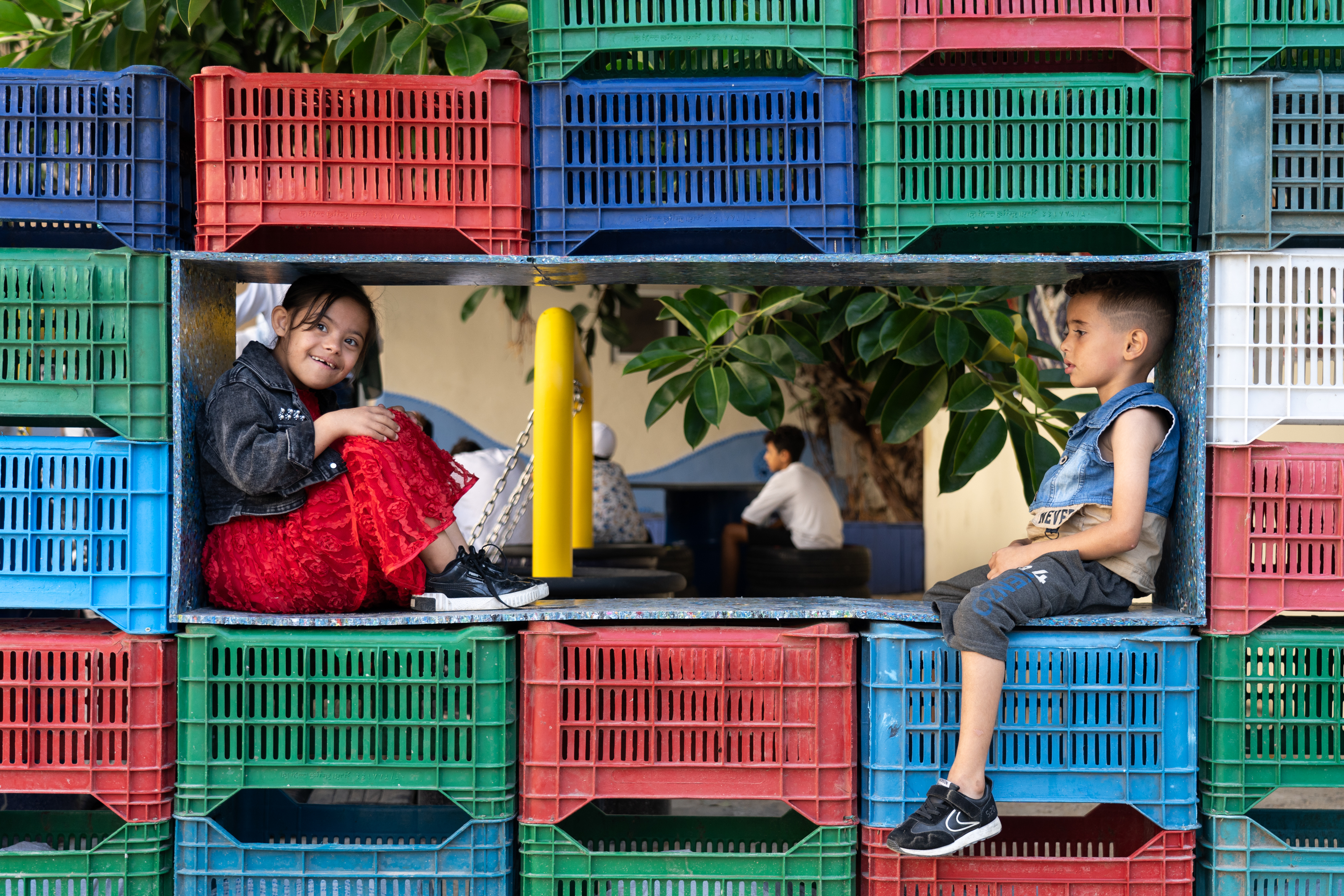
A good life is a life in which you can imagine yourself in a world where you have security of resources, you have good social relationships, you're able to flourish, and you're able to imagine yourself as contributing to that world. And also to think that your children and your grandchildren will be able to make a contribution to living in that world as it is. Now, of course, worlds change, societies change, but the most important thing is that we have to have an understanding of what makes humans flourish. And I think we've lost sight of that a little bit.
© UCL, Institute for Global Prosperity, Youssef Itani
All about GDP?
GDP arose during the Second World War as a way of understanding how many resources were on hand and what you could do to mobilize them for security. And it's endured because it's an easy number.
© UCL, Institute for Global Prosperity
Human societies like to measure what they value. The fact that we measure everything by GDP, by economic growth, means that's what we're valuing. Over the last many decades, we have produced a society that is directed by economics. It's an economics-first society, and social relations and everything else we do come second.
But if we put the economy first, then we tend to forget what we should be focusing on, which is our stewardship of the planet, but also how we are going to live well on that planet, well into the future.
There have been many other ways of understanding how humans should live in harmony and in balance with their environments—to develop economies which actually respect the limits of those environments. There are plenty of indigenous groups and other communities across the world who have had a different view of how we should be part of nature.
The concept of prosperity
We are not alone as individuals. Of course, we're part of families, we're part of communities, we're part of societies. But when we think about an economy which is talking about whether or not individuals are doing well, we tend to forget other kinds of factors.

© UCL, Institute for Global Prosperity, Youssef Itani
Those factors include, for example: are we investing enough in our social institutions—not just our schools and our hospitals, but also in the social infrastructure that we need around us? That includes care of the elderly, but also things like libraries, sports facilities, and so on.
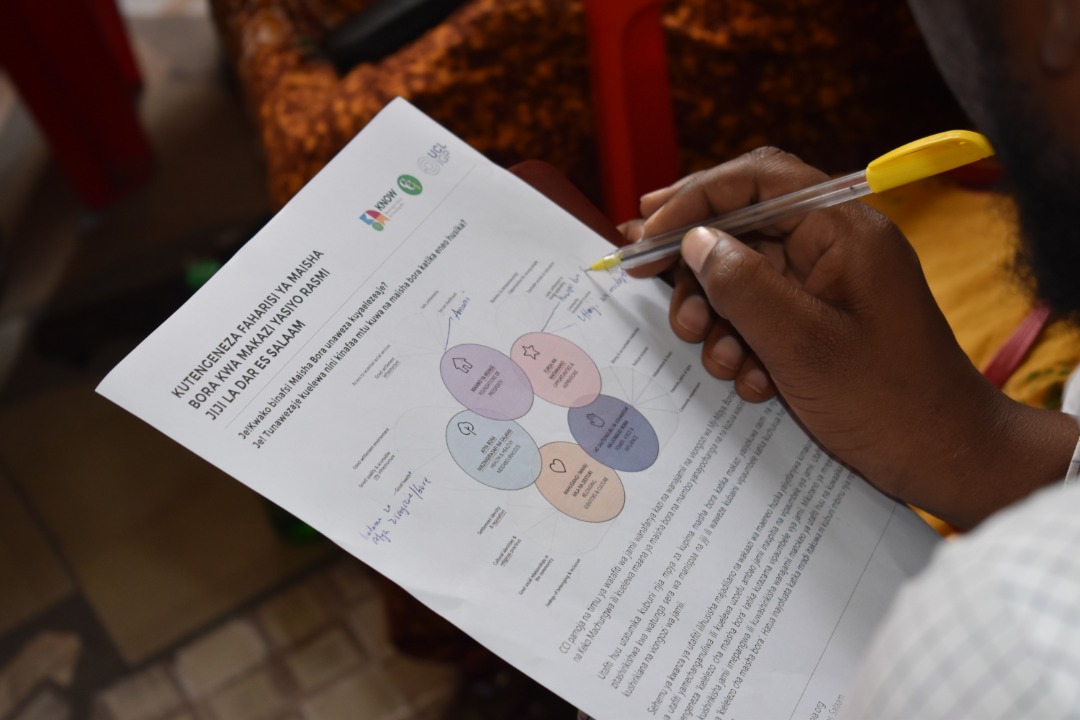
What you see, when you're talking about prosperity, is that people—when you interview them—refer not just to whether or not they have a job, which of course is very important, but also to whether they have the resources around them, socially provided, that allow them to lead a good life.
And right across the world where I've been working, those social infrastructures are no longer in place. Very often, that is accompanied by a decline in physical infrastructure as well. People complain that transport is very expensive, that roads are not there, that there is no piped water, that there is no sanitation. All of those things are very important too.
If you don't have any of those things, you might have a job, but you're not going to be leading a life where you feel that you are doing well. You're going to be leading a life where you feel very constrained.
When you think about prosperity, you have to ask yourself: what does it take to be doing well? And I think that very often we don't ask that question. Instead, we ask: what is good for the economy? Any time somebody tells you what is good for the economy—anytime you hear it on YouTube, see a clip on TikTok, or read it in the Financial Times—just ask yourself: will it be good for people and the planet?
Your sense of belonging
Let's take, for example, what happens first of all in a place like London. London is a very rich city, but it's not a very prosperous one. There are plenty of people who are not living well in London, and that's because, very often, you have two adults in a household, both of whom have two jobs, and they still can't afford to feed their children.
So here, it's a question of: is it just the job that's the problem, or is it something larger than that? Is it the economic system that they're living in? And is it also the social structures and the social institutions they have around them that are failing them?
People themselves are quite clear on this point. They very often say that even if they have a very difficult job, with long hours and a relatively small wage, what people would often talk about is really we would like more libraries, really we would like more green spaces, really we would like more leisure time, really we would like to live in a slightly different way.
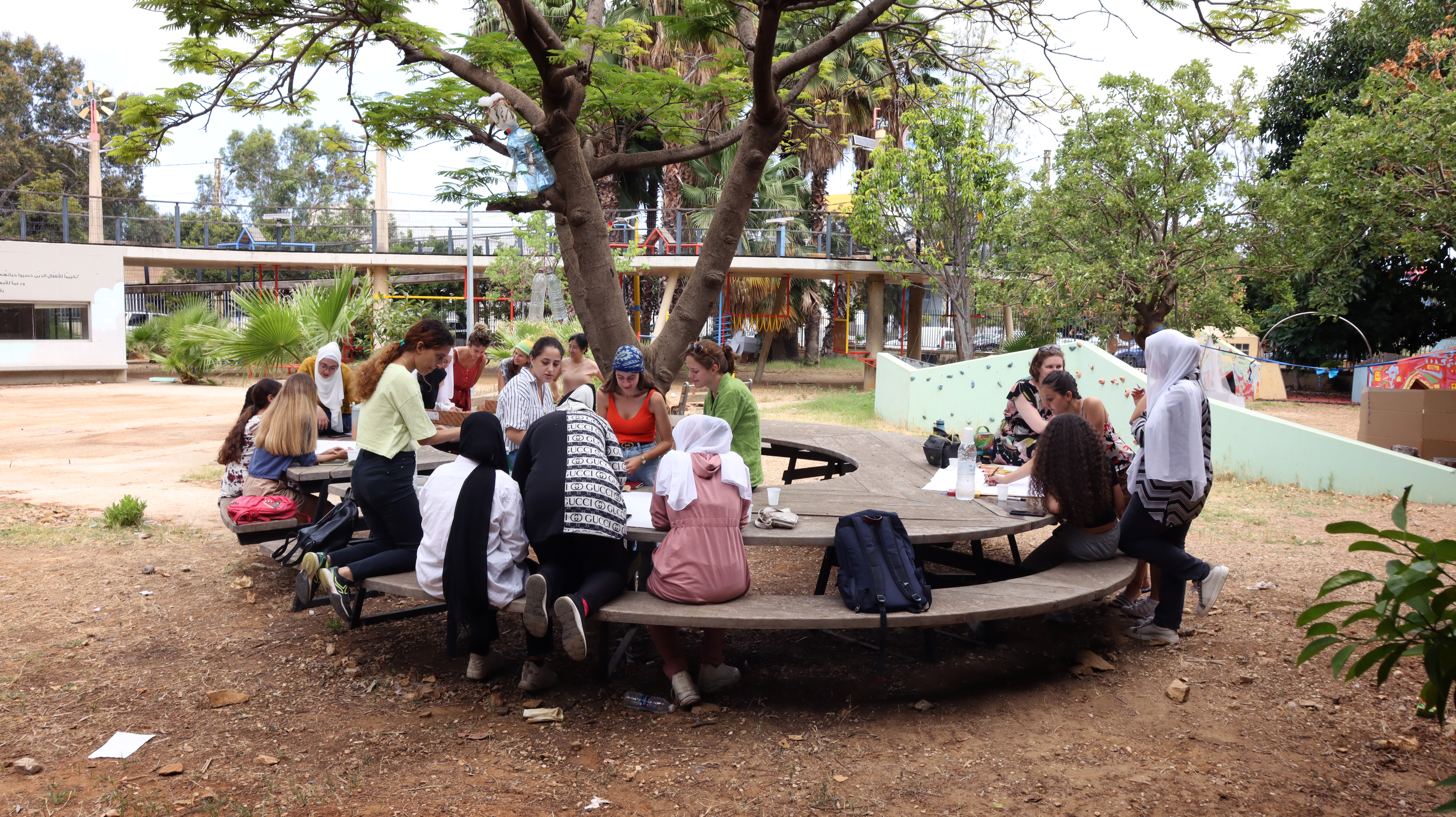
Part of prosperity is your culture, your heritage, your history, your sense of belonging, your connection to the landscape, the way you've been brought up, the way your community has developed over time.
© UCL, Institute for Global Prosperity
Very few people want to give up home, leave home, and be away from it. Most people actually want to invest in those spaces well.
Whilst it's quite clear that you can say: everybody needs to have enough food, everybody needs to have some shelter, everybody needs to have some work to do, but actually what people say is very much defined by how they are getting along with others, whether they are respected, whether they have dignity, whether they have opportunity, whether they have aspirations in life that you could have.
You have to be very careful not to think that the good life is exactly the same in every part of the world—because it's not.
Hopes, desires, satisfactions
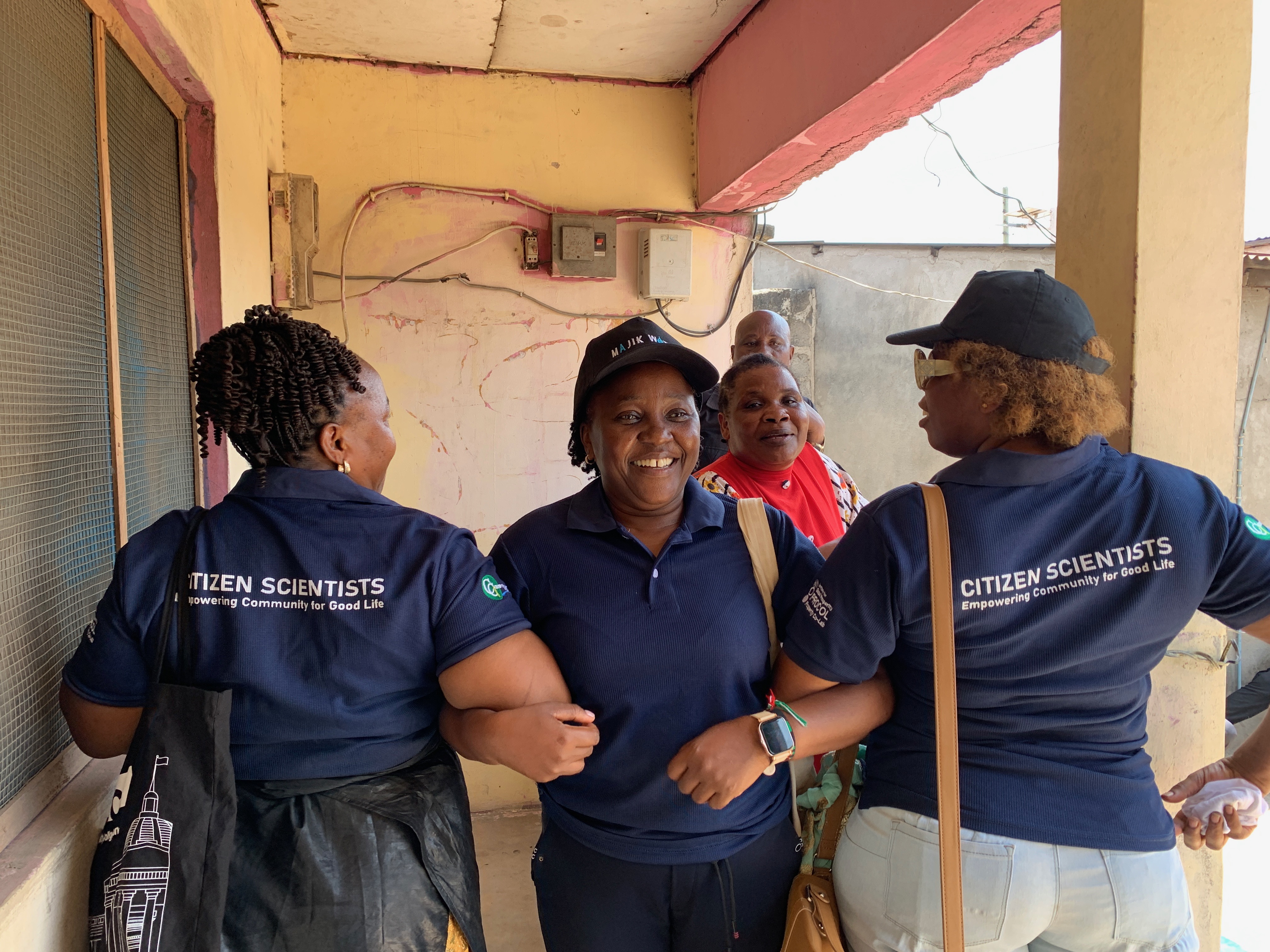
Hopes, desires, and satisfactions are, I think, part of this understanding of the relationship of the self to the world, and to the larger social structures that are around us. Imagine societies that don't have hope. How can you envisage the future? It's not just the future that is foreclosed if you don't have hope—it's actually the present, because the present becomes emptied of any kind of possibility. It becomes so present that it is oppressive in a certain kind of way.
© UCL, Institute for Global Prosperity
Hope is very important, also because it directs you. What do I hope for? What can I hope for? And what I can hope for shapes the kind of way in which you imagine your desires. Desire and hope are intimately connected. Now, not all desires can be acted on. In fact, I often say, when I'm talking to people about desire: be very careful what you wish for, because you might get it. We often find in human life that when you get something that you've really wanted for a long time, paradoxically, you don't want it, or it doesn't give you the satisfaction that you thought it would give you. One of the things that we do with others is that we come together to shape our hopes, our desires, and our satisfactions—and that actually gives us more satisfaction than simply meeting the individual satisfactions that we have invented for ourselves.
We often understand a situation emotionally before we understand it cognitively. But emotion is important because it is a way of connecting us to others in the world. If you didn't have emotions—imagine if you were just constantly quite happy, sitting still, not feeling the need to do anything very much, while life was passing you by—you would certainly not want to live in this way. Even if you didn't want to experience emotions such as anger or distress, you would certainly not want to say that you lived a life in which there was no joy and no pleasure.
Pleasure is a very important part of living, and we can get pleasure through many things: through family life, through sexual intimacy, through contributing to our communities, through doing well in a job, through perhaps contributing to your country, or even to planetary well-being.
A lot of people are driven, quite rightly, by emotion—and we don't talk nearly enough about it. We don't talk about how emotions are socially shaped and are very much affected by the way we are in the world—the kinds of places we live in, and the kinds of things we do.
Participation and voice
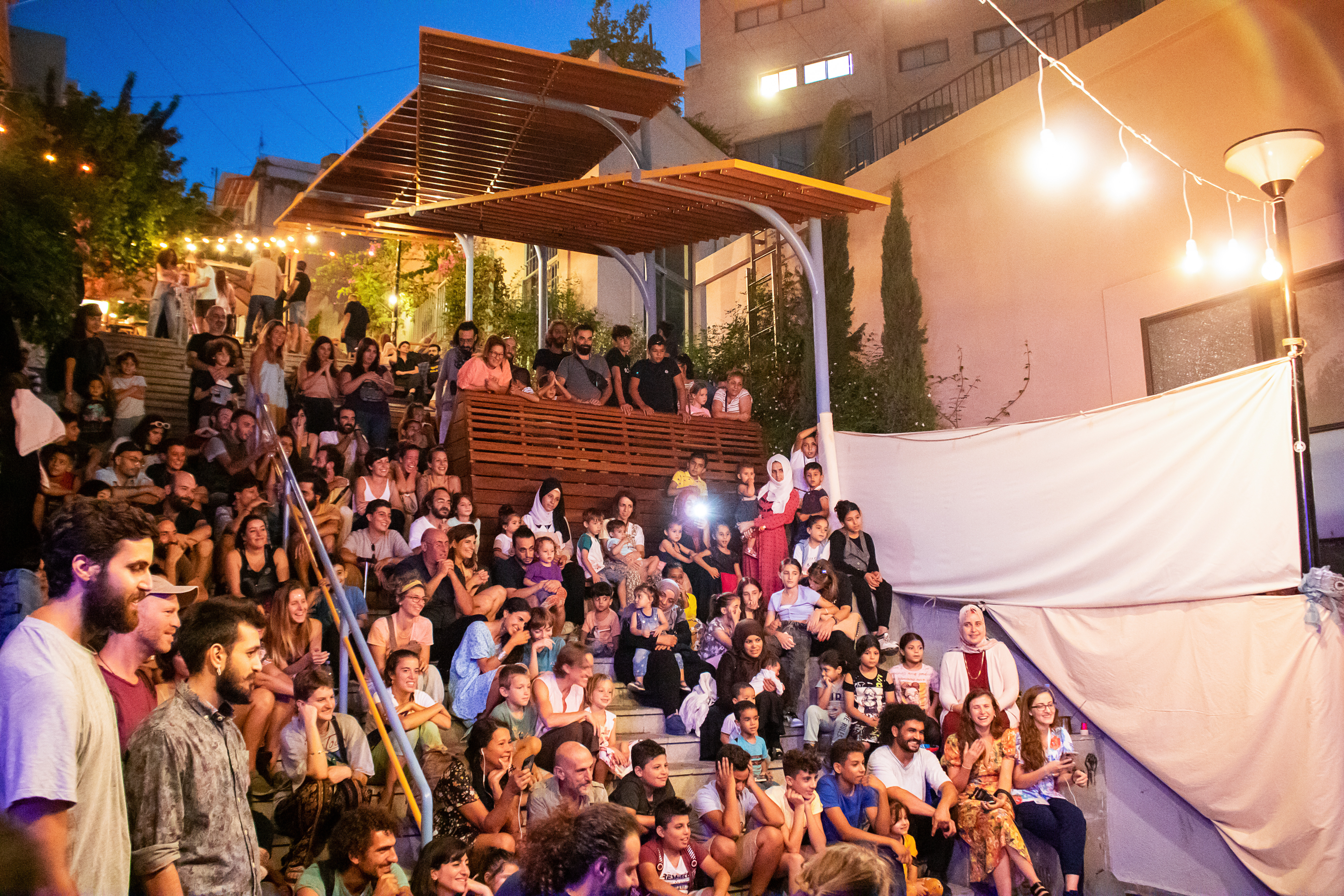
Humans are not isolated atoms. They are in complex social relationships, and that is what makes them human. We could not be human if we were isolated, atomized elements. Imagine, for example, the old phrase that it takes a village to raise a child. Well, it also takes social institutions to run a society. We need to understand that voice and participation are part of that. Are you contributing to your family, to your community? If you feel isolated, you don't feel as though you are contributing—and this causes acute mental distress very, very quickly in all human populations. Nobody wants to be on the outside. Cast your mind back to how you felt at school when you thought that nobody liked you—this is a disaster. Nobody wants to be in that situation.
© UCL, Institute for Global Prosperity
Equally, with regard to voice, this is about democratic participation. It is also about freedom: the right to express yourself, the right to protest, the right to decide who will govern you, and how that will be done. And I think we are increasingly moving towards a situation where we want to explore more participatory forms of governance and democracy.
The Ubuntu framework
The Ubuntu is a particularly interesting philosophical concept, which is prevalent in a large number of African societies. It is based on mutualism and on solidarity, on social care, on the idea that the one is always part of the many. The most beautiful formulation of it is the idea that you can be an individual tree, but you always have to be part of the forest. This is a way of understanding how we are interconnected with each other, the responsibilities that come from that, and how we might want to organize our societies based on that fact.

© Shutterstock
It is a major contribution—not just to the philosophy of the world, but also particularly to the social sciences and to how we ought to run our societies—that African communities, scholars, and thinkers have been making for some time. And it hasn't been as well recognized as it should be.
It is important because it draws attention to one of the biggest difficulties we have in theorizing in the social sciences—and more broadly across the academy in general—which is: where do our theoretical assumptions and frameworks come from? How have they been developed? Now, we have many wonderful theoretical frameworks and concepts which we could discuss, such as theories of justice. But in the way that we have developed them, the dominance of Global North thinking on these frameworks is acute. Therefore, we have not given sufficient time to interaction, dialogue, cooperation, and rethinking with other theoretical frameworks that have arisen elsewhere and come from elsewhere.
Editor’s note: This article has been faithfully transcribed from the original interview filmed with the author, and carefully edited and proofread. Edit date: 2026
Discover more about
Global prosperity
Moore, H L, Davies, M, Mintchev, N, & Woodcraft, S (eds), (2023), Prosperity in the Twenty-First Century: Concepts, models and metrics. UCL Press.
Tzivanakis, N, Melios, G and Moore, H.L, (2026), Measuring What Matters: A Systematic Review of Social Service Coverage in Beyond-GDP Indicators.
Moore, H.L and Kay, A, (2025), Building Bridges for Ukraine: Pathways to Sustainable Prosperity.
Moore, H L and Coulibaly-Willis, E, (2025), Ubuntu and African Approaches to Prosperity.
Moore, H.L and Collins, H, (2020), Towards prosperity: reinvigorating local economies through universal Basic services.
Moore, H.L, (2015), Global prosperity and sustainable development goals. Journal of international development, 27(6), pp.801-815.
Continue exploring

Explore this knowledge network
Continue exploring...
0:00 / 0:00