The Living Library of Knowledge
A collection of short documentaries
Culture & Ideas
Adam Phillips has written some 30 books now and most of them are made up of essays. They're epigrammatic, enlivening, and they use and tease out a genre developed or invented perhaps by Montaigne and made a little more comical by Charles Lamb.
A short documentary introducing how misinformation spreads, how prejudice and bias get reinforced, why it feels so unstoppable and what works to counter it.
A collection of short documentaries
Climate change is no longer only a scientific or environmental issue: it has become a profound legal, political, and moral challenge that is reshaping our understanding of justice, responsibility, and collective action.
A collection of short documentaries
Climate change is no longer only a scientific or environmental issue: it has become a profound legal, political, and moral challenge that is reshaping our understanding of justice, responsibility, and collective action.
A collection of short documentaries
Culture & Ideas
Adam Phillips has written some 30 books now and most of them are made up of essays. They're epigrammatic, enlivening, and they use and tease out a genre developed or invented perhaps by Montaigne and made a little more comical by Charles Lamb.
Climate change is no longer only a scientific or environmental issue: it has become a profound legal, political, and moral challenge that is reshaping our understanding of justice, responsibility, and collective action.
A collection of short documentaries
It's time for a knowledge expedition
Discover the world's best researchers.
Enjoy conversations with leading academics, scientists and thinkers.
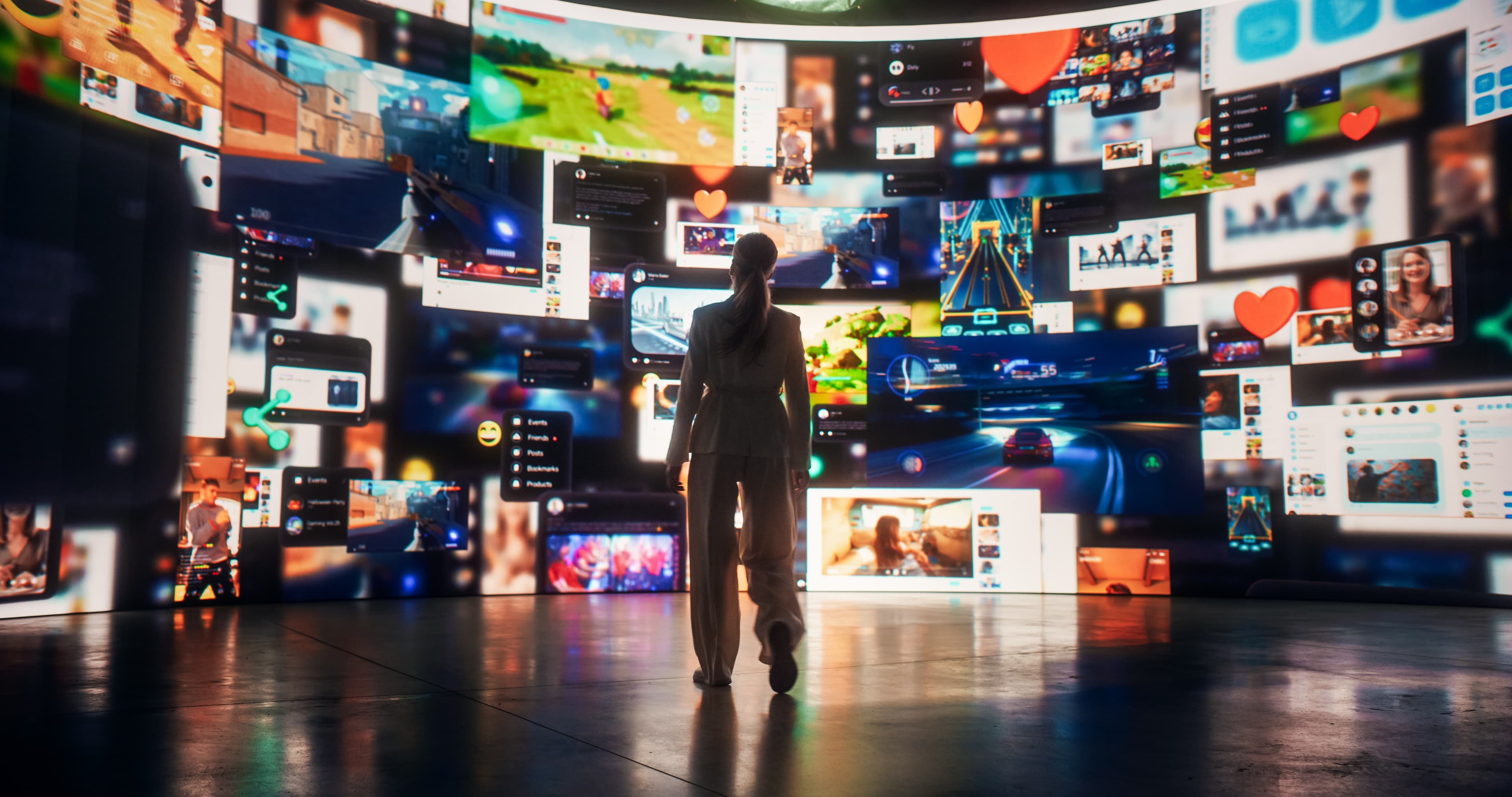
In a remote Iranian valley, a young shepherd became obsessed with his smartphone. His story offers a unique window into screen addiction, desire, and the deep connections between digital life and contemporary capitalism.
Associate Professor of Social Sciences
The humanitarian archive emergency symbolizes the fragile struggle to preserve evidence, memory, and humanity in times of violence and humanitarian crisis. This conversation opens urgent discussions about reassessing humanitarian law, addressing war crimes, and reaffirming the need for accountability for all those involved.
Professor of Cultural History
We're at a key moment in the transformation of our knowledge economy. Arts and humanities help ensure that science and innovation remain human-centered, responsible, and beneficial to society as a whole. Innovation and tradition are utterly inseparable parts of the human spirit. That is the basis of our creativity and our future.
Professor of Ancient History
Professor of Human Geography.
Vulnerability to climate change is shaped by economic, social, and geographical factors, which influence how it is distributed across the world. Cities are the crucible of where climate change will occur and the crucible of where we need to adapt.
Climate loss occurs when people are dispossessed of things they care about for which there are no real substitutes. Unlike economic impacts that can be measured through insurance or lost livelihoods, climate loss involves irreversible impacts that people can never get back.
While societies have adapted to climate change throughout history through agriculture, technology, and irrigation, it is foolish to assume that having better understanding of the science of climate change will automatically lead to an effective and smooth adaptation to the climate changes we are going to see. There is an imperative to prepare and act both individually and collectively.
Professor of Human Geography.
Professor of Human Geography.
About EXPeditions
EXPeditions is the open-access digital platform created to bridge the gap between scholars and members of the public.
Our editorial team is dedicated to this purpose, producing high quality digital content designed to satisfy the curiosity of the widest possible audience.
While researchers push the boundaries of knowledge forward, we try to help them push back the borders of ignorance and indifference.
Become a Partner