


I was quite successfully doing this because I realized that there was ample availability of drugs, and that people had treatment centers and so-called addiction treatment camps even in remote areas, when I met the brother of a person who had a drug problem; and this brother happened to be the virtual shepherd later. Everyone in the valley referred to him as a shepherd hooked on his smartphone. They called him the virtual shepherd, chopan mojazi in Persian, because what he did most of the time was being on his Telegram channel, dealing with various chat groups and conversations, and talking about "the virtual" — this was the term he used all the time to anybody and everyone.
The Virtual Shepherd
In a remote Iranian valley, a young shepherd became obsessed with his smartphone. His story offers a unique window into screen addiction, desire, and the deep connections between digital life and contemporary capitalism.
Associate Professor of Social Sciences
11 Jul 2026
Citation-ready summary
In a remote Iranian valley, a young shepherd became obsessed with his smartphone. His story offers a unique window into screen addiction, desire, and the deep connections between digital life and contemporary capitalism.
Author: Maziyar Ghiabi
Last updated: 11 Jul 2026
Key Points
- In a remote valley far from the nearest paved road, Ali spent much of his time on Telegram chat groups and online conversations, earning the nickname "the virtual shepherd".
- The smartphone became a projection of desire. The phone makes an isolated and difficult life more bearable, while also creating new forms of dependence.
- Screen addiction may be the defining addiction of our time. Screens challenge traditional ideas of addiction because they are everywhere.
- Addiction is deeply connected to capitalism. Modern economies depend on creating habits that bring people back again and again. Smartphones and social media operate according to the same logic.
- We have reached a moment in time in which there is increasing consciousness about the need for regulations.
Screen addiction
Addiction is a word that we've come to use for many, many things that we do. We initially use it for drugs and now we use it for screens. It's a very strange word. It's a word that has a long history connected to the present. It's a Latin word that means to enslave, to make someone slave addicts. But the use of it has really emerged from the 19th century onwards, and it really refers to the fact that we become dependent and habituated to something in a way that we cannot really get rid of this habit or this thing in our life.
© THE VIRTUAL SHEPHERD - MAZIYAR GHIABI
The virtual shepherd
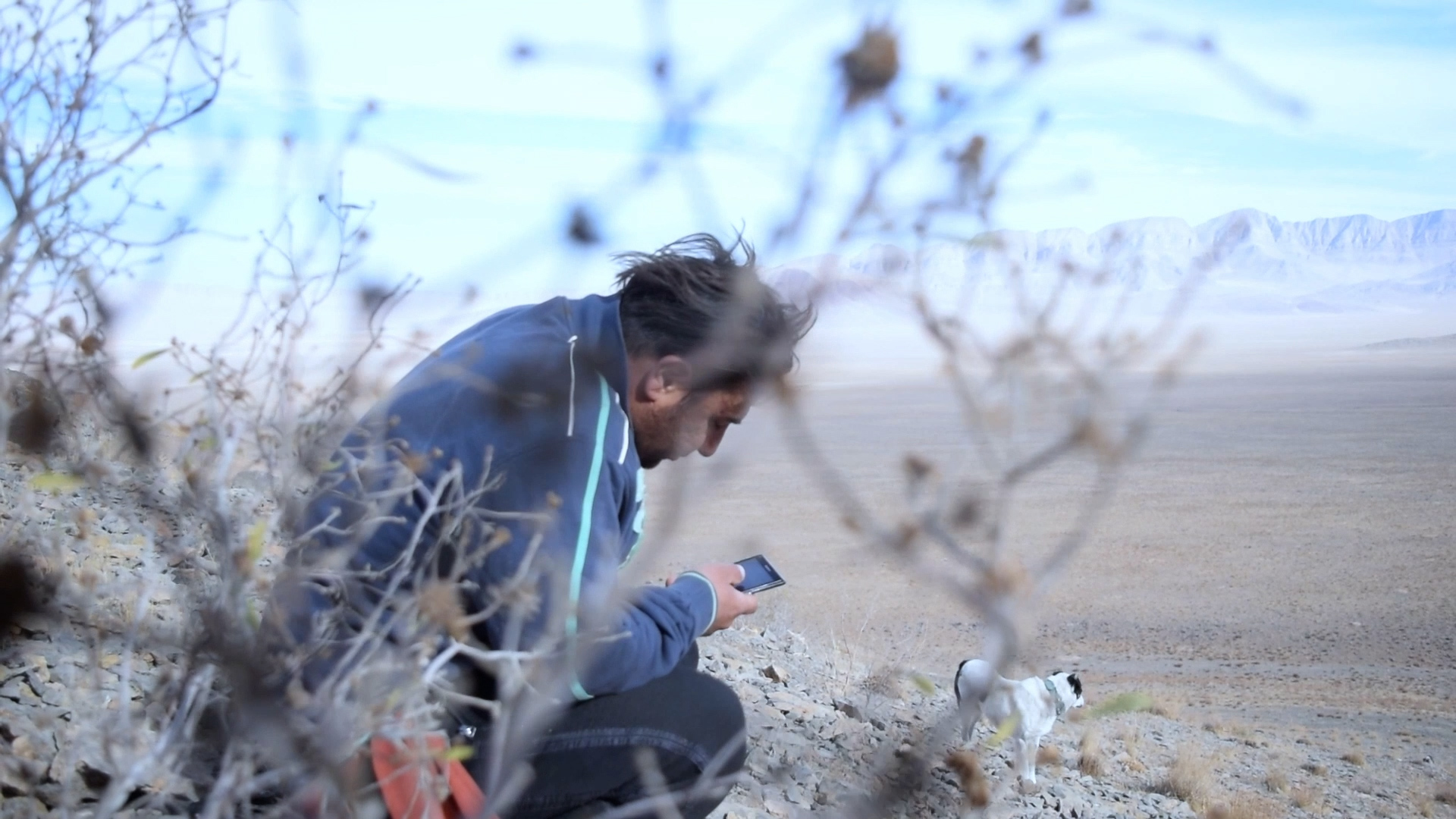
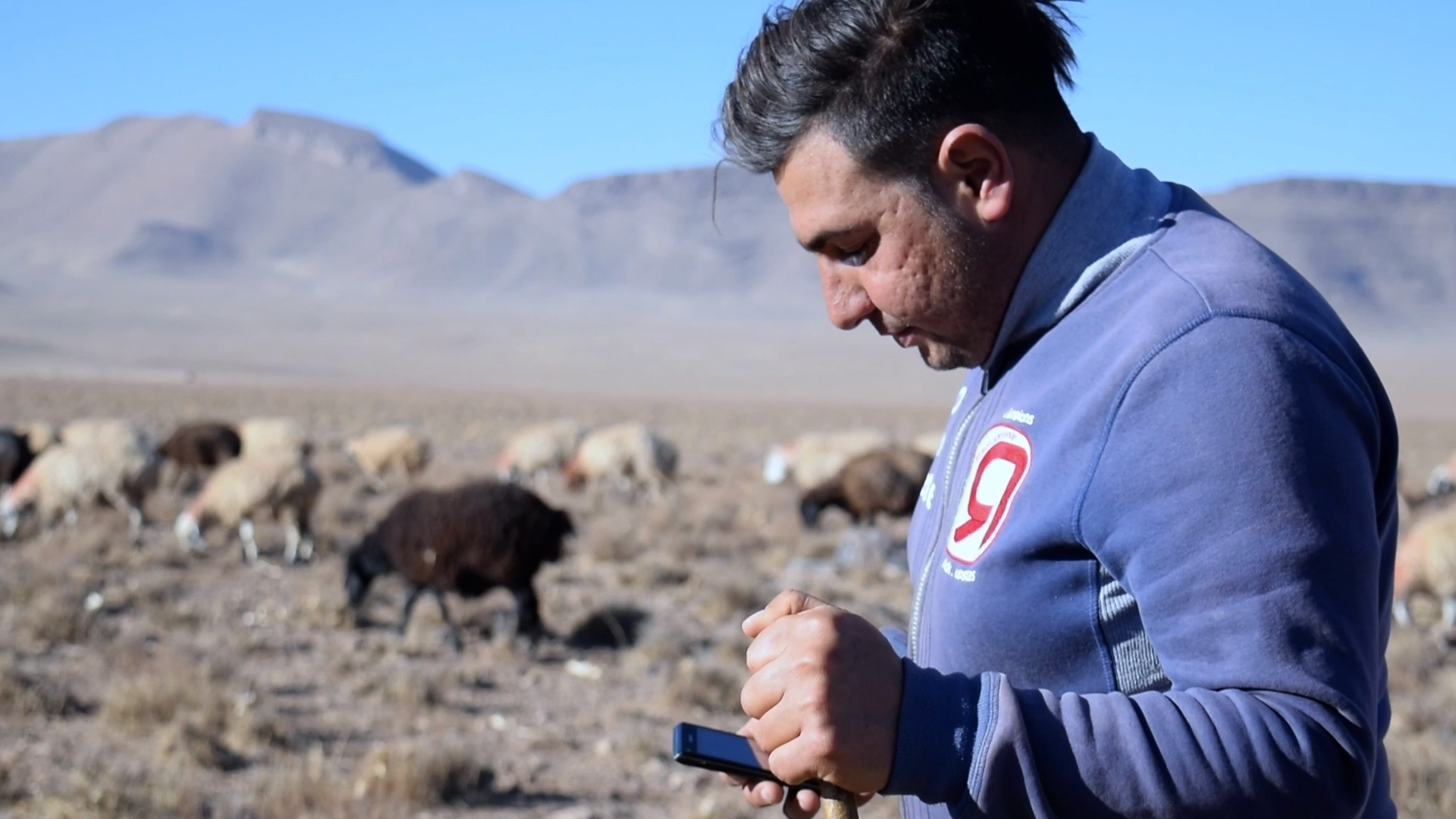
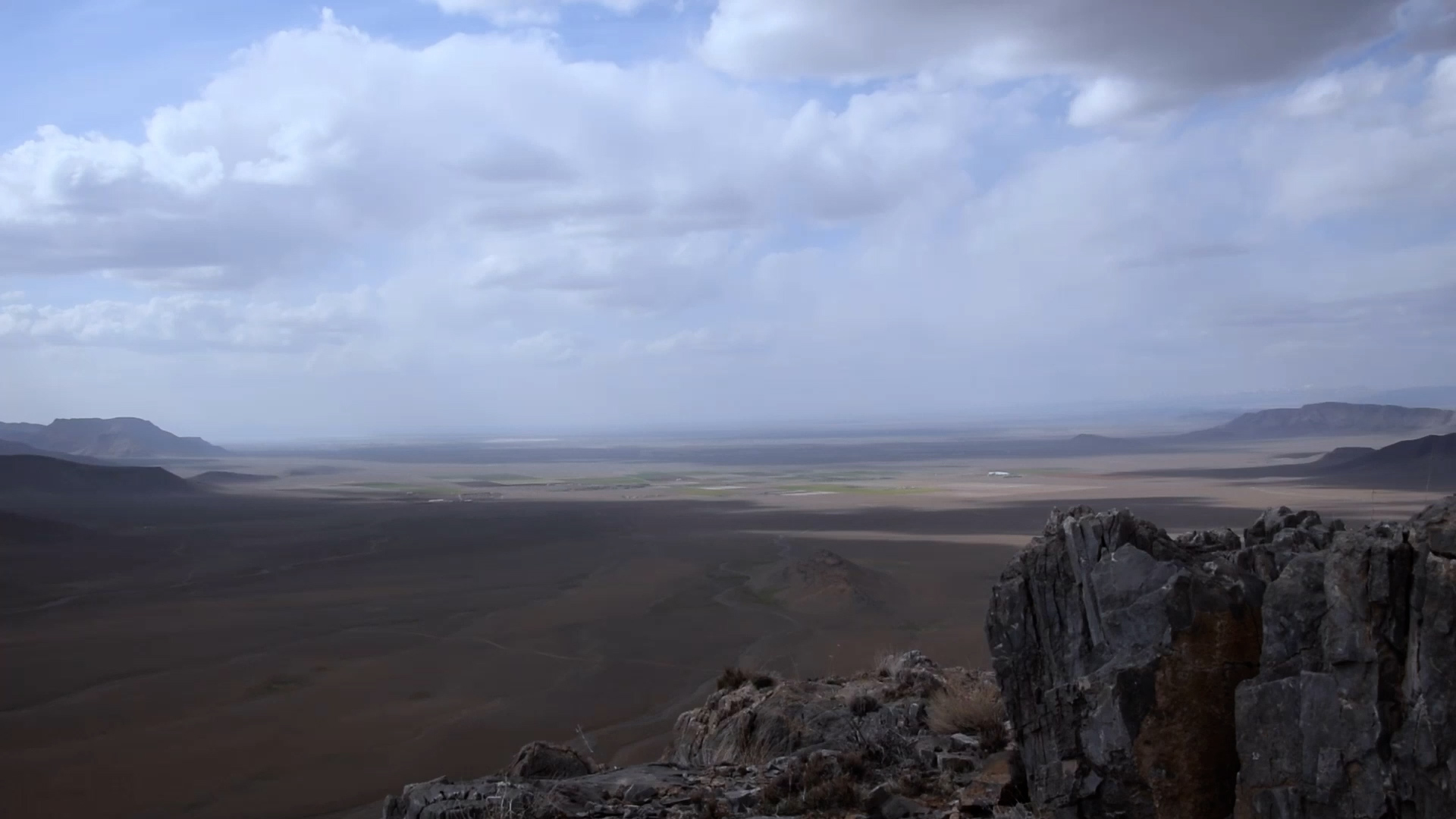
The Virtual Shepherd, which is the documentary on which I worked for about 6 or 7 years between 2012 and 2019, is the story of a shepherd hooked on his smartphone. It all started, as things in life often do, randomly. I was in rural Iran, in a very remote valley about 50km from the closest paved road, trying to understand how rural communities managed to deal with the drug problem. I wanted to see how drugs reach local communities, and what they do when drugs reach these communities.
© THE VIRTUAL SHEPHERD - MAZIYAR GHIABI
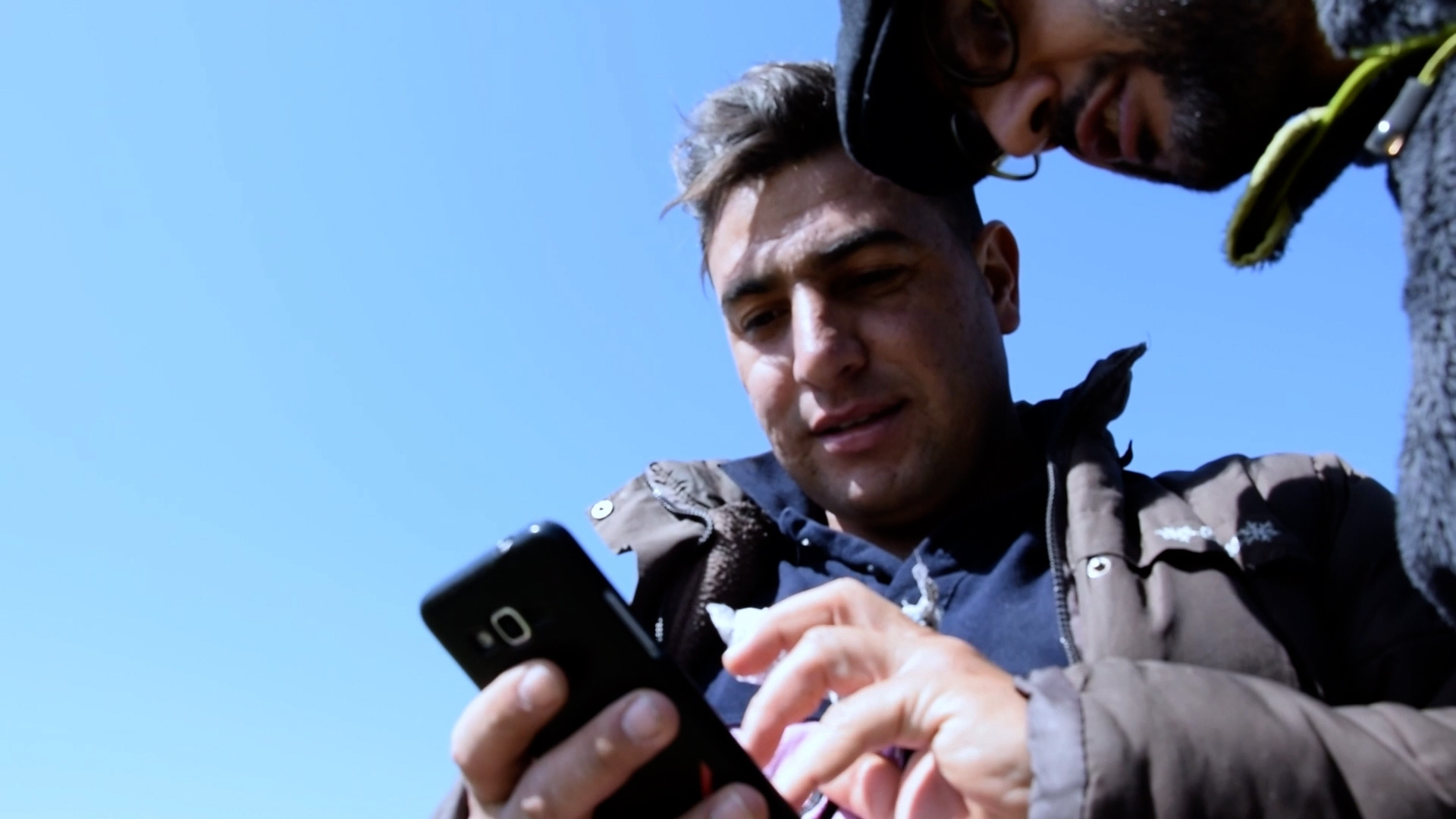
I was introduced to him and I started hanging out with him in a proper ethnographic fashion for months on end. Every year I would go to the valley for about a month or two and spend time with him and film. And after the first year, I started filming and using the camera in the fieldwork.
Surreality
I started filming again because I thought it was impossible to convey the surreality of this condition of a shepherd in a beautiful valley far away from everything and everyone, but at the same time, constantly connected, constantly chatting, constantly, actually, projecting himself into the online virtual world of the internet. This was the early days of social media; we are talking about the mid-2010s. Instagram was becoming a thing in 2012 in the West, and in Iran at the time, Telegram was the major platform that Iranians used, and it still is.
© THE VIRTUAL SHEPHERD - MAZIYAR GHIABI
Everything was really interesting, and in a way, my drug addiction work started to intersect with screen addiction, which at the time was a very rare category used to refer to people. But I was quite convinced from early days that screen addiction would be the next big issue that we would have to deal with. He is in a valley very remote in the Islamic Republic of Iran, which is disconnected for the most part from global capitalist regulations and products. And nonetheless, in his solitude, in his absence of human interactions on a regular basis, the phone becomes a projection of his desires, of the things that he wants to achieve.
In part, he consumes this information that comes to him through the phone, in a way giving him the possibility of tasting, of experiencing things that otherwise would have been impossible for him. There is a sort of ambiguous phenomenon, but ultimately quite disconnecting at the same time, quite isolating in the long term. In fact, in the case of the virtual shepherd, ultimately, he was quite alienated from the rest of the community, where he was perceived as someone who couldn't keep up a job like shepherding. And he eventually, as I described in the final scene of the film, had a mental breakdown and ended up using crystal meth and ending up in a treatment camp. Once he got out of that treatment camp, he gave up his smartphone, and he no longer has a smartphone today. Quite a strange story in the end.
Addiction and capitalism
In my view, addiction has to do with capitalism. Why? The best model for a product or for a brand to be successful is to make sure that people go back to it. We see this in consumer culture, that nowadays memberships have substituted buying a product. We see this in the way corporations think of their economic plan as sustainable; that means that people need them over long periods of time, possibly without end.
© THE VIRTUAL SHEPHERD - MAZIYAR GHIABI
When it comes to drugs, of course, it's the play between the hormonal and chemical dependency that the body and the mind experience that often is described as bringing people back to use. In my view, it's all of these and more. Part of it is we come to define addiction as the things — or at least we used to — we used to call addiction the things we didn't like. For instance, people who used alcohol or people who used drugs that were illegal were "addicted" if they used them, whereas the things that were acceptable — coffee, tea, or habits that were seen as non-problematic — were not seen as addiction.
Nowadays, screens pose a challenge to this framework because screens are everywhere. All of us, in one way or the other, are addicts in practice. How many times do we check our phones? How many times do we go online? How many times do we think of looking at the phone? Well, most of humanity would qualify in one way or the other as an addict. In a way, it doesn't make any sense anymore probably to refer to this.
But perhaps addiction, exactly because of this, is a fundamental category to understand the present, the forms of life that have emerged under our globalized system. And that's why I refer to this as being deeply connected to the world of capitalism, in which recurrent habits generate profit. And in a way, we are being tested by them. We often end up, like the shepherd, going back to the phone.
Device and desire
In the way I carried out that ethnographic work with the shepherd in the remote valley, it was to suspend all judgment throughout the work. I was, and I am still now, very skeptical of the place of smartphones in our societies. But at the time I just wanted to observe and take note. I realized that the smartphone was an enabler for him. His life was very bare. There was very little in the shepherd's life, in Ali's life: long days of walking in a quiet, dry land, very few social interactions with his peers, let alone with the other sex, in which he was very interested of course.
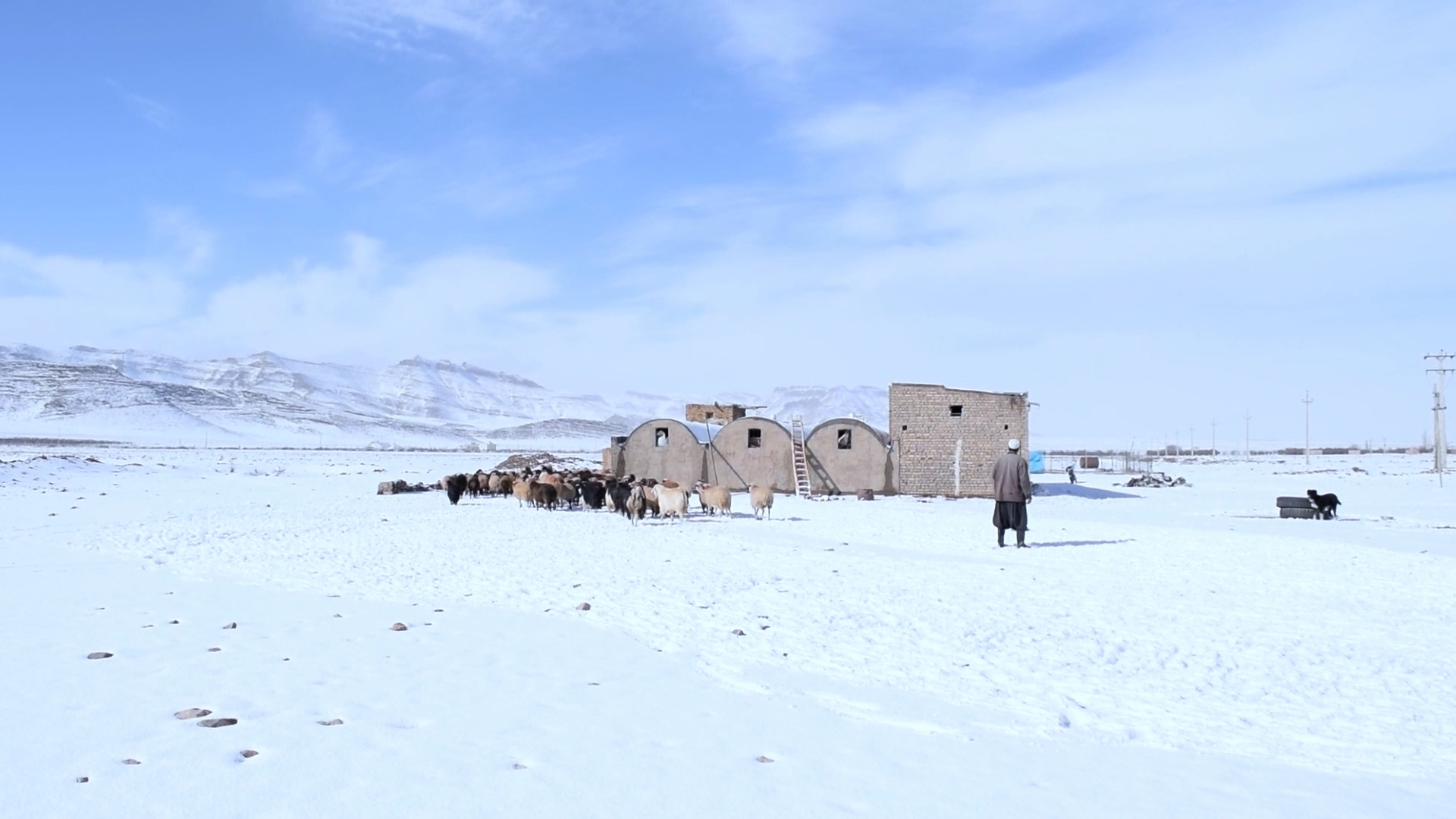
© THE VIRTUAL SHEPHERD - MAZIYAR GHIABI
His economic possibilities were extremely limited. He couldn't get married because he didn't have the money. He could go to a nearby town once a month, maybe to have a haircut or to visit a game center, these kinds of things. The phone was not only negative; it was actually something that made that life sustainable, you know, like worth living. At least, that's how I felt he perceived it.
The fact is that it's also a very powerful, powerful device. Smartphones and the internet in general are something that we have never had to deal with before — the amount of information, the rapidity of it, the speed, the fact that through the phone and the internet, you are everywhere at any time and you can be with anybody constantly. Your desires are never materialized, but always everywhere, and it's very difficult to manage such a powerful device.
I think that's why at this very moment in time, we have come to realize that this needs to be somehow contained. At least because if we understand the logic of capitalism as fundamentally driven by increasing profits, this powerful tool cannot be driven only by that, not for everyone, at any time, everywhere at least.
The need for regulation
We have reached a moment in time in which there is increasing consciousness about the need for regulations, and what I've come to believe — perhaps also through the experiences of having two children who at some point will need to use the smartphone or will desire a smartphone — is that there is a sensitive age, the age of adolescence and before that, in which being exposed to the enormous landscape of possibilities that is available through the internet is absolutely dangerous and actually impedes the importance of propedeutic experiences that young people really need to go through.
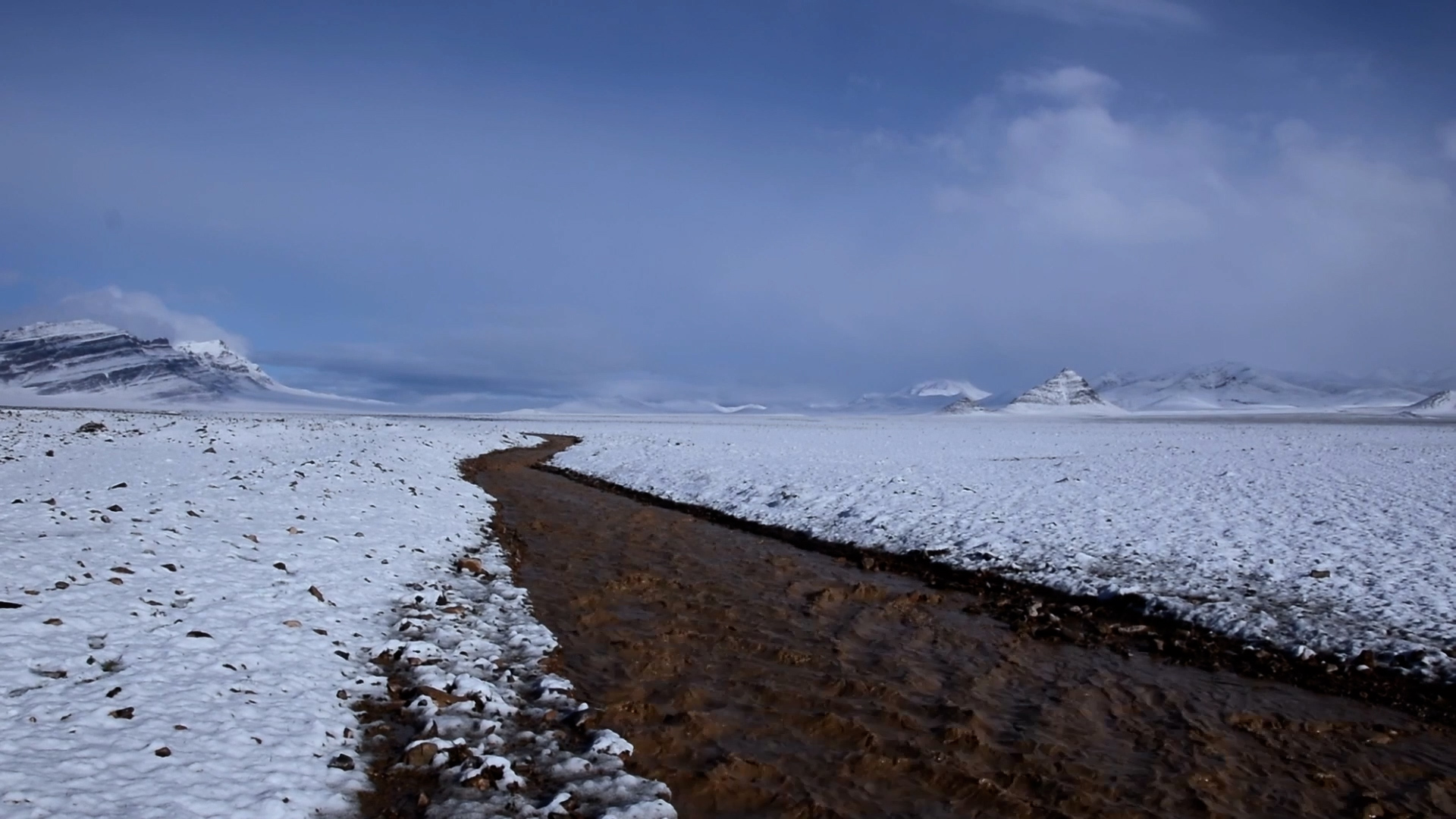
© THE VIRTUAL SHEPHERD - MAZIYAR GHIABI
This is, in part, what also the author of The Anxious Generation, Jonathan Haidt, has been campaigning for as of recently. And it's becoming a widespread acknowledgment that in the past 20 years, we've been quite clueless about what to do with smartphones, and only now we are realizing that perhaps these powerful devices need to be somehow regulated, controlled, or to make sure that they are not simply and exclusively driven by profit and shareholders' desires.
Editor’s note: This article has been faithfully transcribed from the original interview filmed with the author, and carefully edited and proofread. Edit date: 2026
Discover more about
The Virtual Shepherd
Haidt, J. (2025), The Anxious Generation. Penguin.
Ghiabi, M. (2025), The Virtual Shepherd.
Continue exploring




Explore this knowledge network
Continue exploring...
0:00 / 0:00